Can Tramontina Pans Go In The Oven What You Need to Know
Yes, most Tramontina pans can go in the oven, but the answer depends on the specific product line and material. Whether you own a nonstick frypan, a stainless steel skillet, or a cast iron piece, each Tramontina product has its own oven-safe temperature limit. In this guide, we break down exactly which Tramontina cookware is safe for oven use, the maximum temperatures to follow, and practical tips to keep your pans performing at their best for years to come.
So, you just bought a beautiful Tramontina pan and you are wondering if it can handle the heat of your oven. Maybe you want to finish a steak in the oven, or perhaps you are planning to bake a casserole in your frying pan. Either way, the question can Tramontina pans go in the oven is one that comes up a lot, and for good reason.
Not all cookware is created equal when it comes to oven use. Some pans can handle extreme heat, while others will warp, release harmful fumes, or simply crack under pressure. The good news is that most Tramontina products are designed with oven use in mind, but the answer depends on the specific line and material you are working with.
In this guide, we will walk you through everything you need to know about using Tramontina pans in the oven. You will learn which models are oven safe, what temperature limits to follow, and how to avoid common mistakes that can damage your cookware. By the end, you will feel confident about putting your Tramontina pan in the oven without any worries.
Tramontina is a trusted name in kitchen cookware, and understanding how to use their products safely will help you get the most out of your investment. Let us dive right in.
Key Takeaways
- Most Tramontina pans are oven safe: The majority of Tramontina cookware lines can handle oven temperatures, but limits vary by product.
- Nonstick pans have lower limits: Tramontina nonstick frypans typically handle up to 500 degrees Fahrenheit, but always check the specific model.
- Stainless steel and cast iron handle higher heat: These materials can often go well beyond 500 degrees, making them ideal for oven finishing.
- Handle material matters: Silicone-wrapped handles are generally oven safe up to a certain temperature, while metal handles can handle more.
- Never exceed the max temperature: Going over the recommended limit can damage the nonstick coating, warp the pan, or release harmful fumes.
- Proper care extends oven life: Hand washing and avoiding thermal shock will keep your Tramontina pans in great shape for oven use.
📑 Table of Contents
- What Makes a Pan Oven Safe?
- Tramontina Product Lines and Their Oven Ratings
- Temperature Limits You Need to Know
- How to Safely Use Tramontina Pans in the Oven
- Common Mistakes to Avoid with Oven Safe Pans
- Caring for Your Tramontina Pans After Oven Use
- Final Verdict: Should You Put Tramontina Pans in the Oven?
What Makes a Pan Oven Safe?
Before you put any pan in the oven, it helps to understand what makes cookware oven safe in the first place. Not every frying pan or skillet is built to handle the dry, radiant heat of an oven. Several factors come into play, and knowing them will help you make smarter decisions in the kitchen.
Understanding Oven Safe Labels and Symbols
Most Tramontina pans come with an oven safe label or symbol on the packaging or the pan itself. This label tells you the maximum oven safe temperature the pan can handle. Look for this information on the bottom of the pan or in the product manual. If you cannot find it, check the Tramontina website or contact their customer service team.
The oven safe symbol usually looks like a small oven icon with a temperature number underneath. For example, a symbol showing 500 degrees Fahrenheit means the pan can safely go in the oven up to that temperature. Going beyond that limit is not recommended and can cause damage.
Materials That Determine Oven Safety
The material your pan is made from plays a huge role in whether it can go in the oven. Here are the most common materials used in Tramontina cookware and how they perform in oven settings:
- Aluminum: Lightweight and heats up quickly. Most Tramontina aluminum pans are oven safe, but the nonstick coating may limit the temperature.
- Stainless Steel: Extremely durable and can handle very high temperatures. Stainless steel oven safe cookware from Tramontina is a great choice for high-heat cooking.
- Cast Iron: One of the most oven-friendly materials available. Cast iron Tramontina pans can handle extreme heat without any issues.
- Nonstick Coatings: While convenient, nonstick coatings have lower heat tolerances. Exceeding the limit can break down the coating and release harmful fumes.
- Silicone Handles and Accents: These are oven safe up to a certain point, usually around 400 to 450 degrees Fahrenheit. Beyond that, the silicone can melt or degrade.
When you are shopping for oven safe cookware, always check the material composition. A pan made entirely of metal without plastic or silicone parts is generally the most oven friendly.
Tramontina Product Lines and Their Oven Ratings
Tramontina offers a wide range of cookware, and each line has different oven safe capabilities. Let us break down the most popular Tramontina product lines and what you need to know about using them in the oven.
Tramontina Nonstick Frypans
The Tramontina nonstick frypan is one of the most popular items in their lineup. These pans feature a durable nonstick coating that makes cooking and cleanup a breeze. But can you put them in the oven?
The short answer is yes, with some caveats. Most Tramontina nonstick frypans are oven safe up to 500 degrees Fahrenheit. However, this limit applies to the pan body, not necessarily the handle. If your pan has a silicone-wrapped handle, the handle may have a lower temperature limit, usually around 350 to 400 degrees.
For example, the Tramontina Professional Nonstick Frypan is oven safe to 500 degrees. This makes it great for recipes that start on the stovetop and finish in the oven, like a perfectly seared chicken breast or a crispy pork chop.
Tramontina Stainless Steel Pans
If you are looking for high heat performance, Tramontina stainless steel pans are an excellent choice. Stainless steel can handle much higher temperatures than nonstick coatings, making it ideal for oven use.
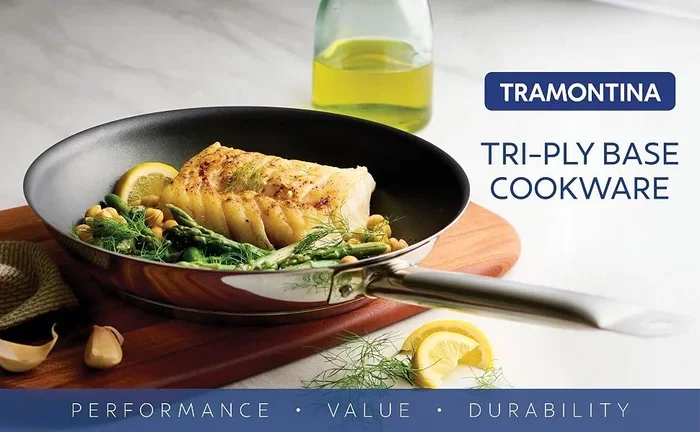
Many Tramontina stainless steel pans are oven safe up to 500 degrees or higher. The tri-ply construction found in some lines provides even heat distribution, which is especially useful when you are moving a pan from the stovetop to the oven for a finished dish.
These pans are perfect for baking with pans that would normally be used on the cooktop. Think of dishes like frittatas, pan pizzas, or seared salmon that finish in a hot oven.
Tramontina Cast Iron Skillets
Cast iron is the king of oven-safe cookware, and Tramontina offers some excellent cast iron skillets. These pans can handle extremely high temperatures, often well beyond 500 degrees Fahrenheit.
Tramontina cast iron skillets are naturally oven safe cookware because there is no coating to worry about. You can use them for baking cornbread, roasting vegetables, or finishing a steak with a broiler. The only thing to keep in mind is the weight, since cast iron is heavy and can be tricky to move in and out of a hot oven.
Tramontina Tri-Ply and Multi-Ply Cookware
Tramontina’s tri-ply and multi-ply lines combine different metals for superior heat performance. These pans typically feature an aluminum or copper core sandwiched between stainless steel layers. The result is even heating and excellent responsiveness.
Most tri-ply Tramontina pans are oven safe to at least 500 degrees. The multi-layered construction holds up well to oven temperatures, making these pans versatile for both stovetop and oven cooking. They are a great investment if you want one pan that can do it all.
Temperature Limits You Need to Know
Temperature limits are the most critical factor when using any pan in the oven. Exceeding the recommended temperature can ruin your pan, damage your food, or even create safety hazards. Here is what you need to know about oven temperature limits for Tramontina pans.
Maximum Oven Temperatures by Pan Type
Different Tramontina pan types have different heat tolerances. Here is a general breakdown of what to expect:
- Nonstick frypans: Up to 500 degrees Fahrenheit. Always remove any silicone handle covers or accessories before placing in a hot oven.
- Stainless steel pans: Up to 500 degrees or higher, depending on the line. Check the product specifications for exact numbers.
- Cast iron skillets: Can handle 500 degrees and beyond. Cast iron is extremely durable and can even go under a broiler.
- Tri-ply pans: Generally oven safe to 500 degrees. The bonded layers hold up well under high heat.
- Pans with silicone handles: The silicone parts may only be safe up to 400 degrees. Always check the handle rating separately from the pan body.
When in doubt, start at a lower temperature and work your way up. It is always better to be cautious than to risk damaging your Tramontina cookware.
What Happens When You Exceed the Limit?
Putting a pan in the oven beyond its rated temperature can cause several problems. Here are the most common issues:
- Nonstick coating damage: The coating can break down, peel, or release toxic fumes at high temperatures. This not only ruins the pan but can also be harmful to your health.
- Warping: Excessive heat can cause the pan to warp, leading to uneven cooking and a wobbly base. A warped pan will not sit flat on the stovetop or in the oven.
- Handle damage: Silicone handles can melt, and rivets can loosen when exposed to too much heat. This can make the pan unsafe to handle.
- Discoloration: Even if the pan does not warp or crack, it may become discolored, which affects its appearance and nonstick performance.
The bottom line is simple. Always respect the temperature limits printed on your Tramontina pan. Your cookware durability depends on it.
How to Safely Use Tramontina Pans in the Oven
Now that you know which Tramontina pans can go in the oven and what temperatures to follow, let us talk about how to use them safely. A few simple practices can make a big difference in the longevity of your pans and the quality of your cooking.
Handle and Lid Considerations
One of the most overlooked aspects of oven safety is the handle. Many Tramontina pans come with handles that are not fully oven safe, even if the pan body is. Here is what to keep in mind:
- Metal handles: These are generally oven safe to the full temperature rating of the pan. However, they will get very hot, so always use an oven mitt.
- Silicone-wrapped handles: These are oven safe up to a lower temperature, usually around 400 degrees. Check the product manual for the exact limit.
- Phenolic or plastic handles: These are typically not oven safe at all. They can melt or release harmful chemicals when exposed to high heat.
- Lids: Not all Tramontina lids are oven safe. Glass lids can handle moderate heat but may crack under extreme temperatures. Check the lid specifications before placing it in the oven.
Pro tip: If you are unsure about your handle, you can always use a separate oven-safe handle cover or wrap the handle in a dry towel before placing the pan in the oven. This is not ideal but can work in a pinch.
Best Practices for Stovetop to Oven Cooking
One of the best features of oven-safe pans is the ability to start cooking on the stovetop and finish in the oven. This technique is perfect for dishes like pan-seared chicken, steak, or fish. Here is how to do it right:
- Preheat the oven before you start cooking. This ensures the pan goes into a consistent heat environment.
- Let the pan heat up gradually on the stovetop. Do not crank the burner to high heat right away. Gradual heating prevents warping.
- Use an oven mitt when moving the pan. The handle will get hot, so always protect your hands.
- Place the pan on a center oven rack. This allows for even heat circulation and reduces the risk of hot spots.
- Let the pan cool before washing it. Plunging a hot pan into cold water can cause thermal shock, which leads to warping.
Following these steps will help you get the best results from your Tramontina frying pan every time you use it in the oven.
Common Mistakes to Avoid with Oven Safe Pans
Even experienced cooks make mistakes when it comes to oven-safe cookware. Here are the most common errors and how to avoid them.
Assuming All Tramontina Pans Are Oven Safe
This is the biggest mistake people make. Not every Tramontina pan is designed for oven use. Some lines are strictly stovetop cookware. Always check the product specifications before placing a pan in the oven. If the packaging or manual does not mention oven use, it is best to assume it is not oven safe.
Ignoring Handle Temperature Limits
Just because the pan body can handle 500 degrees does not mean the handle can. Many people learn this the hard way when a silicone handle melts in a hot oven. Always check the handle rating and remove any silicone accessories before oven use.
Using Cooking Spray at High Temperatures
Cooking spray can leave a residue that builds up on nonstick surfaces. When heated in the oven, this residue can become difficult to remove and may affect the pan’s performance. Instead, use a small amount of oil applied with a paper towel or brush for oven cooking.
Overheating an Empty Pan
Never preheat an empty nonstick pan in the oven. An empty pan can overheat quickly, which can damage the nonstick coating and release harmful fumes. Always have food or liquid in the pan when it is in the oven.
Using Abrasive Cleaners After Oven Use
After taking your Tramontina pan out of the oven, resist the urge to scrub it with harsh abrasives. Use a soft sponge and mild dish soap to clean the pan. Abrasive cleaners can scratch the surface and reduce the pan’s lifespan.
Caring for Your Tramontina Pans After Oven Use
Proper care goes a long way in extending the life of your Tramontina cookware, especially after it has been through the heat of an oven. Here are some simple care tips to keep your pans in top shape.
Cleaning Tips for Oven-Used Pans
- Let the pan cool naturally before washing it. Sudden temperature changes can cause warping.
- Wash by hand with warm water and mild dish soap. While some Tramontina pans are dishwasher safe, hand washing is gentler and helps preserve the nonstick coating.
- Soak stuck-on food in warm water for a few minutes before scrubbing. This makes cleanup much easier.
- Dry the pan thoroughly after washing to prevent spotting or rust, especially with cast iron pans.
Storage Tips to Protect Your Pans
How you store your Tramontina pans matters more than you might think. Stacking pans without protection can cause scratches and chips. Use pan protectors or paper towels between stacked pans to prevent damage. Hang your pans if you have the space, as this is the gentlest storage option for cookware.
When to Replace Your Tramontina Pan
Even with the best care, pans do not last forever. Signs that it is time to replace your Tramontina pan include:
- The nonstick coating is peeling or flaking.
- The pan is warped and does not sit flat.
- The handle is loose or damaged.
- The pan has deep scratches that affect cooking performance.
Tramontina offers a limited lifetime warranty on many of their products, so check your warranty if you experience manufacturing defects. This is one of the reasons Tramontina warranty coverage is a great benefit for cookware owners.
Final Verdict: Should You Put Tramontina Pans in the Oven?
The short answer is yes, can Tramontina pans go in the oven for most product lines. From nonstick frypans to stainless steel skillets and cast iron cookware, Tramontina offers a wide range of oven-safe options for home cooks. The key is to know your specific pan’s temperature limit, check the handle and lid ratings, and follow proper care practices.
Using your Tramontina pans in the oven opens up a world of cooking possibilities. You can sear on the stovetop and finish in the oven, bake cornbread in a cast iron skillet, or roast vegetables in a stainless steel pan. The versatility of Tramontina cookware makes it a smart investment for any kitchen.
Just remember to respect the temperature limits, avoid common mistakes, and take care of your pans after each use. With the right approach, your Tramontina pans will serve you well in both the oven and on the stovetop for many years to come. So go ahead, preheat that oven, and put your Tramontina pan to work.
Frequently Asked Questions
Can all Tramontina pans go in the oven?
No, not all Tramontina pans are oven safe. It depends on the product line and material. Always check the product specifications or look for the oven safe symbol on the pan before placing it in the oven. Some Tramontina pans are designed strictly for stovetop use only.
What is the maximum oven temperature for Tramontina nonstick pans?
Most Tramontina nonstick pans are oven safe up to 500 degrees Fahrenheit. However, this limit may be lower if the pan has a silicone-wrapped handle or other heat-sensitive components. Always check the specific product manual for exact temperature ratings.
Can I put a Tramontina pan with a silicone handle in the oven?
Tramontina pans with silicone handles are generally oven safe, but the silicone part has its own temperature limit, usually around 350 to 400 degrees Fahrenheit. If you plan to cook at higher temperatures, consider removing the silicone handle cover or using a pan with a fully metal handle instead.
Is it safe to put a Tramontina cast iron skillet in the oven?
Yes, Tramontina cast iron skillets are excellent for oven use. Cast iron can handle very high temperatures, often well above 500 degrees Fahrenheit. It is one of the most durable and versatile materials for both stovetop and oven cooking, making it perfect for baking, roasting, and broiling.
How do I know if my Tramontina pan is oven safe?
Check the bottom of the pan for an oven safe symbol or temperature rating. You can also refer to the product manual or the Tramontina website for specific details. If the product description mentions “oven safe” or lists a maximum oven temperature, the pan is designed for oven use.
Can I wash my Tramontina pan in the dishwasher after using it in the oven?
While some Tramontina pans are dishwasher safe, hand washing is always recommended, especially after oven use. The high heat from the oven can cause food residue to stick more firmly, and hand washing with a soft sponge helps preserve the nonstick coating and overall finish of the pan.