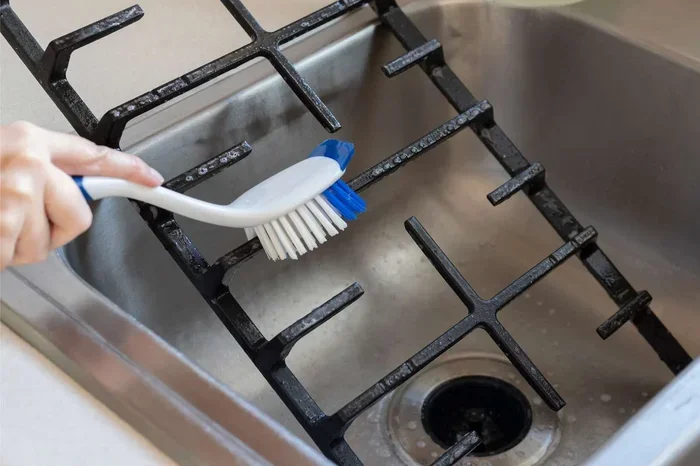
How To Clean Oven Top Grates With Simple Household Tips
Keeping your oven top grates clean is simpler than you think. You do not need expensive chemical cleaners to remove tough grease and baked-on grime. This guide shares easy household methods using baking soda, vinegar, dish soap, and ammonia to restore your oven grates to like-new condition. You will learn proven soak techniques, scrub strategies, and prevention tips that save time and money.
Every home cook knows the struggle. You pull out your oven top grates and they look like they survived a grease fire. Black, sticky, caked-on grime covers every wire and bar. The thought of scrubbing them for hours makes you want to give up and buy new ones.
Here is the good news. You do not need harsh chemical sprays or a power washer to get oven top grates sparkling clean. Common household items like baking soda, white vinegar, and dish soap work incredibly well. These simple cleaning solutions cut through grease and baked-on food without costing you a fortune.
In this guide, we walk you through every method step by step. Whether your grates need a light wipe-down or a deep grease removal treatment, you will find the right approach. We also share prevention tips so your oven parts stay cleaner longer. Let us get those grates looking brand new.
Key Takeaways
- Baking soda paste is the #1 household solution for breaking down stubborn grease on oven top grates without harsh chemicals.
- Soaking grates in hot soapy water or ammonia loosens baked-on grime and makes scrubbing much easier.
- Vinegar and dish soap create a powerful cleaning combo that tackles light to moderate grease buildup effectively.
- Regular maintenance after each use prevents heavy grease buildup and keeps oven grates looking clean longer.
- Avoid steel wool and abrasive pads on porcelain-coated grates to prevent scratching and damage.
- Dishwasher-safe oven grates can be cleaned conveniently, but hand washing gives better results for tough stains.
- Always cool grates completely before cleaning to avoid burns and ensure safe handling during the cleaning process.
📑 Table of Contents
- Why Cleaning Oven Top Grates Matters
- What You Need Before You Start
- Method 1: The Baking Soda Soak
- Method 2: The Vinegar and Dish Soap Spray
- Method 3: The Ammonia Fume Method
- Comparing Cleaning Methods Side by Side
- How to Clean Different Types of Oven Grates
- Common Mistakes to Avoid When Cleaning Oven Grates
- Preventing Grease Buildup on Oven Top Grates
- When to Replace Oven Top Grates
- Conclusion
Why Cleaning Oven Top Grates Matters
Many people overlook oven top grates when cleaning the kitchen. They focus on the oven interior but forget the grates sitting on top. This is a mistake. Dirty grates affect more than just how your kitchen looks.
Health and Cooking Performance
Grease buildup on oven grates attracts bacteria and pests. Old food particles stuck on grates can smoke during cooking. This creates unpleasant odors and even affects the taste of your food. Clean grates also allow heat to circulate properly, so your food cooks more evenly.
Extending the Life of Your Oven
Built-up grease can cause corrosion over time. It damages the metal surface of oven grates and makes them weaker. Regular cleaning of oven grates helps them last for years instead of needing replacement. This saves you money and keeps your oven running at its best.
What You Need Before You Start
Before diving into any cleaning method, gather your supplies. Having everything ready makes the process faster and smoother. You do not need anything fancy. Most items are already in your kitchen or under the sink.
Essential Cleaning Supplies
- Dish soap — any brand works for cutting grease
- Baking soda — a natural abrasive and deodorizer
- White vinegar — helps dissolve grease and mineral deposits
- Hot water — the hotter the better for soaking
- Soft sponge or scrub brush — for gentle but effective scrubbing
- Old toothbrush — perfect for reaching tight spots on grates
- Rubber gloves — keeps your hands protected and clean
- Dry towel or paper towels — for drying grates after cleaning
Optional but Helpful Items
- Ammonia — powerful for heavy grease buildup
- Hydrogen peroxide — adds extra cleaning power to baking soda paste
- Plastic scraper — removes large chunks of hardened grease safely
- Spray bottle — for applying vinegar solutions evenly
Method 1: The Baking Soda Soak
This is the most popular household method for cleaning oven top grates. Baking soda is a gentle abrasive that breaks down grease without scratching metal surfaces. It also neutralizes odors, which is a bonus for kitchen cleaning.
Step-by-Step Instructions
Start by removing the oven top grates from the oven. Make sure they are completely cool before you touch them. Place them in a large sink or bathtub where you have plenty of space to work.
Fill the sink or basin with the hottest water you can comfortably handle. Add two to three tablespoons of dish soap and stir until suds form. Drop the grates into the water and make sure they are fully submerged.
Now add half a cup of baking soda directly into the water. Stir it around so the powder dissolves and coats the grates. Let the grates soak for at least four hours. For heavily greasy grates, overnight soaking works best.
After soaking, pull out one grate and test it. The grease should be soft and easy to remove. Use a soft sponge to scrub away the loosened grime. An old toothbrush works great for the spaces between the wires. Rinse the grate under hot water and check your progress.
If any grease remains, make a thick paste of baking soda and water. Apply it directly to the stubborn spots and let it sit for fifteen minutes. Scrub again with your sponge or brush. The paste acts as a gentle abrasive that lifts remaining grime without damaging the metal.
Quick Tips for Better Results
- Use the hottest water possible for soaking. Hot water dissolves grease faster than warm water.
- Do not skip the soaking step. Trying to scrub dry grates takes three times as long.
- Flip the grates halfway through soaking so both sides get equal treatment.
- For extra cleaning power, add a cup of white vinegar to the soak water.
Method 2: The Vinegar and Dish Soap Spray
This method works best for oven grates with light to moderate grease buildup. It is quick, requires minimal effort, and uses ingredients you probably already have in your pantry. The combination of vinegar and dish soap creates a cleaning solution that cuts through grease effectively.
How to Apply This Method
Start by mixing equal parts white vinegar and warm water in a spray bottle. Add a few drops of dish soap and shake the bottle gently to combine. The mixture will create a light foam that clings to the surface of the grates.
Place the oven top grates on a protected surface like an old towel or inside a large trash bag. Spray the vinegar solution generously over all surfaces of each grate. Let it sit for twenty to thirty minutes. The acid in the vinegar breaks down grease while the dish soap lifts it away.
After the waiting period, take a damp sponge and wipe down each grate. Most of the grease should come off easily. For any remaining sticky spots, sprinkle a little baking soda directly on the area and scrub gently with a toothbrush. Rinse thoroughly with clean water.
Dry the grates completely with a clean towel before placing them back in the oven. This prevents rust and keeps the metal surface in good condition. Drying also removes any vinegar smell that might linger.
Method 3: The Ammonia Fume Method
When oven top grates have heavy, baked-on grease that nothing else can touch, ammonia is the heavy hitter. This method uses ammonia fumes to loosen tough grime without harsh scrubbing. It works wonders on grates that have not been cleaned in months or even years.
Safety First
Before using ammonia, make sure you have good ventilation. Open windows and turn on a fan. Never mix ammonia with bleach or any other chemical cleaner. This creates dangerous fumes that can harm you seriously. Always wear rubber gloves when handling ammonia.
Step-by-Step Process
Place your oven top grates inside a large plastic bag or a sealed garbage bag. You need a container that can hold the grates and trap fumes. Add about half a cup of ammonia to the bottom of the bag. Do not pour ammonia directly on the grates.
Seal the bag tightly and place it in a well-ventilated area like a garage or outdoors. Let the bag sit for twelve to twenty-four hours. The ammonia fumes penetrate the hardened grease and break it down from the inside.
After the waiting period, carefully remove the grates from the bag. You will notice the grease is now soft and easy to remove. Wear gloves and use a sponge or plastic scraper to wipe away the loosened grime. Rinse the grates thoroughly with hot water and dish soap.
For any remaining residue, apply a baking soda paste and scrub gently. Rinse and dry completely before reinstalling the grates in your oven.
Comparing Cleaning Methods Side by Side
Not all cleaning methods work the same way for every situation. Some methods are better for light cleaning, while others handle heavy-duty grease removal. The table below helps you choose the right approach based on how dirty your oven top grates are.
| Cleaning Method | Best For | Time Required | Effort Level | Cost |
|---|---|---|---|---|
| Baking Soda Soak | Moderate grease buildup | 4-8 hours (including soak) | Low to Medium | Very Low |
| Vinegar and Dish Soap Spray | Light grease and regular maintenance | 30-45 minutes | Low | Very Low |
| Ammonia Fume Method | Heavy baked-on grease | 12-24 hours (including soak) | Very Low | Low |
| Dishwasher Cleaning | Light to moderate grease | 1-2 hours (cycle time) | Very Low | Low (uses water/electricity) |
| Commercial Oven Cleaner | Extreme grease buildup | 15-30 minutes active | Medium | Moderate |
The baking soda soak and ammonia fume method are the best options for most households. They use affordable, non-toxic ingredients that are safe for your family. Commercial oven cleaners work fast but contain strong chemicals that require careful handling. For everyday maintenance, the vinegar and dish soap spray is your go-to solution.
How to Clean Different Types of Oven Grates
Not all oven top grates are the same. The material and coating on your grates determine which cleaning methods are safe to use. Using the wrong technique can damage the surface or remove protective coatings.
Porcelain-Coated Grates
Many modern ovens come with porcelain-coated grates. These have a smooth, white or enamel finish that looks elegant but can chip if you scrub too hard. Always use soft sponges or cloths on porcelain-coated grates. Avoid steel wool, abrasive pads, and harsh scouring powders.
Baking soda paste is safe for porcelain surfaces because it is gentle enough not to scratch. The vinegar and dish soap method also works well. Just be sure to rinse thoroughly so no soap residue remains on the coated surface.
Chrome-Plated Grates
Chrome-plated grates are common in older oven models. They are durable but can develop spots or discoloration over time. The baking soda soak method works great for chrome-plated grates. You can also use a soft steel wool pad for stubborn spots, but only use it gently.
After cleaning chrome grates, dry them immediately to prevent water spots. A light coat of cooking oil on the surface after drying helps protect the chrome and keeps it looking shiny.
Cast Iron Grates
Some ovens have cast iron grates, especially in older models or certain brands. Cast iron requires special care because it can rust if not dried properly. Never soak cast iron grates for extended periods. Use the vinegar and dish soap spray for quick cleaning instead of long soaks.
After washing cast iron grates, dry them completely with a towel and place them on a warm stove burner for a few minutes. This removes all moisture and prevents rust. A light seasoning with cooking oil after drying helps maintain the grate’s surface.
Common Mistakes to Avoid When Cleaning Oven Grates
Even with the best intentions, people make mistakes when cleaning oven top grates. These errors can damage the grates, waste your time, or even create safety hazards. Knowing what to avoid makes the whole process smoother and more effective.
Using Abrasive Cleaners on Coated Grates
One of the biggest mistakes is using harsh scouring pads or abrasive cleaners on porcelain or coated grates. These scratch the surface and remove the protective coating. Once the coating is damaged, the metal underneath is exposed to rust and heat damage. Stick to soft sponges and gentle cleaning solutions.
Skipping the Soaking Step
Many people try to scrub dry grates right away. This is exhausting and ineffective. Soaking loosens the hardened grease and makes scrubbing much easier. Skipping this step means you will spend twice as long scrubbing with half the results.
Using Too Much Ammonia
More ammonia does not mean better cleaning. Using too much creates fumes that are unnecessary and potentially harmful. Stick to the recommended amount and let the fumes do the work. A little goes a long way with ammonia cleaning.
Not Drying Grates After Cleaning
Wet grates left out in the open air develop rust quickly, especially on chrome and cast iron surfaces. Always dry grates thoroughly after cleaning. Use a clean towel and let them air dry for a few minutes before storing or reinstalling them.
Forgetting to Clean the Oven Interior
While you have the grates out, take a moment to clean the oven interior as well. Drip pans and oven floors collect the same grease and food debris. Cleaning everything at once saves time and keeps your entire oven in top condition.
Preventing Grease Buildup on Oven Top Grates
Cleaning oven top grates is much easier when you prevent heavy buildup in the first place. A few simple habits after each cooking session can keep your grates looking clean and reduce the need for deep cleaning treatments.
Wipe Down After Every Use
After cooking, let the grates cool slightly but not completely. While they are still warm, wipe them down with a damp cloth or paper towel. This removes surface grease before it has a chance to harden and bond with the metal. It takes less than two minutes and makes a huge difference over time.
Use Parchment Paper or Silicone Mats
Placing parchment paper or a silicone baking mat on the oven floor catches drips and spills before they reach the grates. This simple trick reduces grease buildup significantly. Just make sure the paper or mat does not touch the heating elements or block airflow.
Cook at Lower Temperatures When Possible
High temperatures cause grease to splatter and bake onto surfaces more aggressively. When your recipe allows, cook at lower temperatures to reduce splatter. This is especially helpful when cooking fatty meats or greasy foods like bacon and sausage.
Clean Spills Immediately
If you notice a spill inside the oven while cooking, wait until the food cools enough to handle safely, then wipe it up. Fresh spills are much easier to clean than baked-on messes. This habit keeps both the oven interior and the grates cleaner between deep cleanings.
When to Replace Oven Top Grates
Even with the best cleaning routine, oven top grates eventually wear out. Knowing when to replace them saves you from uneven cooking and potential safety issues. Here are signs that your grates need replacing.
- Visible rust that does not come off — surface rust can sometimes be cleaned, but deep rust weakens the metal structure.
- Warped or bent grates — grates that no longer sit flat cause uneven cooking and hot spots.
- Chipped or flaking porcelain coating — damaged coatings expose the underlying metal to heat and moisture, accelerating deterioration.
- Greasy residue that will not come off — if thorough cleaning does not remove the built-up grease, the grates may be too far gone.
- Cracks or breaks in the metal — damaged grates are a safety hazard and should be replaced immediately.
Replacement grates are usually affordable and easy to find. Check your oven model number online or contact the manufacturer to order the correct replacement parts. Installing new grates takes just a few minutes and instantly improves your oven’s performance.
Conclusion
Cleaning oven top grates does not have to be a dreaded chore. With the right household ingredients and a little patience, you can restore even the dirtiest grates to their original shine. The baking soda soak method is perfect for most situations and uses items you already have at home. For lighter cleaning, the vinegar and dish soap spray takes just minutes. And for truly tough grease, the ammonia fume method delivers powerful results without hard physical labor.
Remember that prevention is the best strategy. Wiping down grates after each use and cleaning up spills right away keeps grease from building up in the first place. Regular maintenance means less deep cleaning and more time enjoying home-cooked meals.
Now that you know how to clean oven top grates with simple household tips, you have everything you need to tackle the job with confidence. Pick the method that fits your situation, gather your supplies, and get started. Your oven grates will thank you, and your kitchen will smell fresh and clean again.
Frequently Asked Questions
Can I clean oven top grates in the dishwasher?
Yes, many oven grates are dishwasher safe. However, dishwashers may not remove heavy grease buildup as effectively as hand soaking methods. If your grates have moderate grease, the dishwasher works well for regular maintenance. For tough, baked-on grime, hand cleaning with baking soda or ammonia gives better results.
How often should I clean my oven top grates?
A deep cleaning every three to four months is ideal for most households. If you cook frequently or prepare greasy foods often, consider cleaning them every two months. Wiping down the grates after each use helps maintain cleanliness between deep cleaning sessions.
Is it safe to use oven cleaner on oven top grates?
Commercial oven cleaners work well on oven grates but contain harsh chemicals. Always follow the product instructions and use gloves and ventilation. For a safer alternative, household methods like baking soda soaks and vinegar sprays are effective and non-toxic. These options work great for most grease levels.
Can I use steel wool to scrub oven top grates?
Steel wool is safe for bare metal grates but should be avoided on porcelain-coated or chrome-plated grates. Abrasive pads scratch coated surfaces and remove protective layers. Use a soft toothbrush or non-abrasive sponge instead for coated grates to keep them looking good and functioning well.
What is the best way to remove baked-on grease from oven grates?
The ammonia fume method is the most effective for baked-on grease. Place grates in a sealed bag with ammonia fumes for twelve to twenty-four hours. The fumes loosen the hardened grease without scrubbing. Follow up with a baking soda paste for any remaining spots, then rinse and dry thoroughly.
How do I prevent rust on oven top grates after cleaning?
Dry grates completely after every cleaning session. For chrome and cast iron grates, apply a thin layer of cooking oil after drying to protect the surface. Store grates in a dry area and avoid leaving them wet in the sink. These simple steps prevent rust and extend the life of your oven grates significantly.