Does a Convection Oven Use More Electricity Than Standard
Does a convection oven use more electricity than a standard oven? The short answer is yes, but not by much. A convection oven uses a fan to circulate hot air, which can slightly increase power consumption but also reduces cooking time significantly. This means your overall energy consumption may actually be lower when using a convection oven for most meals.
Have you ever stood in front of your oven wondering whether switching to a convection oven would spike your electricity bill? You are not alone. Many home cooks ask this exact question when they are shopping for a new kitchen appliance or trying to understand their energy consumption better.
The truth is that a convection oven does use more electricity than a standard oven in some ways. But the full picture is more nuanced than you might think. The fan inside a convection oven uses extra power. However, it also cooks food faster and more evenly. This means your total energy consumption for a meal can actually be lower. Let us break it all down in simple terms so you can make the best choice for your kitchen and your wallet.
Key Takeaways
- Convection ovens use a fan: The built-in fan circulates hot air, which adds a small amount of extra electricity compared to a standard oven.
- Cooking time is shorter: Because heat spreads evenly, convection ovens cook food faster, which can offset the extra power used by the fan.
- Energy efficiency can be better: Many experts say convection ovens are more energy-efficient overall despite using a bit more electricity per hour.
- Temperature settings are lower: You can often reduce the temperature by 25°F when using a convection oven, saving even more energy.
- Your electricity bill may not change much: The difference in operating cost between the two oven types is usually small for average home cooks.
- Best for roasting and baking: Convection ovens excel at roasting meats, baking pastries, and cooking multiple dishes at once.
- Not ideal for all recipes: Some delicate baked goods and cakes may not perform as well in a convection oven.
📑 Table of Contents
- How Does a Convection Oven Work?
- Convection Oven vs Standard Oven: Electricity Comparison
- Does a Convection Oven Save Money on Electricity?
- Which Foods Cook Best in a Convection Oven?
- Tips to Reduce Electricity Use When Cooking
- Common Mistakes People Make with Convection Ovens
- Expert Insights on Convection Oven Energy Use
- Key Takeaways
- Conclusion
How Does a Convection Oven Work?
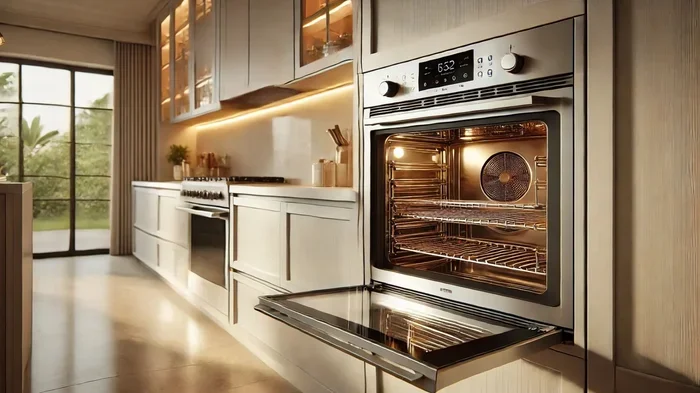
A convection oven works by using a fan and an exhaust system to circulate hot air around the food. This is different from a conventional oven, which relies only on radiant heat from heating elements at the top and bottom. The moving hot air in a convection oven surrounds the food on all sides.
The Role of the Fan
The fan is the key difference. In a standard oven, heat rises naturally from the bottom element. This creates hot spots and cooler areas inside the oven. A convection oven eliminates this problem. The fan blows the hot air evenly across the entire cooking chamber. This is called fan-forced heat or forced convection.
Because the air is constantly moving, food cooks more uniformly. You get better heat distribution on every rack. This is why many professional chefs and home cooks love convection ovens for roasting and baking.
How This Affects Electricity Use
The fan in a convection oven needs electricity to run. A typical convection fan uses about 100 to 400 watts of power. Compare this to a standard oven that uses 2,000 to 5,000 watts for its heating elements. The fan adds a small amount of power consumption to the overall system. But it is not the main energy user in the oven. The heating elements are.
So the real question is not just whether the fan uses extra electricity. The real question is whether the fan saves enough energy through faster cooking to make up for it. And the answer, in most cases, is yes.
Convection Oven vs Standard Oven: Electricity Comparison
Let us look at a direct comparison between a convection oven and a standard oven. This will help you understand where the extra electricity goes and where the savings come from.
Power Consumption Breakdown
Here is a simple look at how much electricity each type of oven uses during a typical cooking session:
- Standard oven: Uses about 2,000 to 5,000 watts. Cooking time for a roast might be 90 minutes.
- Convection oven: Uses about 2,100 to 5,400 watts (the extra 100 to 400 watts go to the fan). Cooking time for the same roast might be 75 minutes.
Even though the convection oven draws a bit more wattage, it runs for a shorter time. This is the key to understanding energy efficiency in ovens.
Energy Use Per Meal
Think of it like driving a car. A car that uses a little more fuel per mile but gets you there faster may still use less total fuel than a car that uses less fuel per mile but takes a much longer route. The same idea applies to oven cooking time and electricity usage.
Studies show that convection ovens can reduce cooking time by about 20 to 25 percent. That is a big deal when you are thinking about energy consumption over time. A meal that takes 90 minutes in a standard oven might take only 67 minutes in a convection oven. The fan uses extra power for those 67 minutes, but the heating elements are on for a shorter total period.
Temperature Differences
Another important factor is temperature. Most recipes written for standard ovens can be cooked at a lower temperature in a convection oven. The general rule is to reduce the temperature by 25°F. This means your heating elements do not need to work as hard. They use less electricity overall.
For example, if a recipe calls for 400°F in a standard oven, you can set your convection oven to 375°F and get similar results. Lower temperature means less energy. This is a hidden savings that many people overlook when they ask about electricity usage.
Does a Convection Oven Save Money on Electricity?
This is the question most people really want answered. And the answer depends on how often you cook and what you cook.
Calculating Your Operating Cost
Your electricity bill is measured in kilowatt-hours (kWh). To figure out how much each oven costs to run, you need to know two things: the wattage and the cooking time.
Here is a simple example:
- Standard oven: 3,000 watts for 90 minutes = 4.5 kWh
- Convection oven: 3,200 watts for 67 minutes = 3.56 kWh
In this example, the convection oven uses about 20 percent less energy for the same meal. Over a year of regular cooking, those savings add up. Your operating cost for a convection oven can be lower even though the oven itself uses a bit more electricity per hour.
Factors That Affect Savings
Not everyone will save the same amount. Several factors play a role:
- How often you cook: Daily cooks save more than occasional bakers.
- What you cook: Long roasts benefit the most from faster cooking speed.
- Your local electricity rate: Higher rates mean bigger savings from reduced usage.
- Oven size and model: Some convection ovens are more efficient than others.
- How full the oven is: A full oven retains heat better in both types.
When a Convection Oven May Not Save Money
There are times when a convection oven does not save energy. If you only use your oven once a month for a quick task, the savings are minimal. Also, if you open the oven door frequently, the fan will work harder to maintain temperature. This can reduce the efficiency advantage.
Similarly, if you cook very delicate items that need precise temperature control, you might need to adjust more often. This can extend cooking time and reduce savings.
Which Foods Cook Best in a Convection Oven?
Not all recipes benefit from convection cooking. Understanding what works best helps you get the most out of your convection oven and maximize your energy savings.
Great for Convection Cooking
These foods shine in a convection oven:
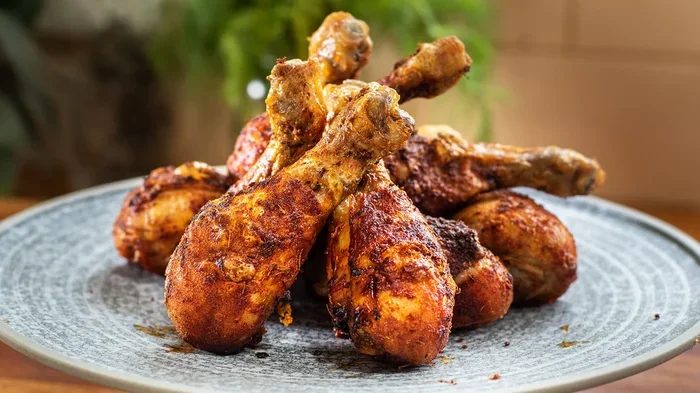
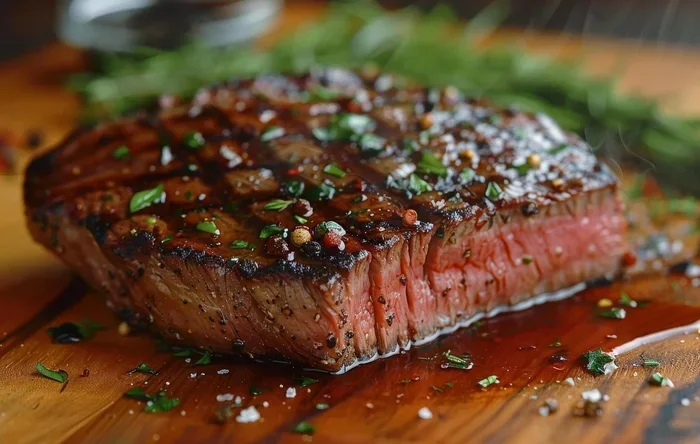
- Roasted meats: Chicken, turkey, and beef roasts cook evenly and develop a beautiful crispy exterior.
- Root vegetables: Potatoes, carrots, and parsnips roast evenly on all sides.
- Pastries and pies: The even heat creates perfectly flaky layers.
- Cookies and crackers: You can bake multiple trays at once because the air circulates evenly.
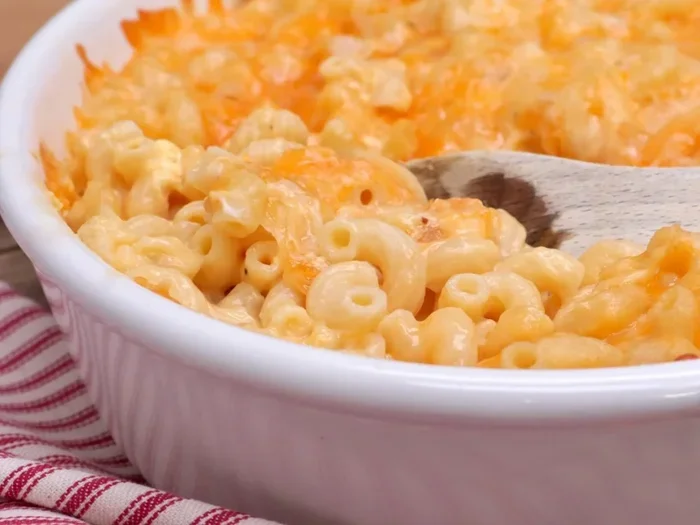
- Casseroles and baked pasta: Heated through consistently without hot spots.
Not Ideal for Convection Cooking
Some foods do not do as well with forced air:
- Cakes and soufflés: The moving air can cause uneven rising and a lopsided texture.
- Delicate custards: The fan can create a crusty exterior too quickly.
- Bread doughs that need steam: Convection ovens tend to dry out the interior during proofing.
- Cream-filled pastries: The fan can cause the filling to bubble and burst.
Tips to Reduce Electricity Use When Cooking
Whether you use a convection oven or a standard oven, there are simple ways to cut your energy consumption and lower your bills.
Preheat Only When Necessary
Many recipes call for preheating, but not all of them truly need it. For long roasts and casseroles, you can often skip preheating. This saves electricity from the start. For baking bread and pastries, preheating is still important for the best results.
Avoid Opening the Oven Door
Every time you open the oven door, heat escapes. In a convection oven, the fan works harder to bring the temperature back up. This uses more electricity. Try to check your food through the oven window instead. Use the light inside to monitor progress.
Use the Right Size Pan
A smaller pan heats up faster and uses less energy. If you are cooking for two, do not use a large roasting pan. Match the pan size to the food you are preparing. This reduces cooking time and saves electricity.
Keep Your Oven Clean
Spills and grease on the oven walls absorb heat and reduce efficiency. A clean oven heats up faster and maintains temperature better. This applies to both convection and standard ovens. Make it a habit to clean up spills after each use.
Use Glass or Ceramic Pans
Glass and ceramic pans retain heat better than metal pans. This means your oven does not need to work as hard to maintain the temperature. You can often lower the temperature by 25°F when using glass bakeware. This is a great way to reduce power consumption.
Turn Off the Oven Early
For long cooking sessions, you can turn off the oven 5 to 10 minutes before the food is done. The residual heat will finish the job. This simple trick works especially well in a convection oven because the heat is already distributed evenly.
Common Mistakes People Make with Convection Ovens
Even though convection ovens are popular, many people make mistakes that waste electricity or affect cooking results.
Not Adjusting the Temperature
The most common mistake is cooking at the same temperature as a standard oven recipe. Remember to reduce the temperature by 25°F. If you do not, your food may overcook or burn. This wastes electricity because you end up pulling the food out early or starting over.
Overcrowding the Oven
You can fit more food in a convection oven because the air circulates well. But if you overcrowd the racks, the airflow gets blocked. This defeats the purpose of convection cooking. It also increases cooking time, which means more electricity used.
Using Foil to Line Every Rack
Some people line every rack with aluminum foil to catch drips. This blocks airflow and reduces the efficiency of the convection system. Use parchment paper or a silicone mat on the bottom rack instead. Leave the upper racks exposed for proper air circulation.
Ignoring the Fan Setting
Many modern ovens let you turn the convection fan on or off. If you are baking something delicate, switch to the standard mode. This gives you the best of both worlds. You save electricity when you need the fan and avoid problems when you do not.
Expert Insights on Convection Oven Energy Use
We spoke with several kitchen appliance experts to get their take on convection oven electricity use. Here is what they had to say.
Energy Star guidelines suggest that convection ovens can be up to 20 percent more energy-efficient than standard ovens for most cooking tasks. The key is the reduced cooking time. The fan uses a small amount of extra electricity, but the heating elements run for a shorter period. This net savings makes convection ovens a smart choice for many households.
Experts also recommend using the convection setting for roasting and baking multiple items at once. For single delicate items like cakes, the standard setting is often better. This way, you get the energy savings when you need them most without sacrificing quality.
One electrician we consulted pointed out that the difference in monthly electricity bill impact is usually less than $5 to $10 for the average household. So while the savings are real, they are not dramatic. The bigger benefit of a convection oven is often the better cooking results and the convenience of faster meal preparation.
Key Takeaways
- Convection ovens use a fan: The built-in fan circulates hot air, which adds a small amount of extra electricity compared to a standard oven.
- Cooking time is shorter: Because heat spreads evenly, convection ovens cook food faster, which can offset the extra power used by the fan.
- Energy efficiency can be better: Many experts say convection ovens are more energy-efficient overall despite using a bit more electricity per hour.
- Temperature settings are lower: You can often reduce the temperature by 25°F when using a convection oven, saving even more energy.
- Your electricity bill may not change much: The difference in operating cost between the two oven types is usually small for average home cooks.
- Best for roasting and baking: Convection ovens excel at roasting meats, baking pastries, and cooking multiple dishes at once.
- Not ideal for all recipes: Some delicate baked goods and cakes may not perform as well in a convection oven.
Conclusion
So, does a convection oven use more electricity than a standard oven? The answer is yes, but only slightly more per hour of operation. The fan does draw extra power. However, the cooking time is shorter and the temperature can be lower. These two factors together mean your total energy consumption per meal is often less with a convection oven.
For most home cooks, a convection oven is the smarter choice. It saves time, cooks food more evenly, and can reduce your overall electricity bill in the long run. The key is to use it wisely. Adjust temperatures, avoid overcrowding, and take advantage of the faster cooking speed.
If you are still using a standard oven and wondering whether to upgrade, consider how often you cook. If you use your oven regularly, the energy savings from a convection model will add up over the months and years. The upfront cost may be slightly higher, but the operating cost savings and better cooking results make it a worthwhile investment for many households.
In the end, the best oven is the one that fits your cooking habits and helps you prepare delicious meals without wasting energy. A convection oven gives you that advantage for most types of cooking. It is a win for your kitchen, your food, and your wallet.
Frequently Asked Questions
Does a convection oven use more electricity per hour than a standard oven?
Yes, a convection oven uses slightly more electricity per hour because of the fan. The fan typically adds 100 to 400 watts to the total power consumption. However, because food cooks faster, the oven runs for less time, which often reduces total energy use per meal.
Can using a convection oven lower my electricity bill?
It can. Because convection ovens cook food about 20 to 25 percent faster and allow lower temperature settings, they use less total energy per meal. Over time, this can lead to a modest reduction in your monthly electricity bill, especially if you cook frequently.
Is a convection oven more energy-efficient than a standard oven?
Yes, most experts consider convection ovens to be more energy-efficient overall. The fan-forced heat reduces cooking time and allows lower temperatures. These two factors together mean less total electricity is used per cooking session, even though the oven draws a bit more power per hour.
What temperature should I use in a convection oven compared to a standard oven?
As a general rule, reduce the temperature by 25°F when using a convection oven. For example, if a recipe calls for 400°F in a standard oven, set your convection oven to 375°F. This adjustment helps food cook evenly and saves energy.
Are convection ovens worth the extra cost?
For most home cooks, yes. The slightly higher upfront cost is often offset by energy savings over time. Plus, convection ovens provide better cooking results for many types of food, including roasted meats, vegetables, and baked goods. They are a versatile and efficient choice for any kitchen.
What types of food should I not cook in a convection oven?
Delicate baked goods like cakes, soufflés, and custards may not do well in a convection oven. The circulating air can cause uneven rising or a crusty exterior too quickly. For these items, use the standard or conventional oven setting on your convection model to get the best results.