Cooking Lobster Tails in the Oven Made Easy and Delicious
Cooking lobster tails in the oven is one of the simplest ways to enjoy this luxurious seafood at home. With the right oven temperature, seasoning, and timing, you can achieve restaurant-quality results in under 20 minutes. This guide covers everything from splitting and preparing tails to baking, broiling, and serving them perfectly. You will learn easy lobster tail recipes, common mistakes to avoid, and expert tips that guarantee tender, juicy meat every time.
There is something special about cooking lobster tails in oven at home. It feels elegant, tastes incredible, and yet it is surprisingly simple. You do not need a fancy kitchen or years of experience. With just a few ingredients and a hot oven, you can create a dish that feels like it came straight from a seaside restaurant.
Lobster tails are one of the most popular seafood choices for special occasions and weeknight dinners alike. They cook fast, pair well with almost anything, and look stunning on a plate. Whether you are feeding two people or hosting a dinner party, baked lobster tails always impress.
The beauty of oven-baked lobster is that you do not need to stand over a hot stove or monitor a pot of boiling water. You prep the tails, pop them in the oven, and let the heat do the work. This article will walk you through every step, from choosing the right tails at the store to pulling them out of the oven perfectly cooked.
Key Takeaways
- Oven temperature matters: Baking at 400°F to 425°F gives the best balance of crispy tops and juicy meat.
- Splitting is essential: Always cut the top shell and pull the meat up for even cooking and better seasoning absorption.
- Butter makes everything better: A garlic butter baste keeps lobster tails moist and adds incredible flavor.
- Timing is short: Most lobster tails cook in 12 to 18 minutes depending on size, so watch them closely.
- Avoid overcooking: The biggest mistake is cooking too long, which turns tender meat rubbery and dry.
- Rest before serving: Let the tails rest for a few minutes after baking for juicier results.
- Simple seasoning works best: Butter, garlic, lemon, and herbs are all you need for a perfect lobster tail recipe.
📑 Table of Contents
- Why Cook Lobster Tails in the Oven?
- How to Prepare Lobster Tails for Baking
- Best Oven Temperature and Cooking Time
- Delicious Butter and Seasoning Variations
- Common Mistakes to Avoid
- Serving Suggestions and Pairings
- Expert Tips for Perfect Lobster Tails Every Time
- Comparison: Oven-Baked vs. Other Cooking Methods
- Frequently Asked Questions
- Final Thoughts
Why Cook Lobster Tails in the Oven?
You might wonder why the oven is the best method for lobster tails in the oven. After all, you can boil them, steam them, or even grill them. Each method has its merits, but oven baking offers advantages that are hard to beat.
Even Heat, Even Cooking
An oven surrounds the lobster tail with consistent heat from all sides. This means the meat cooks evenly from edge to center. There are no hot spots or cold zones that can leave part of the tail undercooked while another part turns rubbery.
Hands-Off Cooking
Once your lobster tails are in the oven, you are free to prepare sides, set the table, or mix a drink. Unlike boiling, where you need to watch a pot and drain water, oven baking lets you multitask. This makes it ideal for entertaining guests or cooking a full meal.
Better Texture and Flavor
When you bake lobster tails, the top gets slightly caramelized and crispy, especially if you use a butter glaze. The inside stays tender and juicy. Boiled lobster can sometimes taste a bit bland by comparison. Oven baking allows the natural sweetness of the lobster to shine through with added flavor from butter, garlic, and herbs.
Easy to Customize
Oven baking gives you total control over the flavor profile. Want a classic garlic butter? Done. Prefer a lemon herb crust? Easy. Like a little heat with chili flakes? That works too. The oven method adapts to any taste preference without extra effort.
How to Prepare Lobster Tails for Baking
Proper preparation is the secret to perfect lobster tail preparation. Skipping this step can lead to uneven cooking or chewy meat. Take a few extra minutes here, and your results will be dramatically better.
Choosing the Right Lobster Tails
Not all lobster tails are created equal. When shopping, look for tails that are fresh or frozen without freezer burn. The size matters too. Small tails under four ounces cook in about 8 to 10 minutes. Medium tails between five and eight ounces need 12 to 15 minutes. Large tails over eight ounces may take 15 to 20 minutes. Always check the lobster tail cooking time based on weight before you start.
Thawing Frozen Tails
If you buy frozen lobster tails, thaw them properly before baking. The best method is to place them in the refrigerator overnight. If you are short on time, seal them in a plastic bag and submerge in cold water for about 30 minutes. Never use warm water or a microwave, as this can partially cook the meat and ruin the texture.
Splitting the Shell
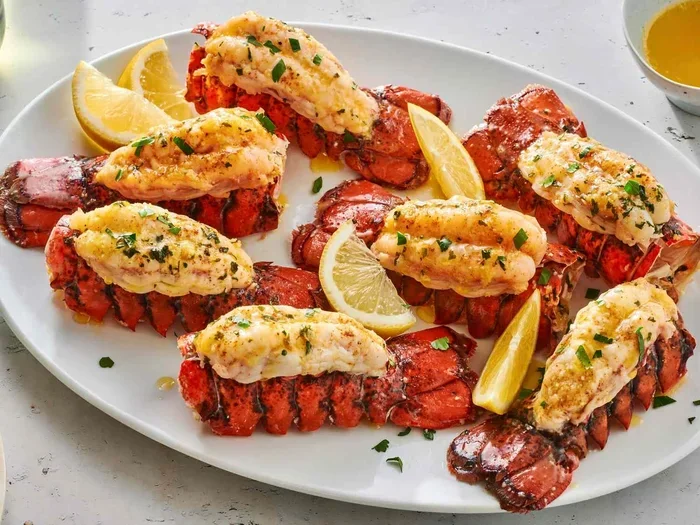
This is the most important step for how to cook lobster tails in the oven. Use kitchen scissors to cut along the top of the shell lengthwise. Cut through the shell but try not to cut into the meat. Once split, gently pull the meat up and over the shell so it rests on top. This exposes more surface area to the heat and allows seasoning to reach the meat directly.
Seasoning Your Lobster Tails
Keep it simple for the best results. Melt some butter and mix in minced garlic, a squeeze of lemon juice, and a pinch of salt and pepper. Brush this mixture generously over the exposed meat. You can also add dried herbs like parsley, dill, or paprika for extra flavor. The lobster tail seasoning does not need to be complicated. Butter, garlic, and lemon are all you truly need.
Best Oven Temperature and Cooking Time
Getting the oven temperature for lobster right is the single most important factor in your success. Too low and the meat dries out. Too high and the top burns before the inside is cooked through.
Recommended Temperature
Preheat your oven to 425°F for the best results. This high heat quickly sears the top of the lobster while cooking the inside gently. If you prefer a more gentle approach, 400°F also works well and gives you a slightly longer window before the meat dries out.
Cooking Time by Tail Size
The cooking time depends entirely on the size of your tails. Use this simple guide as a starting point:
- Small tails (under 4 oz): 8 to 10 minutes at 425°F
- Medium tails (4 to 8 oz): 12 to 15 minutes at 425°F
- Large tails (over 8 oz): 15 to 20 minutes at 425°F
The lobster is done when the meat turns opaque white and reaches an internal temperature of 140°F to 145°F. Use a meat thermometer inserted into the thickest part of the tail for accuracy. The shell should be bright red and the meat should feel firm but springy when you touch it.
Broiling for a Golden Top
For an extra-crispy, golden finish, switch your oven to the broil setting for the last 1 to 2 minutes of cooking. Watch it closely during this time. The broiler can go from perfectly golden to burnt in seconds. This technique gives your broiled lobster tails a beautiful, restaurant-style appearance.
Delicious Butter and Seasoning Variations
One of the joys of cooking lobster tails in oven is the freedom to experiment with flavors. The base garlic butter recipe is fantastic, but you can easily switch things up. Here are some popular variations that work beautifully in the oven.
Classic Garlic Butter
This is the go-to recipe for a reason. Melt four tablespoons of butter and mix in three cloves of minced garlic, a tablespoon of fresh lemon juice, and a pinch of salt. Brush this over the exposed meat before baking. The result is rich, buttery, and absolutely delicious.
Lemon Herb Butter
Add a teaspoon of dried dill or parsley to your garlic butter base. Include the zest of half a lemon for brightness. This variation pairs beautifully with asparagus or roasted vegetables on the side.
Spicy Chili Lime
For those who like a kick, mix a teaspoon of chili flakes and a teaspoon of lime zest into the butter. This adds a vibrant, zesty heat that complements the sweetness of the lobster meat perfectly.
Parmesan Crust
For a more indulgent option, mix grated Parmesan cheese with a little olive oil and breadcrumbs. Spread this mixture over the butter-coated meat during the last five minutes of baking. You will get a crispy, savory crust that takes your lobster tail recipe to the next level.
Common Mistakes to Avoid
Even experienced home cooks make mistakes when preparing baked lobster tails. Knowing what to avoid saves you from tough, dry, or undercooked results.
Overcooking the Lobster
This is the number one mistake. Lobster meat goes from perfectly tender to dry and rubbery in just a couple of minutes. Set a timer, check the internal temperature, and pull the tails out as soon as they reach 140°F to 145°F. Remember that the meat continues to cook slightly after you remove it from the oven.
Skipping the Split
Baking lobster tails in their whole shell seems easier, but it leads to uneven cooking. The meat at the bottom stays undercooked while the top overcooks. Always split the shell and lay the meat on top for consistent results.
Not Using Enough Butter
Lobster tails are naturally lean and can dry out quickly without enough fat. Do not be shy with the butter. A generous coating keeps the meat moist and carries flavor deep into the flesh.
Opening the Oven Too Often
Every time you open the oven door, heat escapes and the temperature drops. This can extend cooking time and lead to uneven results. Check the lobster only once or twice during baking, and use the oven light to peek inside.
Using Tails That Are Too Small
Tiny lobster tails may seem convenient, but they cook very quickly and are easy to overcook. If you are a beginner, choose medium-sized tails. They are more forgiving and give you a better learning experience.
Serving Suggestions and Pairings
The right sides can turn a simple lobster tail dinner into a memorable meal. Here are some pairing ideas that complement the rich, sweet flavor of oven-baked lobster.
- Risotto: A creamy Parmesan risotto is a classic pairing that soaks up the garlic butter beautifully.
- Roasted Asparagus: Lightly roasted asparagus with olive oil and lemon adds a fresh, earthy contrast.
- Garlic Mashed Potatoes: The ultimate comfort side that pairs with almost any seafood dish.
- Mixed Green Salad: A crisp salad with vinaigrette cuts through the richness of the butter and balances the meal.
- Crusty Bread: Use it to mop up every last drop of garlic butter from the plate. Trust us, you will want to.
For drinks, a crisp white wine like Sauvignon Blanc or Chardonnay pairs wonderfully. If you prefer something non-alcoholic, sparkling water with a squeeze of lemon works just as well to cleanse the palate between bites.
Expert Tips for Perfect Lobster Tails Every Time
Professional chefs share a few tricks that make all the difference when you are baking lobster tails at home. Here are some insights that will elevate your results.
Brine the tails before baking. Soaking lobster tails in a saltwater solution for 30 minutes before cooking helps the meat retain moisture during baking. Use one tablespoon of salt per cup of water. This simple step makes a noticeable difference in texture.
Let the butter come to room temperature. Cold butter does not spread or absorb into the seasoning as well. Take it out of the refrigerator 15 to 20 minutes before you start preparing the tails.
Use a wire rack on your baking sheet. Placing the lobster tails on a wire rack allows hot air to circulate underneath. This prevents the bottom from getting soggy and promotes even cooking on all sides.
Rest the lobster after baking. Let the tails sit for three to five minutes after removing them from the oven. This allows the juices to redistribute throughout the meat, resulting in a more succulent bite.
Save the shells. After you have eaten the meat, toss the shells into a pot with water and simmer for 20 minutes. You will create a flavorful lobster stock that works beautifully in soups, risottos, and sauces.
Comparison: Oven-Baked vs. Other Cooking Methods
There are several ways to prepare lobster tails. Here is how oven baking compares to other popular methods:
| Method | Ease of Preparation | Flavor | Texture | Best For |
|---|---|---|---|---|
| Oven-Baked | Easy | Rich, buttery, caramelized | Tender, slightly crispy top | Home cooking, entertaining |
| Boiled | Very Easy | Clean, mild, slightly briny | Tender, uniform | Quick weeknight meals |
| Steamed | Easy | Clean, sweet, natural | Tender, juicy | Preserving natural flavor |
| Grilled | Moderate | Smoky, charred, bold | Firm, slightly smoky | Outdoor cooking, summer |
| Broiled | Easy | Intense, caramelized | Crispy top, tender inside | Quick finish, small portions |
Each method has its place. But for most home cooks, oven baking strikes the perfect balance between ease, flavor, and presentation. It is forgiving, consistent, and produces stunning results with minimal effort.
Frequently Asked Questions
What is the best temperature to cook lobster tails in the oven?
The best temperature for cooking lobster tails in oven is 425°F. This high heat quickly sears the top while cooking the inside evenly. If you prefer a gentler cook, 400°F works well too. Always preheat your oven before placing the tails inside for consistent results.
How long does it take to bake lobster tails in the oven?
Baking time depends on the size of the tails. Small tails under four ounces take 8 to 10 minutes. Medium tails between four and eight ounces need 12 to 15 minutes. Large tails over eight ounces may require 15 to 20 minutes. The lobster is done when the meat is opaque white and reaches an internal temperature of 140°F to 145°F.
Should I boil lobster tails before putting them in the oven?
No, boiling before baking is not necessary and can lead to overcooked meat. Oven baking alone produces tender, juicy results. The only preparation you need is splitting the shell, seasoning the meat, and placing it in a hot oven. This keeps the cooking process simple and the flavor pure.
How do I know when lobster tails are done?
Look for three signs of doneness. The shell turns bright red, the meat becomes opaque white, and the internal temperature reaches 140°F to 145°F when measured with a meat thermometer. The meat should feel firm but springy when you press it gently. Avoid cutting into the meat to check, as this releases valuable juices.
Can I use frozen lobster tails for oven baking?
Yes, you can use frozen lobster tails, but you must thaw them first. The best method is to place them in the refrigerator overnight. For faster thawing, submerge the sealed tails in cold water for about 30 minutes. Never use warm water or a microwave, as this can damage the texture and partially cook the meat.
What is the best butter for lobster tails?
Unsalted butter gives you the most control over seasoning. You can adjust the salt to your preference. Clarified butter is another excellent option because it has a higher smoke point and a richer, more concentrated flavor. Both work wonderfully for lobster tail butter sauce and garlic butter basting.
Final Thoughts
Cooking lobster tails in the oven is one of the most rewarding things you can do in the kitchen. It is simple, fast, and delivers results that look and taste like a fine dining experience. With the right temperature, a good garlic butter recipe, and attention to timing, you can serve lobster tails that rival any restaurant dish.
Remember to split the shells, season generously, and never walk away from the oven once the timer starts. Lobster tails go from perfect to overcooked quickly, so stay alert and trust your instincts. The more you practice, the more confident you will become.
Start with the classic garlic butter recipe, and once you feel comfortable, experiment with other flavors. Try the lemon herb version for a lighter meal or the Parmesan crust for something indulgent. The possibilities are endless when you master the basics of oven-baked lobster.
Now that you have all the knowledge and tips you need, it is time to put them into action. Grab some fresh or frozen lobster tails, preheat your oven, and get ready to enjoy one of the most delicious seafood dishes you have ever made at home. Your kitchen will smell incredible, and your taste buds will thank you. Happy cooking!