What Can Go In A Toaster Oven Plus Foods You Should Avoid
What can go in a toaster oven? This guide covers safe dishes, cookware, and the best foods to cook. You’ll also learn which foods to avoid for safety and great results.
Wondering what can go in a toaster oven? You might be surprised by how versatile this kitchen appliance really is. A toaster oven can do far more than just toast bread. It can bake, broil, roast, and reheat a wide variety of foods. In this guide, I’ll walk you through the safe options and the foods you should keep far away from the heating elements. Let’s dive into the world of toaster oven cooking.
Many people think a toaster oven is only for breakfast. That’s simply not true. You can cook full meals, bake cookies, and even roast a small chicken. The key is knowing which dishes and materials can handle the heat. Using the wrong items can lead to messes, damage, or even a fire hazard. So let’s break down exactly what belongs inside your toaster oven and what should stay on the counter.
Key Takeaways
- Glass and ceramic dishes are generally safe for toaster ovens as long as they are labeled oven-safe.
- Aluminum foil can be used, but keep it away from the heating elements to prevent sparks.
- Frozen foods like pizza, fries, and chicken nuggets reheat beautifully in a toaster oven.
- Avoid plastic containers, wax paper, and non-oven-safe glass because they can melt or shatter.
- Parchment paper is a great non-stick liner that makes cleanup a breeze.
- Broiling works well for meats and vegetables, but you must watch them closely to prevent burning.
- Always check your manual for manufacturer guidelines on safe materials and maximum temperatures.
📑 Table of Contents
What Can Go In A Toaster Oven: The Basics
Before you start loading up your toaster oven, it helps to understand the basic rules. The appliance uses direct heat from elements at the top and bottom. This means anything you put inside must tolerate high, dry heat. Most toaster ovens reach temperatures between 150°F and 450°F. So your cookware and food need to handle that range.
The good news is that most kitchen staples work perfectly. You can use metal pans, glass bakeware, and ceramic dishes. Just make sure they are labeled oven-safe. If a dish says it is microwave-safe only, do not put it in the toaster oven. Microwave-safe means it can handle microwave radiation, not direct oven heat.
Safe Materials and Cookware
Let’s talk about what you can safely place on the rack or tray. Here are the materials that work well:
- Metal pans and baking sheets – Stainless steel, aluminum, and carbon steel are all great choices. They heat up quickly and distribute heat evenly.
- Glass bakeware – Pyrex and other tempered glass dishes are perfect for baking casseroles or reheating leftovers. Always check that the glass is labeled oven-safe.
- Ceramic plates and bowls – Most ceramic dishes can handle toaster oven temperatures. Just avoid ones with plastic or metallic decorations that might melt or spark.
- Silicone baking mats and molds – These are heat-resistant and make cleanup easy. They are great for baking cookies or roasting vegetables.
- Wire racks – You can place a wire rack inside the oven to elevate food. This allows hot air to circulate all around, giving you crispy results.
Toaster oven safe dishes are the foundation of good cooking. If you are unsure about a dish, do a quick test. Place it empty in the cold oven, then set it to 350°F for 10 minutes. If it stays cool to the touch, it is likely safe. If it gets hot, it is absorbing heat and may be designed for oven use.
Parchment Paper and Aluminum Foil
Parchment paper is a fantastic liner for your toaster oven tray. It prevents food from sticking and makes cleanup a snap. You can place parchment paper on the tray or even line a baking pan. Just remember never to let the paper touch the heating elements. It can ignite if it gets too close to the top or bottom element.
Aluminum foil is another useful tool. You can use it to line the tray for easy cleanup or to cover foods that might dry out. Foil also works well for making a foil pouch to steam vegetables or fish. However, you must never let foil touch the heating elements. Sparks can fly, which could damage the oven or start a fire. Keep foil at least an inch away from the top and bottom elements.
Quick Tips
- Always place parchment paper or foil on the tray first, then add food.
- If you use foil, crumple it slightly to create air gaps. This prevents heat buildup.
- Never cover the entire tray with foil. You need air circulation for even cooking.
Foods That Cook Great in a Toaster Oven
Now that you know what materials are safe, let’s talk about the fun part: the food. A toaster oven excels at cooking and reheating a surprising range of dishes. It is perfect for small batches, quick snacks, and foods that need a crispy finish.
Reheating Leftovers and Frozen Meals
One of the best uses for a toaster oven is reheating leftovers. Pizza, fries, and roasted vegetables all come out crispier in a toaster oven than in a microwave. The dry heat revives the crust and texture without turning everything soggy. Frozen meals like burritos, chicken nuggets, and fish sticks also cook beautifully.
Here are some frozen foods that work wonderfully:
- Frozen pizza – Place it directly on the rack or a baking sheet. The bottom crust gets crispy in about 10 minutes.
- French fries – Spread them in a single layer on a tray. No need to thaw them first.
- Chicken nuggets and tenders – They heat through and stay crunchy.
- Frozen vegetables – Broccoli, cauliflower, and green beans roast nicely with a little oil and seasoning.
- Egg rolls and spring rolls – They come out crispy and golden.
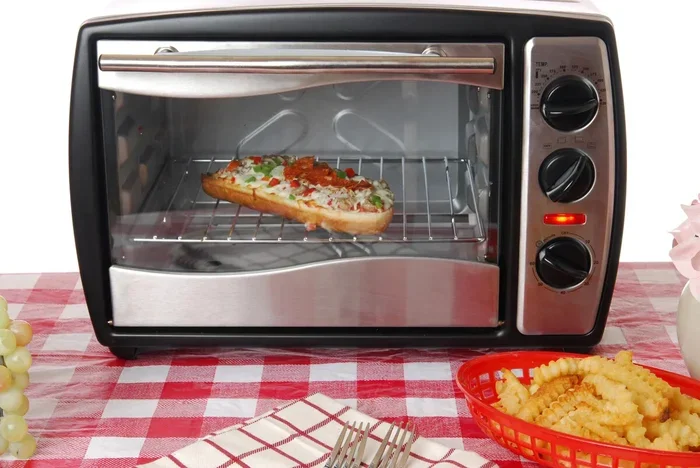
Reheating pizza in a toaster oven is a game-changer. The cheese melts evenly, and the crust stays crisp. I like to place the pizza slice directly on the rack for 3-4 minutes at 375°F. The result is far better than a microwave ever could be.
Baking and Roasting Vegetables and Meats
You can do real cooking in a toaster oven. It works great for roasted vegetables and small cuts of meat. The compact size means it heats up fast, saving energy when you are cooking for one or two people.
Try these toaster oven recipes ideas:
- Baked potatoes – Pierce the potato with a fork, rub it with oil and salt, and bake at 400°F for 45 minutes. The skin gets incredibly crispy.
- Roasted chickpeas – Toss canned chickpeas with oil and spices, then bake at 400°F for 20-25 minutes. They turn out crunchy and perfect as a snack.
- Salmon fillets – A small piece of salmon cooks in about 10 minutes at 400°F. It stays moist and flaky.
- Chicken thighs – Bone-in, skin-on thighs become beautifully crispy when baked at 425°F for 25 minutes.
- Garlic bread – Slice a baguette, butter it, add garlic and herbs, and toast until golden.
You can also bake cookies and small cakes in a toaster oven. The key is to adjust the cooking time because the heat is more concentrated. Start checking a few minutes earlier than the full recipe suggests.
Expert Insights
Professional chefs often recommend using a toaster oven for air fryer-style results. Many modern toaster ovens come with a convection setting. This circulates hot air around the food, creating that perfect crispy exterior without extra oil. If your oven has a convection fan, use it for roasting and baking. It will cut cooking times by about 25%.
Foods You Should Avoid
Knowing what foods to avoid is just as important as knowing what to cook. Some items can melt, spark, or release harmful fumes when exposed to high heat. Always keep these out of your toaster oven.
Plastics and Wax Paper
Plastic containers are a big no-no. They will melt onto your food and your oven tray. Even if the plastic says it is microwave-safe, it is not designed for direct oven heat. Never put plastic lids, plastic wrap, or styrofoam in the toaster oven.
Wax paper is also unsafe. It is coated with wax that can melt and smoke at high temperatures. While it is fine for cold food prep, it will burn in the oven. Stick with parchment paper for lining.
Glass That Isn’t Oven-Safe
Not all glass can handle a toaster oven. Regular glass plates, drinking glasses, and glass bakeware that is not tempered can shatter from the intense heat. This is a serious safety hazard. Shards of glass can ruin your meal and damage the oven. Always look for the oven-safe symbol on glassware. If you are unsure, do not risk it.
Other Items to Keep Out
Here are a few more items that should never go in a toaster oven:
- Cardboard and paper bags – They can catch fire at high temperatures.
- Non-stick cookware with scratched surfaces – Scratches can release harmful fumes when overheated.
- Styrofoam – It will melt and potentially release toxic chemicals.
- Canned foods in the can – The metal can can spark and explode. Always transfer food to a safe dish.
- Wet towels or cloths – They can smoke or catch fire. Always use dry, heat-safe utensils.
Common Mistakes to Avoid
- Using a plate that is too small, causing food to touch the heating element.
- Overcrowding the tray, which blocks air flow and leads to uneven cooking.
- Forgetting to preheat. A preheated oven cooks food more evenly.
- Leaving the oven unattended when broiling. Broiling uses intense top heat and can burn food quickly.
Toaster Oven Safety Tips
Safety should always come first when using any kitchen appliance. A toaster oven gets very hot, both inside and on the outside. Taking a few simple precautions will keep you and your family safe.
Placement and Ventilation
Place your toaster oven on a flat, stable surface away from curtains, paper towels, and other flammable items. The back and sides of the oven need space for ventilation. Do not push it flush against the wall or into a tight cabinet while it is running. Most manufacturers recommend at least 4 inches of clearance on all sides.
Never place a toaster oven under a cabinet unless the manual specifically says it is safe. The heat and steam can damage the cabinet and create a fire risk. If you must place it under a cabinet, use a toaster oven with a built-in exhaust fan or install a heat shield.
Cleaning and Maintenance
A clean toaster oven cooks better and lasts longer. Crumbs and food residue can smoke or even catch fire. Make it a habit to clean the oven after every use. Here is a simple routine:
- Unplug the oven and let it cool completely.
- Remove the crumb tray at the bottom and empty it.
- Wipe the interior with a damp cloth. For tough spots, use a paste of baking soda and water.
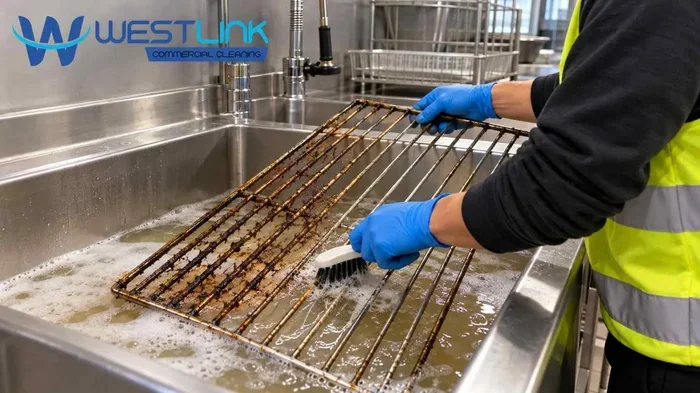
- Wash the tray and rack with warm soapy water.
- Never use abrasive scouring pads on the interior, as they can damage the non-stick coating.
For toaster oven liners, you can place a silicone or fiberglass mat on the bottom tray. This catches drips and makes cleanup even easier. Just make sure the liner is rated for the temperatures your oven reaches.
Key Takeaways
- Always preheat your toaster oven for 3-5 minutes before adding food.
- Use oven mitts when handling hot trays and racks.
- Keep a fire extinguisher nearby in the kitchen, just in case.
- Never use a toaster oven with a damaged cord or plug.
Quick Tips and Common Mistakes
Even experienced cooks can make small errors that affect the results. Here are a few quick tips to get the best performance from your toaster oven.
Expert Insights
Many people wonder if they can use a toaster oven for air frying. The answer is yes. A toaster oven with a convection fan and a perforated basket works just like an air fryer. The circulating hot air creates a crispy texture with little to no oil. If you already own a toaster oven, you may not need a separate air fryer.
Another tip is to use the convection setting for even browning. The fan moves hot air around the food, which reduces hot spots. This is especially helpful when baking cookies or roasting vegetables. If your oven does not have a convection feature, try rotating the tray halfway through cooking.
Common Mistakes
- Using the wrong pan size. – A pan that is too large can block airflow. A pan that is too small might not fit properly and could tip over. Stick to the size recommended for your oven model.
- Overfilling the oven. – Leave space between items so hot air can circulate. Overcrowding leads to steamed, soggy food instead of crispy, browned food.
- Ignoring the rack position. – For broiling, place the rack close to the top element. For baking, place it in the middle. For toasting, the middle rack is usually perfect.
- Not using a timer. – Toaster ovens can cook food faster than a full-size oven. Set a timer and check food a few minutes before the recipe suggests.
Conclusion
What can go in a toaster oven? As you have seen, the answer is a lot. From safe glass and ceramic dishes to frozen pizza and fresh vegetables, this appliance is a powerhouse in the kitchen. You can bake, roast, reheat, and crisp a wide variety of foods with ease. Just remember to use oven-safe materials and avoid anything plastic, wax-coated, or not designed for high heat.
By following the tips in this guide, you will get delicious, evenly cooked results every time. You will also keep your toaster oven running safely for years to come. Experiment with new recipes, try different toaster oven accessories, and enjoy the convenience of a compact oven that does it all.
So next time you are wondering what to cook, look no further than your trusty toaster oven. With the right knowledge and a little creativity, you can prepare everything from a quick snack to a full meal. Happy cooking!
Frequently Asked Questions
Can you put aluminum foil in a toaster oven?
Yes, you can use aluminum foil in a toaster oven, but you must be careful. Never let the foil touch the heating elements, and do not cover the entire tray. Keep the foil at least one inch away from the top and bottom elements to prevent sparking and fire hazards.
Is parchment paper safe for a toaster oven?
Yes, parchment paper is safe and very useful. It lines the tray and prevents food from sticking. Just make sure the parchment paper does not extend over the edges of the tray where it could touch the heating elements. Use it at temperatures up to 425°F for best results.
Can you put a glass plate in a toaster oven?
Only if the glass plate is labeled oven-safe. Tempered glass like Pyrex can handle the heat. Regular glass plates, drinking glasses, and non-tempered glass can shatter and cause injury. Always check the bottom of the dish for an oven-safe symbol before using it.
What is the best way to reheat pizza in a toaster oven?
Place the pizza slice directly on the rack or on a piece of parchment paper on the tray. Set the oven to 375°F and heat for 3 to 5 minutes. The direct heat will crisp the crust and melt the cheese evenly, giving you far better results than a microwave.
Can you use a toaster oven to cook frozen foods?
Absolutely. Frozen foods like pizza, fries, chicken nuggets, and vegetables cook very well in a toaster oven. You do not need to thaw them first. Just place them on a baking sheet or tray and cook according to the package directions, adjusting the time slightly if needed.
What should you never put in a toaster oven?
Never put plastic containers, wax paper, styrofoam, cardboard, or non-oven-safe glass in a toaster oven. These materials can melt, catch fire, or release harmful fumes. Also avoid covering food completely with aluminum foil and never leave the oven unattended while broiling.