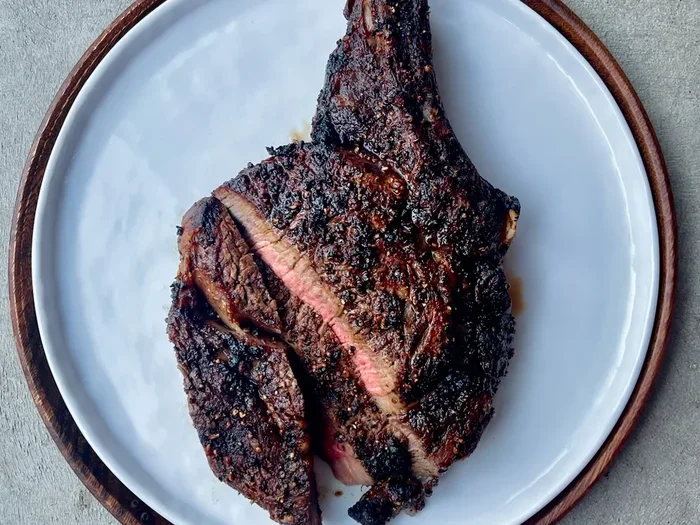
How To Broil A Ribeye Steak In A Gas Oven Step By Step
Broiling a ribeye steak in a gas oven is one of the easiest ways to get a restaurant-quality steak at home. This guide walks you through every step, from choosing the right cut to checking your steak’s internal temperature. You will learn how to set up your gas oven, season your ribeye, and achieve a beautiful charred crust with a juicy, tender center. Whether you are a beginner or a seasoned home cook, these simple steps will help you broil a ribeye steak in a gas oven like a pro.
There is something deeply satisfying about cooking a thick, juicy ribeye steak right in your own kitchen. And the best part? You do not need a fancy grill or expensive equipment to pull it off. How to broil a ribeye steak in a gas oven is a skill that anyone can learn. Once you master this technique, you will never need to wait for a barbecue to enjoy a perfect steak.
Broiling uses intense top-down heat to cook your steak quickly. This creates a caramelized, charred crust on the outside while keeping the inside tender and juicy. A gas oven broiler works especially well because it delivers consistent, powerful heat. In this guide, we will walk you through every single step so your steak comes out perfect every time.
Whether you are cooking for yourself, a partner, or a dinner party, this method is fast and reliable. You will be surprised at how simple it is. Let us dive right in.
Key Takeaways
- Preheat your gas oven’s broiler on high for at least 10 minutes before cooking.
- Choose a ribeye steak that is at least 1 inch thick for the best results.
- Use a cast iron skillet or broiling pan to get an even sear and char.
- Let your steak rest for 5-10 minutes after broiling to keep the juices inside.
- A meat thermometer is the most reliable way to check steak doneness.
- Season your ribeye simply with salt, pepper, and olive oil for maximum flavor.
- Position the steak 4-6 inches from the broiler element for the perfect crust.
📑 Table of Contents
- Why Broiling Is the Best Way to Cook a Ribeye Steak
- What You Need to Broil a Ribeye Steak in a Gas Oven
- Preparing Your Ribeye Steak for Broiling
- Setting Up Your Gas Oven for Broiling
- The Step-by-Step Broiling Process
- Resting and Serving Your Broiled Ribeye Steak
- Common Mistakes to Avoid When Broiling Ribeye Steak
- Expert Tips for the Perfect Broiled Ribeye Steak
- How to Store and Reheat Leftover Broiled Steak
- Frequently Asked Questions
- Conclusion
Why Broiling Is the Best Way to Cook a Ribeye Steak
Broiling is one of the fastest and most effective ways to cook a ribeye steak. Unlike baking, which surrounds the meat with even heat, broiling focuses intense heat from above. This mimics the experience of grilling and gives you that delicious charred exterior you love.
Here are a few reasons why broiling works so well for ribeye steak:
- Speed: Broiling cooks a steak in just a few minutes per side. No need to wait for a long preheat like with a conventional bake cycle.
- Crust formation: The direct radiant heat creates a beautiful Maillard reaction on the surface. This is what gives steak that golden-brown, slightly crispy exterior.
- Simplicity: You do not need any special tools or equipment. Just your gas oven, a pan, and a good steak.
- Indoor convenience: Broiling lets you enjoy steak year-round, regardless of the weather outside.
- Fat rendering: The high heat melts the marbling in the ribeye, basting the meat from within as it cooks.
Compared to pan-searing alone, broiling gives you more even heat distribution across the top surface. And compared to using a kitchen torch, broiling covers the entire steak at once. It is truly the best of both worlds.
What You Need to Broil a Ribeye Steak in a Gas Oven
Before you start, make sure you have everything ready. Gathering your tools and ingredients ahead of time makes the whole process smooth and stress-free. Here is your checklist.
Essential Tools
- Gas oven with a broiler function: Most gas ovens come with a built-in broiler. Check your oven manual if you are unsure where the broiler element is located.
- Cast iron skillet or broiling pan: Cast iron is the gold standard for broiling steak. It holds heat incredibly well and helps create an even sear. If you do not have cast iron, a heavy-duty broiling pan works great too.
- Tongs: You need a good pair of tongs to flip your steak safely. Avoid using a fork, as poking the steak lets precious juices escape.
- Meat thermometer: This is the single most important tool for perfect steak. A digital instant-read thermometer takes the guesswork out of checking doneness.
- Cutting board and rest area: You will need a clean surface to rest your steak after cooking.
Ingredients and Seasoning
Keep your seasoning simple. A great ribeye steak does not need a lot of fuss. Here is what you need:
- Ribeye steak: Look for a steak that is at least 1 inch thick. Thicker steaks (1.5 to 2 inches) work best for broiling because they can handle high heat without overcooking the center.
- Kosher salt or sea salt: Coarse salt draws out moisture at first, then helps form a flavorful crust.
- Freshly cracked black pepper: Adds a gentle heat and aroma that complements the rich flavor of ribeye.
- Olive oil or avocado oil: A light coating helps the seasoning stick and promotes even browning.
- Optional additions: Garlic cloves, fresh rosemary, or a pat of butter can add extra flavor during the resting phase.
Preparing Your Ribeye Steak for Broiling
Proper preparation is the foundation of a great steak. Taking a few extra minutes here makes a huge difference in the final result.
Step 1: Take the Steak Out of the Fridge Early
Remove your ribeye from the refrigerator about 30 to 45 minutes before cooking. This lets the steak come closer to room temperature. When the steak starts at a warmer temperature, it cooks more evenly from edge to center. Cold steaks placed directly under a broiler can have a cold center and an overcooked exterior.
Step 2: Pat the Steak Dry
Use paper towels to pat the steak dry on both sides. Moisture is the enemy of a good sear. A dry surface means better contact with the hot pan and faster crust formation. Do not skip this step. It is one of the most important things you can do for your steak.
Step 3: Season Generously
Brush both sides of the steak lightly with olive oil. Then sprinkle a generous amount of kosher salt and freshly cracked black pepper on each side. Do not be shy with the seasoning. The salt will help draw out some surface moisture, which then dissolves the salt and gets reabsorbed. This creates a flavorful crust that is deeply seasoned all the way through.
If you like, you can add other seasonings at this stage. A pinch of garlic powder, smoked paprika, or onion powder can add extra depth. But for a classic ribeye, simple salt and pepper are all you need.
Setting Up Your Gas Oven for Broiling
Setting up your gas oven correctly is crucial for getting the best results. A few small adjustments make a big difference.
Position the Oven Rack
Place the oven rack about 4 to 6 inches below the broiler element. This is the sweet spot for most gas ovens. If the rack is too close, the steak may burn on the outside before the inside is cooked. If it is too far away, the steak will roast instead of broil, and you will not get that desirable charred crust.
Preheat the Broiler
Turn your gas oven to the broil setting on high. Let the oven preheat for at least 10 minutes. Some ovens have a dedicated broil setting, while others require you to set the oven to the highest temperature available. Check your oven manual if you are not sure.
Preheating the broiler is essential. Just like preheating a pan, you want the heat source to be at full power before the steak goes in. A properly preheated broiler ensures an immediate and intense burst of heat when the steak enters the oven.
Choose the Right Pan
Place your cast iron skillet or broiling pan on the upper oven rack while the oven preheats. Preheating the pan is a pro move that many home cooks overlook. A hot pan immediately starts searing the bottom of the steak the moment it touches the surface. This creates a double-crust effect with charring on both sides.
Quick Tip: If your gas oven has a convection broil setting, use it. The fan helps distribute heat more evenly around the steak. However, if your oven does not have this feature, a standard broil setting works perfectly fine.
The Step-by-Step Broiling Process
Now comes the exciting part. This is where your steak transforms from raw to perfectly cooked. Follow these steps carefully for the best results.
Step 1: Place the Steak Under the Broiler
Carefully slide your preheated cast iron skillet (or broiling pan) into the oven on the upper-middle rack. Quickly place the seasoned ribeye steak into the hot pan using tongs. Close the oven door gently. The sizzle you hear should be loud and immediate. If it is not, your pan or oven may not be hot enough.
Step 2: Broil the First Side
Broil the first side for about 4 to 6 minutes. The exact time depends on the thickness of your steak and how close it is to the broiler element. You want to see a deep brown to slightly charred crust forming on the surface. Resist the urge to open the oven door too often. Every time you open the door, you lose heat and extend the cooking time.
Step 3: Flip the Steak
Using tongs, carefully flip the steak over. Be cautious of any flare-ups from the dripping fat. Gas ovens can sometimes cause small flames when the fat hits the broiler element. This is normal. If a flare-up occurs, simply slide the pan back a bit and wait for it to subside.
Step 4: Broil the Second Side
Broil the second side for another 4 to 6 minutes. For a medium-rare ribeye, aim for a total cook time of about 8 to 12 minutes. Thicker steaks will need more time, while thinner steaks will need less.
Step 5: Check the Internal Temperature
This is the most important step. Insert your meat thermometer into the thickest part of the steak, going into the center. Here are the target temperatures for different levels of doneness:
- Rare: 120 to 125 degrees Fahrenheit
- Medium Rare: 130 to 135 degrees Fahrenheit
- Medium: 140 to 145 degrees Fahrenheit
- Medium Well: 150 to 155 degrees Fahrenheit
- Well Done: 160 degrees Fahrenheit and above
Remember that the steak temperature will rise by about 5 degrees after you remove it from the oven. This is called carryover cooking. So if you want a medium-rare steak, pull it off the heat at 130 degrees Fahrenheit.
Resting and Serving Your Broiled Ribeye Steak
Resting your steak is not optional. It is one of the most important steps in the entire process. When you cut into a hot steak immediately after cooking, the juices run out onto the cutting board instead of staying inside the meat. This leaves you with a dry, less flavorful steak.
Transfer the steak to a cutting board and let it rest for 5 to 10 minutes. You can tent it loosely with aluminum foil to keep it warm. During this time, the internal juices redistribute throughout the steak. The temperature stabilizes, and the fibers relax. The result is a steak that is juicy, tender, and incredibly flavorful.
After resting, slice against the grain for maximum tenderness. Serve immediately with your favorite sides. A simple side of roasted vegetables, garlic mashed potatoes, or a fresh green salad pairs beautifully with a broiled ribeye.
If you want to take your steak to the next level, add a small pat of butter and a few crushed garlic cloves to the hot pan right after removing the steak. Baste the steak with the melted butter as it rests. This adds richness and a beautiful aroma that elevates the entire dish.
Common Mistakes to Avoid When Broiling Ribeye Steak
Even experienced cooks make mistakes. Here are the most common ones and how to avoid them.
Skipping the Dry Step
As mentioned earlier, moisture prevents a good sear. If your steak is wet on the surface, it will steam instead of sear. Always pat your steak dry with paper towels before seasoning.
Not Preheating the Pan
Placing a cold steak on a cold pan leads to uneven cooking and poor crust formation. Preheat your cast iron skillet in the oven before the steak goes in. This small step makes a noticeable difference.
Using a Steak That Is Too Thin
Steaks thinner than 1 inch tend to overcook quickly under the broiler. The intense heat does not give you enough time to develop a crust before the center overcooks. Stick with steaks that are at least 1 inch thick, preferably 1.5 inches or more.
Opening the Oven Door Too Often
Every peek lets heat escape. This slows down the cooking process and can prevent a good crust from forming. Trust the process and only open the door when it is time to flip the steak or check the temperature.
Skipping the Rest
Cutting into your steak right away is tempting, but it is a mistake. The resting period allows the juices to settle back into the meat. Skipping it means losing flavor and moisture.
Not Using a Meat Thermometer
Timing guidelines are helpful, but every oven and every steak is different. A meat thermometer takes the guesswork out and ensures your steak is cooked exactly the way you like it. Invest in a good instant-read thermometer if you do not already have one.
Expert Tips for the Perfect Broiled Ribeye Steak
Here are some bonus tips from experienced cooks and chefs that will take your broiled steak to the next level.
- Dry brine overnight: If you have time, salt your steak and leave it uncovered in the fridge overnight. This draws out moisture, which then gets reabsorbed. The result is a deeper seasoned flavor and a drier surface that sears better.
- Use avocado oil: Avocado oil has a higher smoke point than olive oil. This makes it ideal for the extreme heat of a broiler.
- Let the steak come to room temperature: As mentioned earlier, taking the steak out 30 to 45 minutes before cooking promotes even cooking throughout.
- Do not move the steak: Once the steak is in the hot pan, leave it alone. Moving it around disrupts the crust formation process.
- Baste with butter after cooking: Adding butter, garlic, and fresh herbs to the hot pan after removing the steak creates an incredible finishing touch.
How to Store and Reheat Leftover Broiled Steak
If you have leftover steak (which is rare, but it happens), store it properly to maintain its quality. Let the steak cool to room temperature, then wrap it tightly in plastic wrap or place it in an airtight container. Store it in the refrigerator for up to 3 days.
To reheat, use a low-temperature oven set to about 250 degrees Fahrenheit. Place the steak on a wire rack over a baking sheet and warm it gently for 15 to 20 minutes. This slow reheating method keeps the steak tender without drying it out. Avoid microwaving leftover steak, as it tends to make the meat rubbery and tough.
Frequently Asked Questions
Can I broil a frozen ribeye steak in a gas oven?
It is not recommended to broil a frozen steak directly. Frozen steaks cook unevenly because the outside overcooks while the inside is still thawing. Always thaw your ribeye steak in the refrigerator overnight before broiling. This ensures even cooking and a better texture throughout the steak.
How long should I broil a 1-inch ribeye steak in a gas oven?
For a 1-inch thick ribeye steak, broil each side for about 4 to 6 minutes on high heat. This gives you approximately 8 to 12 minutes of total cook time. However, always use a meat thermometer to check the internal temperature rather than relying solely on time, as ovens can vary.
Do I need to use a cast iron skillet to broil a ribeye?
You do not have to use cast iron, but it is highly recommended. Cast iron holds and distributes heat exceptionally well, which helps create a superior sear and crust. If you do not have cast iron, a heavy stainless steel pan or a dedicated broiling pan will also work. Just avoid thin, lightweight pans that may warp under the intense broiler heat.
What is the best ribeye steak thickness for broiling?
A ribeye steak that is 1.5 to 2 inches thick is ideal for broiling. Thicker steaks give you more room for error and allow you to develop a great crust without overcooking the center. If your steak is thinner than 1 inch, keep a close eye on it, as it can go from perfect to overcooked very quickly.
Can I broil a ribeye steak without a broiling pan?
Yes, you can. You can use a regular oven-safe skillet or even line a baking sheet with aluminum foil and place the steak directly on it. However, using a broiling pan or cast iron skillet produces the best results because it helps elevate the steak and allows fat to drip away from the meat while cooking.
Why did my broiled ribeye steak turn out tough?
Tough broiled steak usually results from one of a few issues: the steak was cooked too long, it was not rested properly after cooking, or it was a lower-quality cut with less marbling. Ribeye is naturally a tender cut thanks to its fat marbling, so make sure you are not overcooking it. Use a meat thermometer and pull the steak off the heat a few degrees before your target temperature to account for carryover cooking.
Conclusion
How to broil a ribeye steak in a gas oven is a straightforward process that delivers incredible results. With the right cut of meat, proper seasoning, and a hot broiler, you can create a restaurant-quality steak in the comfort of your own home. The key is to take your time with preparation, preheat everything properly, and use a meat thermometer to nail the perfect doneness.
Remember to let your steak rest after cooking. This simple step makes a world of difference in juiciness and flavor. Avoid the common mistakes we covered, and try the expert tips to elevate your steak game even further.
Now that you know how to broil a ribeye steak in a gas oven, it is time to put this knowledge into action. Grab a good ribeye, fire up your gas oven, and enjoy a steak that is juicy, flavorful, and cooked exactly the way you like it. Once you try this method, you will never go back to overcooked, dry steaks again. Happy cooking!