Can You Put Foil In A Convection Oven Here Is The Answer
Yes, you can put foil in a convection oven, but there are important rules to follow. Using aluminum foil in a convection oven is safe when done correctly, but improper use can cause uneven cooking, damage your oven, or even create a fire hazard. This guide covers everything you need to know about safely using foil in a convection oven, including best practices, common mistakes, and expert tips for perfect results every time.
So you are prepping dinner and you have a question sitting right at the top of your mind. Can you put foil in a convection oven? It is one of those kitchen questions that almost everyone has asked at some point. Whether you are roasting vegetables, baking cookies, or cooking a whole chicken, the idea of lining your pan with foil is tempting. It promises easy cleanup and even cooking. But convection ovens work differently than regular ovens, and that changes the game a bit.
The short answer is yes. You can safely use foil in a convection oven. But the longer answer comes with some important caveats. Using foil the wrong way in a convection oven can lead to uneven heat distribution, damaged oven components, or even safety risks. In this article, we will walk you through everything you need to know. We will cover what happens when you use foil in a convection oven, the best practices to follow, common mistakes to avoid, and expert tips that will level up your cooking game. Let us dive in.
Key Takeaways
- Foil is safe in convection ovens: You can use aluminum foil in a convection oven as long as you follow specific safety guidelines and avoid covering critical airflow areas.
- Never block the convection fan: Covering the fan or vent openings with foil restricts airflow and can cause your oven to overheat or malfunction.
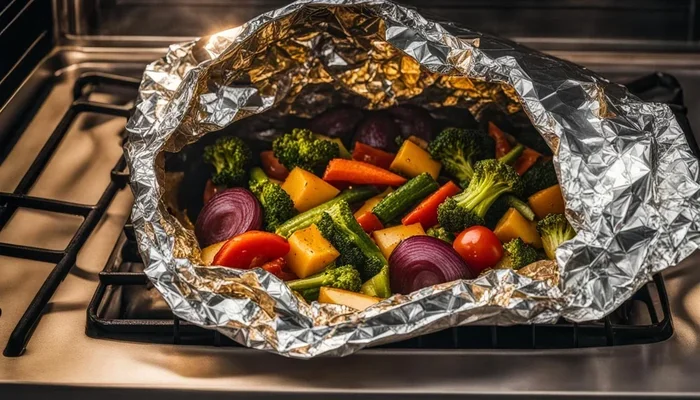
- Use foil for specific purposes: Foil works great for lining baking sheets, wrapping foods, and shielding delicate parts of dishes from over-browning.
- Avoid touching heating elements: Foil should never come into direct contact with the heating elements inside a convection oven.
- Shiny side vs dull side matters: The shiny side reflects more heat, which can affect how your food cooks in a convection setting.
- Follow manufacturer guidelines: Always check your oven manual before using foil, as some convection models have specific restrictions.
📑 Table of Contents
- What Happens When You Put Foil In A Convection Oven
- Is It Safe To Use Foil In A Convection Oven
- Best Practices For Using Foil In A Convection Oven
- Common Mistakes People Make With Foil In Convection Ovens
- When To Avoid Using Foil In A Convection Oven
- Expert Tips For Better Convection Cooking With Foil
- Foil In Convection Oven vs Regular Oven
- Final Thoughts
What Happens When You Put Foil In A Convection Oven
Understanding what happens when you place foil inside a convection oven starts with knowing how this type of oven works. A convection oven uses a fan and exhaust system to circulate hot air around the food. This constant movement of hot air cooks food faster and more evenly than a traditional oven. Now imagine placing a sheet of aluminum foil inside that same environment. The foil interacts with the circulating hot air in specific ways.
The Role of Airflow in Convection Cooking
Airflow is the heartbeat of a convection oven. The convection fan pushes hot air across the food and out through vents. When you place foil inside, you are essentially introducing a reflective surface into that airflow system. Foil reflects heat, which can be useful in some situations. But it can also disrupt the natural flow of hot air if not placed correctly. The key is understanding that foil in a convection oven should never block the fan or the exhaust vents.
How Foil Reflects Heat
Aluminum foil is highly reflective. The shiny side reflects more radiant heat than the dull side. This reflection can actually benefit your cooking in a convection oven. When you wrap food in foil or line a pan with it, the reflected heat can help cook the surface of the food more evenly. However, if you crumple the foil or place it too close to the heating element, the reflected heat can concentrate in one spot and cause uneven cooking or even scorching.
Does Foil Affect Cooking Time in a Convection Oven
Yes, foil can affect cooking time. When you line a baking sheet with foil in a convection oven, the reflected heat may speed up browning on the bottom of your food. This is especially true for items like cookies, pastries, and roasted vegetables. Some cooks find that food cooks slightly faster on foil-lined pans because of the extra heat reflection. If you are using foil to cover a dish, it can slow down cooking because the foil traps steam and blocks direct heat. Keep an eye on your food and adjust cooking times as needed when using foil in a convection oven.
Is It Safe To Use Foil In A Convection Oven
This is the question that matters most. The safety of using foil in a convection oven depends on how you use it. When done correctly, it is perfectly safe. But there are real risks if you are careless. Let us break down the safety factors so you can cook with confidence.
Fire Hazards and Safety Concerns
The biggest safety concern with foil in a convection oven is the risk of fire. If foil touches the heating elements, it can spark and ignite. Convection ovens have heating elements at the top and bottom, plus the convection fan in the back. Foil should never come into contact with any of these components. Always keep foil at least a few inches away from heating elements. Also, never leave a convection oven unattended when cooking with foil for the first time in that particular setup.
Can Foil Damage Your Convection Oven
Yes, foil can potentially damage your oven if used incorrectly. Blocking the convection fan with foil restricts airflow and forces the oven to work harder. This can lead to overheating of the motor or uneven cooking results. Over time, repeated misuse can wear down oven components. Additionally, foil can stick to food and oven surfaces when heated, leaving behind aluminum residue that is hard to clean. To avoid these issues, always use foil carefully and remove it promptly after cooking.
Oven Manufacturer Guidelines
Every convection oven comes with a user manual. And most manufacturers include specific guidance about using foil. Some brands explicitly allow foil use, while others recommend avoiding it entirely. Before you put foil in your convection oven, take a minute to read the manual. If the manufacturer says it is okay, you are good to go with the precautions we have outlined. If they advise against it, it is best to follow their recommendation. Your warranty may not cover damage caused by improper foil use.
Best Practices For Using Foil In A Convection Oven
Now that we have covered the basics, let us talk about how to use foil in a convection oven the right way. These best practices will help you get great results while keeping your oven safe.
Use Foil to Line Baking Sheets
One of the most common and safe uses of foil in a convection oven is lining baking sheets. This makes cleanup a breeze. Simply lay a sheet of foil flat on your baking tray, poke a few small holes in it with a fork, and place your food on top. The holes allow hot air to circulate underneath, which is essential for convection cooking. Without these holes, you trap steam and your food may not crisp up the way it should.
Create a Foil Tent for Roasting
A foil tent is a great technique for roasting meats in a convection oven. To make a foil tent, fold a sheet of foil in half lengthwise, then place it over your roast with the edges tucked under the pan. This creates a loose cover that shields the top of the meat from direct heat. The convection fan still circulates hot air around the food, but the foil prevents the surface from over-browning. This works especially well for larger cuts of meat like whole chickens or pork roasts.
Shield Delicate Foods From Over-Browning
Have you ever noticed how the edges of a casserole or a pie crust can burn while the center is still cooking? Foil is your best friend here. You can fold a strip of foil and place it over the edges of your dish partway through cooking. This simple trick prevents burning and gives you perfectly golden results. In a convection oven, this technique is especially useful because the fan pushes hot air directly onto the edges of your dish.
Use the Right Type of Foil
Not all foil is created equal. Standard household aluminum foil works fine for most convection oven tasks. Heavy-duty foil is more durable and less likely to tear or fall into the oven. There is also non-stick foil available, which has a coating on one side to prevent food from sticking. When using non-stick foil in a convection oven, make sure the non-stick side faces the food, not the oven surface. This ensures easy release and simpler cleanup.
Proper Foil Placement Tips
Where you place foil inside a convection oven matters a lot. Here are some placement tips to keep in mind:
- Never cover the convection fan: The fan needs clear space to spin freely. Blocking it reduces air circulation and can cause overheating.
- Keep foil away from heating elements: Maintain at least two inches of clearance between foil and any heating element.
- Use foil on lower racks for shielding: Placing foil on a lower rack can deflect heat upward and protect delicate dishes on upper racks.
- Do not wrap the entire oven rack: Wrapping racks in foil restricts airflow between the rack and the oven floor, which hampers convection performance.
- Smooth out crinkles: Crumpled foil creates hot spots due to concentrated heat reflection. Flatten foil as much as possible for even heat distribution.
Common Mistakes People Make With Foil In Convection Ovens
Even experienced cooks make mistakes when using foil in a convection oven. Being aware of these common errors can save you from ruined meals or costly oven repairs.
Covering the Air Vents
This is the number one mistake people make. Convection ovens rely on proper venting to exhaust hot air and maintain consistent temperatures. When you cover the vents with foil, you trap hot air inside the oven. This leads to hotspots, uneven cooking, and in some cases, the oven safety shut-off may activate. Always check that your foil is not blocking any vent openings before you start cooking.
Using Too Much Foil
More foil does not mean better results. Using excessive amounts of foil can interfere with the convection oven’s ability to circulate heat properly. A single sheet of foil on a baking sheet is usually sufficient. Wrapping every pan in foil or lining every rack is unnecessary and can actually hurt your cooking results. Use foil strategically and only when it serves a clear purpose.
Ignoring the Shiny and Dull Sides
Many people do not realize that aluminum foil has a shiny side and a dull side. The difference is not just cosmetic. The shiny side reflects more heat, while the dull side absorbs more. When you want to reflect heat and speed up cooking, face the shiny side toward the food. When you want to absorb more heat and promote browning, face the dull side toward the food. This small detail can make a noticeable difference in your convection oven results.
Reusing Foil Without Checking for Tears
Some people reuse foil from previous cooking sessions. While this is environmentally friendly, it can be problematic in a convection oven. Small tears or holes in old foil can allow food juices to drip onto the oven floor, creating smoke and odors. Torn foil can also shift during cooking and block airflow. Always inspect your foil before use and replace it if it looks worn or damaged.
Wrapping Acidic Foods in Foil
Aluminum reacts with acidic foods like tomatoes, citrus, and vinegar. When you wrap acidic foods in foil and cook them in a convection oven, the foil can break down faster and tiny aluminum particles may leach into your food. While the amounts are generally considered safe, the taste can be affected. For acidic dishes, use parchment paper or a glass baking dish instead of foil in your convection oven.
When To Avoid Using Foil In A Convection Oven
While foil is useful in many situations, there are times when you should skip it entirely in your convection oven. Knowing when not to use foil is just as important as knowing how to use it correctly.
When Airflow Is Critical
Some recipes depend on unrestricted airflow for the best results. Air-frying, for example, relies on hot air circulating freely around the food to create that signature crispy texture. If you line your air-fry basket with foil, you block the airflow and you will not get the same crispy results. The same applies to convection roasting of small items like cookies or pastries. The hot air needs to flow around each piece individually for even browning and texture.
When the Recipe Says Not To
This might sound obvious, but many recipes specifically warn against using foil in convection mode. This is especially common with air fryer attachments and convection toaster ovens. Always follow the recipe instructions. If the recipe says no foil, trust the author’s expertise. They likely tested the recipe without foil and know that using it would compromise the results.
When Cooking at Very High Temperatures
Convection ovens can reach very high temperatures, sometimes above 450 degrees Fahrenheit. At these extreme temperatures, foil can become more dangerous. Thin foil may warp or melt if it touches the oven walls or heating elements at high heat. If you are cooking at very high temperatures in your convection oven, it is safer to use a silicone baking mat or parchment paper instead of foil.
Expert Tips For Better Convection Cooking With Foil
Want to take your foil-in-convection-oven game to the next level? Here are some expert tips that professional bakers and chefs use to get the best results.
Preheat Your Convection Oven Before Adding Foil
Always preheat your convection oven before placing foil inside. When a cold oven heats up with foil already in it, the foil can shift and settle into positions that block airflow. Preheating ensures that the oven reaches the target temperature before your food goes in, giving you more predictable and consistent results.
Pierce Foil When Covering Foods
If you are using foil to cover a dish, poke several small holes in the top with a fork or knife. These holes allow steam to escape and let the convection fan continue circulating hot air. Without the holes, steam gets trapped under the foil, which can make the surface of your food soggy instead of crispy. This is a simple trick that makes a big difference in convection cooking.
Use Foil to Create a Heat Buffer
In a convection oven, the bottom element can get very intense. Placing a sheet of foil on the lower rack can act as a heat buffer. It reflects some of the direct heat away from delicate dishes on the rack below. This is especially helpful when you are baking multiple trays at once. The foil helps prevent the bottom tray from burning while the convection fan circulates heat to the upper trays.
Do Not Let Foil Touch Food Directly for Extended Periods
While foil is safe for short-term contact with food, prolonged contact during long cooking sessions can affect food quality. Aluminum can transfer to food, especially when cooking with salt, lemon juice, or other acidic ingredients. For long roasts or slow-cooked dishes, consider using foil only as a temporary shield rather than wrapping the food entirely in foil for the full cooking time.
Clean Your Convection Oven Regularly When Using Foil
Foil can shed tiny aluminum particles, especially when it gets crumpled or torn during cooking. These particles can accumulate on the oven floor and on the convection fan blades. Over time, this buildup can affect oven performance and even contaminate your food. Make it a habit to clean your convection oven thoroughly after each use, paying special attention to areas where foil was used.
Foil In Convection Oven vs Regular Oven
It is worth comparing how foil behaves differently in a convection oven versus a regular oven. In a regular oven, heat rises from the bottom element and radiates outward. Foil in a regular oven primarily serves as a liner or shield. The impact on cooking is minimal because there is no forced air movement.
In a convection oven, the fan changes everything. The moving air means foil has a more active role. It can redirect hot air, create turbulence if crumpled, or reflect heat in unintended directions. This is why foil use in a convection oven requires more attention and care than in a regular oven. The same piece of foil that works perfectly in a conventional oven might cause problems in a convection model if placed incorrectly.
Quick Comparison Table
| Factor | Regular Oven | Convection Oven |
|---|---|---|
| Airflow | Passive heat transfer | Active fan-driven airflow |
| Foil as liner | Works well | Works well with holes for airflow |
| Foil touching elements | Risk of fire | Higher risk due to fan proximity |
| Cooking time effect | Minimal | Can speed up or slow down cooking |
| Heat distribution | Even without foil | Foil can disrupt even distribution |
| Safety concerns | Standard fire risk | Added risk from fan and airflow |
As you can see, the convection oven introduces variables that make foil use more nuanced. Understanding these differences helps you make better decisions every time you cook.
Final Thoughts
So can you put foil in a convection oven? Absolutely. The answer is yes, with a few important guidelines to keep in mind. Foil is a versatile kitchen tool that can make your convection oven cooking easier, cleaner, and more efficient. But it must be used thoughtfully. Never block the convection fan or vents, keep foil away from heating elements, and always follow your oven manufacturer’s recommendations.
The tips and best practices we have covered in this article give you a solid foundation for safe and effective foil use in your convection oven. From lining baking sheets to creating foil tents for roasting, there are many ways to get great results. Just remember that less is often more when it comes to foil in a convection oven. Use it purposefully, keep it smooth and flat, and always monitor your food as it cooks.
With a little practice and attention to detail, you will feel confident using foil in your convection oven for all kinds of recipes. Your cleanup will be easier, your food will cook beautifully, and your oven will stay in great shape for years to come. Happy cooking.
Frequently Asked Questions
Can I line the bottom of my convection oven with foil?
It is not recommended to line the bottom of a convection oven with foil. The foil can block airflow from the convection fan and exhaust vents, leading to overheating and uneven cooking. If you want to catch drips, use a disposable oven liner designed for convection ovens instead of regular aluminum foil.
Is it safe to use aluminum foil in an air fryer convection oven?
Yes, but with caution. Air fryer convection ovens rely heavily on airflow to cook food properly. You can use small pieces of foil in the basket, but never cover the air fryer holes or block the fan. Using too much foil will prevent hot air from reaching the food, resulting in soggy and unevenly cooked meals.
Which side of the foil should face up in a convection oven?
It depends on what you want to achieve. If you want to reflect heat and promote browning, place the shiny side facing the food. If you want to absorb more heat, place the dull side facing the food. For lining baking sheets, it does not matter much which side faces up or down.
Can foil cause sparks in a convection oven?
Yes, foil can spark if it touches the heating elements or if it is crumpled into sharp points. The convection fan can also move loose pieces of foil into the heating elements. To prevent sparking, smooth out all foil, keep it away from heating elements, and never use crumpled or torn foil in a convection oven.
Does foil affect the convection fan motor?
If foil blocks or restricts the convection fan, it can cause the motor to work harder and overheat. Over time, this can reduce the lifespan of the fan motor. Always ensure that foil is placed away from the fan area and does not obstruct the fan’s rotation in any way.
Can I reuse foil after cooking with it in a convection oven?
You can reuse foil if it is not torn, greasy, or covered in food residue. However, reused foil is more likely to shift during cooking and block airflow. For best results and safety, use fresh foil each time you cook in your convection oven.
=== CONCLUSION ===
Using foil in a convection oven is safe and practical when you follow the right guidelines. The key is to never block airflow, keep foil away from heating elements, and use it with purpose. Whether you are lining a baking sheet, creating a foil tent, or shielding delicate dishes, foil can be a valuable tool in your convection oven cooking routine. Remember the best practices we shared, avoid the common mistakes, and you will enjoy great results every time. Now go ahead and put that knowledge to use in your kitchen.