Can Pioneer Woman Pots Go In The Oven
Yes, many Pioneer Woman pots can go in the oven, but it depends on the type and material. Cast iron Dutch ovens and enameled pots from Pioneer Woman are generally oven safe up to specific temperatures. Always check the manufacturer guidelines before placing any pot in a hot oven. This guide covers every pot type, temperature limits, and safety tips you need to know.
You have a beautiful set of Pioneer Woman pots sitting on your stovetop. You just found an amazing recipe for Dutch oven bread or a slow-cooked casserole. And then it hits you. Can Pioneer Woman pots go in the oven? This is a question many home cooks ask. The short answer is yes, but with some important caveats. Not every pot handles oven heat the same way. Some pieces are fully oven safe. Others need caution. And a few should stay far away from any heat source except the stove. This guide breaks it all down for you. You will learn which pots work, which do not, and how to use them safely. By the end, you will feel confident putting your Pioneer Woman cookware in the oven without any worries.
The Pioneer Woman brand, created by Ree Drummond, has become a household name. Her cookware line features stylish designs and solid construction. But style does not always mean oven safety. Many people assume all their pots can handle the heat. That assumption can lead to damaged cookware or even safety hazards. Understanding your pots is essential. It protects your investment. It keeps your food safe. And it gives you peace of mind when you are cooking. So let us dive into the details. We will cover every pot type, every temperature limit, and every tip you need to know.
Key Takeaways
- Most Pioneer Woman pots are oven safe: Cast iron and enameled Dutch ovens handle oven heat well.
- Check temperature limits: Different materials have different max oven temperatures.
- Avoid plastic handles and knobs: These can melt or get damaged in high heat.
- Always preheat gradually: Sudden temperature changes can crack enamel or warp pots.
- Use oven mitts: Pioneer Woman pots get very hot, especially cast iron.
- Not all pots are equal: Some pieces are stovetop only and should never go in the oven.
- Follow the manual: The manufacturer provides the safest guidelines for each piece.
📑 Table of Contents
- What Are Pioneer Woman Pots Made Of?
- Can Pioneer Woman Pots Go In The Oven?
- Temperature Limits for Pioneer Woman Pots
- How to Safely Use Pioneer Woman Pots in the Oven
- Common Mistakes When Using Pioneer Woman Pots in the Oven
- Best Recipes for Pioneer Woman Pots in the Oven
- Expert Tips for Long-Lasting Pioneer Woman Oven Use
- Conclusion
What Are Pioneer Woman Pots Made Of?
Before we answer the big question, we need to understand what these pots are made of. Material determines oven safety. Pioneer Woman offers several types of cookware. Each has different heat tolerances. Let us look at the most common materials.
Cast Iron
Cast iron is the backbone of many Pioneer Woman pots. This material is incredibly durable. It distributes heat evenly across the surface. Cast iron retains heat for a long time. This makes it perfect for slow cooking and baking. Pioneer Woman cast iron pots are typically pre-seasoned. They work on the stovetop, in the oven, and even over a campfire. Cast iron can handle very high temperatures. Most cast iron pieces handle up to 500 degrees Fahrenheit safely. This makes them among the most oven-friendly options you can own.
Enamel-Coated Cast Iron
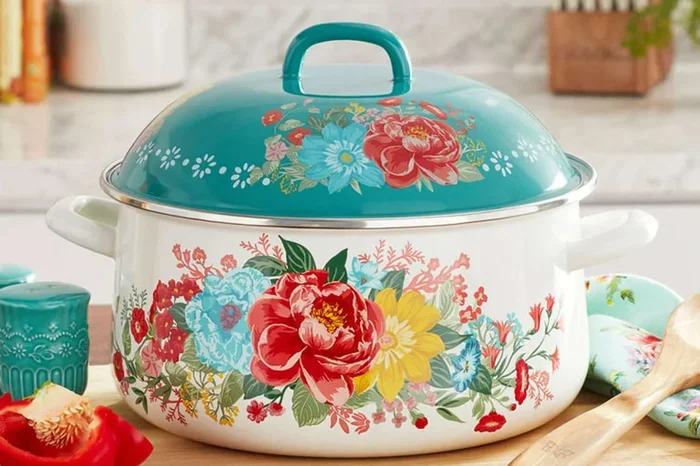
Many Pioneer Woman Dutch ovens feature an enamel coating. This is cast iron with a glass-like layer fused to the surface. The enamel provides a non-reactive cooking surface. You can cook acidic foods like tomatoes without worry. Enameled cast iron is also oven safe. However, it has some limits. The enamel can crack under sudden temperature changes. This is called thermal shock. Avoid moving a cold enamel pot directly into a hot oven. Let it warm up gradually instead.
Aluminum
Some Pioneer Woman pots use aluminum construction. Aluminum heats up quickly. It responds fast to temperature changes. However, aluminum has lower heat tolerance than cast iron. Most aluminum Pioneer Woman pots are oven safe up to 400 or 450 degrees Fahrenheit. Always check the specific product details. Some aluminum pots have non-stick coatings that may not withstand high heat.
Stainless Steel
Stainless steel pots from Pioneer Woman are also oven safe. Stainless steel handles high temperatures well. It does not warp easily. It resists rust and staining. Many stainless steel Pioneer Woman pieces can go up to 500 degrees Fahrenheit. However, if the pot has plastic handles or a glass lid, those parts may not be oven safe. Always check every component before placing the pot in the oven.
Can Pioneer Woman Pots Go In The Oven?
The simple answer is yes, most Pioneer Woman pots can go in the oven. But the full answer is more nuanced. It depends on the pot type, the material, and the specific design features. Let us break this down by pot category.
Dutch Ovens
Pioneer Woman Dutch ovens are oven safe. This is one of their primary strengths. Whether you have a cast iron Dutch oven or an enameled version, both handle oven heat beautifully. Dutch ovens are designed for slow cooking. They work perfectly for casseroles, roasts, soups, and baked goods. The heavy lid traps moisture. The thick walls distribute heat evenly. Most Pioneer Woman Dutch ovens handle temperatures up to 450 or 500 degrees Fahrenheit. This makes them incredibly versatile for oven cooking.
Saucepans
Saucepans from Pioneer Woman vary in oven safety. Many stainless steel saucepans are oven safe. But check the handle construction first. Saucepans with silicone-wrapped or plastic handles may not be safe above 350 degrees. Some saucepans have all-metal handles. These are generally oven safe at higher temperatures. Always look for the oven-safe symbol on the bottom of the pan.
Skillets and Frying Pans
Pioneer Woman skillets are often cast iron. Cast iron skillets are fully oven safe. They can handle very high temperatures. This makes them great for oven-finishing steaks or baking cornbread. Enameled skillets also work in the oven. Just remember to avoid thermal shock. Let the pan warm up slowly. Never plunge a cold skillet into a hot oven.
Stockpots
Stockpots are larger and heavier. Pioneer Woman stockpots are typically stainless steel. Most are oven safe up to 500 degrees Fahrenheit. The large size means they hold more heat. This can be an advantage for oven braising and big-batch cooking. But the size also means they take longer to heat up. Plan accordingly when using a stockpot in the oven.
Sauté Pans
Sauté pans have straight sides and a wide base. Pioneer Woman sauté pans are great for oven use. They work well for dishes that start on the stovetop and finish in the oven. Check the handle material. All-metal handles mean full oven safety. Mixed materials mean you need to be more careful.
Temperature Limits for Pioneer Woman Pots
Temperature limits are critical when using Pioneer Woman pots in the oven. Every material has a maximum safe temperature. Exceeding that limit can damage the pot. It can also release harmful fumes. Let us look at the specific temperature guidelines for each material type.
Cast Iron Temperature Range
Cast iron Pioneer Woman pots are incredibly heat resistant. They can safely handle temperatures up to 500 degrees Fahrenheit. Some seasoned cast iron pieces can go even higher. This makes cast iron ideal for high-heat oven cooking. You can use cast iron pots for roasting, baking bread, and broiling. The key is to avoid thermal shock. Never place a cold cast iron pot on a hot surface or vice versa.
Enameled Cast Iron Temperature Range
Enameled Pioneer Woman pots have a slightly lower heat tolerance. Most enameled pieces are safe up to 450 or 500 degrees Fahrenheit. The enamel coating can crack if exposed to extreme temperature changes. Always preheat the oven with the pot inside if possible. Or let the pot come to room temperature before placing it in the oven. This prevents thermal shock and extends the life of your cookware.
Aluminum Temperature Range
Aluminum Pioneer Woman pots typically handle up to 400 to 450 degrees Fahrenheit. Some non-stick aluminum pots have lower limits. The non-stick coating can degrade above 400 degrees. Always check the manufacturer guidelines for your specific pot. When in doubt, keep the temperature lower. This protects both the pot and your food.
Stainless Steel Temperature Range
Stainless steel Pioneer Woman pots are very heat tolerant. They can typically handle up to 500 degrees Fahrenheit. Stainless steel does not warp easily at high temperatures. It maintains its shape and cooking performance. This makes it a reliable choice for oven cooking. Just watch out for any non-stick coatings or plastic parts that might limit the temperature.
| Pot Type | Material | Max Oven Temp | Oven Safe |
|---|---|---|---|
| Dutch Oven | Cast Iron | 500°F | Yes |
| Dutch Oven | Enameled Cast Iron | 450-500°F | Yes |
| Saucepan | Stainless Steel | 500°F | Yes (all-metal handles) |
| Saucepan | Aluminum | 400-450°F | Yes (check coating) |
| Skillet | Cast Iron | 500°F | Yes |
| Skillet | Enameled | 450-500°F | Yes |
| Stockpot | Stainless Steel | 500°F | Yes |
| Sauté Pan | Stainless Steel | 500°F | Yes (all-metal handles) |
How to Safely Use Pioneer Woman Pots in the Oven
Using Pioneer Woman pots in the oven is straightforward. But a few simple steps make it safer and more effective. Follow these tips to get the best results every time.
Check the Manufacturer Guidelines
Always read the manual or product description. Pioneer Woman provides clear oven-safe guidelines for each product. Look for the oven-safe symbol on the bottom of the pot. If you cannot find the information online, contact customer service. It is better to check first than to risk damaging your pot.
Inspect Handles and Lids
Handles and lid knobs are the weak points of many pots. Plastic handles can melt in the oven. Silicone handles have temperature limits. Glass lids can crack under high heat. Before placing a pot in the oven, remove any plastic or silicone parts. Use metal handles and all-metal knobs instead. If your pot has a phenolic resin knob, check its heat rating. Many are safe up to 350 degrees only.
Preheat Gradually
Never place a cold pot into a preheated oven. The sudden temperature change can cause cracking. This is especially true for enameled pots. Instead, place the pot in a cold oven. Then turn on the heat. Let everything warm up together. This prevents thermal shock and keeps your pot in great shape.
Use Oven Mitts
Pioneer Woman pots get extremely hot in the oven. Cast iron holds heat for a long time. Always use thick oven mitts when handling oven-safe pots. The handles will be scorching hot. Do not grab them with bare hands. A good pair of oven mitts protects your hands and gives you a secure grip.
Place Pots on Safe Surfaces
When you remove a hot Pioneer Woman pot from the oven, place it on a heat-safe surface. Use a trivet, wooden board, or thick towel. Never place a hot pot directly on a cold countertop. The sudden temperature difference can damage both the pot and the surface. It can also crack granite or laminate countertops over time.
Clean Properly After Oven Use
Let your Pioneer Woman pot cool before washing it. Sudden temperature changes during cleaning can damage the surface. Hand wash enameled pots with warm soapy water. Cast iron pots should be cleaned without soap. Dry them completely after washing. This prevents rust and keeps your pots performing well for years.
Common Mistakes When Using Pioneer Woman Pots in the Oven
Even experienced cooks make mistakes with oven-safe pots. Learning from these errors saves time, money, and frustration. Here are the most common pitfalls to avoid.
Assuming All Pieces Are Oven Safe
This is the biggest mistake. Not every Pioneer Woman pot goes in the oven. Some pieces are designed for stovetop use only. Non-stick pans with plastic handles often have oven limits. Always verify before placing any pot in the oven. Do not guess. Checking takes five seconds and saves a lot of headaches.
Ignoring Temperature Limits
Every pot has a maximum temperature. Going beyond that limit can warp the pot or damage the coating. Non-stick coatings can release harmful fumes when overheated. Cast iron can crack under extreme thermal shock. Respect the temperature limits. Your pots will last much longer.
Skipping the Lid Check
Many people forget to check the lid. A pot might be oven safe, but the lid might not be. Glass lids can shatter at high temperatures. Plastic knobs can melt. If your lid has any non-metal parts, it might not be oven safe. Replace the lid with an all-metal one if you plan to use the pot in the oven frequently.
Using the Wrong Utensils
Metal utensils can scratch enameled surfaces. Scratches weaken the coating over time. Use wooden, silicone, or nylon utensils with enameled Pioneer Woman pots. Cast iron pots are more durable but still benefit from gentle care. The right utensils keep your pots looking and performing their best.
Overcrowding the Oven
Large Pioneer Woman pots take up significant oven space. Overcrowding affects air circulation. This leads to uneven cooking. Give your pots room in the oven. Hot air needs to flow around the pot for even heat distribution. If you are cooking multiple dishes, stagger the placement.
Best Recipes for Pioneer Woman Pots in the Oven
Now that you know how to use your Pioneer Woman pots in the oven safely, let us talk about what to cook. These pots shine in the oven. Here are some of the best uses for oven-safe Pioneer Woman cookware.
Dutch Oven Breads and Baking
Cast iron Dutch ovens make incredible bread. The heavy lid traps steam. This creates a perfect crust. Try baking a no-knead artisan loaf. The results rival any bakery. You can also bake cakes, cobblers, and casseroles in a Dutch oven. The even heat distribution ensures perfect results every time.
Slow-Cooked Roasts
Enameled Pioneer Woman pots are perfect for slow-cooked roasts. Place a chuck roast inside with vegetables and broth. Cover with the lid. Put it in the oven at 300 degrees. Let it cook for several hours. The meat becomes tender and flavorful. This is comfort food at its finest.
Casseroles and Baked Dishes
Casseroles are a natural fit for Pioneer Woman pots. The deep walls hold plenty of ingredients. The heavy construction keeps heat steady. Try a classic tuna casserole or a baked pasta dish. The oven-safe design means you can go from stovetop to oven seamlessly.
One-Pot Meals
One-pot meals are a Pioneer Woman specialty. These pots handle the transition from stovetop to oven beautifully. Brown your meat on the stove. Add vegetables and liquid. Transfer to the oven. Let it cook low and slow. Cleanup is easy because everything cooks in one pot.
Expert Tips for Long-Lasting Pioneer Woman Oven Use
Taking care of your Pioneer Woman pots ensures they last for decades. These expert tips help you get the most from your cookware.
Season Your Cast Iron Regularly
If you have cast iron Pioneer Woman pots, keep them seasoned. Rub a thin layer of oil on the surface after each use. This maintains the non-stick properties. It also prevents rust. Seasoning is simple and takes just minutes.
Avoid Abrasive Cleaners
Harsh cleaners damage enamel and non-stick surfaces. Use gentle dish soap and warm water. For cast iron, use a stiff brush and hot water. Avoid soaking pots for extended periods. This protects the finish and extends the life of your cookware.
Store Pots Properly
Stack pots with protective pads between them. This prevents scratching. Hang pots if you have the space. Proper storage keeps your Pioneer Woman cookware in excellent condition for years.
Conclusion
So, can Pioneer Woman pots go in the oven? The answer is a resounding yes for most pieces. Cast iron Dutch ovens, enameled pots, stainless steel saucepans, and many other Pioneer Woman cookware items handle oven heat beautifully. The key is understanding your specific pot. Check the material. Check the temperature limits. Inspect handles and lids for oven safety. Follow the manufacturer guidelines. Avoid common mistakes like thermal shock and overheating. With the right approach, your Pioneer Woman pots will serve you well in the oven for years to come. The versatility of these pots makes them a joy to cook with. You can sear on the stovetop and bake in the oven without missing a beat. So go ahead. Put your Pioneer Woman pots to work. Try a new oven recipe today. You will love the results.
Frequently Asked Questions
Are all Pioneer Woman pots oven safe?
No, not all Pioneer Woman pots are oven safe. Some pieces have plastic handles or silicone components that limit oven use. Always check the product guidelines before placing any pot in the oven. Look for the oven-safe symbol on the bottom of the pot.
What is the maximum oven temperature for Pioneer Woman cast iron pots?
Most Pioneer Woman cast iron pots are safe up to 500 degrees Fahrenheit. This makes them excellent for high-heat oven cooking like roasting and baking. Always avoid sudden temperature changes to prevent cracking or warping.
Can I put my Pioneer Woman Dutch oven with a plastic knob in the oven?
If the Dutch oven has a plastic or phenolic resin knob, check its heat rating. Many such knobs are safe only up to 350 degrees Fahrenheit. For higher oven temperatures, remove the knob or replace it with an all-metal lid knob.
How do I know if my Pioneer Woman pot is oven safe?
Look for the oven-safe symbol on the bottom of the pot. You can also check the product manual or the Pioneer Woman website for specific guidelines. If the pot has all-metal construction and no plastic parts, it is likely oven safe at higher temperatures.
Can Pioneer Woman enameled pots go in the oven?
Yes, Pioneer Woman enameled pots are oven safe. They typically handle temperatures up to 450 or 500 degrees Fahrenheit. Avoid sudden temperature changes to prevent enamel cracking. Let the pot warm up gradually for best results.
What is the best way to clean Pioneer Woman pots after oven use?
Let the pot cool completely before washing. Hand wash with warm soapy water for most pieces. Cast iron pots should be cleaned without soap and dried immediately. Avoid soaking pots for long periods to protect the finish and prevent rust.
=== CONCLUSION ===
Can Pioneer Woman pots go in the oven? Yes, they can. Most pieces in the Pioneer Woman lineup are designed to handle oven heat. Cast iron and enameled Dutch ovens are the stars of oven cooking. They deliver even heat and incredible results. Stainless steel saucepans and stockpots also perform well in the oven. Just remember to check temperature limits and handle materials. Avoid thermal shock by preheating gradually. Take care of your pots, and they will reward you with delicious meals for years. Now you have all the knowledge you need to use your Pioneer Woman cookware confidently in the oven. Happy cooking!