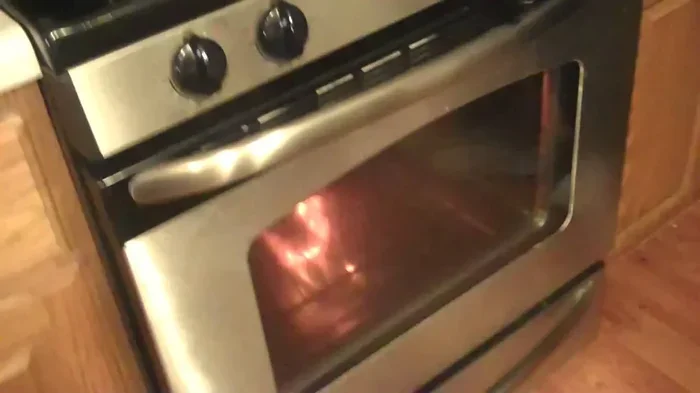
Can A Self Cleaning Oven Catch Fire And Why It Matters
A self cleaning oven can catch fire under certain conditions, and understanding why matters for every household. The high heat used during the cleaning cycle can ignite food residue, grease buildup, or faulty components. Knowing the risks, causes, and prevention steps helps you keep your home safe and your oven running properly. This guide covers everything you need to know about self cleaning oven fire risks and how to avoid them.
Have you ever pressed the self cleaning button on your oven and wondered, can a self cleaning oven catch fire? It is a question many homeowners ask but few take seriously. The truth is that self cleaning ovens do carry a fire risk, and understanding that risk is the first step toward keeping your home safe.
Self cleaning ovens use extremely high temperatures to burn off food residue and grease. This process, called pyrolysis, can reach temperatures above 900 degrees Fahrenheit. While the technology is designed to be safe, things can go wrong. A small spark, a buildup of grease, or a faulty part can turn a routine cleaning cycle into a dangerous situation.
This article breaks down everything you need to know. We will cover why fires happen, what causes them, and how you can prevent them. Whether you use your oven often or only occasionally, this guide will help you understand the real risks involved with self cleaning oven fire hazards. Let us dive in.
Key Takeaways
- Yes, self cleaning ovens can catch fire: The extreme heat used during pyrolysis cleaning can ignite residue, grease, or debris inside the oven.
- Residue buildup is the top cause: Food particles and grease left inside the oven before a cleaning cycle are the most common fire starters.
- Proper preparation prevents fires: Cleaning large spills before running the self cleaning cycle significantly reduces fire risk.
- Ventilation and door locks matter: A blocked vent or a damaged door lock can turn a normal cleaning cycle into a fire hazard.
- Know how to respond: Having a fire extinguisher and knowing when to call emergency services can save lives and property.
- Regular maintenance is key: Routine oven cleaning and inspection help prevent overheating and electrical issues that lead to fires.
- Follow manufacturer guidelines: Using the oven as intended and not bypassing safety features greatly lowers the chance of a fire.
📑 Table of Contents
- How Self Cleaning Ovens Work And Why Fires Happen
- Common Causes Of Self Cleaning Oven Fires
- How To Prevent Oven Fires During Self Cleaning
- What To Do If Your Self Cleaning Oven Catches Fire
- Comparing Self Cleaning Methods: Which Is Safest?
- Expert Insights On Oven Fire Safety
- Key Takeaways
- Conclusion
How Self Cleaning Ovens Work And Why Fires Happen
To understand the fire risk, you need to know how the cleaning process works. Most modern ovens use a method called pyrolysis. This means the oven heats itself to very high temperatures, usually between 800 and 1000 degrees Fahrenheit. At these temperatures, food residue turns to ash. The oven then cools down and the ash wipes away easily.
The Pyrolysis Cleaning Process
During pyrolysis, the oven locks its door automatically. This is a safety feature. The extreme heat inside the chamber is dangerous to touch. The door lock prevents you from opening it while the temperature is high. Once the cycle ends and the oven cools to a safe level, the lock releases.
The problem is that this extreme heat can also ignite things that should not be inside the oven. A small piece of food left on the bottom of the oven. A greasy rag accidentally left inside. A plastic wrapper that slipped behind the oven door. Any of these items can catch fire at pyrolysis temperatures.
Self cleaning oven fire risks increase when the oven is not properly prepared before a cleaning cycle. The oven does not know what is inside it. It just heats up to extreme temperatures. That is why preparation matters so much.
Why the High Heat Is Both Good and Risky
The high heat is what makes pyrolysis so effective. It destroys bacteria, grease, and baked-on food. But it is also what creates the fire hazard. At temperatures above 900 degrees, almost any organic material will ignite. This includes cooking oil splatters, food crumbs, and even paper towels left inside by accident.
The good news is that oven manufacturers build in safety features to reduce this risk. However, no oven is completely fireproof. Human error, wear and tear, and lack of maintenance can all contribute to a fire starting during a self cleaning cycle.
Common Causes Of Self Cleaning Oven Fires
Understanding what causes fires is the best way to prevent them. Several factors can lead to a self cleaning oven catching fire. Let us look at the most common ones.
Food Residue and Grease Buildup
This is the number one cause. When food spills go uncleaned for weeks or months, they build up into a thick layer of grease and carbon. During the self cleaning cycle, this buildup heats up rapidly. If there is enough grease, it can ignite before it has a chance to turn to ash.
Think of it like this. If you leave a greasy pan on a stove and turn the burner to high, it will smoke and potentially flame up. The same thing happens inside your oven during pyrolysis. The difference is that the oven heats up much faster and hotter than a stove burner.
Items Left Inside the Oven
It sounds simple, but people forget things inside their ovens all the time. A piece of aluminum foil. A baking tray with crumbs. A oven mitt left on the rack. Even a small item can catch fire at pyrolysis temperatures.
Before starting any self cleaning cycle, make sure the oven interior is completely clear. Remove all racks, trays, and any loose items. Check the bottom of the oven for food spills and wipe them out manually first.
Faulty Door Locks and Seals
The door lock is a critical safety component. If the lock does not engage properly, the oven may not start the cleaning cycle correctly. Worse, if the seal around the door is damaged, extreme heat can escape. Escaped heat can ignite nearby materials like curtains, cabinets, or wallpaper.
A damaged door seal also means the oven does not reach the proper temperature. This can cause the cleaning cycle to run longer than needed, increasing the risk of overheating. If your oven door does not close tightly or the lock feels loose, get it repaired before using the self cleaning feature.
Electrical Malfunctions
Like any appliance, ovens can develop electrical problems over time. Faulty wiring, a damaged heating element, or a malfunctioning thermostat can all cause sparks or overheating. These issues are not always visible, which makes them especially dangerous.
If your oven has been making unusual noises, sparking, or emitting a burning smell, do not use the self cleaning feature. Call a professional technician to inspect the oven first. Electrical issues are one of the leading causes of oven fire hazards in homes.
How To Prevent Oven Fires During Self Cleaning
The good news is that most oven fires during self cleaning are preventable. A few simple steps can dramatically reduce your risk. Here is what you should do every time before running a cleaning cycle.
Step 1: Clean Large Spills Manually First
Do not rely on the self cleaning cycle to handle everything. Before starting pyrolysis, wipe out any large food spills or grease buildup. Use a damp cloth and a mild cleaner. Avoid harsh chemicals that could damage the oven interior. Removing the bulk of the residue means less material that can ignite during the cycle.
Step 2: Remove All Racks and Accessories
Take out the oven racks, baking trays, and any other accessories. These items are not designed to withstand pyrolysis temperatures and can warp, melt, or catch fire. Most manufacturers recommend removing racks before the cleaning cycle begins.
Step 3: Check the Vent and Drain
Ovens have ventilation systems that help release heat and smoke during the cleaning cycle. If the vent is blocked by grease or debris, heat can build up inside the oven. This increases the risk of overheating and fire. Check the vent area and clean it out before running the cycle.
Step 4: Ensure Proper Ventilation In Your Kitchen
Open a window or turn on your kitchen exhaust fan before starting the self cleaning cycle. The process produces smoke and odors as food residue burns off. Good ventilation helps release heat and reduces the chance of smoke buildup. It also keeps your kitchen comfortable during the cycle.
Step 5: Never Leave the Oven Unattended
Even though the oven is designed to run the cleaning cycle on its own, it is best to stay nearby. Monitor the oven for any signs of smoke or flame. If you see excessive smoke or small flames, you can act quickly to prevent a larger fire.
Quick Tips For Oven Fire Prevention
- Run the self cleaning cycle only when you are home. Never start it and leave the house.
- Keep a fire extinguisher in your kitchen. Make sure it is rated for grease and electrical fires.
- Do not use the self cleaning feature more than necessary. Running it too often wears out components and increases risk.
- Clean the oven regularly. Frequent manual cleaning reduces the amount of buildup that the pyrolysis cycle must handle.
- Read your oven manual. Every model has specific safety instructions. Follow them carefully.
What To Do If Your Self Cleaning Oven Catches Fire
Even with precautions, fires can still happen. Knowing how to respond is critical. Panic leads to bad decisions. Staying calm and acting quickly can prevent a small fire from becoming a disaster.
Do Not Open the Oven Door
If you see flames inside the oven, do not open the door. Opening the door feeds oxygen to the fire and can cause it to flare up. Keep the door closed. Turn off the oven and unplug it if you can do so safely.
Use a Fire Extinguisher If Needed
If the fire does not go out on its own, use a fire extinguisher rated for grease fires (Class B) or electrical fires (Class C). Aim the extinguisher at the base of the fire, not the flames. Most kitchens should have at least one fire extinguisher accessible at all times.
Call Emergency Services If the Fire Spreads
If the fire spreads beyond the oven or produces heavy smoke, evacuate the house and call emergency services immediately. Do not try to fight a large fire on your own. Your safety comes first. Once you are safe, contact a professional appliance repair service to inspect the oven before using it again.
After a Fire: What To Check
Even after a small fire is extinguished, damage may have occurred. The oven interior, door seal, and heating elements may be compromised. Have a technician inspect the oven thoroughly before using it again. Using a damaged oven is a serious fire risk.
Comparing Self Cleaning Methods: Which Is Safest?
Not all oven cleaning methods are created equal. Different methods come with different risk levels. Understanding the options helps you choose the safest approach for your home.
Pyrolysis (Self Cleaning Cycle)
Uses extreme heat to burn off residue. Very effective but carries the highest fire risk if the oven is not properly prepared. Best for ovens with heavy buildup that need a deep clean.
Steam Cleaning
Uses water and lower heat to loosen grime. Much safer than pyrolysis because the temperatures are lower. Best for regular maintenance cleaning. Does not handle heavy grease buildup as well.
Manual Cleaning
Involves using oven-safe cleaners and scrubbing by hand. The safest method in terms of fire risk. Takes more time and effort but gives you full control over the process. Best for light to moderate cleaning.
| Method | Fire Risk | Effectiveness | Effort Level |
|---|---|---|---|
| Pyrolysis (Self Clean) | High | Excellent for heavy buildup | Low (hands-off) |
| Steam Cleaning | Low | Good for light cleaning | Medium |
| Manual Cleaning | Very Low | Good with proper products | High |
For most households, a combination of methods works best. Use manual cleaning for regular maintenance and steam cleaning for mid-level buildup. Reserve the pyrolysis cycle for deep cleans when the oven has significant residue. This approach minimizes oven fire risk while keeping the oven clean.
Expert Insights On Oven Fire Safety
We spoke with appliance safety experts to get their top recommendations for preventing oven fires. Here is what they had to say.
Regular Maintenance Is Non-Negotiable
Experts agree that regular oven maintenance is the single most important factor in fire prevention. A clean oven runs more efficiently and has fewer fire hazards. Schedule a deep clean at least once every few months. Wipe up spills immediately after they happen. This simple habit goes a long way.
Know Your Oven’s Age And Condition
Older ovens are more likely to have worn components that increase fire risk. Heating elements may degrade over time. Door seals may lose their effectiveness. If your oven is more than 10 years old, consider having it inspected annually by a qualified technician. Oven maintenance becomes even more important as the appliance ages.
Never Bypass Safety Features
Some people disable the door lock or remove the thermal fuse to speed up the cleaning process or stop annoying beeping sounds. This is extremely dangerous. Safety features exist for a reason. Bypassing them removes the protections that keep you and your home safe from oven overheating and fire.
Key Takeaways
- Yes, self cleaning ovens can catch fire: The extreme heat used during pyrolysis cleaning can ignite food residue, grease buildup, or debris left inside the oven.
- Residue buildup is the top cause: Food particles and grease left inside the oven before a cleaning cycle are the most common fire starters.
- Proper preparation prevents fires: Cleaning large spills before running the self cleaning cycle significantly reduces fire risk.
- Ventilation and door locks matter: A blocked vent or a damaged door lock can turn a normal cleaning cycle into a fire hazard.
- Know how to respond: Having a fire extinguisher and knowing when to call emergency services can save lives and property.
- Regular maintenance is key: Routine oven cleaning and inspection help prevent overheating and electrical issues that lead to fires.
- Follow manufacturer guidelines: Using the oven as intended and not bypassing safety features greatly lowers the chance of a fire.
Conclusion
So, can a self cleaning oven catch fire? The honest answer is yes, it can. But the good news is that the risk is manageable. With proper preparation, regular maintenance, and a basic understanding of how pyrolysis works, you can use the self cleaning feature safely and effectively.
The key is to never treat the self cleaning cycle as a set-and-forget process. Take the time to prepare your oven beforehand. Clear out residue. Remove racks. Check the door lock and vent. Stay nearby while the cycle runs. These small steps make a big difference in preventing a self cleaning oven fire.
Your oven is one of the most used appliances in your home. It deserves proper care and attention. By following the tips in this guide, you protect your kitchen, your family, and your home from the dangers of an oven fire hazard. Stay safe, stay informed, and keep your oven in great shape.
Frequently Asked Questions
Can a self cleaning oven catch fire even when it looks clean?
Yes, it can. Even if the oven looks clean on the surface, there may be hidden grease or residue in corners, under the heating element, or near the vent. These small amounts of buildup can ignite at pyrolysis temperatures. Always inspect the oven interior thoroughly before starting a cleaning cycle.
How long does a self cleaning cycle take and is longer time more dangerous?
Most self cleaning cycles last between 2 and 4 hours. A longer cycle does not necessarily mean more danger, but it does mean the oven is at extreme heat for a longer period. If any flammable material is inside, the longer exposure increases the chance of ignition. Stay nearby and monitor the oven during the cycle.
What type of fire extinguisher should I keep in my kitchen?
Keep a Class B or Class K fire extinguisher for grease fires, and a Class C extinguisher for electrical fires. Many modern extinguishers are multi-purpose and rated for several fire types. Make sure your extinguisher is easily accessible and check the pressure gauge regularly to ensure it is charged and ready to use.
Is it safe to use the self cleaning feature in an older oven?
Older ovens may have worn components that increase the risk of fire. Heating elements can degrade, door seals can weaken, and thermostats may become inaccurate. If your oven is more than 10 years old, have a professional inspect it before using the self cleaning feature. Consider replacing the oven if it shows signs of significant wear.
Why does my oven smoke during the self cleaning cycle?
Some smoke is normal during pyrolysis because food residue and grease are being burned off. However, excessive smoke or visible flames are not normal. If you see heavy smoke or flames, turn off the oven immediately, keep the door closed, and evacuate if necessary. Contact emergency services if the fire does not go out quickly.
Can I clean my oven manually instead of using the self cleaning feature?
Absolutely. Manual cleaning is actually the safest method in terms of fire risk. You can use oven-safe cleaners and a scrub brush to remove residue at normal temperatures. Many experts recommend manual cleaning for routine maintenance and reserving the self cleaning cycle only for deep cleans with heavy buildup.