How Long To Cook Salmon And Potatoes In A Hot Oven
This guide shows you exactly how long to cook salmon and potatoes in a hot oven. You’ll find the perfect temperature, timing, and tricks for crispy potatoes and perfectly flaky salmon. How Long To Cook Salmon And Potatoes In A Hot Oven is simpler than you think with our step-by-step instructions.
Wondering How Long To Cook Salmon And Potatoes In A Hot Oven? This one-pan meal is a weeknight lifesaver. It delivers crispy roasted potatoes and tender, flaky salmon with almost no effort. The best part? You only need one sheet pan and about 25 minutes of active time. Once you try this method, it becomes your go-to dinner.
Cooking salmon and potatoes together works because both ingredients love high, dry heat. The oven’s hot air crisps the potato edges while gently cooking the fish. You just need to know the right oven temperature for salmon and the perfect timing. This guide walks you through every step. You’ll learn how to prep the potatoes, season the salmon, and balance everything so nothing dries out.
We’ll also cover common mistakes and pro tips. You’ll discover whether to use foil or parchment paper. I’ll share my favorite flavor boosters like lemon and herb butter. By the end, you’ll feel confident enough to make this easy weeknight meal any night of the week. Let’s dive in.
Key Takeaways
- 425°F is the sweet spot: This oven temperature cooks salmon and potatoes evenly without drying out the fish.
- 20 to 25 minutes is the magic window: Baby potatoes and salmon fillets of 1-inch thickness roast perfectly in this time.
- Use a meat thermometer: Pull salmon when it reaches 145°F internal temperature for tender, flaky results.
- Parchment paper beats foil: It gives crispier potato edges while keeping the fish moist.
- Cut potatoes to the same size: This ensures they all cook at the same rate.
- Season generously: Olive oil, salt, pepper, and garlic transform simple ingredients into a restaurant-worthy meal.
- Rest the salmon: Let it sit for 3 minutes after baking to lock in juices.
📑 Table of Contents
- Why Cooking Salmon and Potatoes Together Works So Well
- How Long To Cook Salmon And Potatoes In A Hot Oven: The Perfect Time and Temperature
- Step-by-Step Preparation Guide
- Crispy Potatoes vs. Tender Salmon: The Balancing Act
- Foil, Parchment, or No Cover? The Best Method for Your Pan
- Flavor Boosters and Variations
- Conclusion
Why Cooking Salmon and Potatoes Together Works So Well
A Match Made in the Oven
Salmon and potatoes share the same ideal cooking environment. Both thrive in a hot oven roast setting. The high heat creates a crispy crust on the potatoes while keeping the salmon moist inside. It’s a one-pan dinner that saves time and dishes.
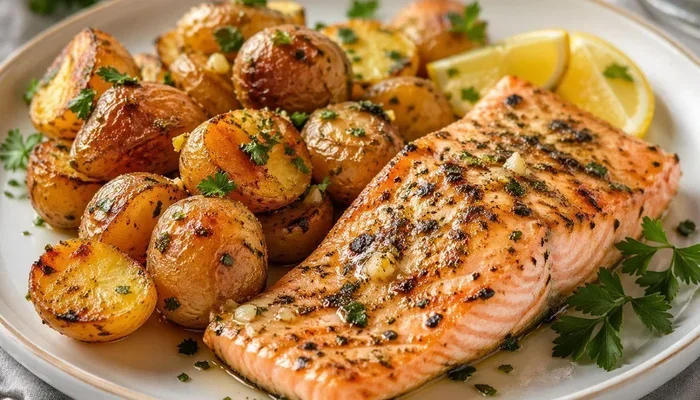
When you roast these two together, the potatoes absorb the salmon’s natural fats. That adds a subtle richness you can’t get from cooking them separately. The flavors meld beautifully. Plus, the visual appeal is unbeatable. Golden potatoes and pink salmon on one tray make the plate look stunning.
Benefits of a One-Pan Meal
- Minimal cleanup: One sheet pan to wash.
- Even cooking: Everything finishes at the same time.
- Flavor transfer: The potatoes soak up the salmon juices.
- Portion control: Easy to divide into balanced plates.
- Budget-friendly: Both ingredients are affordable and filling.
How Long To Cook Salmon And Potatoes In A Hot Oven: The Perfect Time and Temperature
The answer to how long to cook salmon and potatoes in oven depends on a few factors. But the standard method is simple. Set your oven to 425°F. This is the ideal oven temperature for salmon and potatoes. At this heat, baby potatoes and a 1-inch thick salmon fillet will both be done in about 20 to 25 minutes.
If you use larger potato chunks, you may need to add 5 minutes. Always check the salmon internal temperature. The fish should reach 145°F at the thickest part. The potatoes should be fork-tender and golden brown on the edges. Use a quick-read thermometer for accuracy. It takes the guesswork out completely.
Timing Breakdown by Ingredient
- Potatoes (baby or diced): 20–25 minutes at 425°F
- Salmon fillet (1-inch thick): 12–18 minutes at 425°F
- Combined roast: 20–25 minutes, with potatoes cut small
The key is to cut the potatoes into roughly 1-inch pieces. This matches the salmon’s cooking speed. If you love crispy roast potatoes in oven, toss them in a little oil and spread them in a single layer. Overcrowding the pan leads to steaming instead of roasting.
Quick Tips for Perfect Timing
- Start with room-temperature salmon. It cooks more evenly.
- Preheat the oven fully before the pan goes in.
- Rotate the pan halfway through for even browning.
- If the potatoes cook faster than the salmon, remove them and keep warm.
Step-by-Step Preparation Guide
Choosing Your Salmon and Potatoes
For the best results, pick fresh salmon fillets with bright color and no fishy smell. Skin-on fillets hold together better in the oven. As for potatoes, baby Yukon Gold or red potatoes work wonderfully. Their thin skins crisp up nicely. If you use larger potatoes, cut them into uniform bite-sized pieces. This ensures they all cook at the same rate.
Avoid pre-packaged seasoned salmon. The extra salt and sugar can burn at high heat. Keep it simple. Fresh salmon and plain potatoes give you the most control over the final result.
Prepping the Potatoes
Wash the potatoes and cut them into even pieces. Toss them in a bowl with olive oil, salt, pepper, and a pinch of garlic powder. The oil helps them crisp up. Spread them on the sheet pan first, because they take a little longer to cook. Arrange them in a single layer with space between each piece.
If you want extra crispy crispy roasted potatoes, try this trick: parboil them for 5 minutes before tossing in oil. This creates a rough surface that turns golden and crunchy. It’s a game-changer for baking potatoes with salmon.
Seasoning the Salmon
Pat the salmon dry with a paper towel. This helps the skin crisp up. Brush the top with a thin layer of olive oil. Season with salt, pepper, and a squeeze of fresh lemon. You can add a small pat of butter on top for extra richness. Place the salmon skin-side down on the potatoes. The skin protects the fish from overcooking.
Arranging on the Pan
Push the potatoes to one side of the sheet pan. Place the salmon in the center. This lets hot air circulate around the fish. If you’re adding vegetables like asparagus or broccoli, place them around the salmon. They’ll roast in the same time frame.
Never crowd the pan. Overlapping pieces steam instead of roast. Use a large sheet pan or two smaller ones. The extra space makes a huge difference in texture.
Crispy Potatoes vs. Tender Salmon: The Balancing Act
The biggest challenge in how long to cook salmon and potatoes in a hot oven is balancing textures. Potatoes need a longer roast to get crispy. Salmon needs less time to stay tender. You solve this by cutting the potatoes small and using high heat.
Getting Crispy Potato Edges
Crispiness comes from direct contact with the hot pan. Use a rimmed sheet pan lined with parchment paper. The parchment prevents sticking while still allowing the bottom to crisp. Don’t use too much oil. A light coating is enough. Too much oil makes the potatoes soggy.
Another trick is to start the potatoes in a hot oven. Preheating the pan in the oven gives an immediate sear. The edges turn golden brown in minutes. If you’re using larger chunks, you can roast them for 10 minutes before adding the salmon. This head start ensures the potatoes finish at the same time as the fish.
Preventing Overcooked Salmon
Salmon dries out quickly if you leave it too long. The best way to avoid this is to use a meat thermometer. Insert it into the thickest part of the fillet. Pull the pan out when the internal temperature hits 140°F. The salmon internal temperature will rise to 145°F while resting. This method gives you perfectly moist, medium-fish salmon.
If you don’t have a thermometer, use the touch test. Gently press the top of the salmon with your finger. It should feel firm but still give slightly. The flesh should flake easily with a fork but still look moist in the center.
Using a Thermometer
A quick-read digital thermometer is the most reliable tool. It takes the guesswork out of ovening salmon and potatoes. Insert the probe into the thickest part of the salmon, avoiding the bone if present. Wait 15 seconds for the reading to stabilize. When it shows 145°F, the fish is done. If it reads 140°F, pull it out and let it rest. The carryover cooking will bring it to the perfect temperature.
Expert Insight
Chef Maria Santos says: “The secret to perfect roast salmon and potatoes is respecting the different cook times. Give the potatoes a head start, and always pull the salmon early. Carryover heat finishes the job beautifully.”
Foil, Parchment, or No Cover? The Best Method for Your Pan
Choosing the right liner affects the texture of your hot oven roast. Each option has pros and cons. Here’s a quick comparison to help you decide.
| Method | Pros | Cons | Best For |
|---|---|---|---|
| Parchment Paper | Crispy bottoms, easy cleanup, no sticking | Can brown slightly at edges | Crispy potatoes and even cooking |
| Aluminum Foil | Traps moisture, easy cleanup | Steams the potatoes, less crispy | Tender fish and soft potatoes |
| No Cover | Maximum crispiness, direct heat | Can stick if not oiled well | Experienced cooks who want extra crunch |
For the best results, I recommend parchment paper. It gives you crispy potatoes and salmon together without sticking. If you want tender, steamed potatoes, use foil. I never use no cover because the potatoes can stick and burn at the edges. Parchment is the middle ground that works for almost everyone.
Common Mistakes to Avoid
- Overcrowding the pan: This creates steam and soggy potatoes.
- Using cold salmon straight from the fridge: It cooks unevenly.
- Skipping the preheat: A cold pan means longer cooking time.
- Adding salt too early on potatoes: It can draw out moisture and prevent crisping.
- Opening the oven door too often: It drops the temperature and slows cooking.
Flavor Boosters and Variations
Once you master the basic method, you can get creative with flavors. Herb butter salmon is a classic. Mix softened butter with chopped dill, parsley, and a pinch of lemon zest. Spread it on the salmon during the last 5 minutes of cooking. The butter melts into a rich sauce that soaks into the potatoes.
Lemon and Garlic
Thin lemon slices and minced garlic add brightness. Toss the potatoes with olive oil, garlic, and a pinch of red pepper flakes. Place lemon slices around the salmon. The acidity cuts through the richness of the fish. This variation is perfect for summer dinners.
Adding Other Vegetables
You can roast broccoli, bell peppers, or green beans alongside the salmon and potatoes. Just cut them into bite-sized pieces. They’ll cook in the same 20–25 minute window. Add them to the pan when you put in the salmon so they don’t overcook.
Make-Ahead and Meal Prep
This dish stores well in the fridge for up to 3 days. Reheat in the oven at 375°F for 10 minutes. Microwaving makes the potatoes soggy, so the oven is best. You can also prep the potatoes and salmon the night before. Store them separately in airtight containers. When you’re ready to eat, just pop them on the pan and roast.
How Long To Cook Salmon And Potatoes In A Hot Oven becomes even easier when you meal prep. You can roast a big batch on Sunday and enjoy it for dinner all week. It’s a healthy, balanced meal that’s full of protein and good carbs.
Conclusion
How Long To Cook Salmon And Potatoes In A Hot Oven is a skill anyone can learn. The key is using 425°F heat, cutting the potatoes small, and keeping an eye on the salmon internal temperature. With parchment paper and a little seasoning, you’ll get crispy edges and tender fish every time. This one-pan meal is perfect for busy weeknights or relaxed weekend dinners.
Remember to pull the salmon a few minutes early and let it rest. The carryover cooking finishes the job gently. Serve it with a simple side salad or steamed green beans. You’ll have a complete, balanced plate that the whole family will love. Give this method a try tonight, and you’ll never go back to complicated recipes again.
Frequently Asked Questions
Can I use frozen salmon for this recipe?
Yes, but you must thaw it completely first. Frozen salmon releases extra moisture, which can make the potatoes soggy. Pat the fish dry after thawing and season it just like fresh salmon. The cooking time may increase by 2–3 minutes.
What is the best potato for baking with salmon?
Baby Yukon Gold or red potatoes work best. They have thin skins that crisp up nicely and a creamy interior. Avoid russet potatoes because they are too starchy and can fall apart. Cut any potato into 1-inch pieces for even cooking.
Should I cover the salmon with foil while baking?
It’s usually not necessary. Parchment paper gives you crispy potatoes without trapping steam. If your salmon is very thin, you can loosely tent it with foil for the first 10 minutes to prevent overcooking. Remove the foil for the last few minutes to let the top set.
How do I know when the salmon is done without a thermometer?
Gently press the top of the fillet with your finger. It should feel firm but still give slightly. The flesh should start to flake along the natural lines. The color will change from translucent to opaque pink throughout. When in doubt, use a thermometer to be safe.
Can I cook other vegetables with the salmon and potatoes?
Absolutely. Broccoli, bell peppers, asparagus, and green beans all roast well at 425°F. Add them to the pan at the same time as the salmon if they’re cut into small pieces. Heavier vegetables like carrots or onions may need a 5-minute head start.
Is it safe to eat salmon that’s slightly pink in the middle?
Yes, if the internal temperature reached 145°F. Many people prefer salmon medium, which is around 140°F internally. The fish will continue to cook as it rests. Always use a thermometer to ensure food safety while still enjoying your preferred doneness.