What Temp For Meatballs In Oven Gets Them Juicy Every Time
What temp for meatballs in oven is the key to juicy, tender results every time. This guide reveals the perfect oven temperature, timing, and simple tricks to bake meatballs that stay moist inside and golden outside. You will learn the ideal internal doneness, common mistakes to avoid, and pro tips for foolproof oven-baked meatballs.
Finding the what temp for meatballs in oven is the single most important step to juicy, tender results. Many home cooks guess at the temperature and end up with dry, crumbly balls. The good news is that a simple adjustment can transform your meatballs from average to restaurant-quality. In this guide, you will learn the exact oven temperature, timing, and insider tricks that guarantee perfect meatballs every time.
Whether you bake with ground beef, pork, or a mix, the principles stay the same. We will cover the ideal oven setting, how to check for doneness, and the common errors that ruin moisture. By the end, you will have a foolproof method you can trust on any weeknight. Let us dive into the details that make oven-baked meatballs truly special.
Key Takeaways
- Best oven temperature: 400°F delivers a crispy crust and juicy center every time.
- Internal doneness: Cook meatballs to 160°F for beef and 165°F for poultry for safety and moisture.
- Size matters: 1-inch meatballs bake in 12–15 minutes; 2-inch ones need 20–25 minutes.
- Avoid common mistakes: Do not overmix, skip the rest, or open the oven door too early.
- Pro tips: Use a wire rack, sear first, and freeze for easy meal prep.
📑 Table of Contents
- The Best Oven Temperature for Meatballs
- How to Make Juicy Meatballs That Stay Tender
- Internal Temperature and Doneness: When Are They Done?
- Baking Time and Meatball Size: What to Expect
- Common Mistakes That Dry Out Your Meatballs
- Pro Tips for Perfect Oven-Baked Meatballs Every Time
- Conclusion: The Perfect Oven Temp for Juicy Meatballs
The Best Oven Temperature for Meatballs
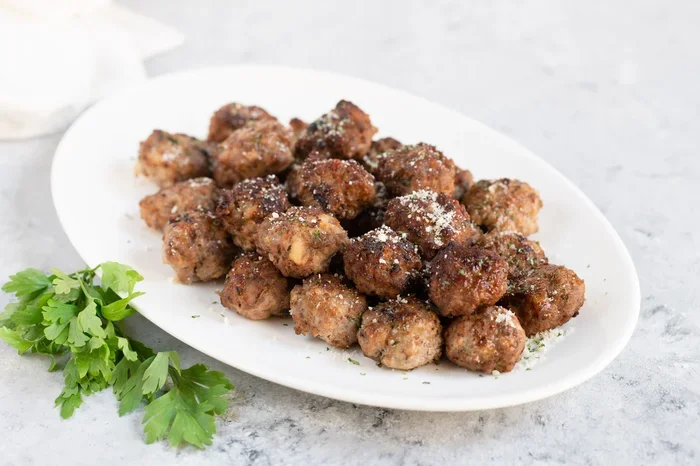
The sweet spot for what temp for meatballs in oven is 400°F (200°C). This high heat creates a beautiful golden crust quickly while keeping the inside moist. At 400°F, the outside caramelizes fast, locking in juices before the center dries out. Lower temperatures like 350°F can work, but they often lead to overcooked, gray meatballs.
Here is a quick comparison of common oven settings to help you choose the right one for your kitchen.
| Oven Temp | Result | Baking Time (1-inch balls) | Texture |
|---|---|---|---|
| 350°F | Slow, even cook | 20–25 min | Softer crust, risk of drying |
| 375°F | Balanced | 16–20 min | Slightly crisp, good moisture |
| 400°F | Golden and crisp | 12–15 min | Crispy outside, juicy inside |
| 425°F | Very fast brown | 10–12 min | Risk of burnt edges |
For most meatball recipes, 400°F gives the best balance of speed and texture. If you prefer a very tender, almost steamed interior, you can drop to 375°F and extend the time slightly. Always preheat your oven so the meatballs start cooking immediately.
Quick Tips for Temperature Success
- Use an oven thermometer to verify the actual heat. Many ovens run hot or cold.
- Place meatballs on the middle rack for even hot air flow.
- Do not crowd the pan. Leave space between each meatball for air circulation.
- If using a convection oven, reduce the temperature by 25°F to prevent over-browning.
How to Make Juicy Meatballs That Stay Tender
The what temp for meatballs in oven matters, but your mix matters just as much. The secret to juicy meatballs starts in the bowl. A perfect blend of meat, binder, and moisture creates a tender bite that stays succulent through baking. The main ingredients are ground beef, pork, or a mix of both. Pork adds fat and flavor, while beef gives structure.
Breadcrumbs and eggs act as binders. Too much breadcrumb dries out the meatball. A general rule is 1 cup of breadcrumbs and 1 egg per 2 pounds of meat. Soak the breadcrumbs in milk or broth first for extra moisture. This is called a panade, and it keeps the inside soft even after baking.
The Right Mixing Technique
Handle the meat as little as possible. Overmixing develops gluten, which makes meatballs tough and dense. Use your hands to gently combine ingredients until just blended. The mixture should feel slightly sticky and hold together when formed. If it feels too wet, add a little more breadcrumb. If it feels dry, add a splash of milk.
Let the mixed meat rest in the refrigerator for at least 30 minutes before shaping. This allows the flavors to meld and the binder to set. Chilled meatballs hold their shape better and bake more evenly. They also stay juicier because the fat does not melt too fast in the oven.
Quick Tips for a Moist Mix
- Use a 50/50 blend of ground beef and pork for the best flavor and moisture.
- Add finely grated onion that has been squeezed of excess liquid.
- Season with salt, pepper, garlic, and Italian herbs. Do not skip the salt.
- Form meatballs gently into round balls, about 1 to 2 inches wide.
Internal Temperature and Doneness: When Are They Done?
The what temp for meatballs in oven sets the stage, but the internal temperature tells you when they are truly done. For beef and pork meatballs, the safe internal temperature is 160°F (71°C). For chicken or turkey meatballs, aim for 165°F (74°C). A digital instant-read thermometer is the only reliable way to check. Cut into a meatball, and you will lose precious juices.
Remove meatballs from the oven when they reach 155°F to 158°F. They will carry over cook for a few degrees as they rest. This keeps the center juicy and prevents dryness. Let the meatballs sit on the pan for 5 minutes before serving or adding to sauce.
Expert Insights: The Carryover Effect
Resting is a crucial step that many home cooks skip. When meatballs come out of a hot oven, the center is still cooking from residual heat. During the rest, the temperature rises 3 to 5 degrees. The juices redistribute throughout the meatball, making each bite tender. If you cut into them immediately, the juices run out onto the plate, leaving the meatball dry.
For a deeper flavor, you can sear meatballs in a hot skillet before baking. The Maillard reaction creates a brown crust that seals in moisture. After searing, transfer them to the oven to finish cooking. This method works beautifully for oven-baked meatballs that need a crispy exterior.
Baking Time and Meatball Size: What to Expect
The what temp for meatballs in oven and the baking time go hand in hand. Meatball size is the biggest factor in how long they need to cook. Small 1-inch meatballs bake quickly and are perfect for pasta dishes or appetizers. Large 2-inch meatballs take longer and work well for sandwiches or a hearty main course.
At 400°F, a 1-inch meatball typically needs 12 to 15 minutes. A 2-inch meatball requires 20 to 25 minutes. Always start checking for doneness a few minutes early. Ovens vary, and the color of the outside does not always indicate the internal temperature.
Common Mistakes with Size and Timing
One of the biggest errors is making meatballs uneven sizes. A mix of tiny and large meatballs means some will be overcooked while others are underdone. Use a cookie scoop or a small ice cream scoop to create uniform balls. This ensures even baking and a consistent texture in every bite.
Another mistake is opening the oven door too often. Each time you open the door, the temperature drops by 25°F or more. This slows the bake and can cause meatballs to fall apart. Trust the timer and only open the door for the final temperature check. If you need to rotate the pan, do it quickly and close the door right away.
Quick Tips for Perfect Timing
- Use a timer and set it for 10 minutes. Then check the size of the meatballs.
- For frozen meatballs, add 5 to 10 extra minutes to the baking time.
- Place a sheet of parchment paper on the baking sheet for easy cleanup and even browning.
- Do not stack meatballs in a single layer. Use two pans if needed.
Common Mistakes That Dry Out Your Meatballs
Even with the perfect what temp for meatballs in oven, simple errors can turn your meatballs dry and tough. Understanding what goes wrong helps you avoid it. The most common culprit is overmixing the meat. When you work the ground meat too much, the proteins tighten and squeeze out moisture. The result is a dense, rubbery texture.
Using lean meat is another trap. Very lean ground beef or turkey has little fat, and fat carries flavor and juiciness. Choose ground beef with 20% fat or a mix that includes pork. If you must use lean meat, add extra moisture with grated zucchini, bread soaked in broth, or a bit of olive oil.
Quick Tips to Avoid Dry Meatballs
- Do not skip the rest after mixing. Cold meat holds together better.
- Never cook meatballs straight from the fridge into a hot oven. Let them sit at room temperature for 10 minutes.
- Avoid pressing the meatballs flat with a spatula while they bake. This squeezes out juices.
- Do not cover meatballs with foil during baking. The steam will soften the crust and make them soggy.
Expert Insights: The Role of Fat
Fat is your friend when baking meatballs. It bastes the meat from the inside and creates a succulent bite. If you are watching your fat intake, you can use a mix of lean meat and a small amount of finely grated cold butter. The butter melts slowly and keeps the meatballs moist without adding grease. Another trick is to add a teaspoon of olive oil to the meat mixture before shaping.
Pro Tips for Perfect Oven-Baked Meatballs Every Time
Once you master the what temp for meatballs in oven, you can elevate your recipe with a few pro moves. These simple steps take your meatballs from good to unforgettable. They work for any meatball recipe, whether you serve them with spaghetti, on a sub, or in a soup.
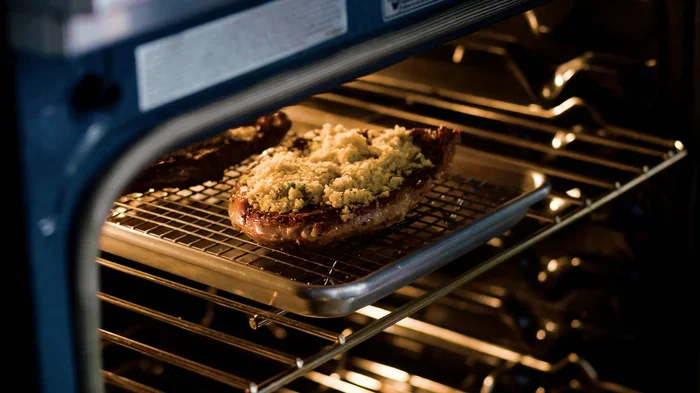
First, line your baking sheet with a wire rack set over a tray. The rack allows hot air to circulate all around the meatball. This promotes even browning and prevents the bottoms from sitting in grease. The result is a uniformly crispy shell on all sides.
Second, add a glaze in the last 5 minutes of baking. A simple mix of ketchup, brown sugar, and a splash of vinegar creates a sticky, sweet crust that everyone loves. Brush it on with a silicone brush and return the meatballs to the oven. The glaze caramelizes quickly and adds a beautiful sheen.
Expert Insights: Meal Prep and Freezing
Baking meatballs in bulk is a great way to save time during the week. After the meatballs cool completely, you can freeze them on a baking sheet, then transfer them to a freezer bag. Frozen meatballs bake directly from frozen. Add 5 to 10 extra minutes to the baking time, and they will turn out just as juicy. This method makes oven-baked meatballs a convenient freezer staple.
For extra flavor, try mixing fresh herbs into the meatball blend. Fresh parsley, basil, and oregano brighten the taste. You can also add a pinch of red pepper flakes for a subtle kick. These small additions make a big difference in the final dish.
Quick Tips for Next-Level Meatballs
- Sear meatballs in a hot skillet with olive oil before baking for a deep brown crust.
- Use a wire rack instead of a flat pan for all-around crispiness.
- Add a glaze of honey and mustard in the last 5 minutes of baking.
- Freeze cooked meatballs in sauce for a quick, ready-to-heat meal.
- Let meatballs rest for 5 minutes after baking to keep the juices inside.
Conclusion: The Perfect Oven Temp for Juicy Meatballs
The what temp for meatballs in oven is the foundation of perfect oven-baked meatballs. At 400°F, you get a crispy golden crust and a juicy, tender center every time. Combine this temperature with a well-balanced meat mix, proper mixing, and a reliable meat thermometer, and you will never serve dry meatballs again. The internal temperature of 160°F for beef and 165°F for poultry ensures safety while preserving moisture.
Remember to avoid the common pitfalls: overmixing, skipping the rest, and opening the oven door too often. Use a wire rack, uniform sizing, and a glaze for a professional finish. These simple steps transform a basic weeknight dinner into a family favorite. Now you have all the knowledge to bake meatballs that are always juicy, flavorful, and perfectly cooked. Put this guide to work and enjoy tender, golden meatballs on your table tonight.
Frequently Asked Questions
What is the best temperature for meatballs in the oven?
The best what temp for meatballs in oven is 400°F. This high heat creates a crispy golden crust while keeping the inside juicy. It also reduces baking time, which helps prevent dryness.
How long do meatballs take to bake at 400°F?
1-inch meatballs need 12 to 15 minutes, and 2-inch meatballs need 20 to 25 minutes at 400°F. Always use a meat thermometer to check for an internal temperature of 160°F for beef or 165°F for poultry.
Can I bake meatballs at 350°F instead?
Yes, you can bake meatballs at 350°F, but they will take longer and may dry out more easily. The lower temperature slows the crust formation, which can let moisture escape. If you use 350°F, add a few extra minutes and cover the pan loosely with foil for the first half of baking.
Do I need to flip meatballs when baking?
No, you do not need to flip meatballs if you use a wire rack. The hot air circulates around them and browns all sides evenly. If you bake them on a flat pan, you can gently turn them once halfway through for even color.
How do I know when meatballs are done without a thermometer?
The safest and most accurate way is with a meat thermometer. Without one, you can cut into the largest meatball. The inside should be opaque with no pink remaining. The juices should run clear, not pink or red.
Can I freeze meatballs after baking them in the oven?
Absolutely. Let the baked meatballs cool completely, then freeze them in a single layer on a sheet pan. Once solid, transfer them to a freezer bag. Reheat in the oven at 350°F for 10 to 15 minutes, or until warmed through.