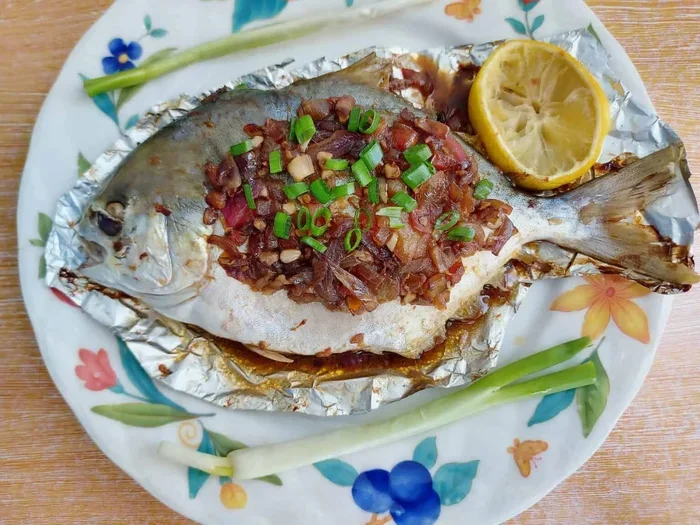
How To Cook Pompano Fish In Oven And Enjoy Every Bite
Learning how to cook pompano fish in oven is easier than you think. This guide walks you through every step, from choosing the freshest fish to pulling a golden, juicy fillet out of the oven. You will discover the best temperatures, seasoning blends, and cooking times that guarantee perfect results. Whether you are a beginner or a seasoned home cook, these tips will elevate your seafood game. By the end, you will feel confident enough to make oven-baked pompano a weekly staple in your kitchen.
There is something truly special about a perfectly baked piece of fish. The aroma fills your kitchen, the edges turn golden, and the inside stays moist and flaky. If you have been wondering how to cook pompano fish in oven, you have come to the right place. Pompano is one of the most delicious and underrated fish you can buy. It has a mild, sweet flavor and a firm texture that holds up beautifully in the oven.
This article will show you everything you need to know. We will cover the best oven temperature for fish, the ideal cooking time, and the seasoning combinations that make this dish shine. You will also learn about common mistakes and how to avoid them. By the time you finish reading, you will have all the tools to create a restaurant-quality meal right at home. Let us dive in.
Key Takeaways
- Right Temperature Matters: Baking pompano at 400°F to 425°F delivers crispy skin and tender flesh every time.
- Seasoning Is Everything: A simple blend of olive oil, lemon, garlic, and herbs transforms a plain fillet into a flavor-packed dish.
- Timing Is Key: Most pompano fillets cook in just 12 to 20 minutes, making this a fast weeknight dinner option.
- Avoid Common Mistakes: Overcooking, skipping the pat-dry step, and using too much oil are the top errors home cooks make.
- Pair With Smart Sides: Roasted vegetables, rice, or a fresh salad round out a complete and balanced meal.
- Freshness Counts: Choosing high-quality, fresh pompano makes a noticeable difference in taste and texture.
- Easy to Customize: The basic oven method works beautifully with dozens of seasoning variations and side pairings.
📑 Table of Contents
- Why Pompano Fish Is Perfect For Oven Cooking
- What You Need Before You Start
- Step-By-Step Guide To Cooking Pompano In The Oven
- Best Seasoning Combinations For Oven-Baked Pompano
- Common Mistakes To Avoid When Baking Pompano
- Serving Suggestions And Side Dishes
- Expert Tips For Perfectly Crispy Oven-Baked Pompano
- How To Cook Whole Pompano In The Oven
- Comparing Oven-Baked Pompano To Other Cooking Methods
- Frequently Asked Questions
- Final Thoughts
Why Pompano Fish Is Perfect For Oven Cooking
Pompano is a favorite among seafood lovers for good reason. This fish is versatile, flavorful, and incredibly easy to prepare in the oven. Unlike some delicate fish that fall apart during cooking, pompano holds its shape well. That makes it a great choice for beginners and experienced cooks alike.
Nutritional Benefits Of Pompano
Pompano is not just delicious. It is also packed with nutrients. It is a great source of lean protein, omega-3 fatty acids, and essential vitamins. A single serving provides a healthy dose of selenium, vitamin B12, and phosphorus. Adding pompano to your weekly meal plan is a smart way to eat well without sacrificing flavor.
Why Oven Baking Works So Well
Oven baking is one of the simplest and most reliable methods for cooking fish. It requires very little hands-on time. You season the fish, place it on a baking sheet, and let the oven do the work. The even heat of the oven cooks the fish gently from all sides. This results in a moist interior and, when you want it, a beautifully crispy exterior. Oven-baked pompano also lets you cook multiple fillets at once, making it perfect for feeding a family or a dinner crowd.
What You Need Before You Start
Before you turn on the oven, it helps to have everything ready. Preparation is the secret to a smooth cooking experience. Here is what you need.
Ingredients For Classic Oven-Baked Pompano
- Fresh pompano fillets or whole fish (about 1 to 1.5 pounds)
- Two tablespoons of olive oil or melted butter
- Two cloves of garlic, minced
- One lemon, sliced and juiced
- One teaspoon of salt
- Half a teaspoon of black pepper
- One teaspoon of paprika
- Fresh herbs like parsley, dill, or thyme
Tools You Will Need
You do not need fancy equipment to bake pompano. A few basic kitchen tools will do the job perfectly. Here is a quick list of what to have on hand.
- A standard baking sheet or oven-safe dish
- Parchment paper or aluminum foil for easy cleanup
- A small mixing bowl for the seasoning mixture
- A spatula for flipping the fish
- A meat thermometer to check internal temperature
- Tongs for handling the fillets
Choosing The Best Pompano
The quality of your fish matters more than you might think. When shopping for pompano, look for bright, clear eyes and shiny, firm flesh. The fish should smell fresh, like the ocean, not fishy or sour. If you are buying fillets, make sure they are uniform in thickness. Even thickness ensures that the fish cooks evenly in the oven. Buying from a trusted fishmonger or seafood counter is always a smart move.
Step-By-Step Guide To Cooking Pompano In The Oven
Now let us get to the fun part. This step-by-step guide will walk you through the entire process of baking pompano in the oven. Follow these steps closely, and you will pull a stunning dish out of your oven every single time.
Step 1: Preheat Your Oven
The first step is to preheat your oven to 400°F to 425°F. This temperature range is the sweet spot for baking fish. It is hot enough to crisp up the skin or surface but gentle enough to keep the inside moist. Preheating is important because it ensures the fish starts cooking the moment it hits the oven. Skipping this step can lead to uneven cooking and longer bake times.
Step 2: Prepare The Fish
Rinse your pompano fillets under cold water and pat them completely dry with paper towels. This drying step is crucial. Moisture on the surface of the fish creates steam instead of allowing a nice sear or crisp to form. If you are using whole pompano, make sure to scale and gut it properly before seasoning. For fillets, removing any pin bones with a pair of tweezers is a quick step that makes a big difference in the eating experience.
Step 3: Season The Fish
In a small bowl, mix the olive oil, minced garlic, lemon juice, salt, pepper, and paprika. Drizzle this mixture over the fish fillets. Use your hands or a spoon to coat both sides evenly. If you are using fresh herbs, tuck them under the fillets or lay them on top. The seasoning blend is the soul of this dish. Do not be shy with the flavors. A well-seasoned piece of fish is the difference between boring and brilliant.
Step 4: Arrange On The Baking Sheet
Line your baking sheet with parchment paper or foil. Place the fillets in a single layer with space between each piece. Overcrowding the pan traps steam and prevents the fish from crisping up. If your fillets are thin, you can fold or roll them slightly to create a more uniform thickness. This small trick helps the fish cook evenly throughout.
Step 5: Bake And Monitor
Place the baking sheet on the middle rack of your oven. Set a timer for 12 to 15 minutes for thin fillets and 18 to 20 minutes for thicker pieces. The fish is done when it reaches an internal temperature of 145°F. The flesh should be opaque and flake easily with a fork. Avoid opening the oven door too often, as this can cause temperature fluctuations that affect cooking time.
Step 6: Rest And Serve
Once the fish is out of the oven, let it rest for two to three minutes. This brief resting period allows the juices to redistribute throughout the fillet. The result is a moister, more flavorful piece of fish. Squeeze a fresh wedge of lemon over the top, garnish with herbs, and serve immediately.
Best Seasoning Combinations For Oven-Baked Pompano
One of the best things about baking pompano is how easy it is to customize the flavor. The base recipe we shared above is classic and reliable. But once you master it, you can experiment with different seasoning profiles. Here are some of the best combinations to try.
Lemon Herb Seasoning
This is the most popular seasoning for baked fish. Combine olive oil, fresh lemon zest, chopped rosemary, thyme, and a pinch of garlic powder. The citrus and herbs create a bright, refreshing flavor that pairs perfectly with the mild taste of pompano. This combination works especially well in the summer months.
Spicy Southwest Style
If you like a little heat, this one is for you. Mix chili powder, cumin, smoked paprika, a pinch of cayenne pepper, and a squeeze of lime juice. Brush this blend onto the fish before baking. The smoky spice creates a bold, flavorful crust that stands up beautifully to the sweetness of the fish.
Asian-Inspired Glaze
For something different, try a soy sauce and ginger glaze. Mix soy sauce, sesame oil, fresh grated ginger, a touch of honey, and minced garlic. Brush this onto the fish during the last five minutes of baking. The glaze caramelizes in the oven and creates a sticky, savory coating that is absolutely delicious.
Mediterranean Style
Think olives, capers, sun-dried tomatoes, and fresh oregano. Toss the fillets with a generous amount of olive oil and these Mediterranean staples. Add a splash of white wine vinegar for brightness. This seasoning combination gives the fish a rich, complex flavor that feels like a vacation on a plate.
Common Mistakes To Avoid When Baking Pompano
Even simple recipes can go wrong if you make avoidable mistakes. Here are the most common errors people make when baking pompano, along with tips on how to prevent them.
Overcooking The Fish
Overcooking is the number one enemy of any baked fish. When you leave pompano in the oven too long, the flesh becomes dry and rubbery. The proteins tighten up and squeeze out all the moisture. To avoid this, always use a meat thermometer. Remove the fish from the oven as soon as it hits 145°F internally. The fish will continue to cook slightly from residual heat after you take it out.
Skipping The Pat-Dry Step
We mentioned this earlier, but it deserves its own spotlight. If you do not dry the fish thoroughly before seasoning, you will end up with steamed fish instead of baked fish. The surface moisture creates steam that prevents crisping. Take the extra thirty seconds to pat each fillet dry with a clean paper towel. This small step makes a noticeable difference.
Using Too Much Oil
Olive oil and butter are essential for flavor and moisture. But using too much can make the fish greasy and prevent the skin from crisping. Two tablespoons of oil for a standard baking sheet is usually plenty. If you are watching your fat intake, you can use a light mist of oil from a spray bottle instead.
Crowding The Pan
We touched on this in the step-by-step section, but it is worth repeating. Overcrowding the baking sheet traps steam and leads to uneven cooking. The fish in the center will steam while the edges crisp. Give each fillet at least an inch of space. If you need to cook more fish, use a second baking sheet or work in batches.
Not Preheating The Oven
Putting fish into a cold oven is a recipe for uneven cooking. The fish will sit in the warming oven for too long, causing the outside to dry out before the inside is fully cooked. Always preheat your oven to the target temperature before placing the fish inside. This ensures immediate, even cooking from the moment the fish goes in.
Serving Suggestions And Side Dishes
A great main dish deserves great sides. Pompano pairs beautifully with a wide range of accompaniments. Here are some ideas to build a complete meal around your oven-baked pompano.
Light And Fresh Sides
For a healthy, balanced meal, pair your pompano with a crisp green salad or roasted seasonal vegetables. A simple arugula salad with lemon vinaigrette cuts through the richness of the fish. Roasted asparagus, zucchini, or cherry tomatoes also make excellent sides. Toss them in olive oil, salt, and pepper, and roast them on a separate sheet pan at the same temperature.
Hearty Carbohydrate Pairings
If you want something more filling, serve your pompano over a bed of rice, quinoa, or couscous. A lemon herb rice pilaf is a natural companion to this fish. You can also serve it with crusty bread to soak up any leftover juices and sauces on the plate.
Sauce Options To Elevate The Dish
A great sauce can take your oven-baked pompano from good to extraordinary. A simple lemon butter sauce is a classic choice. Melt butter with garlic, lemon juice, and a sprinkle of capers for a quick and delicious topping. A chimichurri sauce made with fresh parsley, olive oil, and red wine vinegar adds a vibrant, herby punch. For something creamy, a light dill yogurt sauce provides a cool contrast to the warm fish.
Expert Tips For Perfectly Crispy Oven-Baked Pompano
Getting that perfect crispy texture on oven-baked fish takes a little know-how. Here are some expert tips that separate good results from great ones.
- Use a wire rack: Placing the fish on a wire rack set over a baking sheet allows hot air to circulate underneath. This promotes even crisping on both sides.
- Brush with a light coating of oil: A thin layer of oil on the top of the fish helps it brown and crisp in the oven. Use a pastry brush for an even application.
- Do not flip unless necessary: If your fillets are thin, you can skip flipping altogether. The top will crisp nicely in the oven’s heat. For thicker fillets, flip once halfway through for even cooking.
- Let the fish come to room temperature: Taking the fish out of the refrigerator 10 to 15 minutes before baking helps it cook more evenly. Cold fish in a hot oven can lead to an overcooked exterior and a raw center.
- Add a splash of liquid to the pan: A thin layer of water or white wine at the bottom of the baking pan creates steam that keeps the fish moist while the top crisps.
How To Cook Whole Pompano In The Oven
While fillets are the most popular choice, cooking a whole pompano in the oven is a show-stopping presentation. A whole fish makes an impressive centerpiece for a dinner party or a special family meal. The process is similar to baking fillets, with a few adjustments.
Preparing A Whole Pompano
Start by rinsing the whole fish inside and out. Remove the scales and the gills. Pat the fish dry thoroughly. Use a sharp knife to make three or four diagonal slashes on each side of the fish. These cuts allow the seasoning to penetrate deeper and help the heat reach the thicker parts of the fish more evenly.
Seasoning And Stuffing
Stuff the cavity of the fish with lemon slices, fresh herbs, and a few cloves of garlic. This infuses the fish with flavor from the inside out. Rub the outside with olive oil and your chosen seasoning blend. For a whole fish, we recommend the lemon herb or Mediterranean seasoning profiles. They complement the natural flavor of the fish without overpowering it.
Cooking Time And Temperature
Bake a whole pompano at 400°F for about 25 to 30 minutes, depending on the size of the fish. A general rule of thumb is 10 minutes per inch of thickness. The fish is done when the flesh pulls away from the bone easily and the eyes have turned white and opaque. Use a meat thermometer to confirm an internal temperature of 145°F in the thickest part of the fish.
Comparing Oven-Baked Pompano To Other Cooking Methods
There are many ways to cook pompano. Each method brings its own strengths and weaknesses. Here is a quick comparison of oven baking against other popular techniques.
| Method | Ease | Texture | Best For | Time |
|---|---|---|---|---|
| Oven Baking | Very Easy | Crispy outside, moist inside | Weeknight dinners, meal prep | 12-20 min |
| Pan-Frying | Easy | Crispy crust, rich flavor | Quick single servings | 4-6 min |
| Grilling | Moderate | Smoky, charred exterior | Outdoor cooking, summer | 6-10 min |
| Steaming | Easy | Tender, delicate | Health-focused meals | 10-15 min |
| Broiling | Easy | Charred top, moist interior | Quick browning finish | 5-8 min |
As you can see, oven baking offers the best balance of ease, flavor, and texture. It requires minimal effort and produces consistently delicious results. While pan-frying gives a great crust, it uses more oil and requires more attention. Grilling adds wonderful smoky flavor but depends on weather and equipment. Steaming is healthy but lacks the crispy element many people love. For most home cooks, oven-baked pompano is the clear winner.
Frequently Asked Questions
Can I use frozen pompano fillets for oven baking?
Yes, you can use frozen pompano, but thaw it first for the best results. Place the fillets in the refrigerator overnight to defrost slowly. Cooking fish from frozen can lead to uneven cooking, with the outside overcooking while the center remains frozen. If you must cook from frozen, add a few extra minutes to the baking time and check the internal temperature carefully.
What internal temperature should pompano reach when fully cooked?
The FDA recommends cooking fish to an internal temperature of 145°F. At this temperature, the flesh becomes opaque and flakes easily with a fork. Using a digital meat thermometer is the most reliable way to check doneness. Insert the probe into the thickest part of the fillet for an accurate reading. Remember that the fish will continue cooking slightly after you remove it from the oven.
How do I prevent the fish from sticking to the baking sheet?
The easiest way to prevent sticking is to line your baking sheet with parchment paper or lightly grease it with oil before placing the fish. A wire rack set over the baking sheet is another excellent option. The air circulation underneath prevents the bottom from sticking and promotes even crisping. Never place fish directly on a bare, ungreased baking sheet.
Can I bake pompano with the skin on?
Absolutely. Baking pompano with the skin on actually has several benefits. The skin protects the delicate flesh during cooking and helps retain moisture. It also becomes crispy and delicious when baked at the right temperature. Make sure to score the skin before baking, and pat it dry thoroughly. If you prefer not to eat the skin, you can remove it after the fish is cooked and has cooled slightly.
How long can I store leftover baked pompano?
Leftover baked pompano can be stored in an airtight container in the refrigerator for up to two days. Reheat it gently in the oven at 275°F for about 10 minutes. Microwaving can make the fish rubbery, so the oven is the preferred reheating method. If the fish has been sitting out at room temperature for more than two hours, it is best to discard it for food safety reasons.
What wine pairs best with oven-baked pompano?
Pompano’s mild, slightly sweet flavor pairs well with a variety of white wines. A crisp Sauvignon Blanc, a light Chardonnay, or a dry Riesling are all excellent choices. If you prefer red wine, a lighter Pinot Noir also works well. The key is to match the wine’s weight with the delicacy of the fish. A heavy, bold red can overpower the subtle flavor of pompano.
Final Thoughts
Learning how to cook pompano fish in oven is one of the simplest and most rewarding skills you can add to your kitchen repertoire. The process is straightforward, the results are consistently delicious, and the cleanup is minimal. Whether you are cooking for yourself on a quiet Tuesday night or preparing a meal for guests, oven-baked pompano never disappoints.
The beauty of this recipe lies in its flexibility. You can stick with the classic lemon herb seasoning or venture into bold new flavor territories. You can serve it with a light salad or pair it with hearty roasted vegetables. Every element of this dish is customizable to suit your taste and your schedule.
Now that you have all the tips, techniques, and seasoning ideas, it is time to get cooking. Head to your kitchen, preheat that oven, and give this recipe a try. You will be amazed at how a simple piece of fish and a hot oven can come together to create something truly special. Oven-baked pompano is not just a meal. It is an experience. Enjoy every bite, and do not be surprised when it becomes one of your go-to family favorites.