What Temp To Cook Baby Back Ribs In Oven For Best Results
Cooking baby back ribs in the oven comes down to nailing the right temperature and timing. The sweet spot for tender, smoky ribs is between 275°F and 325°F, with most recipes calling for 275°F for the best balance of flavor and texture. Whether you prefer a low-and-slow approach or a slightly faster method, this guide walks you through every step to achieve perfect oven-baked ribs at home.
There is nothing quite like pulling a rack of baby back ribs out of the oven and watching the meat pull back from the bone on its own. The aroma fills the kitchen, the bark is perfectly caramelized, and every bite practically melts in your mouth. But getting to that point takes more than just tossing ribs in the oven and hoping for the best.
The truth is, what temp to cook baby back ribs in oven is the single most important factor that determines your final result. Too hot and the meat dries out before the connective tissue breaks down. Too low and you end up waiting all day for something that never quite crisps up. The good news is that once you understand the science behind oven-baked ribs, hitting that perfect sweet spot becomes second nature.
This guide covers everything you need to know about cooking pork ribs in the oven. From choosing the right oven temperature to timing your rib rub and barbecue sauce application, you will find every detail here. Let us get into it.
Key Takeaways
- Best Temperature: Cook baby back ribs at 275°F for fall-off-the-bone tenderness or 325°F for a slightly firmer bite.
- Cooking Time: Expect 3 to 4 hours at 275°F, or about 2.5 to 3 hours at 325°F depending on rack size.
- Internal Temp Matters: Pull ribs when they reach 195°F to 203°F for the most tender results.
- Foil Wrapping: Wrapping in foil partway through locks in moisture and speeds up cooking.
- Resting Is Essential: Let ribs rest for 15 to 20 minutes before slicing to redistribute juices.
- Use a Meat Thermometer: Guessing leads to overcooked or undercooked ribs every time.
- Rub and Sauce Timing: Apply dry rub hours ahead and add sauce only in the last 30 minutes.
📑 Table of Contents
- Understanding Baby Back Ribs and Why Oven Cooking Works
- What Temp To Cook Baby Back Ribs In Oven: The Sweet Spot
- Step-by-Step Guide to Oven-Baked Baby Back Ribs
- Cooking Time Chart for Baby Back Ribs
- Quick Tips for Perfect Oven Ribs Every Time
- Common Mistakes People Make When Cooking Ribs in the Oven
- Expert Insights: How Professional Pitmasters Approach Oven Ribs
- How to Know When Ribs Are Done
- Storing and Reheating Leftover Ribs
- Conclusion
Understanding Baby Back Ribs and Why Oven Cooking Works
Baby back ribs come from the top of the pig’s ribcage, near the spine. They are smaller, leaner, and more tender than spare ribs or St. Louis-style ribs. Because of their higher fat content and delicate connective tissue, they respond beautifully to low-and-slow cooking in the oven.
Unlike grilling over direct flame, oven cooking gives you consistent, even heat on all sides. You do not have to worry about hot spots or flare-ups. The oven surrounds the ribs with gentle warmth, allowing the collagen in the meat to slowly convert into gelatin. This is what creates that fall-off-the-bone texture people love.
Bone-In vs. Boneless Baby Back Ribs
Most people prefer bone-in ribs for oven cooking. The bone acts as a heat shield, protecting the meat closest to it from overcooking. It also adds flavor as the marrow renders during the cook. Boneless ribs cook faster and more evenly but can dry out more easily if you are not careful.
For beginners, bone-in baby back ribs are the safer choice. They give you a wider window of doneness and are more forgiving if you step away from the oven for a few minutes.
What Temp To Cook Baby Back Ribs In Oven: The Sweet Spot
The ideal oven temperature for baby back ribs depends on how much time you have and what texture you prefer. Here is the short answer followed by the full breakdown.
- 275°F — Best for tender, smoky, melt-in-your-mouth ribs. This is the most recommended temperature for low-and-slow oven ribs.
- 300°F — A happy middle ground. Ribs cook faster while still staying moist and tender.
- 325°F — Good for a slightly shorter cook time with a firmer texture and more pronounced bark.
If you want the best results with minimal effort, set your oven to 275°F. This is the temperature most pitmasters and home cooks agree on for achieving perfectly cooked ribs every single time.
Why Low and Slow Wins
Cooking ribs at 275°F takes longer, but the results are worth it. At this temperature, the fat renders slowly, the connective tissue breaks down gradually, and the spices in your rub have time to penetrate deep into the meat. You end up with ribs that are juicy, flavorful, and have a beautiful bark on the outside.
Higher temperatures like 350°F or above might seem tempting because they cut cooking time in half. But the risk is real. The exterior can burn before the interior has a chance to become tender. Low-and-slow cooking is the method that gives you the most consistent, reliable outcome.
Step-by-Step Guide to Oven-Baked Baby Back Ribs
Now that you know the right oven temperature, here is exactly how to put it all together. Follow these steps for restaurant-quality ribs at home.
Step 1: Prep the Ribs
Start by removing the membrane from the back of the rack. Use a butter knife to loosen one corner, then grab it with a paper towel and peel it off. This thin, translucent membrane prevents seasoning from penetrating the meat and creates a chewy texture that nobody wants.
Next, pat the ribs dry with paper towels. Moisture is the enemy of a good bark. The drier the surface, the better the rub will adhere and the better the crust will form.
Step 2: Apply the Rib Rub
A good rib rub is the foundation of flavor. You can use a store-bought blend or make your own with brown sugar, paprika, garlic powder, onion powder, salt, pepper, and a pinch of cayenne. Massage the rub generously onto all sides of the ribs.
For the best flavor, apply the rub at least 1 to 2 hours before cooking, or even overnight in the refrigerator. This gives the spices time to work into the meat and creates a deeper, more complex flavor profile.
Step 3: Wrap in Foil
Place the ribs meat-side down on a large sheet of aluminum foil. Wrap them tightly, sealing the edges. The foil traps moisture and creates a steaming effect that keeps the ribs juicy during the first phase of cooking.
Place the wrapped ribs on a baking sheet or in a deep roasting pan. This makes cleanup easier and prevents any drips from burning on the oven floor.
Step 4: Cook at the Right Temperature
Place the ribs in the oven at 275°F and cook for about 2.5 to 3 hours. After the first 2 hours, carefully open the foil and check the meat. It should be pulling back from the bone slightly and the internal temperature should be around 190°F to 195°F.
At this point, you have a choice. You can continue cooking unwrapped for another 30 to 60 minutes to develop a thicker bark. Or you can move on to the sauce phase.
Step 5: Sauce and Finish
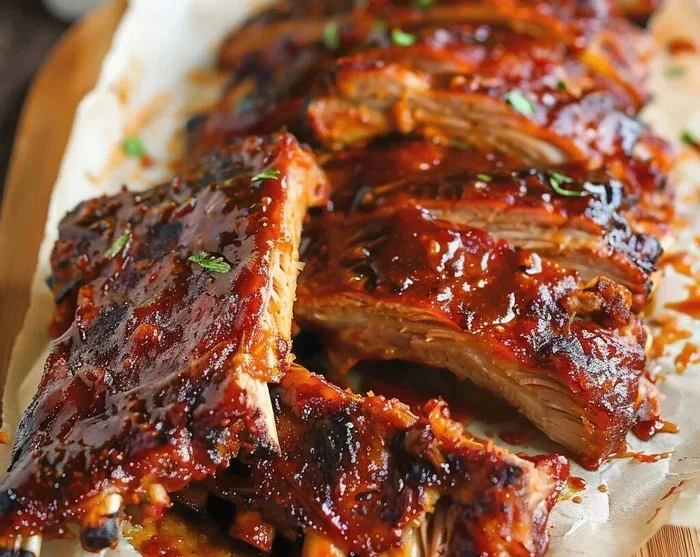
Brush your favorite barbecue sauce generously over all sides of the ribs. Return the unwrapped ribs to the oven for the final 15 to 30 minutes. The sauce will caramelize and create a sticky, glossy finish.
Watch them closely during this stage. Sauce can burn quickly at oven temperatures, so keep an eye on the ribs and pull them when the sauce looks set and slightly tacky.
Cooking Time Chart for Baby Back Ribs
Timing can vary based on rack size, oven accuracy, and personal preference. Use this cooking time chart as a general guide.
| Oven Temperature | Cooking Time | Best For |
|---|---|---|
| 275°F | 3 to 4 hours | Maximum tenderness, fall-off-the-bone texture |
| 300°F | 2.5 to 3 hours | Balanced tenderness with a firmer bite |
| 325°F | 2 to 2.5 hours | Faster cook time, more pronounced bark |
These times are for bone-in baby back ribs. If you are cooking a larger rack or meatier ribs, add an extra 30 minutes. Always use a meat thermometer to confirm doneness rather than relying on time alone.
Quick Tips for Perfect Oven Ribs Every Time
Here are some fast, practical tips that make a huge difference in your oven-baked ribs:
- Use a meat thermometer. This is the single most important tool for rib perfection. Insert it into the thickest part of the meat, avoiding the bone.
- Do not skip the foil phase. Wrapping the ribs for the first half of cooking keeps them moist and tender.
- Let the ribs rest. After pulling them from the oven, let them rest for 15 to 20 minutes under a loose tent of foil. This allows the juices to redistribute.
- Use a rack. Place ribs on a wire rack over a baking sheet for even airflow around the entire rack.
- Add liquid to the foil. A splash of apple cider vinegar, apple juice, or beer inside the foil adds moisture and flavor during the cook.
- Do not rush the process. Low-and-slow is not just a phrase. It is the key to tender ribs.
Common Mistakes People Make When Cooking Ribs in the Oven
Even experienced cooks sometimes make mistakes that ruin an otherwise perfect rack of ribs. Here are the most common ones to avoid.
Cooking at Too High a Temperature
This is the number one mistake. Cranking the oven to 375°F or 400°F might seem like a shortcut, but it dries out the meat before the collagen has time to break down. The result is tough, chewy ribs that are anything but tender.
Stick with 275°F and trust the process. You will be rewarded with ribs that are juicy and tender from edge to edge.
Skipping the Membrane Removal
That thin, papery membrane on the back of the rack might seem harmless, but it creates a rubbery layer that blocks seasoning and prevents the meat from becoming tender. Always remove it before cooking.
Adding Sauce Too Early
Barbecue sauce contains sugar, which burns easily at high temperatures. If you add it too early in the cook, it will caramelize into a bitter, blackened mess. Apply sauce only during the last 15 to 30 minutes of cooking.
Not Using a Meat Thermometer
Guessing when ribs are done leads to inconsistency. Ribs are done when the internal temperature reaches 195°F to 203°F. At this point, the meat has shrunk away from the bone by about a quarter inch and the ribs will bend and crack slightly when you pick them up with tongs.
Expert Insights: How Professional Pitmasters Approach Oven Ribs
Professional pitmasters often use a technique called the 3-2-1 method when smoking ribs. While this method was designed for smokers, you can adapt it for the oven with great results.
The 3-2-1 method works like this:
- 3 hours unwrapped in the oven at 275°F
- 2 hours wrapped in foil with a small amount of liquid
- 1 hour unwrapped with sauce applied during the last 30 minutes
This approach gives you three distinct texture layers. The outside develops a thick, flavorful bark. The middle stays incredibly moist and tender. And the sauce adds a sweet, tangy glaze that ties everything together.
Another expert tip is to use a Dutch oven for oven rib cooking. The heavy cast iron lid traps moisture and creates a self-basting environment that produces exceptionally tender ribs. If you have one, it is worth trying.
Expert Insight: According to competition barbecue judges, the best oven ribs have a bark that is firm but not burnt, meat that pulls cleanly from the bone with gentle pressure, and a juicy interior that is not greasy or dry. The internal temperature of 203°F is the magic number that hits all three marks.
How to Know When Ribs Are Done
Knowing when your baby back ribs are finished is one of the most satisfying parts of the whole process. There are three reliable ways to check for doneness.
- The Bend Test: Pick up the rack from one end with tongs. If it bends and cracks slightly on the surface, it is done. If it still feels stiff, give it more time.
- The Meat Thermometer Test: Insert a probe into the thickest part of the meat, avoiding bone. When it reads 195°F to 203°F, the ribs are ready.
- The Visual Test: The meat will have pulled back from the bone by about a quarter inch to a half inch. The surface will look dry and slightly glossy, indicating a good bark has formed.
Do not rely on just one method. Use two or all three to be absolutely sure. Overcooked ribs will fall apart completely and feel mushy. Undercooked ribs will be tough and chewy. The sweet spot is tender but still holding together.
Storing and Reheating Leftover Ribs
If you have leftovers — and let us be honest, that rarely happens — store them properly to keep them delicious.
Let the ribs cool to room temperature, then wrap them tightly in foil or place them in an airtight container. They will keep in the refrigerator for 3 to 4 days. To reheat, wrap them in foil with a splash of apple juice and warm them in the oven at 275°F for about 20 to 30 minutes. This prevents the meat from drying out and keeps the bark intact.
You can also freeze cooked ribs for up to 3 months. Wrap them tightly in plastic wrap and foil, or place them in a freezer-safe bag. Thaw overnight in the refrigerator before reheating.
Conclusion
Cooking baby back ribs in the oven is one of the most rewarding things you can do in the kitchen. The key to success lies in understanding what temp to cook baby back ribs in oven and giving yourself enough time to do it right. Set your oven to 275°F, keep the ribs wrapped in foil for the first half of the cook, apply your barbecue sauce in the final 30 minutes, and pull them at an internal temperature of 195°F to 203°F.
Once you nail this process, you will never need to order ribs at a restaurant again. The aroma alone will have your family and friends lining up at the kitchen door. So fire up your oven, grab a rack of pork ribs, and get ready to make the best ribs you have ever tasted. Low and slow, and you will be rewarded every single time.
Frequently Asked Questions
What is the best temperature to cook baby back ribs in the oven?
The best temperature is 275°F for tender, fall-off-the-bone ribs. If you prefer a slightly firmer texture and a shorter cook time, 300°F or 325°F also works well. Avoid temperatures above 350°F, as they can dry out the meat before the connective tissue breaks down.
How long does it take to cook ribs in the oven at 275°F?
At 275°F, baby back ribs typically take 3 to 4 hours to cook. The exact time depends on the size of the rack and how tender you like your meat. Always use a meat thermometer to confirm the internal temperature reaches 195°F to 203°F before pulling them out.
Should I wrap ribs in foil when cooking them in the oven?
Yes, wrapping ribs in foil during the first half of cooking helps retain moisture and speeds up the tenderizing process. This technique, often called the Texas crutch, produces juicier ribs. Unwrap them for the final phase to develop a crispy bark.
Can I cook ribs at 350°F in the oven?
You can, but it is not recommended for the best results. At 350°F, ribs cook faster but are more likely to dry out. The low-and-slow method at 275°F gives you more control and produces more tender, flavorful ribs. If you must cook at 350°F, reduce the cook time and check frequently.
What internal temperature should ribs reach before pulling them from the oven?
Pull ribs when the internal temperature reaches 195°F to 203°F. At this range, the collagen in the meat has fully broken down, resulting in a tender, juicy texture. The meat will also have pulled back from the bone by about a quarter inch.
How do I know if my oven ribs are done without a thermometer?
Use the bend test — pick up one end of the rack with tongs. If the ribs bend and crack slightly on the surface, they are done. You can also check if the meat has pulled back from the bone by about a quarter inch. However, a meat thermometer is the most reliable method for consistent results.