How Many Minutes To Cook Bacon In The Oven Perfectly
Wondering how many minutes to cook bacon in the oven? Oven-baked bacon cooks in just 15 to 25 minutes at 400°F, giving you crispy, even strips every time. This guide covers exact times for thin and thick cuts, plus pro tips for perfect oven-baked crispy bacon with minimal cleanup.
Key Takeaways
- 15 to 25 minutes: The sweet spot for most oven-baked bacon at 400°F.
- 400°F is the ideal temperature: It renders fat quickly and creates crispy edges.
- Use a wire rack: It lifts bacon off the pan for even cooking and less grease.
- Thin-cut bacon takes 15 minutes: Thin slices crisp up faster than thick-cut.
- Thick-cut bacon needs 25 minutes: Give it extra time for a chewy, meaty bite.
- Parchment paper simplifies cleanup: It prevents sticking and absorbs excess grease.
- Convection ovens work great: They reduce time by 2 to 5 minutes with even airflow.
📑 Table of Contents
- The Quick Answer: How Many Minutes To Cook Bacon In The Oven
- Why Oven-Baked Bacon Is the Easy Way Out
- The Perfect Oven Temperature and Time Guide
- Step-by-Step: How to Cook Bacon in the Oven
- Thick-Cut vs. Thin-Cut: Timing Differences
- Pro Tips and Common Mistakes for Perfect Bacon
- How to Store and Reheat Oven Bacon
The Quick Answer: How Many Minutes To Cook Bacon In The Oven
The short answer is 15 to 25 minutes. That range covers almost every type of bacon you will find at the grocery store. But the exact time depends on a few simple factors. The thickness of your slices is the biggest variable. Thin-cut bacon needs less time. Thick-cut bacon needs more. Your oven model matters too. Some ovens run hot. Some run cool. A reliable oven thermometer can take the guesswork out of it.
The target temperature is 400°F for most recipes. At this heat, the fat renders quickly. The meat crisps up evenly. You get that satisfying snap with every bite. Many people ask how many minutes to cook bacon in the oven because they want a foolproof method. The oven method is indeed foolproof. You just need a baking sheet, some parchment paper, and a little patience. No standing over a hot skillet. No splattered grease on your shirt. Just set it and forget it.
The beauty of oven-baked bacon is the hands-off approach. You can cook a full sheet pan while you make coffee, chop vegetables, or set the table. The whole process takes less than half an hour. Even if you are cooking for a crowd, the oven handles it easily. I will walk you through the exact times, the best setup, and the small tweaks that make all the difference. By the end of this guide, you will never go back to the stovetop.
Why Oven-Baked Bacon Is the Easy Way Out
Cooking bacon on the stovetop can be a messy affair. Grease pops and splatters. You have to flip each slice. You watch the pan like a hawk. The oven solves all of those problems. It is a gentle, even heat that does the work for you. The result is consistently cooked bacon with no hot spots.
The Science Behind Oven-Baked Bacon
When you bake bacon, the hot air surrounds every slice. This dry heat renders the fat slowly and evenly. The strips stay flat instead of curling up in a skillet. The grease drips away from the meat. This means less grease in your final bite. The bacon stays cleaner and lighter. Many people notice a purer pork flavor when they switch to the oven. The crispy bacon texture is easy to achieve because the air circulates around the entire surface.
The Maillard reaction is responsible for that beautiful golden-brown color. It happens when proteins and sugars interact at high heat. 400°F is the perfect temperature to trigger this reaction without burning the bacon. The oven-baked bacon method lets you control the process. You get the same delicious results every single time.
Batch Cooking for the Whole Family
Need bacon for a big breakfast? The oven is your best friend. A standard sheet pan holds 12 to 16 slices comfortably. That is enough for four to six people. Stovetop cooking would take forever for that amount. Oven-baking saves you serious time. You can even cook bacon for the whole week in one session. Let it cool, store it in the fridge, and reheat it each morning. The cooking times remain the same whether you bake one slice or a full pan.
The Perfect Oven Temperature and Time Guide
Temperature is the most important factor in perfect bacon. Too low and the fat will not render properly. The bacon will come out flabby and pale. Too high and the edges burn before the center cooks. The sweet spot is 400°F. This temperature renders the fat quickly. It also creates a beautiful golden color and a satisfying crunch.
Oven Temperature for Crispy Bacon
Always preheat your oven to 400°F before placing the bacon inside. Use the conventional bake setting. Do not use the broiler unless you want to finish the bacon with a quick char. Broiling can cause uneven burning. The top of the bacon may blacken while the bottom stays soft. Stick to baking for the most reliable results. If your oven tends to run hot, drop the temperature to 375°F. You may need to add a few extra minutes. The key is to watch the bacon closely during the last few minutes.
Time Chart for Different Bacon Thicknesses
Bacon thickness varies by brand and style. Here is a detailed time chart to guide you:
- Thin-cut bacon (0.04 inches): 15–18 minutes at 400°F. This yields a very crispy texture. Great for sandwiches and salads.
- Standard-cut bacon (0.06 inches): 18–22 minutes at 400°F. A perfect balance of crunch and chew.
- Thick-cut bacon (0.08 inches or more): 22–25 minutes at 400°F. This gives you meaty, chewy strips with crispy edges.
- Pancetta or Canadian bacon: 12–15 minutes at 400°F. These are leaner and cook faster.
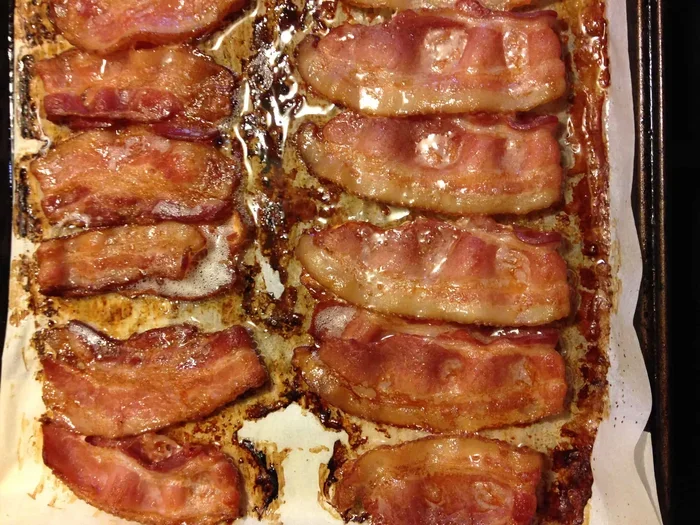
Set a timer for the minimum time. Check the bacon a few minutes early. You can always put it back for a couple more minutes. But you cannot undo overcooked bacon. The bacon doneness will be obvious when you see it. The strips should be golden brown and the fat should look slightly translucent and bubbly.
Can You Cook Bacon at a Lower Temperature?
Yes, you can. Some people prefer a low and slow approach. Baking at 325°F for 30 to 40 minutes renders the fat very gently. The result is ultra-chewy bacon with a delicate texture. This method works well for thick-cut bacon lovers. However, it takes longer. For most home cooks, 400°F is the sweet spot. It balances speed and texture perfectly. The oven-baked bacon method is flexible. You can adjust the temperature to suit your preference.
Step-by-Step: How to Cook Bacon in the Oven
Now you know the times and temperatures. Let us walk through the process step by step. It is dead simple and requires almost no attention.
What You Will Need
- A rimmed baking sheet
- A wire cooling rack (optional but highly recommended)
- Parchment paper or aluminum foil
- Your favorite bacon
- A pair of tongs
- A cooling rack or paper towels for draining
The Baking Process
- Preheat the oven: Set it to 400°F. Let it fully heat up before adding the bacon.
- Line the baking sheet: Use parchment paper or aluminum foil. This makes cleanup a breeze. The bacon grease wipes right off the pan.
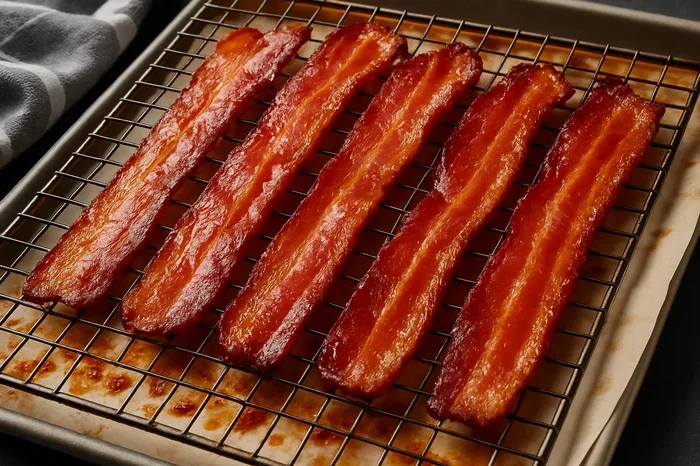
- Arrange the bacon: Lay slices flat without overlapping. If you use a wire rack, place it on the sheet first. The rack lifts the bacon and allows air to circulate underneath. This creates evenly crispy bacon on all sides.
- Bake: Put the sheet on the middle oven rack. Set a timer for 15 minutes.
- Check and flip: After 15 minutes, peek at the bacon. If it looks done, pull it out. If not, bake for 2 to 5 more minutes. Thin bacon may not need flipping. Thick bacon benefits from a quick flip halfway through for even cooking.
- Drain: Transfer the bacon to a plate lined with paper towels. This removes excess grease. It keeps the bacon crispy and prevents it from getting soggy.
That is it. No flipping constantly. No standing over a hot pan. The oven does all the work. The bacon grease you collect can be saved for cooking potatoes, eggs, or greens. It adds amazing flavor to any dish.
How to Tell When Bacon Is Done
Look for a deep golden-brown color. The bacon should feel firm to the touch. When you lift a strip with tongs, it should bend slightly but not flop. The fat should look slightly bubbly and rendered. If you like your bacon extra crispy, bake it for one or two extra minutes. Just keep a close eye on it. Burnt bacon tastes bitter and ruins the whole batch.
Thick-Cut vs. Thin-Cut: Timing Differences
Not all bacon is created equal. The cut dramatically affects cooking time. Understanding this helps you nail the texture you want every single time.
Thin-Cut Bacon: Fast and Crispy
Thin-cut bacon is the most common type. It is about 0.04 inches thick. It cooks very quickly. At 400°F, it needs only 15 to 18 minutes. The high heat renders the thin fat layer fast. The result is a shatteringly crispy bacon. It is perfect for topping burgers or folding into a sandwich. Watch it closely after 15 minutes. It can go from perfect to burnt in a flash. Thin-cut bacon is also great for recipes that call for crumbled bacon.
Thick-Cut Bacon: Chewy and Meaty
Thick-cut bacon is a real treat. It is at least 0.08 inches thick. It takes longer to cook. You need 22 to 25 minutes at 400°F. The extra time allows the fat to render slowly. The meat stays juicy and tender. The edges become beautifully crispy. Thick-cut bacon is ideal for a hearty breakfast plate. It also works well in carbonara or wrapped around scallops. The bacon texture is meatier and more satisfying.
How to Choose the Right Cut for Your Needs
If you want a quick snack or sandwich topping, go with thin-cut. It is ready in 15 minutes. If you want a substantial breakfast centerpiece, choose thick-cut. It holds up well against eggs and pancakes. You can also mix cuts on the same pan. Just remember that they will finish at different times. Pull the thin slices out early and let the thick slices stay a few minutes longer.
| Feature | Thin-Cut | Thick-Cut |
|---|---|---|
| Cooking Time | 15–18 min | 22–25 min |
| Texture | Very crispy | Chewy with crispy edges |
| Best For | Sandwiches, salads | Plates, pasta dishes |
| Fat Rendered | Quick | Slow, more flavor |
Both cuts are delicious. The choice depends on your preference. Either way, the oven delivers perfect results. The oven-baked crispy bacon method works for every type.
Pro Tips and Common Mistakes for Perfect Bacon
I have baked hundreds of batches of bacon over the years. Here are the lessons I have learned. Follow these tips to avoid pitfalls and elevate your breakfast game.
Common Mistakes to Avoid
- Overcrowding the pan: Do not overlap bacon slices. They will steam instead of bake. You will get soggy bacon. Give each slice room to breathe. A single layer is all you need.
- Skipping the wire rack: A wire rack elevates the bacon. It allows grease to drip away. This creates a crispier texture. Without a rack, the bacon sits in its own grease. It can become flabby and greasy.
- Not preheating the oven: Always preheat to 400°F. Putting bacon in a cold oven extends cooking time. It also leads to uneven rendering. The bacon may not crisp up properly.
- Using the broiler: The broiler creates intense direct heat. It can burn the edges while the center stays raw. Stick to baking for even results.
- Ignoring the bacon: Even though oven-baking is hands-off, do not ignore it entirely. Check it a few minutes before the target time. Ovens vary.
- Using a warped pan: A warped baking sheet can cause uneven cooking. The bacon may cook faster on one side. Invest in a flat, heavy-duty sheet pan.
Quick Tips for Better Bacon
- Line the pan with parchment paper: It prevents sticking and simplifies cleanup. The bacon grease wipes right off.
- Add a sprinkle of black pepper: Sprinkle it on the bacon before baking. It adds a subtle kick that complements the smoky flavor.
- Use a meat thermometer: For thick-cut, check the internal temperature. 145°F is safe and juicy.
- Save the bacon grease: Pour it into a jar. Use it to cook potatoes, eggs, or greens. It adds incredible flavor.
- Try a dash of maple syrup: Brush a tiny amount on the bacon in the last 2 minutes. It creates a sweet glaze that everyone loves.
- Experiment with seasoning: A pinch of cayenne or smoked paprika adds a new dimension to your oven-baked bacon.
Expert Insight: The Low and Slow Method
Some chefs prefer a lower temperature. They bake bacon at 325°F for 30 to 40 minutes. This low and slow method renders fat very gently. The result is ultra-chewy bacon with a delicate texture. It is a great technique for thick-cut bacon lovers. However, it takes longer. For most home cooks, 400°F is the sweet spot. It balances speed and texture perfectly. The crispy bacon you get from 400°F is hard to beat.
How to Store and Reheat Oven Bacon
Got leftover bacon? Do not throw it away. Proper storage keeps it delicious for days. Reheating correctly brings back that perfect crunch.
Storing Cooked Bacon
Let the bacon cool completely. Store it in an airtight container in the fridge. It stays good for 4 to 5 days. You can also freeze cooked bacon. Wrap it tightly in plastic wrap or foil. Freeze for up to 3 months. Thaw it in the fridge overnight. The oven-baked bacon holds its texture well when stored properly.
Reheating for Crispy Texture
Reheating is easy. Place the bacon on a baking sheet. Warm it in a 350°F oven for 3 to 5 minutes. This restores the crispy texture. Avoid microwaving if possible. Microwaves make bacon chewy and limp. The oven keeps it crispy and delicious. You can also reheat bacon in a toaster oven. Just watch it closely so it does not burn.
Final Takeaway: Now you know exactly how many minutes to cook bacon in the oven. With the right temperature and a little patience, you can enjoy crispy, delicious bacon any day of the week. The oven method is simple, reliable, and produces perfect results every time. Give it a try tomorrow morning and taste the difference.
Frequently Asked Questions
Can I cook bacon at 350°F instead of 400°F?
Yes, you can. Baking at 350°F will add about 5 minutes to the cooking time. The bacon will still come out crispy but with a slightly chewier texture. This lower temperature is a good option if you prefer a slower render and a more tender bite.
Do I need to flip bacon when baking it in the oven?
You do not need to flip it. The hot air circulates around the bacon and cooks it evenly on both sides. However, flipping thick-cut bacon halfway through can help it cook more uniformly. It is not required, but it is a nice touch for perfect oven-baked crispy bacon.
How do I know when the bacon is done?
The bacon is done when it is golden brown and the fat looks slightly bubbly and rendered. The strips should feel firm but still have a little flex. If you like extra crispy, bake for one or two more minutes. Always check a few minutes before the timer goes off.
Can I use aluminum foil instead of parchment paper?
Yes, aluminum foil works fine. It makes cleanup very easy because the grease wipes right off. However, parchment paper is slightly better because it prevents sticking. The bacon may release more easily on parchment. Either option will get the job done.
What is the best way to store leftover cooked bacon?
Let the bacon cool completely and store it in an airtight container in the refrigerator. It stays fresh for 4 to 5 days. You can also freeze it for up to 3 months. Reheat it in a 350°F oven for 3 to 5 minutes to restore the crispy texture.
Is oven-baked bacon healthier than stovetop bacon?
Oven-baked bacon can be slightly healthier because the grease drips away from the meat. You end up eating less fat. The bacon temperature and cooking method help render out excess grease. This results in a cleaner, lighter-tasting strip without sacrificing flavor.