How Long To Steam Ribs In Oven For Tender Juicy Ribs
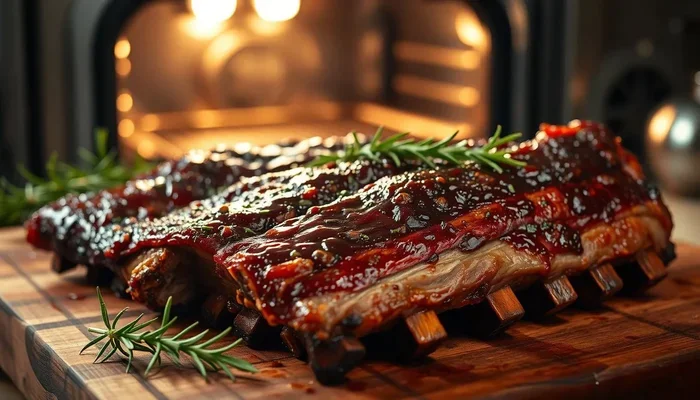
Steaming ribs in the oven is one of the best ways to get tender, juicy ribs every single time. This method uses gentle steam heat to break down tough connective tissue without drying out the meat. Whether you are cooking baby back ribs or spare ribs, knowing the right time and temperature makes all the difference. We will walk you through the entire process from prep to plate. By the end, you will feel confident enough to steam ribs like a pro.
There is nothing quite like pulling a rack of ribs out of the oven and watching the meat gently pull away from the bone. Tender, juicy, and packed with flavor, oven-steamed ribs are a showstopper at any dinner table. But here is the thing many people get wrong. They either cook them too short or too long. And that makes all the difference in the world.
If you have ever wondered how long to steam ribs in oven, you are in the right place. This guide will walk you through every step with clear instructions and real-world tips. We will cover timing, temperatures, wrapping methods, and flavor tricks. By the time you finish reading, you will know exactly how to make ribs that impress everyone at the table.
Key Takeaways
- Steaming ribs in the oven typically takes 2.5 to 3.5 hours depending on the type and size of the rack.
- Baby back ribs cook faster than spare ribs because they are smaller and leaner.
- Wrapping ribs in foil with liquid creates a steaming environment that keeps meat moist.
- Internal temperature of 195°F to 205°F is the sweet spot for fall-off-the-bone tenderness.
- Resting ribs for 10 to 15 minutes after cooking lets juices redistribute throughout the meat.
- Using a meat thermometer is the most reliable way to know when ribs are done.
- Seasoning before steaming and glazing at the end adds layers of flavor.
📑 Table of Contents
Why Steam Ribs In The Oven
Steaming ribs in the oven is a cooking method that uses trapped moisture to gently cook the meat. Unlike grilling or smoking, which exposes ribs to direct dry heat, steaming keeps the environment humid. This means the meat stays juicy and does not dry out. It is a simple but powerful technique that delivers consistent results.
Many home cooks love this approach because it is forgiving. You do not need a smoker or a fancy setup. Your regular oven does all the work. The steam created inside the foil or pan breaks down the collagen in the meat slowly. This leads to ribs that are tender and easy to cut with just a fork.
The Science Behind Steaming Ribs
When you trap moisture around ribs in a sealed environment, something magical happens. The steam transfers heat evenly across the surface of the meat. This prevents hot spots that can cause uneven cooking. The gentle heat also allows the connective tissue inside the ribs to melt into gelatin. That is what gives ribs their silky, melt-in-your-mouth texture.
The key factor here is time. Low and slow is the mantra of rib cooking. Rushing the process with high heat will give you tough, chewy meat. Patience is your best friend when you are steaming ribs in oven.
Steaming Vs. Baking Vs. Grilling Ribs
There are several ways to cook ribs in an oven. Baking uses dry heat and can sometimes leave ribs dry if you are not careful. Grilling gives you a smoky flavor and charred exterior but requires constant attention. Steaming falls right in the middle. It keeps ribs moist and tender while still allowing you to add a glaze or sauce at the end for caramelization.
Here is a quick comparison to help you understand the differences.
| Method | Cook Time | Moisture Level | Difficulty |
|---|---|---|---|
| Steaming | 2.5 to 3.5 hours | Very high | Easy |
| Baking | 3 to 4 hours | Moderate | Medium |
| Grilling | 4 to 6 hours | Low to moderate | Hard |
As you can see, steaming ribs in oven is one of the easiest and most reliable methods. It is perfect for beginners and busy weeknights alike.
How Long To Steam Ribs In Oven
The short answer is about 2.5 to 3.5 hours at 300°F to 325°F. But the full answer depends on a few important factors. The type of ribs you are using, the size of the rack, and whether you are wrapping them all play a role in the final cook time.
Let us break this down by rib type so you know exactly what to expect.
Baby Back Ribs Cooking Time
Baby back ribs are smaller, leaner, and more tender than other cuts. They come from the top of the pig where the rib meets the spine. Because they are thinner, they cook faster. You can expect baby back ribs to take about 2.5 to 3 hours when steaming in the oven.
These ribs are great for beginners because they are hard to mess up. The meat is naturally tender and does not need as much time to break down. Just keep an eye on the internal temperature, and you will be golden.
Spare Ribs Cooking Time
Spare ribs come from the belly side of the pig. They are fattier, meatier, and thicker than baby backs. Because of this, they need more time to become fully tender. Plan for about 3 to 3.5 hours when steaming spare ribs in oven.
The extra fat in spare ribs actually works in your favor during steaming. The fat renders slowly and keeps the meat moist throughout the cook. Just make sure you trim any excess fat cap before you start so the ribs do not become greasy.
St. Louis Style Ribs
St. Louis style ribs are spare ribs that have been trimmed into a neat rectangular shape. They cook similarly to regular spare ribs. Plan for about 3 to 3.5 hours at 300°F to 325°F. The trimmed shape allows for more even heat distribution, which helps them cook consistently.
Step By Step Guide To Steaming Ribs
Now that you know the timing, let us get into the actual process. Follow these steps for perfectly steamed ribs every single time.
Step One: Prep The Ribs
Start by removing the membrane from the back of the rib rack. This thin, papery layer can be tough and chewy after cooking. Use a butter knife to loosen one corner, then grab it with a paper towel and pull it off. It might take a little effort, but it is worth it.
Next, pat the ribs dry with paper towels. This helps the seasoning stick better. Season both sides generously with your favorite dry rub. A basic mix of brown sugar, paprika, garlic powder, onion powder, salt, and black pepper works wonders. Let the seasoned ribs sit at room temperature for about 30 minutes before cooking.
Step Two: Wrap In Foil With Liquid
This is the key step that makes steaming possible. Take a large sheet of heavy-duty aluminum foil and place the ribs in the center, meat side up. Add about a quarter cup of liquid to the foil. You can use apple cider vinegar, apple juice, beer, or even water. The liquid creates steam inside the foil packet.
Wrap the foil tightly, sealing all the edges. Make sure there are no gaps where steam can escape. The goal is to create a sealed environment that traps moisture and heat around the ribs.
Step Three: Place In Oven And Cook
Preheat your oven to 300°F to 325°F. Place the wrapped ribs on a baking sheet or in a deep roasting pan. Put them in the center rack of the oven. Cook for about 2.5 to 3.5 hours depending on the type of ribs.
Resist the urge to open the foil during cooking. Every time you open it, you release steam and extend the cook time. Trust the process and let the oven do the work.
Step Four: Unwrap And Glaze
After the ribs are done, carefully remove them from the oven. Open the foil slowly because there will be a burst of steam. Let the ribs cool for a few minutes, then brush them with your favorite barbecue sauce or glaze.
Return the glazed ribs to the oven unwrapped for about 10 to 15 minutes. This allows the sauce to caramelize and form a sticky, beautiful glaze on the surface. Keep an eye on them so the sauce does not burn.
Step Five: Rest And Serve
Take the ribs out of the oven and let them rest for 10 to 15 minutes before cutting. This resting period allows the juices to redistribute throughout the meat. When you cut into them, they will be juicy and full of flavor. Use a sharp knife or meat cleaver to slice between the bones and serve.
Best Temperatures For Steaming Ribs
Temperature control is one of the most important factors in oven-steamed ribs. The ideal range is 300°F to 325°F. This low temperature allows the steam to do its work without overcooking or drying out the meat.
If you set the oven too high, the liquid inside the foil will boil too aggressively. This can make the meat stringy and tough. On the other hand, if the temperature is too low, the ribs will take forever to cook and may not reach the internal temperature needed for tenderness.
Invest in an oven thermometer if you are unsure about your oven’s accuracy. Many ovens run hotter or cooler than their dial suggests. A simple oven thermometer can save you a lot of frustration and help you nail the perfect rib every time.
Tips For Perfect Steamed Ribs
Getting great ribs every time comes down to a few key details. Here are some quick tips that make a big difference.
- Use heavy-duty foil. Regular foil tears easily and can let steam escape. Heavy-duty foil holds up better during the long cook.
- Do not skip the resting period. Resting ribs after cooking is just as important as the cook itself. It makes a noticeable difference in juiciness.
- Marinate overnight. If you have time, apply your dry rub the night before and let the ribs sit in the fridge overnight. The flavors penetrate deeper into the meat.
- Use a meat thermometer. The internal temperature is the most reliable indicator of doneness. Aim for 195°F to 205°F for tender, fall-off-the-bone ribs.
- Add wood chips to the liquid. For a subtle smoky flavor, soak wood chips in water and add them to the foil packet before sealing.
- Do not rush the process. Low and slow is the secret to tender ribs. Trying to speed things up with higher heat will only disappoint you.
Common Mistakes To Avoid
Even experienced cooks can make mistakes when steaming ribs. Here are the most common ones and how to avoid them.
Cooking At Too High A Temperature
This is the number one mistake people make. Cranking the oven to 400°F or higher might seem like a shortcut, but it will give you dry, tough ribs. The whole point of steaming ribs in oven is to use low, gentle heat. Trust the process and keep the temperature between 300°F and 325°F.
Opening The Foil Too Often
Every time you open the foil to check on the ribs, you release valuable steam. This extends the cook time and can lead to drier meat. Resist the temptation to peek. Instead, check the ribs by feel or use a meat thermometer through a small gap in the foil.
Using Too Much Liquid
While liquid is essential for creating steam, too much can actually boil the ribs instead of steaming them. A quarter cup is usually enough for a full rack. Too much liquid can make the meat waterlogged and bland.
Skipping The Membrane Removal
That thin membrane on the back of the rib rack is tough and does not soften well during steaming. Some people leave it on because it is easier, but your ribs will be much better if you take the time to remove it. It only takes a minute and makes a noticeable difference.
Not Letting Ribs Rest After Cooking
Cutting into ribs right after they come out of the oven is tempting, but it is a mistake. The juices will run all over the cutting board instead of staying in the meat. Give them 10 to 15 minutes to rest, and you will notice the difference immediately.
Flavor Variations For Steamed Ribs
One of the best things about steaming ribs in oven is how easy it is to customize the flavor. Here are some delicious variations to try.
Asian-Inspired Ribs
For a twist on traditional ribs, try an Asian-inspired flavor profile. Use soy sauce, sesame oil, ginger, and garlic in your foil packet liquid. Add a splash of rice vinegar and a drizzle of honey. After steaming, glaze the ribs with a hoisin-based sauce and sprinkle with sesame seeds and green onions.
Honey Bourbon Ribs
Mix bourbon, honey, and a splash of apple cider vinegar for a sweet and smoky glaze. Brush it on during the last 15 minutes of cooking and let it caramelize in the oven. The result is rich, sweet, and absolutely irresistible.
Spicy Chipotle Ribs
Add chipotle peppers in adobo sauce to your foil liquid for a smoky, spicy kick. Mix some of the adobo sauce into your barbecue glaze for extra heat. These ribs are perfect for people who love a little fire in their food.
Garlic Herb Ribs
Keep it simple with fresh garlic, rosemary, thyme, and butter. This classic combination lets the natural flavor of the pork shine through. It is elegant, comforting, and pairs beautifully with roasted vegetables.
How To Store And Reheat Steamed Ribs
Leftover ribs are actually better the next day because the flavors have more time to meld together. Store cooked ribs in an airtight container in the refrigerator for up to 3 to 4 days.
To reheat, place the ribs in a foil packet with a splash of apple juice or water. Steam them in the oven at 275°F for about 20 to 30 minutes. This gentle reheating method keeps the ribs moist and prevents them from drying out. You can also reheat ribs in the microwave, but the oven method gives much better results.
Final Thoughts
Learning how long to steam ribs in oven is the foundation for making incredible ribs at home. With the right timing, temperature, and a little patience, you can achieve restaurant-quality results without any special equipment. The steaming method is forgiving, easy to master, and produces ribs that are tender, juicy, and full of flavor.
Whether you are cooking for a family dinner, a weekend gathering, or just treating yourself, steamed ribs are hard to beat. Follow the steps in this guide, use a meat thermometer, and do not be afraid to experiment with flavors. The more you cook, the better you will get. So fire up your oven, grab a rack of ribs, and get ready to enjoy one of the most satisfying meals you will ever make.
Remember, great ribs do not happen by accident. They happen by following a process and giving the meat the time it needs to become truly tender. Now that you know exactly how long to steam ribs in oven, you are well on your way to rib perfection.
Frequently Asked Questions
Can I steam ribs in oven without foil?
You can, but foil is essential for trapping steam and keeping the ribs moist. Without foil, the oven will dry out the meat. If you do not want to use foil, place a small pan of water on the rack below the ribs to add moisture to the oven environment.
What is the best internal temperature for steamed ribs?
The ideal internal temperature for steamed ribs is 195°F to 205°F. At this range, the collagen in the meat has fully broken down, resulting in tender, fall-off-the-bone ribs. Always use a meat thermometer inserted into the thickest part of the meat for the most accurate reading.
Can I steam ribs at 250°F instead of 300°F?
Yes, you can steam ribs at 250°F, but it will take longer. Expect an additional 30 minutes to an hour of cook time. Lower temperatures cook more gently and can produce even more tender results, but they require more patience.
How do I know when steamed ribs are done?
The best way to tell is by using a meat thermometer. When the internal temperature reaches 195°F to 205°F, the ribs are done. You can also check by pressing the meat with a fork. If it pulls back from the bone easily and feels tender, your ribs are ready.
Can I use a baking pan instead of foil?
Yes, you can place ribs in a baking pan with a tight-fitting lid instead of foil. The lid traps steam just like foil does. However, foil is the most common and convenient method for steaming ribs in oven at home.
Should I sauce ribs before or after steaming?
Always apply sauce after steaming and during the final glaze phase. Sauces contain sugar that can burn if applied too early. After the ribs are fully steamed, unwrap them, brush on sauce, and return them to the oven for 10 to 15 minutes to caramelize.
=== CONCLUSION ===
Steaming ribs in the oven is one of the simplest and most effective ways to achieve tender, juicy ribs at home. Now that you know exactly how long to steam ribs in oven, you have everything you need to succeed. The key is to be patient, keep the temperature low, and let the steam do the heavy lifting.
Whether you prefer baby back ribs or spare ribs, this method delivers consistent, delicious results every time. Follow the steps, avoid common mistakes, and do not be afraid to experiment with flavors. Your kitchen will smell incredible, and your family and friends will be asking for ribs at every gathering.
So the next time you are craving ribs, skip the grill and try steaming them in the oven. You might just discover your new favorite way to cook ribs. Happy cooking!