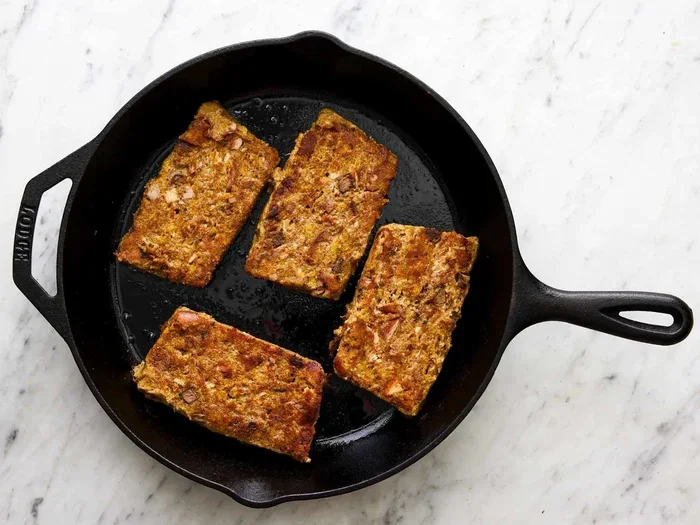
How To Make Scrapple In The Oven Simple And Delicious
Making scrapple in the oven is the easiest and cleanest way to enjoy this classic Pennsylvania Dutch breakfast meat. This simple method delivers crispy edges and a tender center without the mess of stovetop cooking. You only need a few humble ingredients like pork scraps, cornmeal, and spices. Whether you are new to scrapple or a longtime fan, this oven method is a game-changer. Read on to discover the full recipe and pro tips for perfect results every time.
Key Takeaways
- Oven-baked scrapple is simpler and cleaner: No need to stand over a stove and flip slices constantly.
- Only a few ingredients are needed: Pork scraps, cornmeal, flour, and basic seasonings create authentic flavor.
- The oven method gives even cooking: Every slice of scrapple gets crispy edges and a firm center.
- It stores well and reheats beautifully: Make a big batch and enjoy scrapple all week long.
- Serving options are endless: Try it with eggs, syrup, or in sandwiches for a creative twist.
- It is beginner-friendly: Even first-time cooks can nail this recipe with confidence.
- Traditional and modern techniques merge: You get the classic taste with a modern, hands-off approach.
📑 Table of Contents
- What Is Scrapple And Why Make It In The Oven
- Ingredients You Will Need For Oven Scrapple
- Step-By-Step Oven Scrapple Recipe
- Tips For Perfect Oven-Baked Scrapple Every Time
- How To Cook And Serve Your Scrapple
- Common Mistakes To Avoid When Making Scrapple
- Expert Insights On Oven-Baked Scrapple
- Why Oven Scrapple Belongs In Your Kitchen
- Conclusion
What Is Scrapple And Why Make It In The Oven
Scrapple is a beloved breakfast dish with deep roots in Pennsylvania Dutch cooking. It started as a way to use every part of the pig. Farmers would take pork scraps and combine them with cornmeal and spices. Then they would cook the mixture into a loaf. Once cooled, they sliced it and fried it up for breakfast.
Making scrapple in the oven is a modern twist on this centuries-old tradition. The oven method takes the guesswork out of cooking. You get consistent results without standing over a hot stove. It is hands-off, easy to clean up, and perfect for busy mornings.
Many people love oven-baked scrapple because it cooks evenly from edge to center. The top gets beautifully golden while the bottom stays firm. You can bake a whole loaf at once instead of cooking individual slices. This saves time and effort, especially when feeding a family.
If you have never tried scrapple before, the oven method is the perfect starting point. It is forgiving and hard to mess up. Even beginners can achieve great results with very little practice.
A Brief History Of Scrapple
Scrapple dates back to the 17th and 18th centuries in Germany and the Netherlands. German immigrants brought their pork and cornmeal recipes to Pennsylvania. They adapted those recipes using local ingredients. The word “scrapple” comes from “panhaskröppel,” a German dish made from pork scraps and grain.
Over time, scrapple became a staple in the Mid-Atlantic region of the United States. Today, it is enjoyed far beyond its original homeland. People across the country are rediscovering this affordable and flavorful breakfast meat. The oven method helps bring it into the modern kitchen.
Ingredients You Will Need For Oven Scrapple
One of the best things about making scrapple in the oven is how few ingredients you need. You probably already have most of them in your pantry. Here is what you will need for a basic batch.
Core Ingredients
- Pork scraps or ground pork: You can use pork shoulder, pork butt, or any leftover pork pieces. This is the base of your pork and cornmeal mixture.
- Cornmeal: Yellow or white cornmeal works well. It gives scrapple its signature texture and flavor.
- All-purpose flour: A small amount helps bind the mixture together.
- Water or broth: Use chicken broth for extra flavor or plain water for a simpler version.
- Salt and black pepper: Basic seasoning that brings out the natural pork flavor.
- Sage: This is the classic herb for scrapple. It gives that traditional, savory taste.
- Thyme or rosemary (optional): A pinch of these adds a nice herbal depth.
Pantry Substitutions
Do not have pork scraps on hand? No problem. Ground pork from the grocery store works perfectly. You can also swap broth for water if needed. Some cooks add a little sugar or honey for a subtle sweetness. Feel free to experiment with what you have.
Tools You Will Need
- A medium mixing bowl
- A loaf pan or baking dish
- A mixing spoon or spatula
- Parchment paper or cooking spray
- A sharp knife for slicing
That is all you need. No fancy equipment required for this easy scrapple recipe.
Step-By-Step Oven Scrapple Recipe
Now let us get into the fun part. Here is a complete walkthrough of how to make scrapple in the oven. Follow these steps and you will have a delicious loaf ready to slice and fry in no time.
Step One: Cook The Pork
Start by browning your pork scraps or ground pork in a skillet. Cook it over medium heat until it is fully done and slightly crispy. This step builds deep flavor in your scrapple recipe. Break the meat into small pieces as it cooks. You want it crumbled and evenly browned.
Once cooked, drain any excess grease. You do not want your scrapple to be greasy. Set the pork aside and let it cool slightly while you prepare the next step.
Step Two: Prepare The Liquid Mixture
In a large pot, bring your water or broth to a boil. Once boiling, slowly stir in the cornmeal. Add the flour at the same time. Keep stirring to prevent lumps from forming.
Reduce the heat to low and let the mixture simmer. Stir it frequently for about 10 minutes. It will thicken into a porridge-like consistency. This is your cornmeal mush base.
Step Three: Combine Everything
Add the cooked pork back into the pot. Stir in the sage, salt, pepper, and any optional herbs. Mix everything together until it is well combined. The mixture should be thick but still pourable.
Remove the pot from the heat and let it cool for about 15 minutes. You want it warm, not hot, before you pour it into the pan.
Step Four: Pour And Bake
Preheat your oven to 350°F. Grease a loaf pan or line it with parchment paper. Pour the warm mixture into the pan and spread it evenly.
Place the pan in the oven and bake for 45 to 60 minutes. The scrapple cooking time depends on your oven and the size of your pan. The top should be golden brown and firm to the touch. A toothpick inserted in the center should come out clean.
Step Five: Cool And Slice
Remove the pan from the oven and let it cool completely. This is important. If you slice it too soon, it will fall apart. Let it rest in the fridge for at least two hours or overnight.
Once cooled, turn the loaf out onto a cutting board. Slice it into thick pieces, about half an inch each. These scrapple slices are ready to be cooked in a skillet or back in the oven.
Tips For Perfect Oven-Baked Scrapple Every Time
Getting great results is easier than you think. Follow these tips to make sure your oven-baked scrapple turns out perfectly every single time.
Use The Right Pan Size
A standard 9×5 loaf pan works best for most recipes. If you use a pan that is too large, the scrapple will be too thin and may crumble. A smaller pan makes it thicker and easier to slice. Stick with a standard loaf pan for the best results.
Do Not Skip The Cooling Step
This is the number one mistake people make. Cooling allows the mixture to set and firm up. Warm scrapple is soft and messy. Cold scrapple holds its shape and slices cleanly. Patience here makes a huge difference in your final product.
Adjust Seasoning To Your Taste
Traditional scrapple is savory with a hint of sage. But you can adjust the seasoning to match your preferences. Add more pepper if you like it spicy. Throw in some garlic powder for extra flavor. The beauty of making scrapple in the oven is that you can customize it easily.
Line Your Pan For Easy Cleanup
Line your loaf pan with parchment paper before pouring in the mixture. This makes removing the loaf a breeze. It also prevents sticking and makes cleanup much faster. A small step that saves a lot of hassle.
Let The Oven Do The Work
One of the biggest advantages of the oven method is that it is mostly hands-off. You do not need to stir or flip anything once it is in the oven. Set a timer, walk away, and let the oven work its magic. Come back when the timer goes off and your scrapple loaf is ready.
How To Cook And Serve Your Scrapple
Once your scrapple loaf is baked and sliced, it is time to cook and serve it. There are several ways to prepare scrapple slices for the best eating experience.
Pan-Frying Is The Classic Method
Heat a skillet over medium heat and add a thin layer of oil or butter. Place your scrapple slices in the pan and cook for 3 to 4 minutes on each side. You want the edges to turn golden brown and crispy. The center should be warm and slightly soft.
Pan-fried scrapple has a wonderful crunch on the outside. The inside stays moist and flavorful. This is how most people enjoy their breakfast dish and for good reason.
Oven Reheating Works Great Too
If you baked extra scrapple or want to reheat leftovers, the oven works well. Place slices on a baking sheet and bake at 375°F for 10 to 12 minutes. This keeps them crispy without burning. It is a great option for busy weekday mornings when you want a hot breakfast fast.
Creative Serving Ideas
Scrapple is versatile and pairs well with many foods. Here are some serving ideas to try:
- With eggs and toast: The classic breakfast combo. Scrapple, scrambled eggs, and a piece of toast make a hearty morning meal.
- With syrup or honey: A sweet and savory combination that many people love. The sweetness balances the savory pork flavor perfectly.
- In sandwiches: Place slices between English muffins with egg and cheese for a breakfast sandwich with a twist.
- With hot sauce: Add a kick of heat with your favorite hot sauce. This elevates the flavor and adds excitement.
- On its own: Some people enjoy scrapple straight from the pan. The crispy edges and savory flavor are satisfying all on their own.
Storage And Reheating Tips
Oven-baked scrapple stores well in the refrigerator for up to one week. Keep it in an airtight container or wrapped tightly in plastic. You can also freeze scrapple slices for up to three months.
To reheat frozen scrapple, place slices in the oven at 350°F for 15 minutes. For refrigerated slices, 10 minutes at 375°F works perfectly. Always reheat until the center is warm to the touch.
Common Mistakes To Avoid When Making Scrapple
Even simple recipes have pitfalls. Here are common mistakes people make when they make scrapple in the oven and how to avoid them.
Using Too Much Liquid
If your mixture is too watery, the scrapple will not set properly. It will be mushy and fall apart when you slice it. Follow the recipe measurements closely, especially the water or broth. You can always add a little more, but you cannot take it away once it is in the pot.
Skipping The Browning Step
Browning the pork first adds a layer of flavor that is hard to replicate later. Some people skip this step to save time. Do not do it. That extra step makes a real difference in the final taste of your pork and cornmeal loaf.
Not Letting It Cool Long Enough
This cannot be stressed enough. Cutting into warm scrapple is tempting but it leads to a messy, crumbly result. Give it at least two hours in the fridge. Overnight is even better. The wait is worth it.
Overcooking The Loaf
Baking too long can dry out your scrapple. Check it at the 45-minute mark. A slightly moist center is okay because it will firm up as it cools. Overbaked scrapple becomes hard and dry, which is not enjoyable to eat.
Using The Wrong Cornmeal
Use regular cornmeal, not instant or quick-cooking varieties. Regular cornmeal gives the best texture and flavor for traditional scrapple. Instant cornmeal can make the texture too fine and mushy.
Expert Insights On Oven-Baked Scrapple
We talked to experienced cooks who have been making scrapple for decades. Here is what they had to say about the oven method.
Mary, a third-generation scrapple maker from Pennsylvania, shared: “I have always made scrapple on the stovetop. When I first tried the oven method, I was skeptical. But now I never go back. It is so much easier, and the results are just as good.”
Chef Tom, a Mid-Atlantic food expert, added: “The oven gives you even heat distribution. That means every slice of scrapple cooks the same way. No more hot spots or uneven edges. It is the smart way to make this traditional dish.”
These experts agree that oven-baking is the future of scrapple making. It preserves the authentic taste while making the process more accessible to modern home cooks.
Why Oven Scrapple Belongs In Your Kitchen
Scrapple in the oven is more than just a cooking method. It is a way to bring a beloved tradition into the modern kitchen. You get all the flavor and character of traditional scrapple with less effort and less mess.
This dish is affordable, filling, and packed with protein. A single batch of oven-baked scrapple can feed a family for several days. It is one of the most budget-friendly breakfast meats you can make at home.
Whether you grew up eating scrapple or you are trying it for the first time, the oven method makes it accessible to everyone. The hands-off cooking, easy cleanup, and consistent results make it a winner. Once you try it, you will wonder why you ever bothered with the stovetop method.
So grab your pork scraps and cornmeal. Preheat the oven and get ready to make something delicious. Your kitchen — and your taste buds — will thank you.
Conclusion
Making scrapple in the oven is simple, satisfying, and surprisingly fun. You start with basic ingredients and end with a delicious breakfast meat that the whole family will love. The oven method takes the stress out of cooking and delivers consistent, great results every time.
Remember the key steps: brown the pork, simmer the cornmeal mixture, combine everything, bake at 350°F, and let it cool before slicing. Follow those steps and you will have perfect oven-baked scrapple on your table in about an hour and a half of active and passive time combined.
Do not be afraid to experiment with seasonings and serving styles. Scrapple is a versatile dish that can be enjoyed in many ways. Make it your own and make it yours for years to come.
Now that you know how easy it is, give this recipe a try this weekend. How to make scrapple in the oven has never been simpler or more delicious. Your next great breakfast idea is just one loaf away.
Frequently Asked Questions
Can I use ground pork instead of pork scraps for this recipe?
Yes, absolutely. Ground pork works perfectly and is actually the most common choice for oven-baked scrapple. It is easy to find and gives you consistent results every time. Just brown it thoroughly before mixing it into the cornmeal base.
How long does oven-baked scrapple last in the refrigerator?
Properly stored scrapple slices last up to one week in the fridge. Keep them in an airtight container to maintain freshness. You can also freeze them for up to three months if you want to make a larger batch ahead of time.
What temperature should I bake scrapple at?
Bake your scrapple loaf at 350°F for the best results. This temperature allows the inside to set while the top gets a nice golden crust. Always preheat your oven before placing the pan inside for even cooking.
Is scrapple the same as pork rinds or other pork snacks?
No, scrapple is quite different. It is a pork and cornmeal loaf made from pork scraps and grain. Pork rinds are just fried pig skin. Scrapple has a completely different texture and flavor profile that is soft, savory, and cornmeal-based.
Can I make scrapple without sage if I do not like the flavor?
Yes, you can leave out sage or replace it with other herbs. Thyme, rosemary, or even a pinch of poultry seasoning work well as alternatives. The base scrapple recipe is flexible, so feel free to adjust the seasonings to suit your taste.
Can I make scrapple in the oven without a loaf pan?
Yes, you can use any oven-safe baking dish. A square or rectangular pan works just as well as a loaf pan. Just adjust the scrapple cooking time slightly if the pan is deeper or shallower than a standard loaf pan.