How Many Degrees For Turkey In Oven To Cook It Right
Cooking turkey at the right temperature is the key to a juicy, flavorful bird. Most whole turkeys roast best at 325°F to 350°F, depending on size and recipe. This guide covers how many degrees for turkey in oven, cooking times, and expert tips for perfect results. Whether you are a beginner or seasoned cook, you will find everything you need here.
Cooking a turkey in the oven can feel intimidating. There are so many variables to consider. Temperature, size, stuffed or unstuffed, and oven type all play a role. But here is the good news. Getting the temperature right is simpler than you think.
The most common question home cooks ask is, “How many degrees for turkey in oven?” The answer depends on a few factors, but the general range is 325°F to 350°F. This guide will walk you through everything you need to know. From oven settings to cooking times, we have you covered.
Whether you are preparing a Thanksgiving feast or a weekend dinner, getting the turkey cooking temperature right makes all the difference. A perfectly roasted oven-baked turkey has crispy golden skin and juicy meat inside. No one wants a dry, overcooked bird. That is why we created this comprehensive guide.
We will cover every angle. You will learn about turkey roasting pan choices, convection oven turkey settings, and how to check if your bird is done. By the end, you will feel confident in the kitchen. Let us dive in.
Key Takeaways
- 325°F is the standard temperature: Most turkey recipes recommend roasting at 325°F for even cooking.
- Internal temp matters most: The turkey is done when the thickest part of the thigh reaches 165°F.
- Cooking time depends on weight: A general rule is about 13 minutes per pound at 325°F.
- Convection ovens cook faster: Reduce temperature by 25°F when using a fan-assisted oven.
- Resting is essential: Let the turkey rest for 20-30 minutes before carving for juicier meat.
- Use a meat thermometer: Never guess the internal temperature; always use a reliable thermometer.
- Brining adds moisture: Brining your turkey before roasting keeps it incredibly juicy.
📑 Table of Contents
- How Many Degrees For Turkey In Oven: The Short Answer
- Turkey Cooking Time Per Pound At Different Temperatures
- Convection Oven Vs Conventional Oven For Turkey
- Pro Tips For Juicy Turkey Every Time
- Common Mistakes People Make When Roasting Turkey
- How To Tell When Turkey Is Done
- Quick Tips For Perfect Oven Turkey
- Frequently Asked Questions
- Conclusion
How Many Degrees For Turkey In Oven: The Short Answer
The short answer is 325°F. This is the most recommended turkey oven settings temperature by food safety experts. The USDA advises roasting whole poultry at 325°F or higher. This temperature ensures the turkey cooks evenly throughout.
However, some recipes call for 350°F. This is especially true for smaller turkeys or when you want a slightly crispier skin. The key is to stay within the 325°F to 350°F range. Going lower than 325°F can leave the turkey in the danger zone too long. Going higher can dry out the meat.
Here is a quick breakdown of the standard turkey cooking temperature guidelines:
- 325°F: The gold standard for most whole turkeys. Even cooking, moist results.
- 350°F: Great for smaller birds or faster cooking. Slightly crispier skin.
- 300°F: Low and slow approach. Best for very large turkeys over 20 pounds.
- 400°F: Higher heat for shorter time. Use with caution to avoid drying out.
Why Temperature Matters So Much
Temperature control is the backbone of turkey roasting. Too low, and the turkey sits in the bacterial danger zone for too long. Too high, and the outside burns before the inside cooks through.
The ideal internal temperature turkey should reach 165°F in the thickest part of the thigh. This is the safe minimum set by the USDA. But here is a secret many chefs share. Letting the turkey rest after pulling it from the oven raises the temperature another 5 degrees. This carryover cooking ensures safety and juiciness.
Using an oven thermometer is one of the best things you can do. Many ovens run hot or cold. An oven thermometer tells you the true temperature inside. This small tool can make a huge difference in your results.
Turkey Cooking Time Per Pound At Different Temperatures
Now that you know the temperature, let us talk about time. Cooking time depends on three main factors. The weight of the turkey, whether it is stuffed, and your oven type.
A general rule of thumb for turkey cooking time per pound at 325°F is about 13 to 15 minutes per pound. But this is just an estimate. Always rely on the internal temperature, not the clock.
Time Chart For Different Turkey Sizes
Here is a practical guide to help you plan your cooking schedule. These times are for unstuffed turkeys roasted at 325°F:
- 8-12 pounds: 2.5 to 3 hours
- 12-14 pounds: 3 to 3.5 hours
- 14-18 pounds: 3.5 to 4 hours
- 18-20 pounds: 4 to 4.5 hours
- 20-24 pounds: 4.5 to 5 hours
These times assume you are using a standard conventional oven. If you use a convection oven turkey method, reduce the time by about 25%. Convection fans circulate hot air more efficiently, so the turkey cooks faster.
Stuffed Turkey: Add Extra Time
Stuffing a turkey adds complexity. A stuffed turkey temperature needs to reach 165°F in both the meat and the stuffing. This usually adds 30 to 45 minutes to the total cook time.
The stuffing must reach a safe internal temperature of 165°F. Otherwise, you risk foodborne illness. Many chefs prefer to cook the stuffing separately. This gives you more control over temperature and texture.
Convection Oven Vs Conventional Oven For Turkey
Not all ovens are the same. Understanding the difference between convection and conventional heating is important. This choice directly affects your turkey oven settings.
A conventional oven uses static heat from the bottom element. A convection oven uses a fan to circulate hot air around the food. Both can produce excellent results, but they work differently.
When To Use Conventional
Conventional ovens are the standard for most whole turkey recipe instructions. The gentle, steady heat allows the turkey to cook evenly from edge to center. If you are new to roasting, stick with conventional at 325°F.
Conventional ovens are also better for larger turkeys. The still air allows the skin to render slowly, creating that perfect crispy exterior. Many home cooks swear by this method for holiday dinners.
When To Use Convection
Convection ovens are fantastic for oven-baked turkey. The circulating air cooks the bird faster and more evenly. You can also get beautifully crispy skin with convection.
Here is the key adjustment. When using a convection oven, reduce the temperature by 25°F. So if a recipe says 325°F, set your convection to 300°F. The fan does the work of heating, so you need less direct heat.
Convection also works well for smaller turkeys under 12 pounds. The even airflow prevents hot spots and promotes consistent browning. It is a great option if you are short on time.
Pro Tips For Juicy Turkey Every Time
Temperature is only one piece of the puzzle. Technique matters just as much. Follow these expert tips to elevate your turkey roasting pan game.
Brine Your Turkey Overnight
Brining is one of the best things you can do for moisture. A simple brine of salt, sugar, and water works wonders. Soak the turkey for 12 to 24 hours before roasting.
The salt breaks down proteins and helps the meat retain moisture during cooking. This is especially helpful for turkey breast temperature management. The breast meat tends to dry out faster than dark meat. Brining helps prevent that.
Dry Brine As An Alternative
Not everyone has time for a wet brine. A dry brine is just as effective. Simply rub the turkey with salt and let it sit uncovered in the fridge for 12 to 24 hours.
This method dries the skin, which leads to crispier results. It also seasons the meat deeply. Many professional cooks prefer the dry brine method for Thanksgiving turkey preparation.
Bring The Turkey To Room Temperature
Take the turkey out of the fridge 1 to 2 hours before cooking. A room-temperature bird cooks more evenly than a cold one.
Cold turkey in a hot oven creates uneven cooking. The outside overcooks while the inside still catches up. This simple step makes a noticeable difference in your turkey done temperature accuracy.
Tent With Foil If Needed
If the turkey is browning too fast, loosely tent it with aluminum foil. This slows down the browning without trapping too much steam.
Some cooks keep the turkey covered for the first half of cooking. Then they remove the foil for the second half. This gives you the best of both worlds. Moist meat inside and crispy skin outside.
Common Mistakes People Make When Roasting Turkey
Even experienced cooks make mistakes. Learning from others errors saves you time and frustration. Here are the most common pitfalls to avoid.
Skipping The Thermometer
This is the number one mistake. Many people rely on pop-up timers or cooking by time alone. These methods are unreliable. A digital instant-read thermometer is your best friend.
Insert the thermometer into the thickest part of the thigh. Avoid touching the bone. The reading should be 165°F for safe consumption. Check multiple spots to ensure even doneness.
Overcooking The Turkey
Overcooking is the enemy of juicy turkey. Every extra minute beyond the target temperature dries out the meat. Set a timer and check the temperature early.
Remember that turkey resting time adds to the internal temperature. Pull the turkey out when the thigh reads 160°F. The carryover heat will bring it up to 165°F during rest.
Not Letting The Turkey Rest
Resting is not optional. When you cut into a hot turkey, the juices run out onto the cutting board. When you let it rest, the juices redistribute throughout the meat.
Cover the turkey loosely with foil and let it rest for 20 to 30 minutes. This is one of the easiest ways to improve your poultry cooking guidelines results. Do not skip this step.
Using The Wrong Roasting Pan
The pan you use matters more than you think. A sturdy roasting pan with a rack allows air to circulate under the turkey. This promotes even cooking on all sides.
Avoid thin, flimsy pans. They can warp in the oven and cause uneven cooking. A heavy-gauge roasting pan distributes heat evenly and makes cleanup easier too.
How To Tell When Turkey Is Done
Knowing when your turkey roast is done takes more than looking at the clock. There are several reliable methods to check doneness.
First and foremost, use a meat thermometer. Insert it into the innermost part of the thigh and the thickest part of the breast. Both should read at least 165°F.
Second, check the juices. When you pierce the thickest part of the thigh, the juices should run clear. Pink or cloudy juices mean the turkey needs more time.
Third, look at the leg. The leg should move easily in the socket. If it feels tight or stiff, the turkey may need more time.
Finally, check the internal temperature in multiple places. Ovens have hot and cold spots. Checking in several locations ensures the entire bird is safely cooked.
The Turkey Skin Test
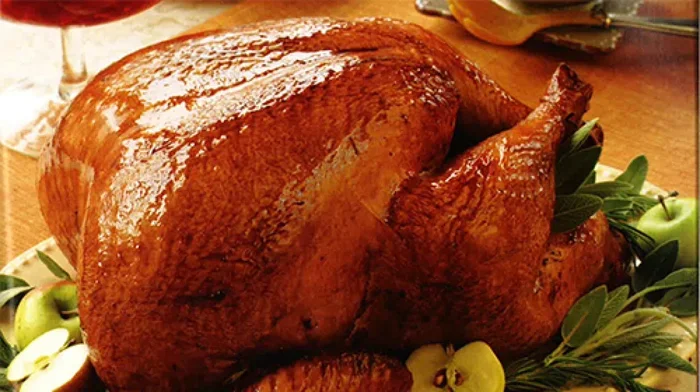
A good visual cue is the color of the skin. The skin should be deep golden brown all over. If parts look pale, those areas may need more time.
However, skin color alone does not guarantee doneness. Always use a thermometer as your primary tool. The skin can brown before the inside reaches a safe temperature.
Quick Tips For Perfect Oven Turkey
- Preheat your oven: Always preheat to the target temperature before placing the turkey inside.
- Use a rack: Elevating the turkey on a rack promotes airflow and even browning.
- Baste every 45 minutes: Basting keeps the surface moist and promotes even browning.
- Plan for leftovers: Plan for about 1 to 1.5 pounds of turkey per person.
- Save the drippings: Turkey drippings make incredible gravy for your whole turkey recipe.
- Let it rest: Always rest the turkey for at least 20 minutes before carving.
Frequently Asked Questions
What is the best temperature to cook a whole turkey in the oven?
The best temperature is 325°F for most whole turkeys. This temperature ensures even cooking throughout the bird while keeping the meat juicy. The USDA recommends roasting poultry at 325°F or higher for food safety. Some cooks prefer 350°F for smaller turkeys or crispier skin, but 325°F remains the most reliable choice.
How long does it take to cook a 12-pound turkey at 325 degrees?
A 12-pound unstuffed turkey typically takes about 3 to 3.5 hours at 325°F. This translates to roughly 13 to 15 minutes per pound. Always use a meat thermometer to check the internal temperature. The turkey is done when the thickest part of the thigh reaches 165°F.
Should I cook my turkey covered or uncovered?
Most experts recommend cooking the turkey uncovered for the majority of the roasting time. This allows the skin to become crispy and golden brown. However, if the turkey is browning too quickly, you can loosely tent it with foil during the first half of cooking. Remove the foil for the final hour to finish crisping the skin.
What is the safe internal temperature for turkey?
The safe internal temperature for turkey is 165°F in the thickest part of the thigh and the innermost part of the breast. Use a digital instant-read thermometer for the most accurate reading. Remember that the temperature will rise 5 to 10 degrees during resting, which is called carryover cooking.
Can I cook a turkey at 300 degrees instead of 325?
Yes, cooking at 300°F is a valid low-and-slow approach, especially for very large turkeys over 20 pounds. The lower temperature gives the meat more time to cook evenly and stay moist. Just be aware that it will take longer, and the turkey will spend more time in the oven. Always ensure the internal temperature still reaches 165°F for safety.
How does a convection oven change the cooking temperature for turkey?
When using a convection oven, reduce the temperature by 25°F from the standard recipe temperature. So if a recipe calls for 325°F, set your convection oven to 300°F. The fan circulates hot air more efficiently, which cooks the turkey faster and more evenly. You may also reduce the cooking time by about 25% compared to a conventional oven.
Conclusion
Getting the right temperature is the foundation of a perfect turkey in oven recipe. The standard answer to “how many degrees for turkey in oven” is 325°F. This temperature works for most turkey sizes and delivers consistently juicy, flavorful results.
Remember that turkey cooking temperature is only one piece of the puzzle. Cooking time, brining, resting, and using a reliable thermometer all contribute to success. Avoid common mistakes like skipping the thermometer or cutting into the turkey too early.
Whether you are preparing a Thanksgiving turkey or a Sunday family dinner, these guidelines will serve you well. Trust the process, use your thermometer, and let the turkey rest before carving. With practice, you will roast turkey like a pro every single time.
Now you have everything you need to cook a turkey roast that will impress your family and friends. Get in the kitchen, preheat that oven, and enjoy the process. A perfectly roasted turkey is one of the most rewarding things you can cook at home. Happy roasting!