Can You Finish A Brisket In The Oven At Home Tonight
Yes, you can absolutely finish a brisket in the oven at home tonight. This guide walks you through every step to get juicy, tender results without needing a smoker. Learn the best oven temperature, wrapping methods, and timing to serve a perfect brisket dinner that your whole family will love.
There is something magical about a perfectly cooked brisket. The rich smoke flavor, the crispy outer bark, and the juicy tender meat inside make it one of the most loved cuts of beef around. But what happens when you do not have a smoker or the weather is not cooperating?
The good news is that you can absolutely finish a brisket in the oven at home tonight. Whether you started the cook on a grill and need to wrap it up, or you want to try a whole brisket in the oven for the first time, this method works beautifully. Many pitmasters and home cooks swear by the oven finish method because it gives consistent results every single time.
In this guide, we will walk you through everything you need to know. From prep work to oven temperature, from wrapping tricks to slicing secrets, you will find all the details right here. By the end, you will feel confident enough to tackle your very own oven brisket tonight.
So grab your apron, pull out your beef brisket, and let us get started. You are going to be amazed at what your oven can do.
Key Takeaways
- Oven finishing works great: You can get restaurant-quality brisket right in your kitchen oven with the right method.
- Low and slow is the key: Keep your oven between 275°F and 300°F for the best tender results.
- Wrapping matters: Using butcher paper or foil helps retain moisture and speeds up the cook.
- A meat thermometer is essential: Pull your brisket when it hits 200°F to 205°F for perfect doneness.
- Resting is non-negotiable: Let your brisket rest for at least one hour before slicing to keep it juicy.
- You do not need a smoker: An oven can produce fall-apart tender brisket with the right technique.
📑 Table of Contents
Why Finish A Brisket In The Oven
You might be wondering why anyone would choose to finish a brisket in the oven instead of using a smoker. There are actually several great reasons that make this method worth trying. Let us break them down.
Consistent Heat Without Flare Ups
One of the biggest advantages of using an oven is the steady, even heat. When you cook over charcoal or wood, hot spots and temperature swings are common. Your oven maintains a consistent temperature throughout the cook. This means your brisket cooks more evenly from edge to center.
There are no flare ups to worry about either. Wind, rain, or sudden gusts cannot mess with your cook when it is safely inside your kitchen. This makes the oven a reliable choice no matter what the weather is doing outside.
Perfect For Beginners
If you are new to smoking meats, the oven is a forgiving place to learn. You do not need to manage fuel levels or monitor air flow the way you would with a smoker. You set the temperature, place the meat in, and let the oven do the work.
This makes it ideal for anyone who wants to learn how to cook a great brisket without a steep learning curve. Many experienced pitmasters actually recommend oven finishing as a backup method when conditions are not ideal for outdoor smoking.
Great For Partial Smokes
A very common scenario is starting the brisket on a smoker or grill and then finishing it in the oven. Maybe your smoker ran out of fuel, or the weather turned bad, or you simply needed to bring the meat inside earlier than planned. The oven finish method saves the day in all of these situations.
You get the best of both worlds. Your brisket absorbs some smoke flavor from the initial cook, and then the oven finishes the job gently and evenly. The result is still delicious and tender.
How To Prep Your Brisket For The Oven
Proper preparation sets the stage for a great cook. Taking the time to prep your brisket correctly makes a big difference in the final outcome. Here is exactly what you need to do before the meat ever touches the oven.
Choose The Right Cut
Not all briskets are created equal. A whole packer brisket includes both the flat and the point muscles. This is the most popular choice for oven cooking because it gives you variety in texture and flavor. The flat is leaner and easier to slice, while the point is fattier and more tender.
If you are buying a brisket for the first time, look for one that weighs between 10 and 15 pounds. This size fits well in most standard ovens and cooks evenly. Make sure the meat has a good layer of fat on top. This fat melts during the cook and keeps the meat juicy.
Trimming And Seasoning
Trimming your brisket is an important step. You want to remove any large, hard chunks of fat that will not render down during cooking. Leave about a quarter inch of fat on top to keep the meat moist.
For seasoning, a simple dry rub works wonders. Mix together coarse black pepper, kosher salt, garlic powder, and paprika. Apply the rub generously all over the brisket, pressing it into the meat with your hands. Let the seasoned brisket sit at room temperature for about one hour before cooking. This helps the flavors penetrate deeper and promotes more even cooking.
Bring It To Room Temperature
Never put a cold brisket straight into a hot oven. Taking the meat out about one hour before cooking allows it to warm up evenly. This reduces the total cook time and helps the brisket cook more uniformly from edge to center.
Place the seasoned brisket on a wire rack over a sheet pan during this resting period. This keeps air flowing around the meat and prevents condensation from building up on the surface.
The Best Oven Temperature And Timing
Getting the oven temperature right is the single most important factor in finishing a great brisket. Too hot and the meat dries out. Too cool and it takes forever to reach the right internal temperature. Here is what you need to know.
Set Your Oven To 275°F
The sweet spot for oven brisket is 275°F. This low temperature mimics the environment of a smoker and allows the collagen in the meat to break down slowly. The result is tender, juicy meat with a beautiful bark forming on the outside.
Some cooks prefer 300°F for a slightly faster cook. Both temperatures work well. The key is to avoid going above 325°F. Higher temperatures will cause the outer layers of the meat to dry out before the interior has time to become tender.
How Long Does It Take
Planning your cook time is essential. As a general rule, plan for about 1 to 1.5 hours per pound of meat at 275°F. So a 12-pound brisket will take roughly 12 to 18 hours in the oven.
Here is a simple reference table to help you plan:
- 8-pound brisket: About 8 to 12 hours
- 10-pound brisket: About 10 to 15 hours
- 12-pound brisket: About 12 to 18 hours
- 15-pound brisket: About 15 to 22 hours
These times are estimates. The actual cook time depends on your specific oven, the shape of the brisket, and how well it is wrapped. Always rely on internal temperature rather than the clock to determine when your brisket is done.
Use A Meat Thermometer
A good digital meat thermometer is your best friend when cooking brisket. Insert the probe into the thickest part of the flat, making sure it does not touch the bone or fat layer. You want to monitor the internal temperature throughout the entire cook.
Your brisket is done when the internal temperature reaches 200°F to 205°F. At this point, the collagen has fully broken down and the meat will be tender and juicy. Some cooks also look for the “jelly stage,” where the meat feels soft and jiggly when you press on it.
Do not be tempted to pull the meat out too early. Going below 195°F means the brisket will still be tough and chewy. Patience is your best tool here.
Wrapping And Resting Your Brisket
Once your brisket reaches the right temperature, the way you handle it makes all the difference. Wrapping and resting are two steps that many beginners skip, but they are absolutely critical for the best results.
When And How To Wrap
The wrapping stage is often called the “Texas crutch.” About halfway through the cook, when the internal temperature hits around 165°F to 170°F, the brisket enters what pitmasters call the “stall.” During this phase, the evaporative cooling from the meat’s surface causes the temperature to plateau.
Wrapping at this point pushes the brisket through the stall faster and keeps it moist. You have two main options for wrapping:
- Butcher paper: This is the preferred choice for many pitmasters. Butcher paper is breathable, which allows some steam to escape. This helps maintain a good bark texture while still retaining moisture.
- Aluminum foil: Foil creates a tighter seal and traps more steam. This speeds up cooking and makes the meat very tender. However, it can soften the bark on the outside.
Choose based on your preference. If you love a crispy bark, go with butcher paper. If you prefer ultra-tender meat, foil is your friend.
The Importance Of Resting
Resting your brisket after it comes out of the oven is just as important as the cook itself. When you cut into hot meat right away, all those beautiful juices run out onto the cutting board instead of staying in the meat.
Wrap your brisket in a heavy towel or butcher paper and place it in a cooler with towels packed around it. Let it rest for at least one hour, but ideally two hours. The carryover heat will continue to cook the meat gently while the juices redistribute throughout the muscle fibers.
After resting, your brisket will be much easier to slice and far more juicy. Do not skip this step no matter how eager you are to dig in.
Common Mistakes To Avoid
Even experienced cooks can make mistakes when finishing a brisket in the oven. Being aware of these pitfalls helps you avoid them and serves up a better brisket every time.
Skipping The Thermometer
Guessing when the brisket is done is a recipe for disappointment. Without a meat thermometer, you have no way of knowing the true internal temperature. Invest in a reliable instant-read or leave-in probe thermometer. It removes all the guesswork and takes the stress out of cooking.
Opening The Oven Too Often
Every time you open the oven door, you lose heat and extend the cook time. Try to resist the urge to peek at the brisket too frequently. Set your timer and check the temperature only when needed. Keeping the oven closed maintains a stable cooking environment.
Cutting Too Soon
We mentioned resting already, but it bears repeating. Cutting into a brisket immediately after pulling it from the oven is one of the most common mistakes. The meat needs time to relax and reabsorb its juices. Wait at least one hour before you even think about slicing.
Using The Wrong Oven Rack Position
Place your brisket on the middle rack of the oven. This allows hot air to circulate evenly around the meat. Putting it too high can expose the top to too much direct heat, while placing it too low can result in uneven cooking.
Expert Tips For The Perfect Oven Brisket
Now that you understand the basics, let us share some pro tips that will elevate your oven brisket from good to absolutely outstanding.
Add Liquid Smoke For Extra Depth
If you did not start your brisket on a smoker, you can add a touch of liquid smoke to your seasoning rub. This gives the meat a subtle smoky flavor that mimics outdoor cooking. Use it sparingly, though. A few drops go a long way.
Place A Pan Of Water In The Oven
Adding a shallow pan of water on the rack below your brisket helps maintain humidity inside the oven. This prevents the meat from drying out during the long cook. It also makes cleanup easier by catching any drips.
Save The Drippings
After your brisket rests, do not throw away the juices in the wrapping or pan. These drippings are liquid gold. Use them to make a rich, flavorful gravy or pour them over your sliced brisket for extra moisture and taste.
Slice Against The Grain
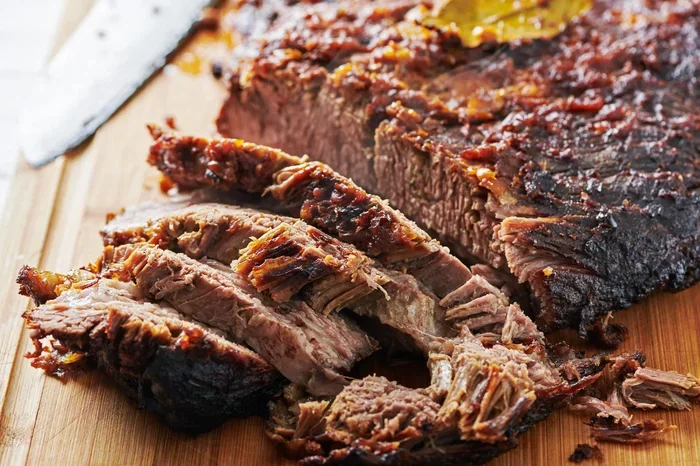
When it is time to serve, always slice against the grain of the meat. This shortens the muscle fibers and makes each bite much easier to chew. The flat and point have different grain directions, so slice each section separately for the best results.
Make A Plan For Leftovers
Brisket leftovers are some of the best leftovers you will ever eat. Slice any extra meat and store it in the cooking juices. It reheats beautifully in the oven or on the stove. You can also use leftover brisket in tacos, sandwiches, nachos, and casseroles throughout the week.
Frequently Asked Questions
Can you finish a brisket in the oven if you started it on a smoker?
Absolutely. Many pitmasters start their brisket on a smoker to build smoke flavor and bark, then finish it in the oven when needed. This two-step approach gives you the best of both worlds. Just make sure to wrap the brisket tightly before placing it in the oven to retain moisture.
How long does it take to finish a brisket in the oven at 275°F?
At 275°F, plan for about 1 to 1.5 hours per pound of meat. A 12-pound brisket will take roughly 12 to 18 hours total. The exact time depends on the starting temperature, your specific oven, and how well the brisket is wrapped. Always use a meat thermometer and pull the brisket when it reaches 200°F to 205°F internally.
Is it better to use foil or butcher paper when wrapping a brisket?
Both options work well, but they produce slightly different results. Butcher paper is more breathable and helps maintain a crispier bark. Foil creates a tighter seal that traps more steam, making the meat more tender but potentially softening the bark. Choose based on your personal preference for texture.
Can you cook a brisket in the oven without a smoker?
Yes, you can cook a full brisket entirely in the oven without ever using a smoker. The low and slow oven method produces tender, juicy results. Adding a small amount of liquid smoke to your rub can give you a hint of smoky flavor if you want it. Many people prefer oven-only brisket because it is more convenient and easier to control.
What is the best way to reheat leftover oven brisket?
The best way to reheat leftover brisket is to wrap it in foil with a splash of the cooking juices or beef broth. Place it in a 250°F oven for about 20 to 30 minutes until warmed through. This method keeps the meat moist and tender. Avoid microwaving, which can dry out the brisket and make it tough.
How do you know when a brisket is done in the oven?
A brisket is done when the internal temperature reaches 200°F to 205°F. The meat should feel tender when you insert a probe or fork and meet little resistance. Another sign is the “jiggle test” — when you shake the brisket gently, the center should have a slight jello-like wobble. This indicates the collagen has broken down properly.
Final Thoughts
Finishing a brisket in the oven is one of the most rewarding things you can do in your kitchen. It is approachable, reliable, and produces results that rival any smoker or barbecue joint. With the right temperature, proper wrapping, and enough patience, you can serve a tender, juicy brisket that will impress everyone at your table.
Remember the key points: keep your oven at 275°F, use a meat thermometer, wrap the brisket at the stall, and always let it rest before slicing. These simple steps make all the difference between a good brisket and a great one.
So tonight, pull out that brisket from your freezer or fridge, fire up your oven, and give this method a try. You will be surprised at how easy and delicious oven brisket can be. Once you master this technique, you will never look back. Your family and friends will be asking for it at every gathering. Can you finish a brisket in the oven? Without a doubt, yes you can.