How To Make Beef Ribs Tender In The Oven Like A Pro
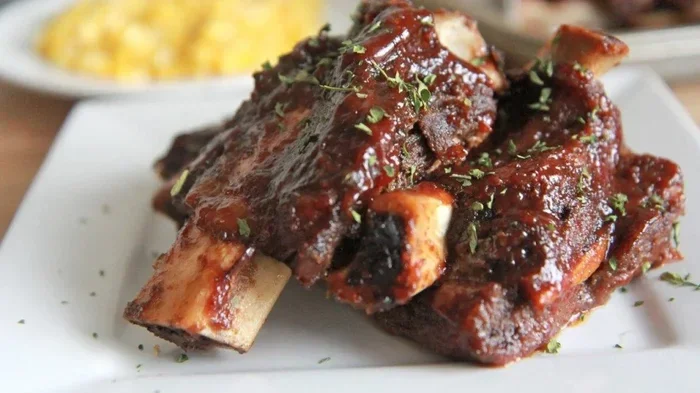
Learning how to make beef ribs tender in the oven is easier than you think. With the right cut, seasoning, and low-and-slow heat, you can create restaurant-quality ribs at home. This guide walks you through every step, from choosing the best beef ribs to pulling them out perfectly cooked. You will also learn pro tips that prevent common mistakes and keep your ribs juicy every single time.
There is nothing quite like a rack of tender beef ribs coming out of the oven. The meat pulls away from the bone with just a gentle touch. The outside is caramelized and rich. The inside is juicy and soft. If you have ever struggled with tough, dry ribs in the oven, you are not alone. Many home cooks face this challenge every time they try to braise beef ribs in the oven.
The good news is that making beef ribs tender in the oven is a skill anyone can learn. You do not need fancy equipment or years of experience. You just need the right method, a little patience, and a quality cut of meat. In this guide, we will walk you through the entire process step by step. By the end, you will know exactly how to make beef ribs tender in the oven like a professional chef.
Key Takeaways
- Choose the right cut: Bone-in beef short ribs or back ribs give the best results for oven tenderness.
- Sear before baking: A hard sear on all sides builds deep flavor and locks in juices.
- Low and slow is key: Cooking at 300°F to 325°F for 3 to 4 hours breaks down collagen for melt-in-your-mouth texture.
- Use a braising liquid: Broth, wine, or beer keeps the meat moist and adds rich flavor.
- Rest your ribs: Letting them rest for 15 to 20 minutes redistributes juices for a better bite.
- Avoid common mistakes: Skipping the sear, cutting cooking time short, and using too high heat all lead to tough ribs.
📑 Table of Contents
- Why Oven-Braised Beef Ribs Turn Out So Tender
- Choosing the Right Beef Ribs for Your Recipe
- The Step-by-Step Process for Tender Oven Beef Ribs
- Best Seasonings and Marinades for Flavor
- Common Mistakes That Make Beef Ribs Tough
- Pro Tips for Perfectly Tender Beef Ribs Every Time
- How to Store and Reheat Leftover Beef Ribs
- Frequently Asked Questions
- Conclusion
Why Oven-Braised Beef Ribs Turn Out So Tender
Understanding the science behind tender ribs helps you get better results every time. When you cook beef ribs low and slow in the oven, something magical happens to the connective tissue inside the meat. Collagen is the main protein found in connective tissue. When it is exposed to gentle heat over a long period, it breaks down into gelatin. This is what gives braised ribs their silky, melt-in-your-mouth texture.
Oven braising works so well because the heat surrounds the meat evenly. Unlike a grill or smoker, the oven traps moisture. This creates a humid environment that prevents the ribs from drying out. The braising liquid also plays a big role. It keeps the meat bathed in flavorful steam the entire time. Together, these factors create fall-off-the-bone ribs that are juicy and full of depth.
The Role of Low and Slow Heat
Cooking beef ribs at a low temperature is the single most important factor. High heat causes muscle fibers to contract tightly and squeeze out moisture. This leads to dry, chewy ribs. Low heat, on the other hand, allows the fibers to relax gradually. The fat renders slowly and bastes the meat from within. Most experts recommend an oven temperature between 300°F and 325°F for the best results.
Time is just as important as temperature. Most beef rib recipes call for three to four hours of cooking. Some larger cuts may need even longer. The key is to cook until the internal temperature reaches about 200°F to 205°F. At this point, the collagen has fully broken down, and the ribs will be incredibly tender. Using a meat thermometer is the best way to know when your ribs are done.
Choosing the Right Beef Ribs for Your Recipe
Not all beef ribs are created equal. The cut you choose has a huge impact on how tender your final dish turns out. There are two main types of beef ribs you will find at the butcher or grocery store. Each one has its own strengths for oven cooking.
Bone-In Beef Short Ribs
Bone-in beef short ribs are the most popular choice for oven braising. They come from the chuck area near the shoulder. These ribs are well-marbled with fat and rich in connective tissue. This makes them perfect for low-and-slow cooking. The bone adds extra flavor to the braising liquid as well. When cooked properly, bone-in short ribs become fork-tender and deeply savory.
Look for ribs that have a good layer of fat on top. The meat should be a deep red color. Avoid ribs that look pale or dry. A bit of marbling throughout the meat is a great sign. It means the rib will stay moist during the long cooking process. These ribs are sometimes labeled as “English-cut” short ribs at the store.
Beef Back Ribs
Beef back ribs come from the rib section near the loin. They are longer and leaner than short ribs. Back ribs have less connective tissue, so they can dry out faster during oven cooking. However, they are still a great option if you follow the right technique. Many people love beef back ribs because they are easier to slice and serve.
If you choose back ribs, be extra careful about cooking time and moisture. Use a generous amount of braising liquid. Consider covering the pan tightly with foil to trap steam. You may also want to shorten the cooking time slightly compared to short ribs. Check the internal temperature frequently to avoid overcooking.
The Step-by-Step Process for Tender Oven Beef Ribs
Now let us get into the actual cooking process. This is where the magic happens. Following these steps will give you consistent, tender results every time you make beef ribs in the oven.
Step One: Prep and Season the Ribs
Start by removing the ribs from the refrigerator about 30 minutes before cooking. Letting them come to room temperature helps them cook more evenly. Pat the ribs dry with paper towels. This is important because dry meat sears better.
Next, season the ribs generously. A simple blend of salt, black pepper, garlic powder, and smoked paprika works wonderfully. You can also add onion powder, cumin, or brown sugar for extra depth. Massage the seasoning into all sides of the ribs. Let them sit for at least 15 minutes while you preheat the oven. For even better flavor, season the ribs the night before and let them marinate in the fridge.
Step Two: Sear the Ribs for Maximum Flavor
Searing is a step many people skip, but it makes a big difference. Heat a large oven-safe skillet or Dutch oven over medium-high heat. Add a thin layer of oil. Once the oil is shimmering, place the ribs in the pan. Sear each side for about two to three minutes until you get a deep brown crust.
Do not move the ribs around too much during searing. Let them sit undisturbed so a proper crust can form. This crust is full of flavor compounds called melanoidins. They add a rich, roasted taste that enhances the entire dish. After searing all sides, remove the ribs and set them aside on a plate.
Step Three: Build the Braising Liquid
The braising liquid is what keeps your ribs moist and adds incredible flavor. You have many options here. Beef broth is a classic base. Red wine adds depth and acidity. Beer gives a malty, rich flavor. You can also use a combination of these.
In the same pan you used for searing, add diced onions, carrots, and celery. Sauté them for about five minutes until they soften. Pour in your chosen liquid. Add a splash of soy sauce for umami. A tablespoon of tomato paste adds richness. Stir in some Worcestershire sauce for a tangy kick. Bring the liquid to a gentle simmer and scrape up any browned bits stuck to the bottom of the pan. Those bits are pure flavor gold.
Step Four: Braise in the Oven
Place the seared ribs back into the pan. Nestle them so they sit partially submerged in the braising liquid. Cover the pan tightly with a lid or a double layer of aluminum foil. The tight seal is essential for trapping moisture.
Place the covered pan in a preheated oven set to 300°F to 325°F. Let the ribs braise for about three to four hours. Check them after three hours. The meat should be pulling away from the bone easily. Use a fork to test the tenderness. If the meat still resists, continue cooking for another 30 to 60 minutes.
Some cooks like to add a glaze during the last 30 minutes of cooking. A mix of BBQ sauce, honey, and a splash of apple cider vinegar makes a great glaze. Brush it onto the ribs and uncover the pan. This gives the ribs a sticky, sweet outer layer that complements the tender meat inside.
Step Five: Rest and Serve
Once the ribs are done, remove them from the oven. Let them rest for at least 15 to 20 minutes before cutting. This resting period allows the juices to redistribute throughout the meat. If you cut too soon, the juices will run out, and the ribs will be less juicy.
Serve the ribs with the braising liquid spooned over the top. Pair them with mashed potatoes, roasted vegetables, or crusty bread to soak up the sauce. The result is a plate of tender, flavorful beef ribs that will impress everyone at the table.
Best Seasonings and Marinades for Flavor
The seasoning you choose can take your oven beef ribs from good to unforgettable. A great dry rub builds a flavorful crust on the outside. A well-balanced marinade tenderizes the meat from within. Let us explore some of the best options.
Classic Savory Rub
A simple savory rub is a foolproof choice. Combine kosher salt, freshly ground black pepper, garlic powder, onion powder, and smoked paprika. Add a pinch of cayenne pepper if you like a little heat. Brown sugar adds a subtle sweetness that caramelizes beautifully in the oven. Mix all the spices together and rub them generously over the ribs.
Asian-Inspired Marinade
For a different flavor profile, try an Asian-inspired marinade. Soy sauce, sesame oil, rice vinegar, ginger, and garlic create a rich umami base. Add a touch of honey for sweetness and sriracha for heat. Marinate the ribs for at least two hours or overnight for the deepest flavor. This marinade works especially well with beef back ribs.
Italian Herb Blend
Do not overlook Italian herbs for beef ribs. A blend of dried oregano, basil, thyme, and rosemary pairs beautifully with the richness of beef. Add some lemon zest for brightness. This combination creates a lighter, more aromatic rib dish that is perfect for warmer weather.
Common Mistakes That Make Beef Ribs Tough
Even with the best recipe, small mistakes can lead to tough, disappointing ribs. Knowing what to avoid is just as important as knowing what to do. Here are the most common pitfalls.
Skipping the Sear
Many home cooks go straight from seasoning to the oven. While this still produces edible ribs, you miss out on a layer of complex flavor. The sear creates a Maillard reaction on the surface. This reaction produces hundreds of new flavor compounds. Skipping it means your ribs will taste flat by comparison.
Cooking at Too High a Temperature
This is the number one mistake people make. High heat dries out beef ribs quickly. The outside may look done, but the inside remains tough and chewy. Always stick to the low-and-slow method. Patience is your best friend when making beef ribs tender in the oven. Set your oven to 300°F to 325°F and trust the process.
Not Using Enough Liquid
Braising requires enough liquid to create steam. If the pan dries out during cooking, the ribs will become tough. Make sure the ribs are at least halfway submerged in the braising liquid. Check the pan periodically and add more liquid if needed. A tightly sealed lid or foil cover helps retain moisture throughout the cook.
Cutting Into the Ribs Too Soon
It can be tempting to peek and cut into the ribs early. Resist this urge. Cutting into the meat too soon releases valuable juices. The resting period is just as important as the cooking period. Give your ribs at least 15 to 20 minutes of rest before serving. The wait is worth it.
Pro Tips for Perfectly Tender Beef Ribs Every Time
Even experienced cooks can always learn something new. Here are some expert-level tips that will elevate your oven beef ribs to the next level.
Use a meat thermometer. Guessing when ribs are done leads to inconsistent results. A digital instant-read thermometer takes the guesswork out of cooking. Insert it into the thickest part of the meat, avoiding the bone. You are aiming for an internal temperature of 200°F to 205°F for maximum tenderness.
Choose bone-in cuts whenever possible. The bone acts as an insulator and adds flavor. Bone-in ribs also have more connective tissue, which breaks down into gelatin during cooking. This gives the final dish a richer, more luxurious texture.
Let the ribs marinate overnight. If time allows, season your ribs the night before and let them rest in the refrigerator. This gives the salt and spices time to penetrate deep into the meat. The result is more flavorful ribs from edge to center.
Add a splash of acid to the braising liquid. A small amount of vinegar, wine, or citrus juice helps break down tough fibers. It also balances the richness of the beef. Just a splash is enough. Too much acid can make the meat mushy.
Reheat leftovers gently. If you have leftover ribs, reheat them in the oven at a low temperature. Cover them with foil and add a little extra braising liquid. This prevents the ribs from drying out during reheating. Microwaving is not recommended because it can make the meat rubbery.
Quick Tips at a Glance
- Always bring ribs to room temperature before cooking.
- Pat the meat dry before seasoning for a better sear.
- Use a heavy oven-safe pan or Dutch oven.
- Keep the oven temperature between 300°F and 325°F.
- Cover the pan tightly to trap moisture.
- Cook until the internal temperature reaches 200°F to 205°F.
- Let the ribs rest for 15 to 20 minutes before serving.
How to Store and Reheat Leftover Beef Ribs
Tender oven beef ribs taste great the next day, too. In fact, the flavors often deepen overnight. Store leftover ribs in an airtight container in the refrigerator. They will keep for up to three to four days. Make sure the ribs are completely cooled before storing them.
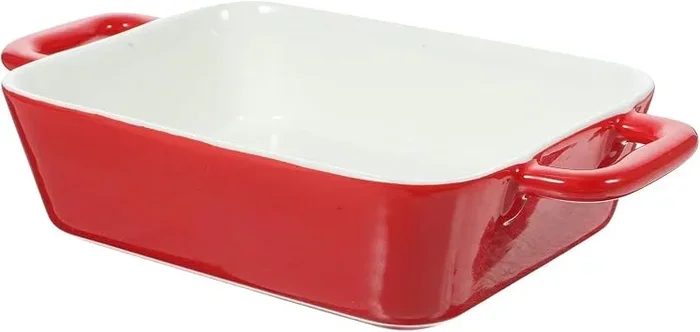
To reheat, place the ribs in a baking dish. Add a splash of the braising liquid or a little beef broth. Cover the dish tightly with foil. Reheat in a 275°F oven for about 20 to 30 minutes. This gentle reheating method keeps the meat moist and tender. Avoid reheating at high heat, as it can dry out the ribs quickly.
If you want to freeze leftover ribs, wrap them tightly in plastic wrap and then in aluminum foil. Place them in a freezer-safe bag. Frozen ribs will keep for up to three months. Thaw them in the refrigerator overnight before reheating for the best results.
Frequently Asked Questions
How long does it take to make beef ribs tender in the oven?
Most beef rib recipes take between three and four hours at 300°F to 325°F. The exact time depends on the cut and size of the ribs. Bone-in short ribs may need closer to four hours, while smaller back ribs might be done in three. Always use a meat thermometer to check for doneness. The internal temperature should reach 200°F to 205°F for the most tender results.
Can I use frozen beef ribs for this recipe?
Yes, but it is best to thaw them first. Thaw frozen ribs in the refrigerator overnight. Cooking ribs from frozen can lead to uneven cooking and longer oven time. If you must cook from frozen, add an extra hour to the cooking time and check tenderness frequently with a fork.
What is the best cut of beef ribs for oven cooking?
Bone-in beef short ribs are widely considered the best cut for oven braising. They have the perfect balance of meat, fat, and connective tissue. Beef back ribs are also a good option but require a bit more care to stay moist. Both cuts produce tender, flavorful results when cooked low and slow.
Do I need to cover beef ribs while cooking in the oven?
Yes, covering the ribs is highly recommended for most of the cooking time. A tight-fitting lid or a double layer of aluminum foil traps moisture and creates a steaming effect. This keeps the ribs juicy and helps break down tough connective tissue. You can uncover the ribs during the last 30 minutes if you want a caramelized glaze on top.
Why are my oven beef ribs still tough after cooking?
Tough ribs usually mean the cooking time was too short or the temperature was too high. Collagen needs sustained low heat over several hours to break down into gelatin. If your ribs are still tough, return them to the oven and cook for another 30 to 60 minutes at 300°F. Check tenderness every 30 minutes until the meat pulls away from the bone easily.
Can I make beef ribs in the oven without a Dutch oven?
Absolutely. You can use any deep, oven-safe baking dish or roasting pan. The key is to cover the pan tightly to retain moisture. If your dish does not have a lid, aluminum foil works perfectly as a cover. Just make sure the foil is pressed tightly around the edges to create a good seal.
Conclusion
Making beef ribs tender in the oven is one of the most rewarding cooking skills you can develop. The process is simple, but the results are extraordinary. With the right cut, a good sear, a flavorful braising liquid, and plenty of patience, you can create ribs that rival any restaurant. The low-and-slow method transforms tough connective tissue into silky, melt-in-your-mouth gelatin. Every bite becomes rich, juicy, and deeply satisfying.
Remember the key principles. Choose bone-in beef short ribs for the best results. Sear them well to build flavor. Cook low and slow at 300°F to 325°F for three to four hours. Use enough braising liquid and keep the pan covered. Let the ribs rest before serving. Avoid the common mistakes that lead to tough, dry meat. Follow these steps, and you will master how to make beef ribs tender in the oven every single time.
Now it is your turn. Head to the kitchen, grab a rack of beef ribs, and give this method a try. You will be amazed at what the oven can do. Once you taste these tender, juicy ribs, you will never order takeout again. Happy cooking.