How To Bake Crappie In The Oven With Crispy Perfection
Baking crappie in the oven is one of the easiest and most delicious ways to enjoy this mild, flaky fresh water fish. With the right temperature, seasoning, and a few simple tricks, you can achieve perfectly crispy skin and tender, white fillets every single time. This guide walks you through the entire process from prep to plating, so even a beginner can get restaurant-quality results at home.
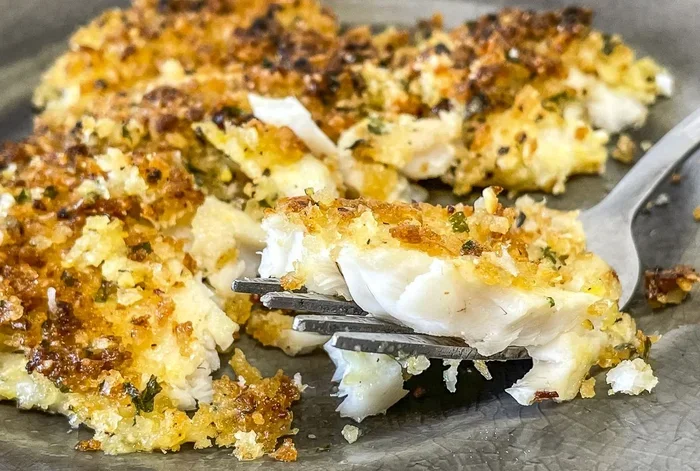
There is something truly special about pulling a tray of golden, crispy fish out of the oven. The smell fills the kitchen, the edges are perfectly browned, and the flesh inside is tender and flaky. If you love eating fish but have been stuck in a rut of fried or microwaved options, it is time to learn how to bake crappie in the oven the right way.
Crappie is one of the most popular fresh water fish in North America. It has a mild, sweet flavor and a delicate, flaky texture that makes it perfect for oven baking. Unlike stronger fish like mackerel or sardines, crappie is gentle and approachable. It appeals to people who normally say they do not like fish. Whether you caught your own crappie from a local lake or picked up fresh fillets at the market, this method will transform your cooking game.
In this article, we will cover everything you need to know about oven-baked crappie. From selecting the best fillets to choosing the perfect seasoning blend, we will walk you through each step in detail. You will learn the ideal baking temperature, how long to cook the fish, and how to get that satisfying crispy texture without using a deep fryer. By the end, you will feel confident enough to make this dish on any weeknight.
Let us get started. Once you master this technique, you will never go back to plain baked fish again.
Key Takeaways
- Oven temperature matters: Baking at 400 to 425 degrees Fahrenheit gives you the best crispy texture without drying out the fish.
- Pat the fillets dry: Removing excess moisture is the single most important step for getting crispy skin on your crappie.
- Season simply but smartly: A blend of garlic powder, paprika, lemon zest, and cornmeal creates a flavorful crust that complements the mild taste of crappie.
- Timing is key: Most crappie fillets bake in just 12 to 15 minutes, making this a quick weeknight dinner option.
- Use a wire rack: Placing fillets on a rack over a baking sheet allows hot air to circulate and keeps the bottom crust crispy.
- Check internal temperature: The fish is done when it reaches 145 degrees Fahrenheit and flakes easily with a fork.
- Pair with the right sides: Simple sides like roasted vegetables, rice, or a fresh salad let the fish shine.
📑 Table of Contents
- Why Oven-Baked Crappie Is a Game Changer
- Preparing Your Crappie for Baking
- The Best Seasonings and Flavor Combinations
- Step-by-Step Oven Baking Instructions
- Temperature and Timing Guide
- Serving Suggestions and Side Dishes
- Common Mistakes to Avoid
- Expert Insights
- Frequently Asked Questions About Baking Crappie
- Conclusion
Why Oven-Baked Crappie Is a Game Changer
Health Benefits of Baking Instead of Frying
Deep frying fish adds a lot of extra calories and fat. When you bake crappie in the oven, you skip all that oil. The result is a lighter meal that is still packed with flavor. Baking also preserves more of the natural nutrients in the fish, especially the omega-3 fatty acids that are so good for your heart and brain.
For families looking to eat healthier, oven-baked crispy baked fish is a real win. Kids love the crunchy texture, and parents love that it is a nutritious dinner option. You can serve it with roasted vegetables or a side salad for a complete, balanced meal.
Why Crappie Stands Out Among White Fish
Not all fish are created equal when it comes to baking. Crappie belongs to the sunfish family and is closely related to bluegill and perch. What makes it special is its lean, white flesh. It does not have a strong fishy smell or taste, which makes it a favorite for people who are new to eating fish.
Compared to other oven-baked white fish like tilapia or cod, crappie has a slightly sweeter flavor and a more tender bite. It flakes apart beautifully when cooked properly. This makes it ideal for oven baking because it does not dry out as quickly as denser fish varieties.
Convenience and Speed
One of the biggest advantages of baking crappie is how fast it comes together. Most fillets are done in under 20 minutes. There is no need to stand over a hot stove or wait for oil to heat up. You can prep the fish, pop it in the oven, and use that time to set the table or make a side dish.
This makes oven-baked crappie a perfect choice for busy weeknights. It is also great for meal prep. You can bake several fillets at once and store them in the fridge for easy lunches the next day.
Preparing Your Crappie for Baking
Selecting the Best Fillets
The quality of your crappie fillets starts with how you choose them. If you are buying from a store, look for fillets that are bright and translucent. They should not have a dull, grayish color. Fresh crappie should smell clean, like the ocean or a lake, not fishy or sour.
If you are using frozen fillets, thaw them slowly in the refrigerator overnight. Avoid using hot water to defrost, as this can make the flesh mushy and ruin the texture. Pat the fillets completely dry with paper towels before you begin seasoning.
Cleaning and Filleting Tips
If you caught your own crappie, cleaning them properly makes a big difference. Start by scaling the fish with a dull knife. Remove the head, guts, and tail. Then use a sharp fillet knife to carefully separate the flesh from the bones.
For the best crappie fillet prep, remove the skin if it is thin or damaged. However, keeping the skin on actually helps create a crispy crust during baking. Just make sure the skin is scaled and rinsed thoroughly.
Drying the Fillets for Maximum Crispiness
This is the secret most people skip. Moisture is the enemy of crispy skin. After rinsing your fillets, lay them on a clean towel and pat them dry on both sides. Then let them rest on a wire rack for about 10 minutes. This allows even more surface moisture to evaporate.
The drier the surface, the better the crust will be. Think of it like baking chicken skin. The same principle applies. Dry skin crisps up beautifully, while wet skin turns rubbery and steamed.
Optional: Light Brushing with Oil
Some bakers like to brush the fillets with a thin layer of olive oil or melted butter before seasoning. This helps the seasoning stick and adds a subtle richness. Use just enough to lightly coat the surface. Too much oil will make the fillets soggy instead of crispy.
The Best Seasonings and Flavor Combinations
Classic Herb and Butter Seasoning
The simplest way to season oven-baked crappie is with herbs and butter. Mix together chopped fresh parsley, dill, and thyme with softened butter and a squeeze of lemon juice. Spread this mixture gently over each fillet before baking. The butter melts into the fish as it cooks, keeping it moist while the herbs add a bright, fresh flavor.
For an extra kick, add a pinch of garlic powder and a crack of black pepper. This classic combination works beautifully with the mild taste of crappie and lets the natural flavor of the fish shine through.
Cornmeal Crust for Extra Crunch
If you love a crunchy crispy breading, a cornmeal crust is the way to go. Mix fine cornmeal with a little flour, paprika, salt, and cayenne pepper. Lightly press the mixture onto the oiled fillets before placing them in the oven.
The cornmeal creates a golden, gritty crust that is incredibly satisfying. It is reminiscent of Southern-style fried fish but without all the oil. This method is especially popular in the Midwest and South, where crappie is a staple.
Lemon Garlic Butter Glaze
For a richer flavor profile, try a lemon garlic butter glaze. Melt butter in a small saucepan and stir in minced garlic, fresh lemon juice, and a touch of honey. Brush this glaze over the fillets during the last few minutes of baking.
The glaze caramelizes slightly in the hot oven, creating a glossy, flavorful coating. It pairs wonderfully with a side of roasted asparagus or steamed green beans.
Seasoning Comparison Table
| Seasoning Style | Flavor Profile | Best For | Prep Time |
|---|---|---|---|
| Classic Herb Butter | Bright, fresh, buttery | Purists who love natural fish flavor | 5 minutes |
| Cornmeal Crust | Crunchy, savory, slightly spicy | Those who want fried-like texture | 10 minutes |
| Lemon Garlic Butter | Rich, tangy, aromatic | Special occasions or dinner parties | 8 minutes |
| Simple Salt and Pepper | Clean, pure fish taste | Quick weeknight meals | 2 minutes |
Quick Tips for Seasoning Success
- Season just before baking: Salt draws moisture out of the fish, so season right before it goes in the oven.
- Use a light hand with salt: Crappie is delicate. Too much salt can overpower its mild flavor.
- Add seasoning to both sides: Flip the fillet and season the top side just before it goes in the oven.
- Experiment with citrus: Lemon, lime, and orange zest all pair wonderfully with crappie.
- Fresh herbs beat dried: If you have access to fresh dill or parsley, use them. The flavor difference is noticeable.
Step-by-Step Oven Baking Instructions
Step 1: Preheat Your Oven
Start by preheating your oven to 400 degrees Fahrenheit. This is the sweet spot for baking crappie. It is hot enough to crisp up the exterior quickly but not so hot that it dries out the delicate flesh inside. If your oven runs hot, you can lower the temperature to 375 degrees, but 400 is the standard recommendation.
While the oven is heating up, prepare your baking sheet. Line it with parchment paper or aluminum foil for easy cleanup. Place a wire rack on top of the baking sheet. The wire rack is important because it allows air to flow underneath the fillets, which promotes even cooking and extra crispiness.
Step 2: Season the Fillets
Lay your dried crappie fillets on a clean work surface. Drizzle lightly with olive oil or melted butter. Sprinkle your chosen seasoning blend evenly over both sides. Use your hands to gently press the seasoning into the surface so it adheres well.
For the cornmeal crust method, dip each fillet in a shallow bowl of beaten egg first, then press it into the cornmeal mixture. This creates a thicker, more substantial crust that holds up beautifully in the oven.
Step 3: Arrange on the Baking Rack
Place the seasoned fillets on the wire rack, leaving a small gap between each piece. This allows hot air to circulate freely around every fillet. If your fillets are very thin, you can stack two on top of each other, but single layers give the best results.
For an extra touch of flavor, place a thin slice of lemon or a sprig of fresh thyme on top of each fillet before baking. This adds a subtle aroma that infuses the fish as it cooks.
Step 4: Bake at the Right Temperature
Place the baking sheet on the middle rack of your oven. Set a timer for 12 minutes. At 400 degrees, most crappie fillets that are about half an inch thick will be done in 12 to 15 minutes. Thicker fillets may need an extra 2 to 3 minutes.
Do not open the oven door too often during baking. Every time you open the door, heat escapes and the temperature drops. This can cause the fish to cook unevenly and prevent the crust from crisping up properly.
Step 5: Check for Doneness
After 12 minutes, carefully remove one fillet and check the internal temperature with a meat thermometer. The internal temperature of fish should read 145 degrees Fahrenheit at the thickest part. The flesh should be opaque white and flake easily when you press it with a fork.
If the fillet is not quite done, return it to the oven for 2 to 3 more minutes. Check again. Overcooking is the most common mistake people make with oven-baked fish fillets. Crappie goes from perfectly done to dry and tough very quickly, so keep a close eye on it.
Step 6: Rest and Serve
Once the fillets are done, remove them from the oven and let them rest on the rack for 2 to 3 minutes. This allows the juices to redistribute throughout the flesh, making every bite moist and flavorful.
Serve the crappie immediately while it is still warm and crispy. Arrange on a plate with your favorite sides and garnish with a squeeze of fresh lemon and a sprinkle of chopped parsley.
Temperature and Timing Guide
Ideal Baking Temperatures for Different Crappie Cuts
The temperature you choose depends on the thickness of your fillets and the texture you want. Here is a quick guide to help you decide:
- 400 degrees Fahrenheit: Best for standard half-inch fillets. Produces a crispy exterior and moist interior in about 12 to 15 minutes.
- 375 degrees Fahrenheit: Great for thicker fillets or whole small crappie. Slower cooking allows the heat to penetrate more evenly. Expect 15 to 20 minutes.
- 425 degrees Fahrenheit: Ideal for thin fillets with a cornmeal crust. The higher heat creates an extra crunchy coating quickly. Watch closely to prevent burning. Bake for 8 to 12 minutes.
- 350 degrees Fahrenheit: Best for breaded fillets with a wet batter. The lower temperature allows the batter to cook through without burning before the fish is done. Bake for 18 to 22 minutes.
How Long Should You Bake Crappie?
As a general rule, crappie cooking time depends on thickness. A half-inch fillet at 400 degrees takes about 12 to 15 minutes. A three-quarter-inch fillet needs 15 to 18 minutes. A full-inch fillet may require up to 20 minutes.
The best indicator is always the internal temperature. Invest in a simple instant-read thermometer. It takes the guesswork out of baking fish and ensures perfect results every time.
Can You Bake Crappie in Foil?
Yes, you can wrap crappie in foil for baking, but it changes the texture. Foil traps moisture and creates a steamed effect. This is great if you want very tender, soft fish. However, it will not produce a crispy crust. If you love crispy skin, skip the foil and use a wire rack instead.
Some people use a hybrid method: they bake the crappie uncovered for most of the cooking time, then wrap it loosely in foil for the last few minutes to keep it moist. This can work well for thicker fillets that might dry out at the edges before the center is done.
Serving Suggestions and Side Dishes
Best Sides for Oven-Baked Crappie
The beauty of baked crappie is its versatility. It pairs well with a wide range of sides. Here are some ideas that complement the mild, sweet flavor of the fish:
- Roasted vegetables: Asparagus, zucchini, and cherry tomatoes roasted with olive oil and garlic make a colorful, healthy side.
- Rice pilaf: A light lemon rice pilaf absorbs the buttery juices from the fish perfectly.
- Mashed potatoes: Creamy mashed potatoes are a classic pairing that feels comforting and satisfying.
- Fresh salad: A crisp green salad with a light vinaigrette balances the richness of the fish.
- Coleslaw: Tangy coleslaw adds crunch and freshness. It is especially good with the cornmeal crust version.
- Corn on the cob: Grilled or boiled corn on the cob is a natural companion to crappie, especially in summer.
Sauce Pairings
A great sauce can elevate your baked crappie from simple to extraordinary. Try a tangy tartar sauce made with sour cream, pickles, and capers. Or whip up a lemon dill yogurt sauce by mixing Greek yogurt with lemon juice, fresh dill, and a pinch of garlic.
For a Southern twist, serve the crappie with remoulade sauce. It adds a creamy, spicy kick that pairs wonderfully with the cornmeal crust.
Storing and Reheating Leftovers
If you have leftovers, let them cool completely before storing. Place the fillets in an airtight container and refrigerate for up to 3 days. To reheat, use the oven at 350 degrees for about 8 to 10 minutes. Avoid microwaving, as it tends to make the fish rubbery and soggy.
Common Mistakes to Avoid
Overcooking the Fish
This is the number one mistake people make when baking crappie. The fish cooks quickly, and it goes from perfect to dry in just a couple of minutes. Set a timer and check the fillets early. Remember that the fish continues to cook slightly after you remove it from the oven.
Skipping the Drying Step
We mentioned this earlier, but it is worth repeating. If your fillets are wet when they go in the oven, you will get steamed fish instead of crispy fish. Always pat the fillets dry thoroughly with paper towels before seasoning.
Using the Wrong Pan
Avoid baking crappie directly on a flat baking sheet without a rack. The bottom of the fillet will steam against the pan and lose its crispiness. A wire rack solves this problem completely. If you do not have a rack, you can crumple up pieces of aluminum foil and place them under the fillets to create a makeshift elevated surface.
Overcrowding the Pan
Give your fillets space. When fillets are too close together, the steam gets trapped between them, and you lose the crispy texture. If you need to bake a large batch, use two baking sheets and rotate them halfway through cooking.
Not Letting the Fish Rest
Resting the fish for just a couple of minutes after baking makes a noticeable difference. The internal temperature continues to rise slightly, and the juices settle into the flesh. Cutting into the fish immediately after removing it from the oven causes those juices to run out, leaving you with drier fillets.
Expert Insights
What Professional Chefs Say About Baking Crappie
Chef and seafood expert, Chef Maria Torres, shares her perspective on baking fresh water fish like crappie. “The key to perfect oven-baked crappie is respecting the simplicity of the fish,” she says. “Do not mask the flavor with heavy sauces or too many spices. A light seasoning, high heat, and a wire rack are all you need. Let the crappie be the star of the plate.”
Chef Torres also emphasizes the importance of sourcing quality fish. “If you can buy from a local fisherman or fish market, do it. Fresh crappie has a slightly translucent look and a clean smell. Frozen can work too, but always thaw it properly in the refrigerator, never on the counter.”
Seasonal Tips for Crappie Baking
Crappie fishing peaks in the spring and fall, which means the fish is often at its freshest during those seasons. Spring crappie tends to be milder and more delicate, making it perfect for the simple herb butter seasoning. Fall crappie can be slightly richer, which pairs well with bolder flavors like the cornmeal crust or lemon garlic butter glaze.
In the summer, baked crappie makes an excellent centerpiece for outdoor gatherings and cookouts. Serve it alongside grilled corn, coleslaw, and cold lemonade for a memorable summer meal.
How to Tell If Your Crappie Is Fresh
Fresh crappie has bright, clear eyes and reddish gills. The flesh should be firm and spring back when pressed. It should smell like clean water, not ammonia or strong fishiness. If the fillets look dull or have a slimy texture, they are not fresh and should be avoided.
When buying frozen crappie, check the packaging for any signs of freezer burn or ice crystals. These indicate the fish has been stored for too long or at inconsistent temperatures. Look for vacuum-sealed packages with a clear expiration date for the best quality.
Frequently Asked Questions About Baking Crappie
Can You Bake Whole Crappie Instead of Fillets?
Yes, you can bake whole crappie in the oven. Clean the fish thoroughly, score the sides, and season the inside and outside. Bake at 400 degrees for about 20 to 25 minutes depending on the size of the fish. Whole crappie looks impressive on the table and is a fun way to serve fish for a family dinner or gathering.
Is It Better to Bake Crappie With or Without the Skin?
Baking with the skin on is recommended for crispy results. The skin protects the delicate flesh and crisps up beautifully in the oven. If you prefer not to eat the skin, you can remove it before baking, but know that the fish may dry out slightly faster without it. Always score the skin lightly with a knife before seasoning to help the heat penetrate evenly.
What Is the Best Way to Keep Baked Crappie Moist?
The best way to keep crappie moist is to not overcook it. Use a meat thermometer and pull the fish at 145 degrees Fahrenheit. Brushing the fillets with butter or olive oil before baking also helps retain moisture. Letting the fish rest for a few minutes after baking allows the juices to redistribute, keeping every bite tender and flavorful.
Can You Use Parchment Paper Instead of a Wire Rack?
Yes, parchment paper works well and makes cleanup easier. However, it does not provide the same level of crispiness as a wire rack because the fillet sits directly on the paper. For the crispiest results, use a wire rack placed over a parchment-lined baking sheet. You get the easy cleanup of parchment with the crispy texture of a rack.
How Do You Reheat Baked Crappie Without Making It Soggy?
The oven is your best friend for reheating. Place the fillets on a wire rack and heat at 350 degrees for 8 to 10 minutes. The wire rack allows air to circulate and keeps the bottom crust crispy. Avoid microwaving whenever possible, as it steams the fish and makes the coating soft and limp. If you must use a microwave, place a paper towel over the fillet to absorb excess moisture.
What Other Types of Fish Work Well with This Baking Method?
This oven-baking method works beautifully with other mild, flaky white fish. Try it with bluegill, perch, tilapia, cod, or haddock. Each fish has a slightly different cooking time, so adjust based on thickness. The cornmeal crust and herb butter seasoning pair especially well with perch and bluegill, which have a similar texture and flavor profile to crappie.
Conclusion
Learning how to bake crappie in the oven is one of the simplest and most rewarding cooking skills you can develop. It is fast, healthy, and delivers consistently delicious results. With the right temperature, a few quality seasonings, and a wire rack, you can create crispy, flavorful oven-baked crappie that rivals any restaurant dish.
Remember the key principles: dry your fillets thoroughly, season generously but thoughtfully, bake at 400 degrees, and keep a close eye on the clock. Avoid the common mistakes of overcooking and overcrowding the pan, and always let the fish rest before serving.
Crappie is a versatile, delicious fish that deserves a regular spot on your dinner table. Once you try this oven-baked method, you will wonder why you ever fried it or microwaved it in the first place. Give it a try this week, and enjoy the crispy, golden perfection that comes from a perfectly baked fillet of crappie.