Can You Boil Oven Ready Lasagna Noodles the Right Way
Yes, you can boil oven ready lasagna noodles, and it is easier than you think. Oven ready noodles are designed to cook directly in the lasagna, but boiling them briefly can give you better texture and control. In this guide, we show you the right way to boil, prep, and layer your lasagna for perfect results every single time.
Have you ever stood in front of your kitchen counter, staring at a box of oven ready lasagna noodles, wondering if you should boil them first? You are not alone. Many home cooks face this same question every time they prepare a lasagna recipe. The good news is that you absolutely can boil oven ready lasagna noodles, and doing it the right way can transform your dish.
Oven ready noodles are designed to absorb liquid and cook fully inside the oven during the lasagna baking process. However, boiling them briefly before assembly gives you more control over the lasagna noodles texture. This simple step can mean the difference between a perfectly layered lasagna and a disappointing, chewy mess.
In this article, we will walk you through everything you need to know about boiling oven ready lasagna. From the basic steps to expert tips and common pitfalls, you will find all the information you need to make the best lasagna of your life. Whether you are a beginner or a seasoned cook, these techniques will help you achieve perfect lasagna layers every time.
Key Takeaways
- Oven ready lasagna noodles can be boiled: They are designed for oven baking, but a quick boil can improve their texture.
- Timing is everything: Boil oven ready noodles for only 1 to 2 minutes to prevent them from turning mushy.
- Rinse after boiling: A quick rinse stops the cooking process and removes excess starch.
- Layer properly: Correct layering makes a huge difference in the final taste and texture of your lasagna.
- Avoid common mistakes: Overcooking and skipping the rinse are the two biggest errors people make.
- Use plenty of sauce: Oven ready noodles need more liquid to cook properly, whether boiled or not.
📑 Table of Contents
What Are Oven Ready Lasagna Noodles?
Oven ready lasagna noodles are a type of dry lasagna noodles that are specially designed to cook without pre-boiling. They are slightly thinner than regular lasagna noodles and have a special coating that allows them to absorb liquid during the baking process. This makes them a popular choice for busy cooks who want to save time on lasagna assembly.
How Oven Ready Noodles Work
The secret behind no boil pasta lies in the manufacturing process. These noodles are pressed thinner and treated with a surface coating that helps them absorb boiling water or oven moisture more efficiently. When you place them in a lasagna recipe with enough sauce and liquid, they cook through as the dish bakes.
Think of oven ready pasta sheets like a sponge. They are ready to soak up all the delicious flavors from your meat sauce, béchamel, and cheese. This is why many people love using them for quick weeknight dinners. You skip the pot of boiling water and go straight to layering.
How Do They Differ from Regular Lasagna Noodles?
Regular fresh lasagna noodles or dried lasagna noodles need to be boiled in boiling water for 8 to 12 minutes before you can use them. Oven ready noodles skip this step entirely. They are also slightly thinner, which helps them cook through during the baking process without drying out.
However, this does not mean you cannot boil them. In fact, a brief boil can actually improve the lasagna noodles texture and give you more predictable results. We will cover exactly how to do this in the next section.
Can You Boil Oven Ready Lasagna Noodles?
The Short Answer
Yes, you can boil oven ready lasagna noodles. While they are designed to go straight into the oven, boiling them for a short time is perfectly safe and can improve your final dish. The key is to keep the boiling time very brief. Most oven ready noodles only need about 1 to 2 minutes in boiling water before they are ready for assembly.
This is different from boiling regular lasagna noodles, which need a full 8 to 12 minutes. Oven ready pasta has already been partially cooked during manufacturing, so it just needs a quick warm-up in hot water to become pliable enough for lasagna layers.
When Should You Boil Oven Ready Noodles?
There are several situations where boiling your no boil lasagna noodles makes sense:
- You want more control over texture: Boiling lets you decide exactly how firm or soft your noodles will be.
- Your oven runs hot: If your oven tends to dry things out, pre-boiling ensures the noodles cook through fully.
- You are using a shallow baking dish: Shallow dishes mean less sauce and liquid, so pre-boiled noodles absorb moisture better.
- You want to save oven time: Pre-boiling can reduce your overall baking time by a few minutes.
Some cooks also prefer to boil noodles when they are making a lasagna recipe for the first time and are not yet familiar with how no boil lasagna behaves in their specific oven.
Is It Safe to Use the Oven for This?
Absolutely. Using your oven to bake lasagna is completely safe and is the intended method for cooking oven ready lasagna noodles. Just make sure you follow basic oven safety guidelines. For instance, never put cardboard or packaging materials inside the oven. If you are curious about what else is safe to put in your oven, you can check out this guide on is it safe to put a pizza box in the oven to learn more about oven safety basics.
How to Boil Oven Ready Lasagna Noodles the Right Way
Boiling oven ready lasagna noodles is simple, but the details matter. Follow these steps to get the best results every time.
Step-by-Step Boiling Instructions
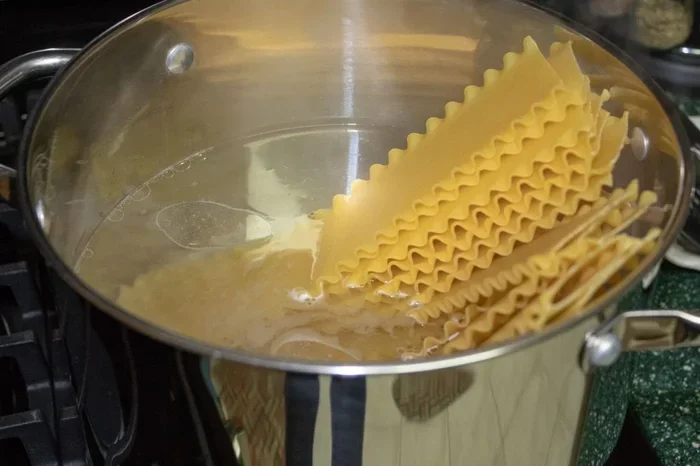
- Bring a large pot of water to a rolling boil. Use about 4 to 5 quarts of water for every 9 to 12 noodles. Plenty of water helps the noodles move freely and cook evenly.
- Add a pinch of salt. This adds a subtle flavor to the noodles as they absorb water. You do not need a lot, just enough to season lightly.
- Drop the noodles into the boiling water. Add them one at a time to prevent sticking. Stir gently with a fork or tongs right after adding them.
- Boil for exactly 1 to 2 minutes. This is the critical step. Oven ready noodles are already partially cooked, so they just need a brief warm-up. Set a timer so you do not forget.
- Drain the noodles immediately. Use a colander to remove all the water. Shake off any excess moisture.
- Rinse with cool water for a few seconds. This stops the cooking process and removes surface starch. Rinsing also makes the noodles easier to handle and layer.
- Lay the noodles flat on a lightly oiled sheet pan. This prevents sticking while you prepare the rest of your lasagna recipe.
Timing and Temperature Tips
The temperature of your boiling water should be at a full, rolling boil before you add the noodles. Do not add noodles to lukewarm water, as this can cause them to become gummy and unevenly cooked.
Keep a close eye on the clock. Boiling for even 30 seconds too long can turn your oven ready noodles into a mushy mess. On the other hand, not boiling them long enough can leave them too stiff to layer properly.
Here is a quick reference for boiling times:
- 1 minute: Noodles will be very firm and slightly underdone. Best for ovens that run cool.
- 1.5 minutes: The sweet spot for most ovens. Noodles are pliable but still have a slight bite.
- 2 minutes: Noodles are fully softened and ready to layer. Ideal for deep-dish or heavily sauced lasagnas.
Remember that every oven is different, and your lasagna baking time may vary. The boiling time above is a starting point. Adjust based on your oven and the thickness of your noodles.
Oven Ready vs Regular Lasagna Noodles
Choosing between oven ready noodles and regular lasagna noodles depends on your cooking style, time constraints, and texture preferences. Both options can produce delicious lasagna, but they work differently in the kitchen.
| Feature | Oven Ready Noodles | Regular Lasagna Noodles |
|---|---|---|
| Pre-Boiling Required | No (but can be boiled briefly) | Yes, 8 to 12 minutes |
| Thickness | Thinner | Standard thickness |
| Cooking Method | Bakes in oven with sauce | Must be boiled first, then baked |
| Time Saved | 10 to 15 minutes | None |
| Texture Control | Moderate (improved with brief boil) | High (full control through boiling time) |
| Best For | Quick weeknight meals | Traditional recipes with more time |
| Liquid Absorption | High (designed to absorb sauce) | Moderate (depends on boiling time) |
| Availability | Widely available | Widely available |
Many cooks keep both types on hand. Use oven ready pasta sheets for busy nights and regular noodles when you have more time to focus on the details. The beauty of making lasagna is that you can experiment with both and find what works best for your kitchen.
If you enjoy exploring different oven-based recipes, you might also enjoy learning how to cook stuffed rouladen in the oven. It is another delicious dish that relies on proper oven technique and layering flavors.
Common Mistakes People Make When Boiling Lasagna Noodles
Even experienced cooks make mistakes when preparing oven ready lasagna noodles. Knowing what to avoid can save you from a ruined dish and a lot of frustration.
Overcooking the Noodles
The most common mistake is boiling the noodles for too long. Since oven ready noodles are already partially cooked, they need only a brief dip in hot water. Leaving them in boiling water for 5 or 10 minutes will turn them into a soft, mushy mess that falls apart when you try to layer them.
Always set a timer. Treat the boiling step like a quick warm-up, not a full cooking session. Your noodles should still have a slight firmness when you pull them out of the water. They will continue to soften as they bake in the oven with your lasagna recipe.
Skipping the Rinse
Another mistake is skipping the rinse after draining. When you boil no boil pasta, a layer of starch coats the surface. This starch can cause the noodles to stick together and create a gummy layer in your lasagna layers.
A quick rinse under cool water removes this excess starch and stops the cooking process immediately. It also makes the noodles easier to separate and position in your baking dish. Do not skip this simple step if you want clean, distinct layers in your finished dish.
Not Using Enough Sauce
Oven ready noodles rely heavily on the liquid in your lasagna recipe to cook through during baking. If you use too little sauce or béchamel, the noodles can dry out and turn tough or chewy. Always make sure you have enough liquid to cover the bottom of your baking dish and between each layer of noodles.
A good rule of thumb is to have at least 2 to 3 cups of sauce for a standard 9×13-inch baking dish. This ensures that every lasagna noodle has enough moisture to become tender and flavorful.
Using a Dirty or Wrong-Sized Baking Dish
The size and condition of your baking dish matters more than you might think. A dish that is too small will cause the noodles to overflow and bake unevenly. A dish that is too large will spread the layers too thin and dry them out.
Also, make sure your dish is clean and lightly greased before you start layering. A thin coat of oil or butter on the bottom and sides prevents sticking and makes it easier to serve your lasagna later.
Expert Tips for Perfect Lasagna Every Time
Now that you know how to properly boil and layer your oven ready lasagna noodles, here are some expert tips that will take your lasagna recipe to the next level.
Let the Lasagna Rest Before Serving
One of the biggest secrets to great lasagna is patience. After your lasagna baking is complete, let the dish rest for 15 to 20 minutes before cutting. This allows the layers to set and the sauce to thicken slightly. If you cut into it too soon, the layers will slide apart and the lasagna noodles texture will be messy.
Invest in Good Cheese
The cheese in your lasagna matters just as much as the noodles. Use a combination of mozzarella for meltiness, Parmesan for sharpness, and ricotta for creaminess. A quality cheese blend elevates the entire dish and complements the oven ready pasta sheets beautifully.
Experiment with Oven Temperatures
Most lasagna recipes call for baking at 375°F to 400°F. However, you can experiment with different temperatures to find what works best in your oven. Some cooks prefer a lower temperature for a longer bake, which gives the noodles more time to absorb moisture evenly.
If you are curious about other ways to use your oven creatively, consider exploring how to make a tandoori oven at home. It opens up a whole world of oven-cooked dishes beyond traditional lasagna and pasta bakes.
Prepare Your Layers in Advance
Before you start assembling, have everything ready. Your sauce should be warm, your boiled noodles should be drained and rinsed, and your cheese mixture should be mixed and measured. Having everything in place makes the lasagna assembly process smooth and stress-free.
Start with a thin layer of sauce on the bottom of the dish. Then add noodles, sauce, cheese, and repeat. End with a generous layer of cheese on top for a golden, bubbly crust. This classic layering method works beautifully with both oven ready noodles and regular boiled noodles.
Store and Reheat Leftovers Properly
Leftover lasagna tastes even better the next day as the flavors meld together. Store it in an airtight container in the refrigerator for up to 5 days. To reheat, cover with foil and warm in the oven at 350°F for about 20 minutes. This keeps the lasagna noodles texture soft and prevents the cheese from drying out.
Avoid reheating lasagna in the microwave if you can, as it tends to make the noodles rubbery. The oven brings back the original bake quality and keeps everything tasting fresh.
Conclusion
Can you boil oven ready lasagna noodles? The answer is a clear yes. While these noodles are designed to go straight into the oven, a brief boil gives you more control over the final texture and can improve your overall results. The key is to keep the boiling time short, rinse the noodles after draining, and layer everything properly with enough sauce.
Whether you choose to boil your oven ready lasagna noodles or use them directly from the box, the most important thing is that you feel confident in your lasagna recipe. Cooking should be fun and rewarding, and with the right techniques, you can create a lasagna that rivals any Italian restaurant.
So the next time you pull out that box of no boil lasagna noodles, remember these tips. Boil them for just a minute or two, rinse them well, and layer them with care. Your family and guests will notice the difference. Happy cooking!
Frequently Asked Questions
Can you boil no-boil lasagna noodles?
Yes, you can boil no-boil lasagna noodles. They are designed to cook in the oven without pre-boiling, but a quick 1 to 2 minute boil in hot water can improve their texture and make them easier to layer.
How long do you boil oven ready lasagna noodles?
Boil oven ready lasagna noodles for only 1 to 2 minutes. They are already partially cooked during manufacturing, so they just need a brief warm-up to become pliable enough for layering.
Do oven ready lasagna noodles need to be boiled?
No, oven ready lasagna noodles do not need to be boiled. They are designed to absorb liquid and cook fully in the oven during the baking process. However, boiling them briefly can give you better texture and more control over the final dish.
What happens if you boil oven ready noodles too long?
If you boil oven ready noodles for too long, they will become mushy and fall apart. Since they are already partially cooked, they only need a brief dip in boiling water. Always set a timer and keep it to 1 to 2 minutes maximum.
Can you use oven ready noodles in a no-boil lasagna recipe?
Yes, oven ready noodles are specifically designed for no-boil lasagna recipes. You can place them directly into the baking dish with sauce and they will cook through during the baking process. Just make sure you have enough liquid in your recipe.
Are oven ready lasagna noodles the same as fresh lasagna noodles?
No, oven ready lasagna noodles are not the same as fresh lasagna noodles. Oven ready noodles are dried and thinner, designed to cook in the oven without pre-boiling. Fresh lasagna noodles are typically wider and need to be boiled or used immediately after making.