Can You Make Sourdough Without A Dutch Oven Yes You Can
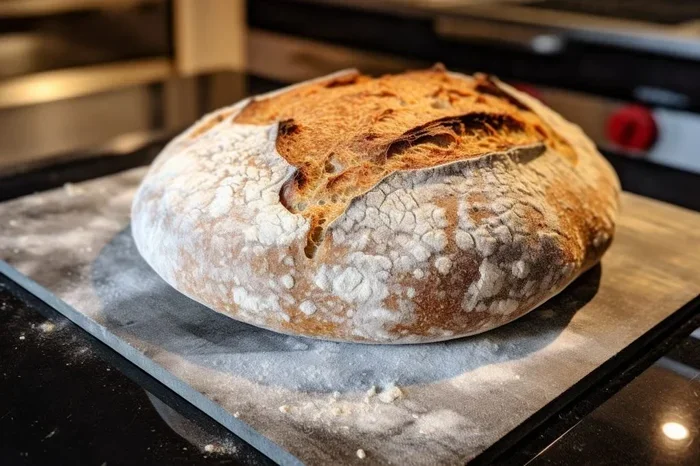
Yes, you can absolutely make sourdough without a Dutch oven. Many home bakers achieve beautiful, bakery-quality loaves using simple alternatives like a baking stone, a loaf pan, or even a deep roasting pan. This guide walks you through every method, so you can bake sourdough confidently with whatever equipment you already own.
This is a comprehensive guide about Can You Make Sourdough Without A Dutch Oven.
Key Takeaways
- A Dutch oven is not required: Several effective substitutes exist for baking sourdough at home.
- A baking stone or steel mimics the Dutch oven effect: It provides the bottom heat and steam retention you need for great oven spring.
- You can use a simple loaf pan or roasting pan: These common kitchen items work surprisingly well for sourdough.
- Steam is the secret ingredient: Adding steam manually helps create that crispy, golden crust.
- Oven temperature matters greatly: Baking at the right heat ensures proper fermentation and rise during baking.
- Scoring and shaping still apply: Good technique makes up for the lack of a Dutch oven.
- Practice makes perfect: Your first few loaves without a Dutch oven may need tweaking, but the results are worth it.
[FEATURED_IMAGE_PLACEHOLDER]
Can You Make Sourdough Without A Dutch Oven?
Here is the short answer. Yes, you can make sourdough without a Dutch oven. A Dutch oven is a popular tool for sourdough baking, but it is far from the only way to get great results. Many home bakers around the world have been baking delicious sourdough bread for decades using simple alternatives that you probably already have in your kitchen.
The Dutch oven became famous in the sourdough community because it traps steam and creates an even baking environment. That steam keeps the bread crust soft during the early stages of baking, which allows the loaf to expand fully. This process is called oven spring, and it is what gives sourdough its signature tall, airy shape.
But here is the good news. You do not need a fancy pot to achieve oven spring. You can use a baking stone, a loaf pan, a roasting pan, or even a simple sheet pan with a water tray. Each method has its own advantages. Some give you a crispier crust. Others make shaping easier. This guide covers all of them in detail.
Whether you are a complete beginner or an experienced baker looking for a new sourdough recipe approach, this article has something for you. We will walk through every substitute method, share practical tips, and highlight common mistakes to avoid. By the end, you will feel confident baking sourdough with whatever equipment you have on hand.
Why Do People Use a Dutch Oven for Sourdough?
Before we explore the alternatives, it helps to understand why the Dutch oven is so popular. This knowledge makes it easier to choose the right substitute for your needs.
The Steam Factor
A Dutch oven works like a mini oven inside your oven. When you place the covered pot in a hot bread oven, the moisture from the dough gets trapped inside. This creates a steamy environment that mimics professional bakery conditions. The steam keeps the outer layer of the dough soft and flexible during the first part of baking. This allows the loaf to rise fully before the crust hardens.
Without steam, the crust forms too early. The loaf cannot expand properly. You end up with a dense, flat sourdough loaf instead of a tall, open-crumbed masterpiece.
Even Heat Distribution
Cast iron Dutch ovens hold heat very well. They surround the dough with consistent warmth from all sides. This even baking bread environment helps the sourdough crumb develop properly. The bottom of the loaf gets crispy while the inside stays soft and tangy.
However, not everyone owns a Dutch oven. They can be heavy, expensive, or simply unavailable. That is where the substitutes come in. Let us look at the best options below.
Best Substitutes for a Dutch Oven
Several kitchen tools can replace a Dutch oven for sourdough baking. Each one has its own strengths. Here are the top options that actually work well.
Baking Stone or Baking Steel
A baking stone or baking steel is arguably the best Dutch oven alternative. These tools absorb heat and release it evenly, just like the bottom of a Dutch oven. You place the stone or steel on the middle or lower rack of your oven. Then you bake your shaped dough directly on its surface.
The key difference is that a baking stone does not trap steam on its own. You will need to add steam manually. We will cover how to do that in the next section. But the heat quality you get from a stone or steel is excellent. Many professional home bakers prefer this method over a Dutch oven because it produces a thinner, crispier crust.
Quick tip: Preheat your baking stone for at least 45 minutes. The stone needs to be fully heated before the dough goes in. This ensures maximum oven spring from the very start.
Loaf Pan
A standard loaf pan is a simple and accessible substitute. It holds the dough in place while it bakes. The walls of the pan provide some support, which can be helpful for beginners who are still mastering sourdough shaping techniques.
The downside is that a loaf pan limits the shape of your bread. You get a rectangular loaf instead of the classic round boule or oval batard. The crust is also softer on the sides because the pan traps some moisture. Some bakers love this softer crust. Others prefer the crispy, open crust of a free-form loaf.
If you are using a loaf pan, grease it well or line it with parchment paper. This prevents sticking and makes removal easier. A loaf pan works well for baking sourdough at home, especially if you are just getting started.
Deep Roasting Pan or Sheet Pan with Edges
A deep roasting pan can serve as a makeshift Dutch oven. The depth of the pan allows you to add a small amount of water to the bottom, creating steam as it heats. You place your dough on a rack or a piece of parchment paper inside the pan. Then you cover the pan tightly with aluminum foil.
This method traps steam similarly to a Dutch oven. The foil acts as a lid. The result is a good amount of oven spring and a nicely browned crust. Many bakers who do not own a Dutch oven swear by this approach.
One thing to watch out for: make sure the foil is secure. Steam escaping through gaps reduces the effectiveness of the method. You want a tight seal to keep the moisture inside the pan.
Pizza Stone
A pizza stone works very similarly to a baking stone. It is thinner, which means it heats up faster but does not retain heat as long. Place your pizza stone on the middle rack and preheat it thoroughly. Then slide your shaped dough onto the stone using a pizza peel or parchment paper.
The pizza stone gives you a crisp bottom crust. It is a great option if you already have one from your pizza baking adventures. Just remember to add steam separately, since the stone does not trap moisture on its own.
How to Add Steam Without a Dutch Oven
Since most Dutch oven substitutes do not trap steam automatically, you need to add it yourself. This step is critical for getting a good rise and a crispy yet tender crust.
Method 1: The Water Tray
Place a shallow metal tray on the lowest rack of your oven while it preheats. When you load your dough, pour about one cup of hot water into the tray. The water will create steam as it heats. Keep the oven door closed for the first 15 to 20 minutes of baking. This gives the dough enough steam to expand properly.
This is one of the simplest and most effective methods. It works with any oven and requires no special equipment beyond a tray.
Method 2: Spritzing the Dough
Use a spray bottle filled with water to mist the inside of the oven right after you load your dough. Spray the walls and the ceiling of the oven, not the dough directly. Close the door quickly to trap the moisture.
You can spritz the dough a couple of times in the first five minutes of baking as well. This adds a light layer of moisture right at the surface. It helps the crust stay soft long enough for the loaf to rise fully.
Method 3: The Foil Tent
Cover your loaf loosely with aluminum foil for the first 20 minutes of baking. The foil traps moisture released by the dough itself. This creates a mini steam environment around the loaf. After 20 minutes, remove the foil to let the crust brown and crisp up for the remaining bake time.
This method is especially useful when baking in a loaf pan or on a baking sheet. It is simple, effective, and requires no extra cleanup.
Step-by-Step: Baking Sourdough Without a Dutch Oven
Now that you know the tools and steam methods, let us walk through the full process. This step-by-step guide works with any of the substitutes mentioned above.
Step 1: Prepare Your Sourdough Starter
Make sure your sourdough starter is active and bubbly. Feed it 4 to 12 hours before you plan to bake. A healthy starter is the foundation of a great loaf. Without good fermentation, even the best baking setup will not save your bread.
Your starter should double in size within 4 to 6 hours of feeding. It should smell tangy and slightly sweet. If it smells too acidic or alcoholic, it may need another feeding before you use it.
Step 2: Mix and Bulk Ferment
Combine your starter, flour, water, and salt in a large bowl. Mix until everything is incorporated. Let the dough rest for 3 to 5 hours at room temperature. During this time, perform a series of stretch and folds every 30 minutes for the first 2 hours. This builds strength in the dough and creates a structured sourdough crumb.
Step 3: Shape the Loaf
Turn the dough out onto a lightly floured surface. Shape it into a round boule or oval batard. Use a bench scraper to tighten the surface tension. A well-shaped loaf holds its form during baking and rises evenly.
If you are using a loaf pan, place the shaped dough inside the greased pan. If you are baking free-form, place the dough on a piece of parchment paper. This makes it easier to transfer the dough to your baking stone or sheet pan.
Step 4: Cold Proof (Optional but Recommended)
Place the shaped dough in the refrigerator for 12 to 18 hours. Cold proofing slows down fermentation and develops deeper flavor. It also makes the dough easier to score. When you are ready to bake, preheat your oven and your chosen substitute tool.
Step 5: Score and Bake
Remove the dough from the refrigerator about 30 minutes before baking. Let it warm up slightly. Use a sharp blade or lame to score the top of the loaf. Scoring guides the expansion of the bread and gives it a beautiful, professional look.
Place the dough in your preheated oven on your chosen substitute. Add steam using one of the methods described above. Bake at a high temperature, typically around 450 to 500 degrees Fahrenheit, for the first 20 minutes. Then reduce the temperature to 425 to 450 degrees and continue baking for another 20 to 30 minutes until the crust is deeply browned.
Common Mistakes to Avoid
Baking sourdough without a Dutch oven is entirely doable, but there are a few pitfalls to watch out for. Avoiding these mistakes will save you a lot of frustration.
- Not preheating long enough: Your baking stone or steel needs at least 45 minutes to reach the right temperature. A lukewarm stone gives you poor oven spring and a pale crust.
- Skipping the steam: Without added moisture, the crust forms too fast. The loaf cannot expand. You end up with a dense, flat bread instead of an airy, open-crumbed loaf.
- Opening the oven door too early: Every time you open the door, you lose heat and steam. Keep the door closed for at least the first 15 to 20 minutes. Trust the process.
- Using too much flour when shaping: Excess flour on the surface burns during baking and creates a thick, dark crust that masks the beautiful golden color underneath.
- Baking at too low a temperature: Sourdough needs high heat to get proper oven spring and a crispy crust. If your oven runs cool, consider using an oven thermometer to verify the actual temperature.
Comparison: Dutch Oven vs. Substitutes
Here is a quick comparison to help you decide which method works best for your situation.
| Feature | Dutch Oven | Baking Stone | Loaf Pan | Roasting Pan + Foil |
|---|---|---|---|---|
| Steam Retention | Excellent | Needs added steam | Moderate | Good with foil |
| Crust Quality | Very crispy | Crispy and thin | Softer sides | Good and even |
| Ease of Use | Easy | Moderate | Very easy | Moderate |
| Shape Options | Round or oval | Free-form | Rectangular only | Free-form |
| Cost | High | Low to medium | Low | Low |
| Oven Spring | Excellent | Good with steam | Moderate | Good with steam |
As you can see, each method has trade-offs. The Dutch oven gives you the easiest and most consistent results. But the substitutes come close when you follow the right techniques. The baking stone is the most popular alternative among experienced home bakers because it offers excellent heat quality and a beautiful crust.
Expert Tips for Better Sourdough Without a Dutch Oven
Here are some insider tips that separate good sourdough from great sourdough. These small adjustments make a big difference in your final loaf.
- Use a baking steel if you can: A baking steel heats up faster and retains heat better than a stone. It gives you even better oven spring than a Dutch oven in many cases.
- Invest in a lame or razor blade: A sharp scoring tool gives you clean, precise cuts. These cuts expand during baking and create the classic ear on top of your sourdough loaf.
- Cool the bread completely: Resist the urge to cut into your hot loaf. Let it cool on a wire rack for at least one hour. The inside is still cooking as it cools. Cutting too early results in a gummy sourdough crumb.
- Keep notes: Every oven is different. Note your bake times, temperatures, and steam methods. Over time, you will dial in your perfect sourdough recipe for your specific setup.
- Try different flours: Bread flour gives you more gluten and a taller loaf. All-purpose flour works too but produces a slightly denser result. Experiment with blends to find your favorite.
Can You Make Sourdough Without A Dutch Oven: Final Thoughts
Baking sourdough bread without a Dutch oven is not only possible, it is genuinely enjoyable. You do not need expensive equipment to produce beautiful, flavorful loaves at home. A baking stone, a loaf pan, or a deep roasting pan with foil can all deliver excellent results when paired with the right steam and temperature techniques.
The key is understanding what a Dutch oven actually does. It traps steam and provides even heat. Once you know that, you can replicate those conditions with simpler tools. Add steam manually, preheat your baking surface thoroughly, and bake at a high temperature. These three steps will take you a long way toward bakery-quality sourdough at home.
Start with the method that fits your kitchen best. The baking stone is the most versatile option. The loaf pan is the easiest for beginners. The roasting pan with foil is the most budget-friendly. Whichever you choose, give yourself grace on the first few tries. Sourdough baking is a skill that improves with practice. Every loaf teaches you something new about your oven, your dough, and your personal baking style.
So go ahead. Pull out your baking stone or grab that loaf pan from the back of your cabinet. Mix up a batch of dough, let it ferment, shape it with care, and bake it with confidence. You absolutely can make sourdough without a Dutch oven. And the first time you pull a golden, crackling loaf out of your oven, you will know exactly why this craft is so beloved.
Remember, the best tool is the one you already have. Focus on good technique, fresh ingredients, and patience. Your sourdough journey does not need a Dutch oven to be successful. It just needs you to show up and bake.
FAQs
Can I use a regular baking sheet instead of a Dutch oven?
Yes, you can use a regular baking sheet, but you will need to add steam manually since a flat sheet pan does not trap moisture. Place a tray of hot water on the rack below your dough. A baking stone on top of the sheet pan also helps improve heat transfer and crust quality.
What temperature should I bake sourdough without a Dutch oven?
Start at 450 to 500 degrees Fahrenheit for the first 20 minutes to get good oven spring. Then reduce to 425 to 450 degrees for the remaining bake time. This high-to-medium approach gives you a tall loaf with a deeply browned, crispy crust.
How do I get a crispy crust without a Dutch oven?
Add steam during the first 20 minutes of baking, then let the oven dry out for the rest of the bake. A baking stone or steel also helps create a crispier bottom crust. Scoring the dough properly allows steam to escape in a controlled way, which contributes to a crisp exterior.
Is a baking steel better than a baking stone for sourdough?
A baking steel heats up faster and transfers heat more efficiently than a stone. It gives you excellent oven spring and a very crispy crust. However, it is usually more expensive. Both work wonderfully, and a stone is a perfectly fine starting point for baking sourdough at home.
Can I bake sourdough in a glass dish?
Yes, a glass dish works in a pinch. Glass heats more slowly than cast iron or stone, so give it extra preheating time. Glass also does not conduct heat as intensely, so your crust may be slightly softer. It is a functional substitute, especially for loaf-style sourdough.
How long should I bake sourdough without a Dutch oven?
Most sourdough loaves bake for 40 to 50 minutes total without a Dutch oven. The first 20 minutes should be covered or steamed to promote rise. The remaining 20 to 30 minutes are uncovered to develop color and crispness. Bake until the internal temperature reaches 205 to 210 degrees Fahrenheit.
Frequently Asked Questions
What is Can You Make Sourdough Without A Dutch Oven?
Can You Make Sourdough Without A Dutch Oven is an important topic with many practical applications.