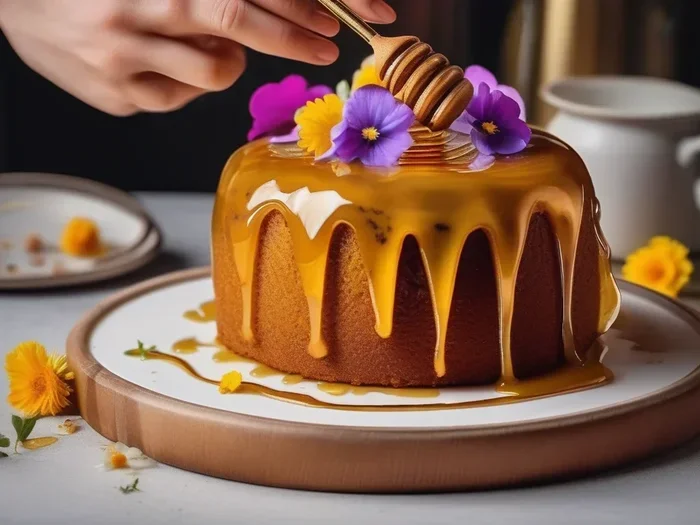
Can You Bake Honey In The Oven Without It Burning Up
Yes, you can bake honey in the oven, but you need to know the right temperature and timing. Honey has a low burn point compared to sugar, so it can turn bitter and dark very fast. This guide covers baking honey in the oven safely, the best temperatures, and simple tips to avoid burning. You will learn how to use honey in cakes, cookies, glazes, and roasts without ruining your dish. Follow these easy steps and enjoy the natural sweetness of honey in every bake.
Have you ever wondered whether bake honey in the oven is even a good idea? Maybe you are trying a new recipe and want to swap sugar for honey. Or perhaps you drizzled honey on a dish and tossed it in the oven without thinking.
The truth is, honey and ovens can work together beautifully. But there is a catch. Honey behaves very differently from regular sugar when it gets hot. It browns faster, burns easier, and can turn a perfectly good dish into a sticky mess. This article will walk you through everything you need to know about baking honey in the oven without it burning up.
Key Takeaways
- Honey burns easily: It has a lower burn point than regular sugar, so watch your oven temps closely.
- Keep it under 350°F: Most experts agree that baking honey in the oven works best below 350°F to prevent burning.
- Use parchment paper: This simple trick prevents honey from sticking and scorching on baking sheets.
- Add honey late in baking: Brushing honey on top near the end keeps it from burning and adds a beautiful glaze.
- Honey substitutes sugar 1-to-1 with adjustments: You need less liquid and a lower oven temp when baking with honey.
- Store baked honey goods properly: They stay moist longer because honey attracts and holds moisture.
- Raw honey reacts differently: Raw honey has more enzymes and can brown faster than processed honey in the oven.
📑 Table of Contents
- Why Honey Burns Faster Than Sugar in the Oven
- Best Oven Temperatures for Baking with Honey
- How to Substitute Honey for Sugar in Oven Recipes
- Tips to Prevent Honey From Burning in the Oven
- Honey Roasting: Vegetables, Nuts, and More
- Common Mistakes People Make When Baking with Honey
- Storing Baked Goods Made with Honey
- Expert Tips for Perfect Honey Baking Every Time
- Conclusion
Why Honey Burns Faster Than Sugar in the Oven
To understand how to bake honey safely, you first need to know why it behaves differently. Honey is not just sweet. It is a mix of sugars, water, and natural compounds. These things react to heat in unique ways.
The Science Behind Honey Browning
Honey contains fructose and glucose. These sugars caramelize at lower temperatures than the sucrose found in white sugar. Caramelization starts around 320°F for honey. That means your honey can start to change color and flavor well before you think it should.
On top of that, honey has natural acids and enzymes. These speed up the browning process even more. So when you bake honey in the oven, it is already working against a clock. The higher the heat, the faster it goes from golden to burnt.
Burn Point vs. Caramelization Point
People often confuse caramelization with burning. Caramelization is when sugars break down and turn golden brown. This is a good thing. It adds flavor and color to your food.
Burning is different. Burning happens when the sugars go past the caramelization point and start to char. Burnt honey tastes bitter and smoky. It can ruin the taste of your entire dish. Here is a quick look at the temperature ranges:
- Honey caramelization: Starts around 320°F
- Honey burning: Begins around 400°F and above
- White sugar caramelization: Starts around 350°F
- White sugar burning: Begins around 420°F
As you can see, honey has a much narrower safe window. This is the main reason baking honey in the oven requires more care than baking with sugar.
Best Oven Temperatures for Baking with Honey
Now that you know why honey burns, let us talk about the right temperatures. The good news is that you do not need to avoid the oven altogether. You just need to be smart about the heat.
Low and Slow Is the Way to Go
Most baking experts recommend keeping your oven at or below 350°F when using honey. Some even suggest going as low as 325°F for longer bakes. The lower temperature gives the honey time to blend with your other ingredients without scorching.
Here are some temperature guidelines for common honey baking tasks:
- Honey cakes: 325°F to 350°F
- Honey cookies: 325°F to 340°F
- Honey glazes: Add after baking or in the last 5-10 minutes
- Honey roasted nuts: 300°F to 325°F
- Honey roasted vegetables: 350°F to 375°F
Notice how most of these fall under 350°F. That is not a coincidence. Keeping the temperature lower helps you bake honey in the oven safely while still getting great results.
What Happens If You Go Too High?
If you set your oven above 375°F with honey in the mix, you are asking for trouble. The honey will brown too fast on the outside while the inside stays undercooked. In worse cases, it will blacken and smoke. Your kitchen will smell like a burnt caramel disaster.
Even honey-based sauces and marinades can burn at high heat. If you are glazing a chicken or a ham with honey, wait until the last part of the cooking time. This gives the honey a chance to set without turning into a charred crust.
How to Substitute Honey for Sugar in Oven Recipes
Swapping sugar for honey seems simple. Just pour honey where sugar used to go, right? Not exactly. There are a few adjustments you need to make for the best results.
The Basic Substitution Rules
When you bake honey in the oven as a sugar replacement, follow these general rules:
- Use 3/4 cup of honey for every 1 cup of sugar. Honey is sweeter than sugar, so you need less.
- Reduce other liquids by 2 tablespoons for each cup of honey. Honey contains water, so your batter or dough may become too wet.
- Add 1/4 teaspoon of baking soda for each cup of honey. Honey is acidic, and baking soda helps balance the pH.
- Lower the oven temperature by 25°F. This prevents the honey from browning too fast.
These small changes make a big difference. Your baked goods will come out moist, flavorful, and evenly golden.
Which Recipes Work Best with Honey?
Not every recipe handles honey well. Some work beautifully, while others need more tweaking. Here are some oven recipes that do well with honey:
- Honey banana bread: The moisture from honey keeps the bread soft and tender.
- Honey oat cookies: Honey helps the cookies stay chewy instead of crunchy.
- Honey lemon cake: The natural flavor of honey pairs perfectly with citrus.
- Honey cinnamon rolls: Honey adds a deeper sweetness than white sugar.
- Honey glazed ham: A classic holiday dish that shines with real honey.
For best results, choose recipes that were designed with honey from the start. These recipes already account for how honey behaves in the oven.
Tips to Prevent Honey From Burning in the Oven
Prevention is always easier than fixing a burned mess. Here are some tried-and-true tips to keep your honey golden and delicious every time you use the oven.
Use Parchment Paper or Silicone Mats
Honey is sticky. When it drips onto a bare baking sheet, it sticks and can scorch. Parchment paper or a silicone baking mat creates a barrier. This makes cleanup easier and protects your honey from direct heat.
Also, when you are baking honey in the oven on cookies or bars, parchment paper helps the honey distribute evenly. It prevents hot spots that can cause burning.
Brush Honey On Late in the Baking Process
If your recipe calls for a honey glaze or drizzle, do not add it at the start. Instead, brush it on during the last 5 to 10 minutes of baking. This way, the honey gets just enough heat to set and shine without burning.
This trick works great for honey-glazed carrots, honey roasted chicken, and honey topped muffins. The result is a beautiful, glossy finish with no bitterness.
Watch Your Pan Color
Dark pans absorb more heat than light pans. If you are baking something with honey, use a light-colored or aluminum pan. Dark pans can cause the honey to overheat and burn faster.
If you only have dark pans, drop the oven temperature by another 10°F to compensate. This small change can save your bake from turning into a burnt offering.
Keep an Eye on the Timer
Honey bakes faster than sugar-based recipes. Set your timer a few minutes earlier than the recipe suggests. Check for doneness by looking at the color. If it is already a deep golden brown, it might be done or even close to overdone.
Every oven is different. Some run hot, some run cool. Knowing your oven’s actual temperature with an oven thermometer helps you bake honey in the oven with more confidence and fewer surprises.
Honey Roasting: Vegetables, Nuts, and More
Baking honey in the oven is not just for desserts. Roasted vegetables and nuts with honey are some of the most popular uses. The natural sweetness of honey adds depth and flavor to savory dishes.
Honey Roasted Vegetables
Root vegetables like carrots, sweet potatoes, and parsnips take honey beautifully. Toss them in a light coating of olive oil and honey, then roast at 375°F to 400°F. The honey caramelizes on the edges, creating a crispy, sweet exterior.
For best results, roast the vegetables first and drizzle the honey in the last 10 minutes. This prevents the honey from burning while still giving you that gorgeous caramelized finish.
Honey Roasted Nuts
Honey roasted almonds, pecans, and cashews make a great snack or salad topping. Spread the nuts on a lined baking sheet, drizzle with honey, and bake at 300°F to 325°F for about 15 minutes. Stir halfway through for even coating.
Since nuts are already in a dry, hot environment, the honey can burn quickly. Keeping the temperature low and stirring often are the keys to success here.
Common Mistakes People Make When Baking with Honey
Even experienced bakers make mistakes with honey. Here are some of the most common ones and how to avoid them.
Using Too Much Honey
It is easy to go overboard because honey is so delicious. But too much honey makes baked goods dense and overly wet. Stick to the substitution ratios we talked about earlier. Your recipe will turn out much better.
Not Adjusting the Liquid Content
Honey is about 17% water. When you add it to a recipe, you are adding extra moisture. If you do not reduce the other liquids, your batter or dough can become too runny. This leads to uneven baking and a soggy texture.
Baking at the Same Temperature as Sugar Recipes
This is the number one mistake. If your sugar recipe calls for 375°F and you do not lower it for honey, the honey will likely burn. Always drop the temperature by 25°F when substituting honey for sugar.
Ignoring the Type of Honey You Use
Not all honeys are the same. Raw honey has more moisture and enzymes than processed honey. This means it can react differently in the oven. Darker honeys like buckwheat have stronger flavors and can brown faster. Lighter honeys like clover are milder and more forgiving in baking.
Choose your honey based on the recipe and the flavor profile you want. For baking, a light or medium honey usually works best.
Storing Baked Goods Made with Honey
One of the great benefits of baking with honey is that your goods stay fresh longer. Honey is a natural humectant, which means it attracts and holds moisture. This keeps cakes, cookies, and breads softer for days.
Store your honey-baked goods in an airtight container at room temperature. They will stay moist for up to a week. You can also freeze them for longer storage. Just make sure they are wrapped well to prevent freezer burn.
Unlike sugar-based baked goods that dry out quickly, honey baked items retain their tenderness. This makes honey a fantastic choice for meal prep and gifting.
Expert Tips for Perfect Honey Baking Every Time
Here are some bonus tips from experienced bakers to help you master baking honey in the oven:
- Measure honey correctly: Coat your measuring cup with a thin layer of oil or cooking spray. The honey will slide right out without sticking.
- Bring honey to room temperature: Cold honey is thick and hard to mix. Let it sit out for 15 minutes before adding it to your recipe.
- Mix honey with wet ingredients first: This ensures even distribution throughout your batter or dough.
- Use a lighter hand with spices: Honey has its own strong flavor. Too many competing spices can overwhelm the honey taste.
- Experiment with combinations: Honey pairs wonderfully with cinnamon, vanilla, lemon, and ginger. Try different flavor profiles to find your favorite.
With these tips in your back pocket, you are ready to create delicious honey baked treats without any burning or frustration.
Conclusion
Baking honey in the oven is absolutely possible and can yield amazing results. The key is understanding how honey reacts to heat and adjusting your approach accordingly. Keep your oven temperature below 350°F, use parchment paper, add honey late for glazes, and always make the necessary recipe adjustments when substituting honey for sugar.
Remember, honey burns faster than regular sugar, so a little extra attention goes a long way. Whether you are baking honey cakes, roasting vegetables, or making honey glazed meats, these tips will help you get the best flavor without any burning. Start with simple recipes, practice your technique, and soon you will be baking with honey in the oven like a pro. The natural sweetness, beautiful browning, and moist texture that honey brings to baked goods are well worth the extra care.
So go ahead. Pull out that jar of honey, preheat your oven, and create something delicious. Just keep an eye on the temperature, and you will be rewarded with golden, flavorful, perfectly baked treats every single time.
Frequently Asked Questions
Can you bake honey in the oven at 400 degrees?
It is not recommended to bake honey at 400°F. Honey starts to burn around 400°F, and going above that temperature will likely cause it to char and turn bitter. Stick to 350°F or lower for the best results when you bake honey in the oven.
What happens if honey burns in the oven?
Burnt honey turns black and releases a bitter, smoky flavor. It can also smoke heavily and create a mess in your oven. Burnt honey cannot be saved, so it is best to prevent burning by keeping temperatures low and monitoring your bake closely.
Is it better to use raw honey or processed honey for baking?
Processed honey is more predictable for baking because it has a consistent moisture content and fewer enzymes. Raw honey has more flavor but can brown faster and behave unpredictably in the oven. For beginners, processed honey is the safer choice.
How do you prevent honey from sticking to baking pans?
Line your baking sheets with parchment paper or silicone baking mats. These create a non-stick surface that prevents honey from scorching and makes cleanup a breeze. You can also lightly grease pans with cooking spray before adding honey-based mixtures.
Can you use honey instead of sugar in all oven recipes?
You can substitute honey for sugar in most recipes, but you need to make adjustments. Reduce other liquids, add a little baking soda, and lower the oven temperature by 25°F. Some recipes, especially those that rely on sugar for texture, may not work as well with honey.
How long can you store honey-baked goods?
Honey baked goods stay fresh longer than sugar-based ones because honey is a natural humectant. Store them in an airtight container at room temperature, and they will stay moist for up to a week. You can also freeze them for up to three months without losing quality.