Difference Between Oven and Stove What You Need to Know
The main difference between oven and stove is simple: a stove heats food on top, while an oven cooks food inside an enclosed space. Many people use these terms interchangeably, but they refer to two distinct kitchen appliances. Understanding this difference helps you choose the right setup for your cooking style.
Every kitchen has one. You use it every day. But do you really know what it is? People say “oven” when they mean “stove.” They say “range” when they mean “cooktop.” The truth is, these terms mean different things. And understanding the difference between oven and stove matters more than you think.
When you are shopping for a new kitchen setup, the wrong choice can cost you money. It can also make cooking harder than it needs to be. This guide breaks it all down in plain language. By the end, you will know exactly what you need.
We will cover what each appliance does. We will compare them side by side. And we will help you decide which setup works best for your home. Whether you are a beginner cook or a seasoned chef, this guide has something for you.
Key Takeaways
- A stove (or cooktop) uses burners on the surface for direct, open-flame or electric cooking.
- An oven is an enclosed cavity that uses indirect heat for baking, roasting, and broiling.
- A range combines both a stove and an oven into one unit, which is what most kitchens have.
- Gas stoves offer instant heat control, while electric ovens provide even, consistent temperatures.
- Countertop ovens are compact alternatives that save space and energy for small meals.
- Energy efficiency varies between gas and electric cooking appliances depending on your cooking habits.
- Knowing your cooking needs helps you pick the right appliance combination for your kitchen.
📑 Table of Contents
- What Is a Stove? Understanding the Basics
- What Is an Oven? The Enclosed Cooking Chamber
- Oven vs Stove: The Key Differences Explained
- The Range: When Stove and Oven Become One
- Choosing the Right Setup for Your Kitchen
- Common Mistakes People Make With Ovens and Stoves
- Quick Tips for Better Cooking Results
- Expert Insights: What Professional Chefs Say
- Key Takeaways
- Conclusion
What Is a Stove? Understanding the Basics
A stove is a cooking appliance that heats food on the surface. It uses burners or heating elements to create direct heat. You place pots and pans on top to cook your food. Many people call this a cooktop or a stovetop. In everyday talk, the word “stove” covers a lot of ground.
But technically, a stove only refers to the cooking surface. It does not include the oven below. That is an important distinction. When someone says “I am cooking on the stove,” they mean the top burners. Not the enclosed cavity underneath.
Types of Stoves You Will Find
Not all stoves are the same. There are a few main types you should know about. Each one has its own strengths and weaknesses.
Gas Stoves use open flames from burners. You can see the blue flame right under your pot. This gives you instant control. Turn the knob, and the heat changes right away. Many professional chefs prefer gas stoves for this reason. The gas stove feel is familiar and responsive.
Electric Stoves use coils or smooth glass surfaces to heat up. They take a bit longer to warm up. But they offer a flat, easy-to-clean surface. Electric cooktops are popular in modern kitchens for their sleek look.
Induction Cooktops use magnetic fields to heat the pan directly. The surface itself stays cool. This makes them very safe and energy efficient. They are fast too. Induction cooking is growing fast in popularity.
What Can You Cook on a Stove?
The stove top is perfect for tasks that need direct heat. Think about boiling water for pasta. You need that open flame or electric coil. Frying eggs in a pan works best on the stovetop. So does sautéing vegetables, simmering sauces, and heating soup.
You can also do things like stir-frying and searing meat. These cooking methods need high, direct heat. An oven cannot do this. That is why the stove is so important in any kitchen.
What Is an Oven? The Enclosed Cooking Chamber
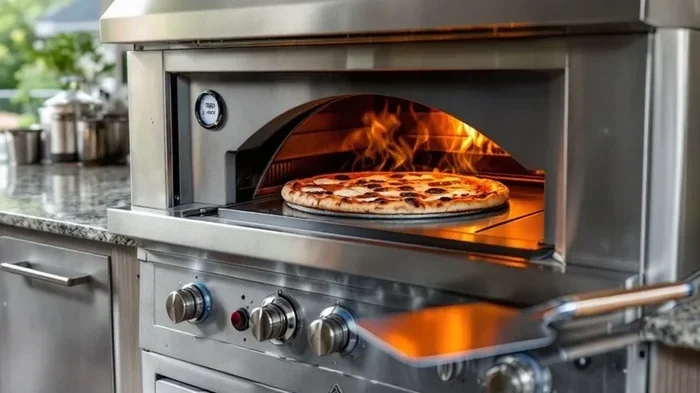
An oven is an enclosed space that uses indirect heat. The heat surrounds the food from all sides. This is very different from a stove burner. Inside the oven, heating elements or gas flames warm the air. The hot air then cooks the food evenly.
Ovens are built for slow, even cooking. They are perfect for baking bread, cakes, and cookies. They also handle roasting meats and vegetables beautifully. When you want something cooked through and golden brown, the oven is your best friend.
How Does an Oven Work?
Most ovens have two heating elements. One is at the top. One is at the bottom. The top element is used for broiling. The bottom element handles baking and roasting. Some ovens have a fan inside. This is called a convection oven. The fan circulates hot air around the food. It cooks things faster and more evenly.
Convection ovens are great for baking multiple trays at once. The even air flow prevents hot spots. If you bake often, a convection model is worth considering. It can make a real difference in your cooking results.
What Can You Do in an Oven?
The oven opens up a whole world of cooking. Here are common uses:
- Baking cakes, muffins, bread, and pastries
- Roasting chicken, beef, pork, and vegetables
- Broiling steaks, fish, and casseroles
- Reheating leftovers and pizza
- Dehydrating fruits and jerky at low temperatures
Each of these tasks needs the enclosed, even heat that only an oven provides. You simply cannot bake a cake on a stove burner. The heat source is completely different.
Oven vs Stove: The Key Differences Explained
Now let us get to the heart of the matter. What exactly sets these two apart? Let us break it down clearly.
Heat Source and Method
A stove uses direct, open heat. The flame or coil touches the bottom of your pan. This creates intense, focused heat. It is ideal for quick cooking tasks. Boiling water takes just minutes on a stove burner.
An oven uses indirect, surrounding heat. The food sits inside a closed chamber. Hot air circulates around it. This is gentler and more even. It takes longer to cook, but the results are different. Think of the crispy skin on a roasted chicken. That comes from the oven’s enclosed heat.
Cooking Temperature Control
Stoves offer immediate temperature changes. You can go from high heat to low in seconds. This is crucial for tasks like melting butter or searing meat. Cooking temperature control on a stove is fast and hands-on.
Ovens take longer to adjust. The enclosed space holds heat. When you change the temperature, it takes time to stabilize. Most recipes call for preheating the oven for this reason. You need the space to reach the right oven temperature before food goes in.
Energy Use and Efficiency
Stoves use energy only when a burner is on. They heat up fast and cool down fast. This makes them fairly efficient for short cooking tasks. But they lose a lot of heat to the surrounding air.
Ovens use more energy because they heat a large enclosed space. Preheating adds to the energy cost. However, ovens are efficient for cooking large meals or multiple dishes at once. If you are baking a dozen cookies, the oven uses energy wisely.
Safety Considerations
Stoves can be more dangerous, especially gas models. Open flames mean fire risk. Hot burners can cause burns. Children and pets need to be kept away. Electric stoves and induction cooktops are safer in this regard.
Ovens also get very hot inside. But the enclosed design keeps the heat contained. The outside surface stays cooler than a stove burner. Still, you should always use oven mitts when reaching inside.
The Range: When Stove and Oven Become One
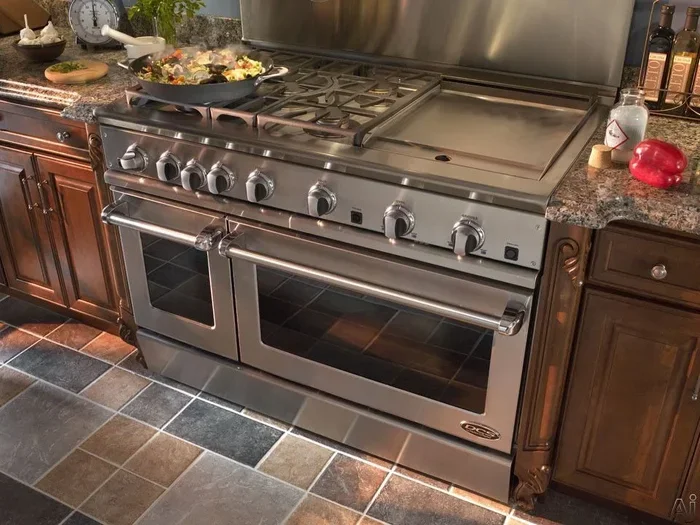
Here is where things get confusing. Most people have a range in their kitchen. A range is a single unit that combines a stove and an oven. The cooktop sits on top. The oven sits below. This all-in-one design is the most common setup in homes today.
When you hear someone say “my stove is broken,” they might mean the oven. Or the burners. This is why understanding the difference between oven and stove matters. It helps you communicate clearly with repair technicians and store staff.
Why Ranges Are So Popular
Ranges save kitchen space. Instead of buying two separate appliances, you get both in one unit. They are also more affordable than buying a standalone stove and oven separately. Most kitchen designs are built around a range setup.
You can find ranges in gas, electric, or dual-fuel options. A dual-fuel range has a gas cooktop and an electric oven. This gives you the best of both worlds. Fast, responsive cooking on top and even heat below.
Separate Oven and Stove Setups
Some kitchens use separate appliances. The cooktop sits on the counter or is built into a wall. The oven is a standalone unit, often installed at a different height. This setup is common in professional kitchens and modern home designs.
Separate appliances offer more flexibility. You can choose different types for each. You might want a gas cooktop and a countertop oven instead of a full oven. The options are nearly endless.
Choosing the Right Setup for Your Kitchen
So how do you pick the right combination? It depends on your cooking habits and kitchen space. Let us walk through the decision process.
Consider Your Cooking Style
Do you bake often? Then you need a good oven. A convection oven will serve you well. Do you cook mostly on the surface? Then focus on the stovetop quality. Think about what you make most days.
If you love stir-fry and sautéed dishes, invest in a great cooktop. If you love roasted meats and baked goods, prioritize the oven. Most people need both, but one will matter more to you personally.
Think About Kitchen Space
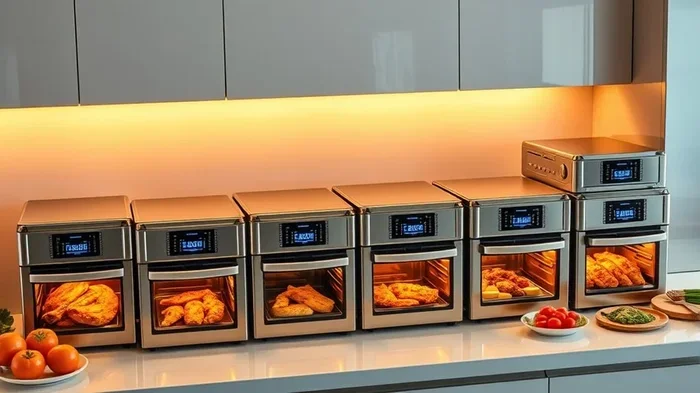
Small kitchens benefit from a range. It keeps everything in one footprint. A countertop oven can also be a great space-saver. You can use it for most baking and roasting instead of heating up the big oven.
Larger kitchens can handle separate appliances. This gives you more cooking surface and more oven capacity. You can cook multiple dishes at different temperatures. That is a luxury for serious home cooks.
Budget Considerations
Ranges are generally the most budget-friendly option. A basic gas range costs less than buying a separate gas cooktop and oven. But premium ranges can get expensive too.
Separate appliances let you mix price points. You can get a quality cooktop without overspending on the oven. Or vice versa. Think about what fits your budget without sacrificing the features you use most.
Common Mistakes People Make With Ovens and Stoves
Even experienced cooks make mistakes with these appliances. Here are some to avoid.
Not Preheating the Oven
Many people skip preheating. But it matters. Food starts cooking the moment it hits the right temperature. Putting a cake into a cold oven leads to uneven baking. Always give your oven time to reach the target oven temperature first.
Overcrowding the Stove or Oven
Overcrowding a pan on the stove blocks heat flow. Food steams instead of searing. Overcrowding an oven blocks air circulation. This is especially true in a convection oven. Give your food room to cook properly.
Ignoring Maintenance
Dirty burners heat unevenly. Grease buildup in the oven affects cooking quality. Clean your appliances regularly. A well-maintained cooktop or baking oven lasts longer and performs better.
Quick Tips for Better Cooking Results
Want to get more out of your oven and stove? Try these simple tips.
- Use the right pan size for each burner. A small pan on a large burner wastes heat.
- Rotate your pans halfway through oven cooking for even browning.
- Keep your oven door closed as much as possible. Every opening drops the temperature.
- Use a thermometer to check your oven’s actual temperature. Many ovens run hot or cold.
- Clean burners and elements regularly for consistent heat output.
- Let pans heat up before adding oil or food for better searing on the stove.
These small habits make a big difference over time. Your food will taste better. Your appliances will last longer. And your cooking experience will be more enjoyable.
Expert Insights: What Professional Chefs Say
Professional chefs have strong opinions about their equipment. Most agree that the gas stove is the gold standard for stovetop cooking. The instant flame control is hard to beat. Chefs can adjust heat in real time. This precision matters when you are working quickly.
For ovens, many pros prefer convection models. The fan-assisted air flow ensures even cooking. This is critical when baking multiple trays or roasting large cuts of meat. Some chefs also invest in separate countertop ovens for specific tasks like broiling or toasting.
The key takeaway from experts? Do not settle for a mediocre setup. Your kitchen appliance choices affect your cooking quality. Invest in what matches your cooking style.
Key Takeaways
- A stove (or cooktop) uses burners on the surface for direct, open-flame or electric cooking.
- An oven is an enclosed cavity that uses indirect heat for baking, roasting, and broiling.
- A range combines both a stove and an oven into one unit, which is what most kitchens have.
- Gas stoves offer instant heat control, while electric ovens provide even, consistent temperatures.
- Countertop ovens are compact alternatives that save space and energy for small meals.
- Energy efficiency varies between gas and electric cooking appliances depending on your cooking habits.
- Knowing your cooking needs helps you pick the right appliance combination for your kitchen.
Conclusion
The difference between oven and stove comes down to how they cook. A stove uses direct surface heat for everyday cooking tasks. An oven uses enclosed, indirect heat for baking and roasting. Both are essential. But they serve very different purposes.
Most kitchens have a range that combines both. This is the most practical choice for most families. But understanding the distinction helps you make smarter buying decisions. It also helps you troubleshoot problems and communicate with repair services.
Take a moment to think about your cooking habits. What do you make most often? Do you need a powerful cooktop? Or a reliable oven? The answer will guide your next purchase. The right setup makes cooking easier and more enjoyable every single day.
Now that you know the difference, you are better equipped to choose. Your kitchen, your food, and your cooking confidence will all thank you.
Frequently Asked Questions
Can you use a stove and oven at the same time?
Yes, most ranges allow you to use both simultaneously. The stovetop burners and the oven operate independently. However, using both at high heat can increase your energy bill. It can also add extra heat to your kitchen. Plan your cooking tasks to manage heat and energy use wisely.
Is a range the same as a stove?
In everyday language, people often use the words interchangeably. But technically, a range includes both a stove and an oven in one unit. A stove only refers to the cooking surface. Understanding this distinction helps when shopping for appliances or describing repair needs.
Which is more energy efficient, a gas stove or an electric stove?
Gas stoves heat up instantly and lose less energy to the surrounding air. Electric stoves take longer to warm up but can be more efficient for long cooking tasks. Induction cooktops are the most energy efficient option overall. They heat the pan directly with minimal wasted energy.
Do I need a convection oven?
It depends on your cooking habits. Convection ovens circulate hot air for faster, more even cooking. They are great for baking multiple trays or roasting large meals. If you bake or roast often, a convection model is a worthwhile upgrade. For simple reheating and occasional baking, a standard oven works fine.
What is the best oven temperature for baking bread?
Most bread recipes call for temperatures between 350°F and 475°F. The exact temperature depends on the type of bread. A hot oven creates a good crust and helps the bread rise properly. Always preheat your oven before baking bread for the best results.
Can a countertop oven replace a full-size oven?
A countertop oven can handle many tasks that a full-size oven does. It works well for small meals, reheating, and baking for one or two people. However, it has less capacity and may not work for large roasts or big batches. It is a great supplement but may not fully replace a full-size oven for larger households.