Does Using The Oven Use A Lot Of Electricity Worth It
Does using the oven use a lot of electricity? The answer depends on your oven type, cooking time, and temperature settings. A standard electric oven uses between 2,000 and 5,000 watts per hour, making it one of the most power-hungry kitchen appliances. However, with the right energy-saving cooking habits, you can significantly reduce your electricity bill without giving up your favorite baked meals.
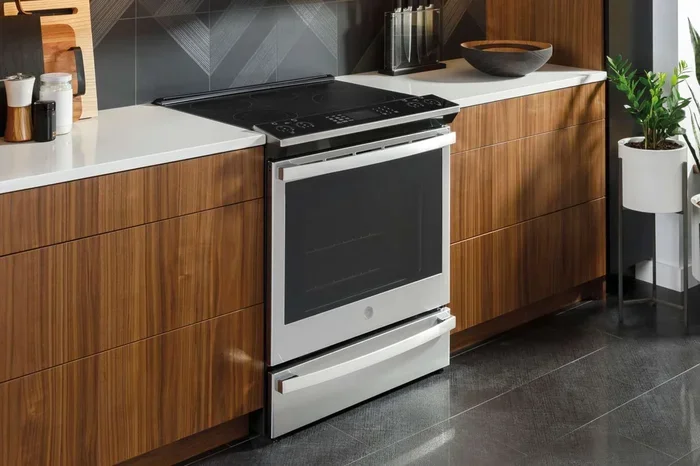
Have you ever wondered, does using the oven use a lot of electricity? It is a question many homeowners ask, especially when the monthly electricity bill arrives. The truth is, your oven is one of the biggest energy users in your entire kitchen. Whether you love baking cookies, roasting a Sunday chicken, or making a lasagna, your oven works hard behind the scenes.
Understanding how much power your oven consumes can help you make smarter choices in the kitchen. You do not need to stop cooking your favorite meals. You just need to know how oven electricity cost works and what you can do to reduce it. This guide breaks everything down in simple terms, so you can cook with confidence and keep your energy bills under control.
We will look at oven wattage, compare different oven types, and share practical tips that actually work. By the end, you will know exactly what it costs to use your oven and how to save money every time you turn it on.
Key Takeaways
- Oven electricity usage varies: A regular electric oven draws 2,000 to 5,000 watts per hour, depending on the model and settings.
- Oven electricity cost adds up: Running an oven for one hour can cost between $0.30 and $0.75, depending on your local energy rates.
- Toaster ovens are far more efficient: They use 50% to 75% less electricity than a full-size oven for small meals.
- Preheating isn’t always necessary: Skipping preheating for long cooks saves energy and time.
- Convection ovens use less power: The fan circulates heat, reducing cooking time and overall electricity use.
- Small changes make a big difference: Simple habits like using glass pans and avoiding opening the door can cut oven energy use significantly.
- Gas vs electric oven matters: Gas ovens generally cost less to operate per hour than electric models.
📑 Table of Contents
- How Much Electricity Does an Oven Actually Use?
- How Much Does It Cost to Use an Oven?
- Regular Oven vs Toaster Oven: Which Uses Less Electricity?
- Tips to Reduce Oven Electricity Usage
- Common Mistakes That Waste Oven Electricity
- Gas vs Electric Oven: Which Is Cheaper to Run?
- Is It Worth It? Final Verdict
How Much Electricity Does an Oven Actually Use?
The short answer is yes, ovens use a significant amount of electricity. But the exact amount depends on several factors. Let us break it down so it is easy to understand.
Understanding Oven Wattage
Every oven has a wattage rating that tells you how much power it draws. Here is a quick look at common oven types and their typical electric oven power consumption:
- Standard electric oven: 2,000 to 5,000 watts per hour
- Toaster oven: 1,000 to 1,800 watts per hour
- Convection oven: 2,000 to 4,500 watts per hour
- Microwave oven: 600 to 1,200 watts per hour
As you can see, a full-size electric oven uses a lot of power. A toaster oven uses much less. This difference matters a lot when you are cooking a small meal or reheating leftovers.
The oven wattage listed on your appliance label is the maximum power it draws. In real life, your oven cycles on and off to maintain the set oven temperature settings. This means the actual power use is often lower than the maximum rating.
What Affects Oven Electricity Usage?
Several factors determine how much electricity your oven uses during a cooking session:
- Oven type and size: Larger ovens need more energy to heat up. A compact oven uses less power than a full-size range.
- Cooking temperature: Higher temperatures require more electricity. Baking at 400°F uses more power than cooking at 300°F.
- Cooking duration: Longer cooking times mean more energy use. A one-hour roast costs more than a 20-minute bake.
- Oven age and condition: Older ovens may have less efficient heating elements. They might also lose heat through worn seals.
- How full the oven is: A full oven retains heat better than an empty one. Cooking multiple dishes at once is more efficient.
- Altitude and room temperature: Colder kitchens make the oven work harder to reach the target temperature.
How Much Does It Cost to Use an Oven?
Now let us talk numbers. Understanding your oven electricity cost helps you see the real impact on your wallet.
Calculating Your Oven Electricity Cost
To calculate the cost, you need two things: your oven’s wattage and your local electricity rate. Most electricity bills show the rate per kilowatt-hour (kWh). In the United States, the average rate is about $0.15 per kWh.
Here is a simple formula:
- Find your oven wattage (check the label or manual)
- Divide the wattage by 1,000 to get kilowatts
- Multiply by your cooking time in hours
- Multiply by your electricity rate per kWh
For example, a 3,000-watt oven running for one hour at $0.15 per kWh costs about $0.45 per hour. If you bake for two hours, that is roughly $0.90 for that one cooking session.
Monthly and Annual Costs
If you use your oven every day for one hour, here is what you might pay over time:
- Daily use (1 hour): About $13.50 per month
- Weekly use (3 hours total): About $5.40 per month
- Occasional use (1 hour per week): About $1.80 per month
These numbers can vary widely based on your local rates and oven efficiency. But they give you a clear picture of how cooking costs add up over time.
Quick Tips for Estimating Costs
- Check your oven nameplate for the exact wattage number
- Use a plug-in energy monitor to measure real-time usage
- Track your cooking times for a week to get an average
- Compare your oven cost to other appliances like the dishwasher or dryer
Regular Oven vs Toaster Oven: Which Uses Less Electricity?
This is one of the most common questions people ask. The answer might surprise you. A toaster oven vs regular oven comparison shows some clear differences in energy efficiency.
Energy Comparison Table
| Feature | Regular Electric Oven | Toaster Oven |
|---|---|---|
| Average Wattage | 2,000 – 5,000W | 1,000 – 1,800W |
| Preheat Time | 10 – 15 minutes | 3 – 5 minutes |
| Cost per Hour (avg) | $0.30 – $0.75 | $0.10 – $0.25 |
| Best For | Large meals, roasting, baking | Small meals, reheating, toast |
| Energy Savings | Baseline | 50% – 75% less energy |
| Cooking Capacity | Large (whole pizzas, turkeys) | Small to medium (1-4 servings) |
When to Use Each Oven Type
Use a toaster oven when you are cooking for one or two people. Reheating a slice of pizza or making a small batch of cookies takes far less energy in a toaster oven. Use a regular oven when you are cooking a large roast, a full sheet of cookies, or a big casserole.
One of the best energy saving tips is to match your oven size to the meal size. Using a huge oven for a small meal wastes a lot of electricity. This is where many home cooks unknowingly inflate their monthly electricity cost.
Convection oven electricity use is another important consideration. Convection ovens have a fan that circulates hot air. This means food cooks faster and at lower temperatures. A convection oven can save you about 20% to 25% on cooking time compared to a standard oven.
Tips to Reduce Oven Electricity Usage
The good news is that you do not have to give up oven cooking to save energy. There are many practical steps you can take right now to lower your electricity bill.
Energy-Saving Cooking Habits
Small changes in how you cook can lead to big savings. Here are habits that actually make a difference:
- Skip preheating for long cooks: If you are roasting vegetables for an hour, preheating is not necessary. The oven will reach temperature during cooking.
- Use glass or ceramic pans: These retain heat better than metal pans. You can lower the oven temperature by about 25°F and still get great results.
- Avoid opening the oven door: Every time you open the door, the temperature drops by up to 25°F. The oven then uses extra electricity to recover.
- Cook multiple dishes at once: Using the full oven space is more efficient than running it multiple times for separate items.
- Use the right rack position: Placing food in the center of the oven allows for even heat distribution and shorter cooking times.
- Turn off the oven early: For baking, turning off the oven 5 to 10 minutes early lets the residual heat finish the job.
Quick Tips for Lower Bills
- Clean your oven regularly. Built-up grease reduces heating efficiency.
- Check the oven door seal. A worn gasket lets heat escape and wastes electricity.
- Use the self-cleaning cycle right after cooking when the oven is already hot.
- Consider energy efficient cooking methods like slow cookers or air fryers for smaller meals.
- Cook during off-peak hours if your utility company offers time-of-use rates.
- Keep your oven interior clean. Reflective surfaces bounce heat back toward the food.
Common Mistakes That Waste Oven Electricity
Many of us make small mistakes every time we use the oven. These habits quietly increase your electricity bill without you even noticing.
Preheating Myths
One of the biggest myths is that you must always preheat the oven. For many dishes, this is simply not true. Casseroles, roasted vegetables, and long-cook meats do not need a preheated oven. Preheating only matters for baked goods like bread and pastries that rely on an immediate burst of heat.
Skipping preheating can save you 5 to 10 minutes of electricity use per cook. Over time, these minutes add up to real savings on your electricity bill.
Overloading and Other Errors
Overcrowding the oven blocks airflow and forces the heating elements to work longer. This increases both cooking time and electricity cost. Give your food some space so heat can circulate properly.
Another common mistake is using the wrong cookware. Dark, non-stick pans absorb more heat and can cause food to cook faster on the bottom. Light-colored metal pans or glass dishes distribute heat more evenly.
Some people also run the oven with the door slightly open to “vent” it. This is a huge waste of energy. The oven constantly loses heat and uses extra electricity to maintain the set temperature.
Ignoring Oven Maintenance
A well-maintained oven runs more efficiently. Here are simple maintenance steps that help:
- Replace worn door seals to prevent heat loss
- Calibrate your oven thermometer to ensure accurate temperatures
- Clean heating elements to maintain proper heat output
- Check for loose or damaged wiring that could cause energy waste
Expert Insight
According to energy experts at the Department of Energy, kitchen appliances account for about 13% of a household’s total electricity use. The oven alone can represent a significant portion of that figure. Making smart choices about when and how to use your oven can reduce your overall kitchen energy consumption by 20% or more.
Gas vs Electric Oven: Which Is Cheaper to Run?
When we talk about does using the oven use a lot of electricity, it is important to mention gas ovens. Gas ovens use natural gas or propane instead of electricity. They typically cost less per hour to operate than electric ovens.
However, gas ovens still use electricity for the igniter, lights, and control board. The difference is that their main fuel source is gas, not electricity. If you are trying to lower your electricity bill, a gas oven can help with that goal.
On the other hand, electric ovens offer more even heat distribution and are often easier to clean. Many modern electric ovens also come with convection features that improve energy efficiency.
The choice between gas and electric depends on your cooking style, local utility costs, and personal preferences. If you already have a gas line in your home, a gas oven may save you money in the long run. If not, a modern electric oven with good energy efficiency ratings can also be a smart choice.
Is It Worth It? Final Verdict
So, does using the oven use a lot of electricity? Yes, it does. A standard electric oven is one of the most power-hungry appliances in your home. But that does not mean you should stop using it.
The real question is whether the oven electricity cost is worth the meals you create. For most families, the answer is yes. Home-cooked meals are healthier, more affordable than eating out, and bring people together. The key is to use your oven wisely and efficiently.
By following the tips in this guide, you can enjoy all the benefits of oven cooking while keeping your electricity bill in check. Use a toaster oven for small meals, skip unnecessary preheating, and maintain your oven regularly. These simple steps make a real difference.
Who Benefits Most from Oven Cooking?
Oven cooking works best for people who:
- Cook meals for the whole family regularly
- Enjoy baking bread, pastries, or desserts
- Prepare large meals like roasts or casseroles
- Batch cook and freeze meals for the week ahead
- Live in areas with moderate electricity rates
If you fall into these categories, your oven is a valuable tool. Just be mindful of how you use it, and you will get great results without breaking the bank.
For those who cook small meals mostly, consider investing in a good toaster oven or air fryer. These energy efficient cooking alternatives use far less power and can handle most of your daily meals. Save the full-size oven for special occasions and large gatherings.
In the end, the answer to does using the oven use a lot of electricity is not a simple yes or no. It depends on how you use it, what you cook, and the type of oven you own. With the knowledge you now have, you can make informed decisions that save energy, money, and still let you enjoy delicious home-cooked food.
Start small. Try one or two of the tips above this week. Track your results. You might be surprised at how much you can save simply by changing a few cooking habits. Your wallet and your taste buds will both thank you.
Frequently Asked Questions
How much electricity does a standard oven use per hour?
A standard electric oven uses between 2,000 and 5,000 watts per hour. At an average electricity rate of $0.15 per kWh, this translates to about $0.30 to $0.75 per hour of use. The exact cost depends on your oven’s wattage, the temperature setting, and how long you cook.
Does a toaster oven use less electricity than a regular oven?
Yes, a toaster oven uses significantly less electricity. It typically draws 1,000 to 1,800 watts compared to 2,000 to 5,000 watts for a full-size oven. This means a toaster oven uses about 50% to 75% less energy, making it a great choice for small meals and quick reheating tasks.
Is it cheaper to use the oven or the stove for cooking?
Using the stove top is generally cheaper than using the oven. Stove burners use less electricity per hour than an oven. However, the oven is better for certain dishes like roasts and baked goods. Using both efficiently and choosing the right appliance for each task helps minimize your cooking costs.
Does preheating the oven waste electricity?
Preheating does use extra electricity, but it is necessary for some recipes like bread and pastries. For most other dishes like casseroles and roasts, skipping preheating saves energy without affecting the result. A good rule of thumb is to preheat only when the recipe specifically requires it.
How can I lower my oven electricity cost?
You can lower your cost by using a toaster oven for small meals, skipping preheating when possible, cooking multiple dishes at once, using glass pans, and avoiding opening the oven door. Regular maintenance like cleaning seals and heating elements also improves efficiency.
What is the average monthly cost of using an oven?
If you use your oven for one hour daily, the average monthly cost is around $13.50. Occasional use of a few hours per week can bring that down to $2 to $6 per month. Your actual cost depends on your local electricity rate, oven efficiency, and cooking habits.
=== CONCLUSION ===
Does using the oven use a lot of electricity? Yes, ovens are among the highest energy users in any kitchen. A standard electric oven draws thousands of watts per hour, and the oven electricity cost can add up quickly if you cook frequently. However, this does not mean you need to stop enjoying your favorite baked and roasted dishes.
The key is to use your oven smarter, not less. Choose the right oven type for each meal, adopt energy saving tips like skipping unnecessary preheating, and keep your appliance well-maintained. A toaster oven can handle many of your daily cooking needs at a fraction of the cost. And simple habits like using glass pans and keeping the door closed make a surprising difference.
Understanding your electric oven power consumption gives you the power to control your electricity bill. Every small change adds up over weeks and months. You can enjoy delicious home-cooked meals while keeping your energy use in check.
Start today. Pick one tip from this guide and put it into action. You will be amazed at how much you can save without sacrificing the meals you love. Cooking smart is cooking efficient, and your oven can be both.