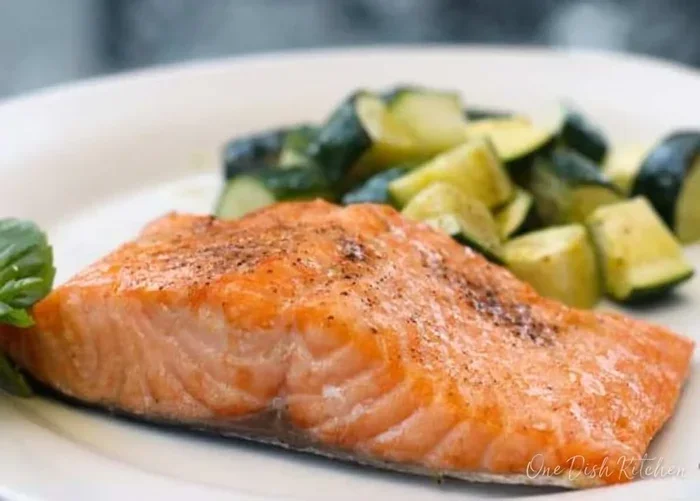
How Long To Broil Salmon In A Toaster Oven Perfectly
Learning how long to broil salmon in a toaster oven is the key to restaurant-quality fish at home. Most fillets need just 6 to 10 minutes under high broil, depending on thickness. This guide covers exact timing, temperatures, and pro tips to help you cook perfect broiled salmon every single time. Whether you prefer crispy skin or tender flesh, you will find everything you need right here.
There is something magical about how long to broil salmon in a toaster oven. It is fast, simple, and delivers incredible results that rival any fancy restaurant. You do not need a full-size oven or fancy equipment. A toaster oven does the job beautifully, and the salmon comes out with a gorgeous crispy top and a moist, tender inside.
If you have been wondering about the right broiling time for salmon in a compact oven, you are in the right place. This guide walks you through everything step by step. From timing and temperature to seasoning ideas and common mistakes, you will find all the details you need. By the end, you will feel confident enough to make perfect broiled salmon every single time.
Toaster ovens are a kitchen staple for many homes. They heat up fast, use less energy, and cook food evenly. Broiling salmon in a toaster oven is one of the easiest ways to prepare a healthy, delicious meal in under 15 minutes. Let us dive into the details and make your next salmon dinner a success.
Key Takeaways
- Quick Cooking Time: Most salmon fillets broil in 6 to 10 minutes in a toaster oven, making it a fast weeknight dinner option.
- Temperature Matters: Use the high broil setting on your toaster oven for the best caramelized crust and juicy interior.
- Thickness Is Key: Thicker fillets need more time, while thin pieces cook quickly and can dry out fast.
- Resting Is Essential: Let your broiled salmon rest for a few minutes after cooking to lock in moisture and flavor.
- Easy Cleanup: Using foil or parchment paper makes cleanup a breeze after broiling salmon in a toaster oven.
- Internal Temp Check: The salmon is done when it reaches 145°F internally and flakes easily with a fork.
📑 Table of Contents
- Why Broiling Salmon In A Toaster Oven Works So Well
- How Long To Broil Salmon In A Toaster Oven
- The Best Temperature Settings For Broiling Salmon
- Step-By-Step Guide To Broiling Salmon In A Toaster Oven
- Tips For Perfectly Crispy And Juicy Broiled Salmon
- Common Mistakes To Avoid When Broiling Salmon
- Frequently Asked Questions
- Conclusion
Why Broiling Salmon In A Toaster Oven Works So Well
The Benefits Of Using A Toaster Oven
A toaster oven is a fantastic tool for cooking salmon. It heats up much faster than a regular oven. This means less waiting time and more eating time. The smaller interior also concentrates heat, which helps create a beautifully caramelized top on your fish.
Here are some reasons why a toaster oven shines when you are broiling salmon fillets:
- Faster preheating: A toaster oven reaches broil temperature in just a few minutes.
- Energy efficiency: You use less electricity compared to firing up a large oven.
- Even heat distribution: Most modern toaster ovens circulate heat well, ensuring consistent cooking.
- Easy cleanup: The smaller cooking area means fewer dishes and less mess.
- Space-saving: It is perfect for small kitchens, dorm rooms, or offices.
What Makes Broiling Different From Baking
Understanding the difference between broiling and baking helps you get better results. Baking uses indirect heat that surrounds the food. It works great for longer cook times and even cooking throughout.
Broiling, on the other hand, uses direct high heat from above. This intense heat sears the top of the salmon quickly. It creates a crispy, slightly charred exterior while keeping the inside moist. When you broil salmon in a toaster oven, you are using this direct heat method to get restaurant-quality results fast.
The key difference is the heat source. In a toaster oven, the broiler element sits at the top. It radiates intense heat directly onto the fish. This is why timing matters so much. A few extra seconds can mean the difference between perfectly broiled salmon and an overcooked piece.
How Long To Broil Salmon In A Toaster Oven
Broiling Time For Different Salmon Thicknesses
The most common question is: how long to broil salmon in a toaster oven? The answer depends mainly on thickness. Here is a simple breakdown to guide you:
- Thin fillets (1/2 inch): 4 to 6 minutes. These cook very quickly. Watch them closely to avoid drying out.
- Standard fillets (3/4 inch): 6 to 8 minutes. This is the sweet spot for most center-cut salmon pieces.
- Thick fillets (1 inch or more): 8 to 12 minutes. Thicker cuts need a bit more time but still cook fast.
- Skin-on vs. skinless: Skin-on fillets may need an extra minute or two. The skin acts as a protective layer.
These times assume you are using the high broil setting on your toaster oven. Every oven is slightly different, so start checking a minute or two before the minimum time. Use a meat thermometer for the most accurate results.
The Role Of Salmon Thickness In Cooking Time
Thickness is the single biggest factor that determines broiling time for salmon. A thin piece of fish heats through very quickly. A thick piece needs more time for the center to reach the safe internal temperature of 145°F.
When you buy salmon, look for center-cut fillets with even thickness. Uneven pieces cook inconsistently. The thin parts overcook while the thick parts stay raw. If your fillet has varying thickness, you can fold the thin end under itself to create a more uniform profile.
Another tip is to bring your salmon to room temperature before cooking. Take it out of the fridge about 15 minutes before you start. This helps the fish cook more evenly throughout. It also reduces the overall cooking time for salmon in your toaster oven.
The Best Temperature Settings For Broiling Salmon
High Broil Vs. Low Broil Settings
Most toaster ovens offer two broil settings: high and low. High broil is the go-to choice for salmon. It delivers intense heat that quickly sears the surface and creates that beautiful golden-brown crust.
Low broil works better for thicker fillets that need more gentle cooking. However, for most home cooks, high broil is the way to go. It gives you more control because the cooking time is shorter.
Here is a quick comparison of the two settings:
- High broil (500°F+): Best for standard fillets. Creates a crispy exterior in 6 to 10 minutes.
- Low broil (400°F range): Better for very thick cuts or delicate fish. Takes 10 to 15 minutes.
Understanding Your Toaster Oven’s Heat Zones
Not all toaster ovens heat evenly. The area closest to the top broiler element gets the most intense heat. The back of the oven often runs hotter than the front. This is important to know when you are broiling salmon in a toaster oven.
To get the best results, position your salmon in the center of the rack. If your oven has hot spots, you can rotate the pan halfway through cooking. This ensures both sides of the fillet receive even exposure to the heat.
Also, keep an eye on the distance between the salmon and the broiler element. Most toaster ovens work best when the fish is about 4 to 6 inches from the top element. Too close, and it burns. Too far, and you lose that beautiful seared finish.
Step-By-Step Guide To Broiling Salmon In A Toaster Oven
Preparing Your Salmon Fillet
Start with a fresh or properly thawed salmon fillet. Pat it dry with paper towels. Moisture on the surface creates steam, which prevents caramelization. A dry surface means a crispier finish.
Next, season your fish. Simple seasonings work best for broiled salmon. Try a combination of:
- Olive oil or melted butter
- Salt and freshly ground black pepper
- Garlic powder or fresh minced garlic
- A squeeze of lemon juice
- Fresh dill or parsley
Brush the seasoning mixture lightly over the top and sides of the fillet. You do not need a lot. The goal is to enhance the natural flavor of the salmon, not mask it.
Setting Up The Toaster Oven
Place the oven rack in the upper position. This puts the salmon closer to the broiler element. Preheat the toaster oven on the broil setting for about 3 to 5 minutes.
Line your broiling pan or baking sheet with foil or parchment paper. This makes cleanup incredibly easy. Place the seasoned salmon skin-side down if you prefer crispy skin. If you do not want crispy skin, place it skin-side up.
Slide the pan into the toaster oven and set your timer. Remember the timing guidelines we covered earlier. Most fillets will be done in under 10 minutes.
Monitoring The Cooking Process
Do not walk away from the oven when you are broiling salmon. The high heat works fast, and things can go from perfect to overcooked in seconds. Stay nearby and watch for visual cues.
Look for these signs that your salmon is progressing well:
- The surface turns opaque and develops a golden-brown color
- You see slight caramelization or charring on the edges
- The fish begins to pull away slightly from the skin (if skin-on)
- A light sheen of oil appears on the surface
Use an instant-read thermometer to check the internal temperature. Insert it into the thickest part of the fillet. When it reads 145°F, your salmon is done. Remove it immediately and let it rest on the pan for a couple of minutes.
Tips For Perfectly Crispy And Juicy Broiled Salmon
Seasoning Ideas For Broiled Salmon
Seasoning is where you can get creative. Broiled salmon pairs well with a wide range of flavors. Here are some easy combinations to try:
- Classic lemon herb: Olive oil, lemon zest, dill, salt, and pepper.
- Asian-inspired: Soy sauce, sesame oil, ginger, and a touch of honey.
- Mediterranean: Olive oil, garlic, oregano, and a sprinkle of parmesan.
- Smoky and spicy: Smoked paprika, cumin, cayenne pepper, and brown sugar.
Apply your seasoning just before cooking. This keeps the flavors fresh and vibrant. If you marinate the salmon too long, the acid in ingredients like lemon juice can start to break down the fish proteins and change the texture.
Using Foil And Parchment For Easy Cleanup
Cleanup is one of the easiest parts of cooking salmon in a toaster oven. Line your pan with aluminum foil or parchment paper before placing the salmon on it. The foil reflects heat back onto the fish, which can help it cook slightly faster.
Parchment paper is a safer option because it does not touch the heating element directly. It also prevents the salmon from sticking. Either option makes washing up a breeze. Simply toss the used foil or paper and wipe down the pan.
How To Tell When Salmon Is Done
Knowing when your salmon is perfectly cooked is a skill that comes with practice. There are three reliable methods to check doneness:
- Visual check: The salmon should be opaque pink throughout. The center should still be slightly translucent for a moist, medium-result. Fully cooked salmon is opaque all the way through.
- Flake test: Gently press the top of the fillet with a fork. Properly cooked salmon flakes easily into separate pieces. If it feels mushy or resists flaking, it needs more time.
- Thermometer check: This is the most accurate method. Insert the thermometer into the thickest part. 145°F is the USDA-recommended safe internal temperature for fish.
Remember that the salmon will continue to cook slightly after you remove it from the oven. This is called carryover cooking. Pulling it off a few degrees early ensures a perfectly moist result.
Common Mistakes To Avoid When Broiling Salmon
Overcooking The Salmon
The number one mistake people make is overcooking. Toaster ovens can be more intense than you expect. Because the heating element is so close to the food, salmon can go from perfect to dry in just a minute or two.
Set a timer and stay close to the oven. Check the salmon at the earliest suggested time. It is always better to undercook slightly and add a minute than to overcook and ruin a good piece of fish. Dry, overcooked salmon loses its flavor and appealing texture.
Skipping The Preheat Step
Some people skip preheating the toaster oven when they are in a hurry. This is a mistake. Preheating ensures the broiler element reaches its maximum temperature before the salmon goes in. A properly preheated oven sears the surface immediately, locking in moisture and creating that desirable crispy crust.
Give your toaster oven at least 3 to 5 minutes on the broil setting. This small investment of time makes a noticeable difference in the final result. Your broiled salmon will thank you for it.
Using The Wrong Pan Or Rack Position
Not all pans are suitable for broiling. Avoid plastic-handled pans or any cookware that cannot withstand high heat. Use a metal broiling pan, baking sheet, or cast iron skillet. These materials handle the intense heat without warping or releasing harmful fumes.
Rack position matters too. Placing the salmon too far from the broiler element results in slow, uneven cooking. Too close, and the top burns before the center cooks through. Find that sweet spot in the upper third of your toaster oven for the best broiling results for salmon.
Frequently Asked Questions
Can I Broil Frozen Salmon In A Toaster Oven?
Yes, you can, but the results are not as good as with thawed salmon. Frozen fish cooks unevenly because the outside dries out before the center thaws. If you must cook from frozen, increase the cooking time by about 50 percent and use a lower broil setting. For the best flavor and texture, thaw your salmon in the refrigerator overnight before cooking.
Do I Need To Flip The Salmon When Broiling?
Generally, no. Broiling cooks from the top down, so you only need to cook one side. The top gets the crispy, caramelized finish while the bottom stays moist and tender. However, if your fillet is very thick, you can flip it halfway through to ensure the center cooks evenly. Just be careful not to break the fish when turning it.
What Is The Best Temperature To Broil Salmon In A Toaster Oven?
Most toaster ovens have a high broil setting that reaches 500°F or higher. This is the ideal temperature for salmon. The intense heat sears the surface quickly while keeping the inside juicy. If your oven has a low broil option around 400°F, use it for thicker fillets that need more gentle, extended cooking time.
How Do I Keep Salmon From Sticking To The Pan?
The easiest way to prevent sticking is to line your pan with parchment paper or lightly grease it with olive oil. You can also place the salmon skin-side down if the skin is on. The natural oils in the fish and the protective layer of skin help prevent sticking. Let the fish cook undisturbed for the first few minutes, and it will release naturally when ready.
Can I Use A Toaster Oven For Other Types Of Fish Besides Salmon?
Absolutely. Toaster ovens work wonderfully for many types of fish fillets. Thin fish like tilapia and cod cook in 4 to 6 minutes under the broiler. Thicker fish like swordfish and tuna steaks need 8 to 12 minutes. The same principles apply: pat the fish dry, season simply, and watch it closely. Broiling fish in a toaster oven is a quick and healthy cooking method for any variety you enjoy.
How Long Can I Store Leftover Broiled Salmon?
Cooked salmon keeps well in the refrigerator for up to 3 days. Store it in an airtight container to maintain moisture and prevent it from absorbing other food odors. Reheat gently in the toaster oven at a low temperature to avoid drying it out. Microwaving can make leftover salmon rubbery, so the oven is always the better choice for reheating.
Conclusion
Mastering how long to broil salmon in a toaster oven opens up a world of quick, healthy, and delicious meal options. The process is simple, fast, and incredibly rewarding. With just a few minutes of active cooking time, you can enjoy restaurant-quality salmon in the comfort of your own home.
Remember the key factors: thickness determines time, high broil creates the best crust, and monitoring closely prevents overcooking. Season simply, use foil for easy cleanup, and always check the internal temperature. These small steps make a huge difference in your final result.
Now that you have all the tips and timing guidelines, it is time to put them into practice. Grab a salmon fillet, preheat your toaster oven, and give it a try. Once you taste perfectly broiled salmon made at home, you will never go back to takeout. Enjoy the process, experiment with flavors, and savor every bite of your delicious creation.