How Long Do You Cook Flanken Ribs In The Oven Today
Cooking flanken ribs in the oven takes about 3 to 4 hours at 300°F to 325°F for tender, flavorful results. The key is low and slow heat that breaks down the connective tissue without drying out the meat. Whether you prefer bone-in or boneless, a simple seasoning rub and proper wrapping technique make all the difference. This guide covers everything from prep to resting time so you can serve perfect ribs every single time.
Key Takeaways
- Cook Time: Plan for 3 to 4 hours at 300°F to 325°F for the best results.
- Temperature Matters: Low and slow oven heat keeps the meat juicy and tender.
- Use a Meat Thermometer: The internal temperature should reach 195°F to 205°F for fall-off-the-bone tenderness.
- Wrap in Foil: Wrapping ribs in foil halfway through locks in moisture and speeds up cooking.
- Rest Before Serving: Let the ribs rest for 15 to 20 minutes after cooking for juicier slices.
- Season Generously: A good dry rub applied hours ahead deepens the flavor significantly.
📑 Table of Contents
- How Long Do You Cook Flanken Ribs In The Oven
- How to Prepare Flanken Ribs for the Oven
- Oven Temperature and Cooking Time for Flanken Ribs
- Step-by-Step Instructions for Cooking Flanken Ribs in the Oven
- Tips for Perfect Oven-Baked Flanken Ribs
- Common Mistakes to Avoid When Cooking Flanken Ribs
- How to Know When Flanken Ribs Are Done
- Serving Suggestions for Oven-Baked Flanken Ribs
- Storing and Reheating Leftover Ribs
- Frequently Asked Questions
- Conclusion
How Long Do You Cook Flanken Ribs In The Oven
If you have ever stood in front of an oven wondering how long to cook flanken ribs, you are not alone. This question comes up all the time in kitchens across the country. The answer depends on a few simple factors like oven temperature, rib thickness, and whether you prefer bone-in or boneless cuts.
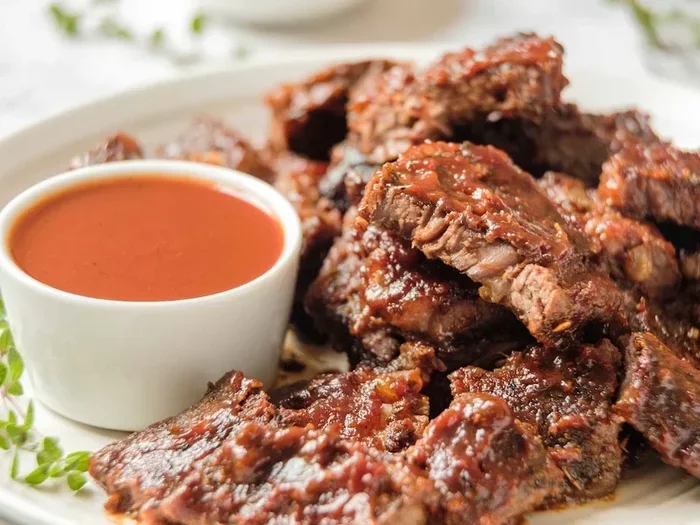
Flanken ribs are a special cut of beef that comes from the short rib area. They are thin, meaty, and packed with flavor. When cooked properly in the oven, they turn out incredibly tender with a beautiful caramelized crust on the outside.
Most cooks find that a low oven temperature of around 300°F to 325°F works best. At this heat, the ribs slowly braise in their own juices. The result is meat that practically melts off the bone. Total cooking time usually falls between 3 and 4 hours. But always trust a meat thermometer over the clock. The internal temperature should hit 195°F to 205°F for the most tender bite.
This guide walks you through every step of the process. You will learn how to prep the ribs, choose the right oven temp, and avoid common mistakes. By the end, you will feel confident making oven-baked ribs that impress everyone at the table.
What Makes Flanken Ribs Different
Flanken ribs are not your typical rack of ribs. They are cut crosswise through the rib bones, creating thin strips of meat with small bones running through them. This cut is popular in many cuisines around the world, especially in Korean and Eastern European cooking.
Because flanken ribs are thinner than traditional ribs, they cook faster. But they also dry out more easily if you are not careful. That is why low and slow oven heat is so important. It gently breaks down the collagen in the meat without turning it into a dry, tough disappointment.
You can find flanken ribs at most butcher shops and well-stocked grocery stores. They are sometimes labeled as “cross-cut ribs” or “short rib slices.” When buying them, look for ribs with a good layer of marbling. The fat keeps the meat moist during long cooking times and adds rich flavor to every bite.
How to Prepare Flanken Ribs for the Oven
Good prep work sets you up for success. Taking a little extra time before the ribs go in the oven makes a huge difference in the final flavor and texture.
Trimming and Seasoning
Start by patting the ribs dry with paper towels. This helps the seasoning stick better and creates a better crust during cooking. Next, trim off any large chunks of fat that sit on top. You want to keep some fat for flavor, but too much can make the ribs greasy.
Now it is time for the seasoning rub. A simple blend of salt, black pepper, garlic powder, onion powder, and paprika works wonders. Mix these together in a small bowl and rub the mixture generously over all sides of the ribs.
For extra depth of flavor, let the seasoned ribs rest in the fridge for a few hours or even overnight. This gives the dry rub time to penetrate the meat. When you are ready to cook, take the ribs out about 30 minutes before they go in the oven. Letting them come to room temperature helps them cook more evenly.
Choosing the Right Pan and Liquid
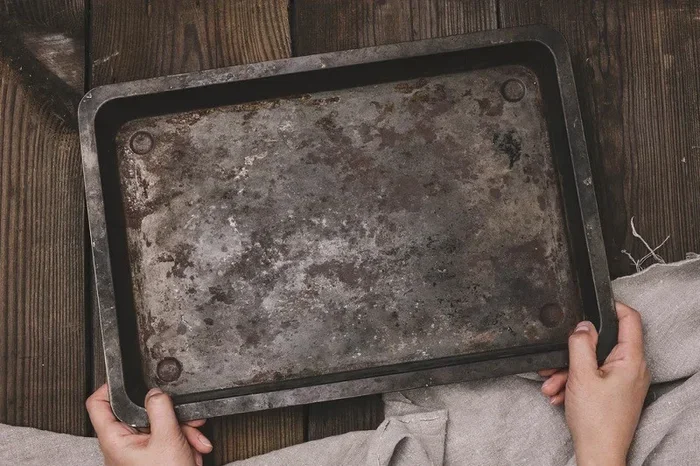
Use a heavy-duty baking dish or a deep roasting pan for the best results. A Dutch oven also works great because it holds heat very well. Place the ribs in the pan with the meat side facing up.
Adding a small amount of liquid to the bottom of the pan creates steam. This steam keeps the ribs moist during the long cooking process. You can use beef broth, apple juice, beer, or even water. Just pour about one cup into the bottom of the pan. Do not let the liquid touch the ribs directly, or they will boil instead of roast.
Oven Temperature and Cooking Time for Flanken Ribs
The oven temperature is the single most important factor in how long your ribs will take to cook. Getting this right is the difference between tough, chewy ribs and tender, juicy perfection.
Recommended Oven Temperatures
Most experts agree that 300°F to 325°F is the sweet spot for oven-baked flanken ribs. Here is a quick breakdown of what to expect at different temperatures:
- 300°F: Slower cook, about 3.5 to 4 hours. This gives the most tender results and lets the flavors develop deeply.
- 325°F: A bit faster, around 3 to 3.5 hours. Good option if you are short on time.
- 350°F: Fastest method, about 2.5 to 3 hours. Riskier because the meat can dry out more easily.
Stick with 300°F or 325°F if you want the best results. The low heat gently renders the fat and breaks down the connective tissue. This is the same principle behind braised ribs and slow-cooked barbecue.
Bone-In vs Boneless Cooking Times
Bone-in flanken ribs take slightly longer to cook than boneless cuts. The bone slows down heat transfer to the center of the meat. If you are cooking bone-in ribs, add about 30 minutes to the total time.
Boneless flanken ribs cook faster and more evenly. They are also easier to slice and serve. Both options taste great, so choose based on your preference and the time you have available.
Step-by-Step Instructions for Cooking Flanken Ribs in the Oven
Follow these steps for perfectly cooked oven ribs every time. The process is simple but requires patience and attention to detail.
Step 1: Preheat the Oven
Set your oven to 325°F and let it fully preheat. A properly heated oven ensures even cooking from the start. Do not rush this step by putting the ribs in too early.
Step 2: Prep the Ribs
Remove the ribs from the refrigerator and let them sit at room temperature for about 30 minutes. Pat them dry again if needed and apply a light coat of olive oil before adding the seasoning rub. This helps the rub form a nice crust on the meat.
Step 3: Wrap in Foil
Place the seasoned ribs meat-side up in your baking dish. Add the liquid to the bottom of the pan. Then wrap the entire dish tightly with aluminum foil. The foil traps moisture and creates a mini oven inside the oven. This steaming effect keeps the ribs incredibly juicy.
Step 4: Cook for 2 Hours
Place the wrapped ribs in the oven and cook for about 2 hours. Do not open the foil during this time. Letting the steam circulate is essential for tender meat.
Step 5: Unwrap and Continue Cooking
After 2 hours, carefully remove the foil. Be careful of the hot steam. At this point, the ribs should be very tender and falling apart. Now increase the oven temperature to 400°F or turn on the broiler.
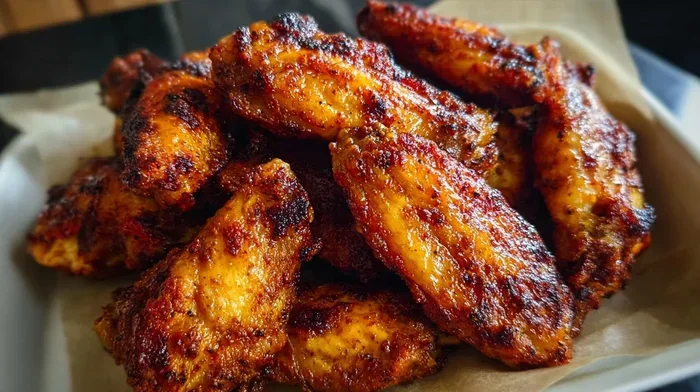
Return the unwrapped ribs to the oven for another 30 to 60 minutes. This step creates a beautiful caramelized crust on the outside. It also drives off excess moisture so the surface gets slightly crispy and sticky.
Step 6: Check the Internal Temperature
Use a meat thermometer to check the internal temperature of the thickest part of the meat. You are aiming for 195°F to 205°F. At this temperature, the collagen in the meat has fully broken down, and the ribs will be incredibly tender.
Step 7: Rest and Serve
Remove the ribs from the oven and let them rest for 15 to 20 minutes before cutting. This resting period allows the juices to redistribute throughout the meat. If you cut too early, the juices will run out and the ribs will be drier.
Tips for Perfect Oven-Baked Flanken Ribs
Even experienced cooks can run into trouble with ribs in the oven. These practical tips help you avoid problems and achieve the best possible outcome.
Use a Meat Thermometer
A meat thermometer is the single best tool for cooking ribs. Time alone is not enough because every oven runs slightly differently. Insert the thermometer into the thickest part of the meat, avoiding the bone. When the temperature reads between 195°F and 205°F, your ribs are ready.
Do Not Skip the Resting Time
Resting the ribs after cooking is just as important as the cooking itself. During the rest, the internal temperature continues to rise slightly, and the meat fibers relax. This means juicier, more flavorful ribs on your plate.
Add Liquid Smoke for a Smoky Flavor
Since oven ribs do not have that classic smoky flavor from a grill, you can add a few drops of liquid smoke to your seasoning rub. This gives the ribs a subtle barbecue taste that complements the beef beautifully. Just a little goes a long way.
Save the Pan Drippings
The liquid at the bottom of the pan after cooking is full of flavor. Strain it and use it as a base for gravy or drizzle it over the sliced ribs before serving. It adds richness and depth that takes the dish to the next level.
Slice Against the Grain
When it is time to serve, always cut against the grain of the meat. This shortens the muscle fibers and makes each bite much easier to chew. If you cut with the grain, the ribs will feel tough even when fully cooked.
Common Mistakes to Avoid When Cooking Flanken Ribs
Learning what not to do is just as valuable as learning the right way. Here are the most common mistakes people make when cooking flanken ribs in the oven.
Cooking at Too High a Temperature
High heat dries out flanken ribs quickly. Because these cuts are thin, they overcook on the outside long before the inside becomes tender. Always use low and slow heat for the best results.
Not Enough Seasoning
Flanken ribs have a rich beef flavor, but they need help from a good seasoning rub. Be generous with your salt and spices. The rub forms a flavorful bark during cooking that adds texture and taste to every bite.
Opening the Foil Too Often
Every time you open the foil, you release valuable steam. This steam is doing the hard work of keeping the ribs moist. Resist the urge to peek too early. Trust the process and let the ribs cook undisturbed.
Skipping the Final Unwrapped Bake
The uncovered high-heat finish is what gives ribs their signature sticky, caramelized exterior. Skipping this step leaves you with soft, steamed ribs instead of beautifully glazed ones. Do not skip it.
Cutting Into the Ribs Too Soon
It can be tempting to cut into the ribs right when they come out of the oven. But doing so releases all those precious juices onto the cutting board instead of staying in the meat. Wait the full 15 to 20 minutes for the best results.
How to Know When Flanken Ribs Are Done
Knowing the exact moment when ribs are ready takes a little practice. There are three reliable ways to tell.
First, use a meat thermometer. The internal temperature should read 195°F to 205°F. Second, do the bend test. Pick up one end of the rib with tongs. If the meat cracks and bends but does not fall apart, it is done. Third, use a fork. If the fork slides into the meat with almost no resistance, the ribs are ready to serve.
Keep in mind that ribs continue to cook slightly after leaving the oven. This carryover cooking means you should pull them off a few degrees before your target temperature if you prefer a slightly less cooked center.
Serving Suggestions for Oven-Baked Flanken Ribs
Flanken ribs pair wonderfully with a variety of side dishes. Here are some ideas to round out your meal:
- Coleslaw: The cool, crunchy slaw balances the rich, warm ribs perfectly.
- Mashed Potatoes: A classic comfort food that soaks up the pan drippings beautifully.
- Grilled Vegetables: Asparagus, zucchini, or bell peppers add a fresh, smoky element.
- Cornbread: Sweet cornbread complements the savory beef flavors wonderfully.
- Simple Green Salad: A light salad with vinaigrette cleanses the palate between bites.
For a Korean-inspired twist, serve the ribs with steamed rice and pickled vegetables. The tangy flavors contrast nicely with the rich, caramelized beef. You can also drizzle a little extra soy sauce and sesame oil over the sliced ribs before serving.
Storing and Reheating Leftover Ribs
If you have leftovers, store them in an airtight container in the refrigerator within two hours of cooking. Properly stored ribs last up to 4 days in the fridge.
To reheat, wrap the ribs in foil and place them in the oven at 275°F for about 20 to 30 minutes. This gentle reheating method keeps the meat moist without drying it out. Avoid microwaving if possible, as it tends to make the edges tough and rubbery.
You can also freeze cooked ribs for up to 3 months. Wrap them tightly in plastic wrap and foil, then place them in a freezer-safe bag. When ready to eat, thaw overnight in the refrigerator and reheat in the oven using the same method.
Frequently Asked Questions
Can I cook flanken ribs at a higher temperature to save time?
You can cook flanken ribs at a higher temperature, but the results will be different. Higher heat cooks the meat faster but increases the risk of drying out the outer layers before the inside becomes tender. If you must cook at 375°F or above, reduce the total time and check the internal temperature frequently. The best results still come from the low and slow method at 300°F to 325°F.
Do I need to flip the ribs while they cook in the oven?
No, you do not need to flip flanken ribs during cooking. Since they are placed meat-side up and wrapped in foil for the first two hours, the steam circulates evenly around the meat. When you unwrap them for the final bake, the top surface gets the direct heat, which creates the caramelized crust. Flipping is unnecessary and can disrupt the cooking process.
What is the difference between flanken ribs and regular short ribs?
Flanken ribs are cut crosswise through the bones, making them thin and wide. Regular short ribs are cut along the bone, making them thicker and taller. Flanken ribs cook faster because of their thin profile, while regular short ribs need longer cooking times. Both cuts come from the same area of the cow but offer different textures and cooking experiences.
Can I use a slow cooker instead of the oven for flanken ribs?
Yes, you can absolutely use a slow cooker for flanken ribs. Place the seasoned ribs in the slow cooker with about one cup of beef broth. Cook on low for 6 to 8 hours or on high for 3 to 4 hours. The slow cooker method is even more hands-off than the oven method, but it does not produce the same caramelized crust that the oven provides.
Why are my oven ribs tough even after cooking for 4 hours?
Tough ribs usually mean the internal temperature did not reach high enough. Collagen in the meat needs to break down at temperatures above 195°F for the meat to become tender. If your oven runs cool, the ribs may need more time. Always use a meat thermometer to verify the internal temperature rather than relying solely on cooking time.
Can I add barbecue sauce to flanken ribs while they cook?
It is best to add barbecue sauce during the final 15 to 20 minutes of cooking. If you add it too early, the sugar in the sauce will burn and turn bitter. Brush the sauce on the ribs right after unwrapping them for the final bake, and let it caramelize under the broiler or at 400°F for a delicious sticky glaze.
Conclusion
Cooking flanken ribs in the oven is simpler than most people think. With the right temperature, a little patience, and a reliable meat thermometer, you can create restaurant-quality ribs in your own kitchen. The sweet spot is 300°F to 325°F for 3 to 4 hours, with an unwrapped finish for that perfect caramelized crust.
Remember to prep your ribs well, season generously, and never skip the resting time. Avoid the common mistakes that lead to dry or tough meat, and you will have fall-off-the-bone tenderness every time you cook.
Whether you are feeding a family dinner or hosting a weekend gathering, oven-baked flanken ribs are a showstopper dish. They require minimal active effort but deliver maximum flavor and satisfaction. Now that you know exactly how long to cook flanken ribs in the oven, it is time to fire up your oven and put this knowledge to work. Your kitchen is about to smell incredible, and your guests are going to ask for seconds.