How To Adjust For Convection Oven And Get Perfect Results
Learning how to adjust for convection oven cooking is the key to perfect meals every time. A convection oven circulates hot air with a fan, which means you need to lower the temperature and often reduce cooking time. This guide covers simple rules, practical tips, and common mistakes so you can bake, roast, and cook with confidence using your fan-assisted oven.
If you have been wondering how to adjust for convection oven cooking, you are in the right place. A convection oven uses a fan to circulate hot air, which means your food cooks faster and more evenly than in a conventional oven. But this also means you need to make smart adjustments to oven temperature and cooking time to avoid overcooking or burning. In this guide, you will learn the simple rules for convection oven adjustments, from lowering the heat to tweaking bake times for different dishes. By the end, you will feel confident using your fan-assisted oven for everything from roast chicken to cookies baking with crispy edges and even browning every single time.
Using a convection oven can transform the way you cook at home. The fan inside pushes hot air around the cavity, which helps food brown faster and cook more evenly. But not every recipe is written for a convection setting, and that is where things can get tricky. When you do not make the right adjustments, you might end up with dry chicken or burnt cookies. The good news is that learning how to adjust for convection oven use is simple. Once you understand a few basic rules, you will wonder how you ever cooked without one. Let us walk through everything you need to know about adjusting for a convection oven and getting perfect results.
Key Takeaways
- Lower the temperature by 25°F: This is the golden rule for converting conventional recipes to convection settings.
- Reduce cooking time by 25%: Food cooks faster in a convection oven due to the fan-assisted air circulation.
- Use low-sided pans: They allow hot air to flow around food more effectively for even browning.
- Avoid overcrowding the oven: Proper spacing ensures consistent heat distribution and better results.
- Always use a food thermometer: It helps you check internal temperatures and prevents overcooking.
- Rotate dishes halfway through: This promotes even cooking and eliminates hot spots.
📑 Table of Contents
- What Is a Convection Oven And Why Do You Need To Adjust Settings?
- How To Adjust Temperature For Convection Cooking
- How To Adjust Cooking Time When Using Convection
- Best Foods To Cook In A Convection Oven
- Common Mistakes To Avoid With Convection Ovens
- Expert Tips For Perfect Convection Baking Every Time
- Conclusion
What Is a Convection Oven And Why Do You Need To Adjust Settings?
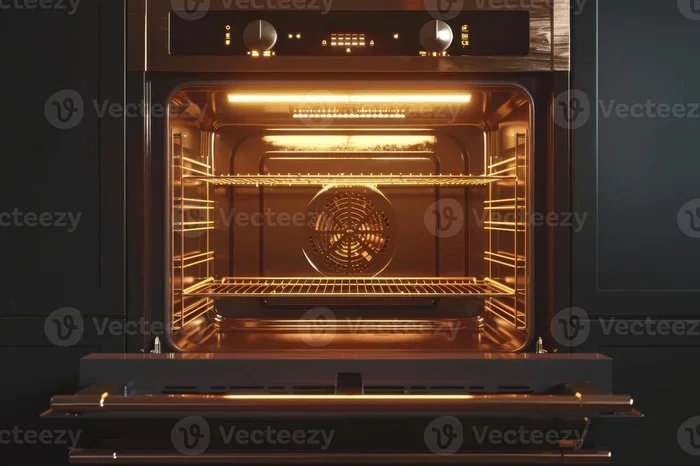
A convection oven is different from a regular oven in one important way. It has a fan and a exhaust system that blows hot air around the food. This air circulation removes the thin layer of cool air that sits on the surface of your food. The result is faster and more even heat distribution across every dish you place inside.
In a conventional oven, heat comes from heating elements at the top and bottom. The air inside stays still, which means some parts of your food cook faster than others. This is why you might see one side of a roast chicken more done than the other. A convection bake setting solves this problem by constantly moving the hot air around.
How Convection Ovens Work
The fan in a convection oven blows hot air directly onto the surface of your food. This speeds up the heat transfer process. Instead of waiting for heat to slowly penetrate from the outside in, the moving air delivers warmth quickly and consistently. This is why convection cooking produces crispy edges on roasted vegetables and beautifully golden baking results.
The fan also helps eliminate hot spots inside the oven cavity. In a regular oven, the area near the top heating element gets much hotter than the bottom. With a fan-assisted oven, the air moves constantly, which means every rack position receives more uniform heat. This is a huge advantage when you are cooking multiple dishes at once.
Convection vs Conventional Oven
Understanding the difference between a convection oven and a conventional oven helps you see why adjustments matter. Here is a simple comparison:
- Heat source: Conventional ovens use static heat from top and bottom elements. Convection ovens add a fan to move the hot air around.
- Cooking speed: Convection cooking is typically 25% faster than conventional methods because of the improved air circulation.
- Browning: The moving air in a convection setting promotes faster and more even browning on the surface of foods.
- Moisture: Convection ovens can dry out food faster if you do not make the right temperature and time adjustments.
- Best for: Convection ovens excel at roasting, baking tips for pastries, and anything that benefits from even browning and crispy edges.
How To Adjust Temperature For Convection Cooking
The most important rule for how to adjust for convection oven cooking is to lower the temperature. Most chefs and baking experts agree on a simple guideline. When you convert a recipe from a conventional oven to a convection oven, reduce the oven temperature by 25 degrees Fahrenheit.
This 25-degree reduction accounts for the extra heat transfer caused by the fan. The moving air delivers more heat to the surface of the food faster. So if a recipe calls for 375°F in a regular oven, you should set your convection oven to 350°F. This simple recipe conversion trick works for most dishes and is the foundation of great convection baking.
The General Rule For Temperature Reduction
Here is the basic temperature adjustment rule for convection oven settings:
- Take the temperature called for in the recipe.
- Subtract 25°F from that number.
- Set your convection oven to the lower temperature.
- Check for doneness a few minutes early.
For example, if a roast chicken recipe says to bake at 400°F for one hour in a conventional oven, you would set your convection oven to 375°F. The fan will do the work of delivering that heat more efficiently. This means your food still cooks through properly but with less risk of drying out.
There are some exceptions to this rule. Delicate baked goods like soufflés and custards may need a smaller temperature drop of only 10 to 15 degrees. On the other hand, thick cuts of meat can handle the full 25-degree reduction without any issues. Always consider the type of food you are cooking when making your convection oven adjustments.
Quick Tips For Temperature Adjustment
- Use an oven thermometer: Many ovens run hotter or cooler than their dial suggests. An oven thermometer gives you an accurate reading every time.
- Preheat with the convection setting: If your oven has a convection preheat mode, use it. It brings the oven to temperature faster and more evenly.
- Remember the 25-degree rule: This is your starting point for almost every recipe conversion.
- Adjust for altitude too: High-altitude baking already requires adjustments. Combine those with your convection temperature reduction for the best results.
How To Adjust Cooking Time When Using Convection
Temperature is only half the equation. The other half is cooking time. Because a convection oven moves hot air around the food, dishes generally cook faster. The standard guideline is to reduce the cooking time by about 25% compared to a conventional oven recipe.
This means if a recipe says to bake for 60 minutes, you should check for doneness at about 45 minutes. The fan-assisted air circulation speeds up the cooking process significantly. However, always use visual cues and a food thermometer to confirm doneness rather than relying solely on the clock.
Understanding The Time Reduction
The 25% time reduction works well for most foods. But the exact amount can vary depending on several factors:
- Size of the food: Larger items like a whole turkey take longer to cook through, even in a convection oven. The time reduction might be closer to 15% for very large roasts.
- Pan size and material: Dark pans absorb more heat and can speed up cooking. Light-colored aluminum pans reflect heat and slow it down slightly.
- Oven model: Some fan-assisted ovens are more powerful than others. Newer models with stronger fans may reduce time even more.
- Rack position: Food on the lower rack may cook slightly differently than food on the upper rack due to the airflow pattern.
The best approach is to start checking your food early. Set a timer for 75% of the original recipe time. Then check for doneness. This way you never overcook your meal. Over time, you will learn exactly how your specific oven behaves with different types of food.
Using A Food Thermometer
A food thermometer is the single best tool for ensuring your food is perfectly cooked. For meats, insert the probe into the thickest part without touching the bone. Here are some target internal temperatures to keep in mind:
- Chicken: 165°F internally
- Beef roast: 135°F for medium-rare, 145°F for medium
- Pork: 145°F with a 3-minute rest
- Baked goods: Use a toothpick test. Insert it into the center of a cake or muffin. If it comes out clean, the cookies baking or cake is done.
Using a thermometer takes the guesswork out of convection oven cooking. It is especially helpful when you are trying a new recipe or cooking a large roast. This simple tool can save you from dry, overcooked meals every single time.
Best Foods To Cook In A Convection Oven
Not all foods benefit equally from convection cooking. Some dishes truly shine in a fan-assisted oven, while others do better in a conventional setting. Understanding which foods work best helps you get the most out of your appliance.
Roasted Vegetables And Meats
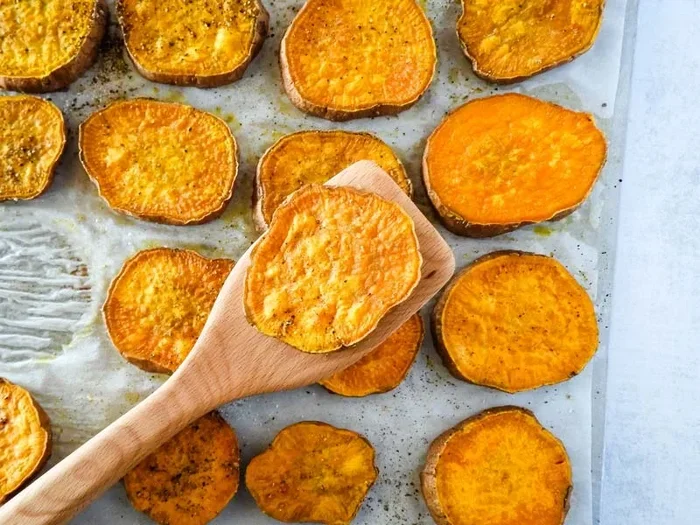
Roasted vegetables are one of the best uses for a convection oven. The circulating hot air dries out the surface of vegetables quickly, which creates delicious crispy edges and deep caramelization. Try roasting carrots, Brussels sprouts, or sweet potatoes at 400°F (convection setting) for beautifully browned results.
For meats, a convection roast setting works wonderfully. The even heat distribution means a roast chicken comes out golden on all sides without needing to flip it. Large cuts of pork, beef, and lamb all benefit from the faster, more uniform cooking that convection provides.
Cookies And Baked Goods
When it comes to cookies baking, a convection oven can be a game-changer. The even airflow helps cookies bake uniformly, so you get the same golden color on every tray. The crispy edges that cookie lovers crave develop more consistently in a convection environment.
However, delicate pastries like croissants and puff pastry can be tricky. The strong airflow might cause the layers to shift or flatten. For these items, you may want to use the convection bake setting at a slightly reduced temperature and keep a close eye on them. Baking tips for pastries include using parchment paper and not opening the oven door too often.
Casseroles And Side Dishes
Casseroles and baked side dishes like lasagna or mac and cheese also do well in a convection oven. The even heat helps the top brown beautifully while the inside stays creamy and cooked through. Just remember to reduce the temperature and check for doneness earlier than the recipe states.
Convection Oven Best Foods Comparison
| Food Type | Convection Performance | Temperature Adjustment | Time Adjustment |
|---|---|---|---|
| Roasted Vegetables | Excellent | Reduce by 25°F | Reduce by 20-25% |
| Roast Chicken | Excellent | Reduce by 25°F | Reduce by 25% |
| Cookies | Very Good | Reduce by 25°F | Reduce by 25% |
| Casseroles | Very Good | Reduce by 25°F | Reduce by 20% |
| Delicate Pastries | Good (with care) | Reduce by 10-15°F | Reduce by 10-15% |
| Cakes | Good | Reduce by 25°F | Reduce by 25% |
| Broiled Fish | Excellent | Reduce by 25°F | Reduce by 25% |
This table gives you a quick reference for recipe conversion when switching from a conventional oven to a convection oven. Keep it handy near your oven for easy access.
Common Mistakes To Avoid With Convection Ovens
Even experienced cooks make mistakes when using a convection oven for the first time. Knowing what to avoid saves you from ruined meals and wasted ingredients. Here are the most common errors people make and how to fix them.
Overcrowding The Pan
One of the biggest mistakes is placing too much food on a single lower rack or pan. The whole point of a convection oven is air circulation. When you overcrowd the pan, you block the flow of hot air around the food. This leads to uneven cooking and steaming instead of roasting.
Give your food room to breathe. Use multiple pans if needed and stagger them on different racks. Leave at least an inch of space between items for proper heat distribution. This simple change makes a huge difference in your convection oven adjustments and the quality of your final dish.
Forgetting To Lower The Temperature
This is the mistake most beginners make. They take a recipe written for a conventional oven and plug it directly into the convection setting without any changes. The result is often food that is burnt on the outside and undercooked on the inside.
Always remember to reduce the temperature by 25°F. This one simple step prevents most convection cooking problems. Write it on a note and stick it on your oven if you need to. After a few weeks of practice, it will become second nature.
Skipping The Parchment Paper
Some people skip parchment paper or aluminum foil when using a convection oven, thinking it does not matter. But the fast, intense heat of a convection oven can cause food to stick and burn more quickly. Lining your baking sheets with parchment paper prevents sticking and makes cleanup much easier.
If you do use aluminum foil, avoid covering the entire bottom of the pan. The foil can block the airflow and defeat the purpose of convection cooking. Use it sparingly to line just the edges or to tent over foods that are browning too quickly.
Opening The Oven Door Too Often
Every time you open the oven door, you release the hot air that the fan has been working so hard to circulate. This causes temperature drops and uneven baking results. Try to resist the urge to peek too often. Use the oven light to check on your food instead. If you need to rotate a dish, do it quickly and close the door right away.
Expert Tips For Perfect Convection Baking Every Time
Now that you know the basics of how to adjust for convection oven cooking, let us go a step further. These expert-level tips will help you get restaurant-quality results every time you turn on your fan-assisted oven.
Parchment Paper And Pan Selection
The right pan makes a big difference in convection baking. Choose low-sided, light-colored pans whenever possible. Dark pans absorb more heat and can cause the bottom of your food to overcook before the inside is done. Light-colored aluminum pans reflect heat and promote more even browning.
Always use parchment paper for cookies and pastries. It creates a small buffer between the food and the hot pan, which prevents burning and sticking. For roasted vegetables, a wire rack set inside a sheet pan works wonders. The air flows underneath the vegetables too, giving you crispy edges on all sides.
Rotating Your Dishes For Even Cooking
Even with a fan, most convection ovens have slight variations in airflow from front to back. To get perfectly even browning, rotate your pans halfway through the cooking time. Turn them 180 degrees so the front goes to the back and vice versa.
This is especially important when you are baking multiple trays of cookies or roasting several pans of vegetables at once. The rotation ensures every dish gets equal exposure to the circulating hot air. It is a small step that makes a noticeable difference in your convection oven results.
Let Food Rest After Cooking
Just like with a conventional oven, letting food rest after cooking is essential. This is especially true for meats. When you remove a roast chicken or beef roast from the convection oven, let it sit for 10 to 15 minutes before cutting. The juices redistribute throughout the meat, making it more flavorful and tender.
For baked goods, let them cool in the pan for a few minutes before transferring to a wire rack. The structure of the food continues to set as it cools, and cutting too early can cause it to fall apart.
Conclusion
Mastering how to adjust for convection oven cooking opens up a world of possibilities in your kitchen. The simple rules are easy to remember. Reduce the temperature by 25°F, cut the cooking time by about 25%, and always keep an eye on your food. Use a food thermometer to check for doneness, and never overcrowd your pan.
With practice, convection oven adjustments become second nature. You will start to notice the difference in your roast chicken, cookies baking, and roasted vegetables. The crispy edges, even browning, and faster cook times are well worth the small learning curve.
Start with the tips in this guide and experiment with your favorite recipes. Soon you will be confidently using your fan-assisted oven for every meal. The key is to trust the process and make small adjustments until you find what works best for your kitchen. Happy cooking!
Frequently Asked Questions
What temperature do I set my convection oven to if a recipe calls for 350°F?
You should set your convection oven to 325°F. The standard rule is to reduce the temperature by 25°F when using the convection setting. This adjustment accounts for the fan that circulates hot air and delivers heat more efficiently to your food.
Can I use regular baking pans in a convection oven?
Yes, you can use regular pans, but light-colored aluminum pans work best. Dark pans absorb more heat and can cause overcooking on the bottom. For the best convection baking results, choose low-sided, light-colored pans that allow air circulation around the food.
Is convection oven better for baking cookies?
Many bakers find that a convection oven produces more evenly baked cookies with crispy edges. The circulating hot air helps cookies bake uniformly on all sides. Just remember to reduce the temperature by 25°F and check them a few minutes earlier than the recipe suggests.
How do I convert a conventional oven recipe for a convection oven?
To convert a recipe, reduce the oven temperature by 25°F and reduce the cooking time by about 25%. Start checking for doneness early using a food thermometer or visual cues. Keep notes on what works best for each recipe in your specific oven.
Should I use convection for all types of cooking?
Not necessarily. Convection ovens excel at roasting vegetables, meats, and baked goods that benefit from even browning. However, delicate foods like soufflés, custards, and some cakes may do better in a conventional oven. Use your judgment and adjust based on the dish you are preparing.
Why does my food cook faster in a convection oven?
The fan in a convection oven blows hot air directly onto the surface of the food. This speeds up the heat transfer process compared to a conventional oven where the air stays still. The moving air also eliminates hot spots and promotes faster, more uniform browning on all sides of the food.