What Temp To Warm Bread In Oven For Perfect Results
Warming bread in the oven is the best way to bring back that fresh-baked feel. The ideal temp to warm bread in oven is between 300°F and 350°F, depending on the type of bread you have. Whether you are reheating a crusty baguette or soft sandwich bread, getting the temperature right matters a lot. Too hot and you dry it out; too low and it stays stale. This guide covers everything you need to know about warming bread in the oven perfectly every single time.
There is nothing quite like the smell and taste of warm bread straight from the oven. But life happens. You bake a beautiful loaf, and suddenly you have leftovers sitting on the counter. The question becomes simple yet important: what temp to warm bread in oven for the best results? Whether you are dealing with a crusty baguette, a soft sandwich loaf, or a rich brioche, the temperature you choose makes all the difference.
Many people reach for the microwave when they want to reheat bread. And we get it. It is fast and convenient. But here is the truth. The microwave turns bread rubbery and soggy in seconds. The oven, on the other hand, brings back that crisp crust and soft, pillowy interior. It is the difference between bread that tastes alive and bread that tastes sad. In this guide, we walk you through everything you need to know about warming bread in the oven the right way.
We will cover the exact temperatures, timing, bread-specific tips, and common mistakes to avoid. By the end, you will never settle for a stale piece of bread again. Let us dive in and make sure every slice comes out perfect.
Key Takeaways
- Best temperature: 300°F to 350°F is the sweet spot for most bread types when you warm bread in oven.
- Time matters: 5 to 10 minutes is usually enough, depending on thickness and bread type.
- Avoid high heat: Cranking the oven too high dries out the bread and ruins the texture.
- Wrap it up: Using foil or a damp towel helps keep moisture locked in while warming.
- Type-specific temps: Different breads like baguettes, sourdough, and sandwich loaves need slightly different approaches.
- Skip the microwave: The oven gives far superior results for reheating bread compared to a microwave.
- Store properly: Proper bread storage helps your leftovers warm up better the next day.
📑 Table of Contents
- The Best Temperature to Warm Bread in Oven
- How Long to Warm Bread in the Oven
- Different Types of Bread and Their Warming Needs
- Common Mistakes When Warming Bread
- Tips for Keeping Bread Fresh After Warming
- Expert Tips for Perfectly Warmed Bread Every Time
- Common Questions About Warming Bread in the Oven
- Conclusion
The Best Temperature to Warm Bread in Oven
When it comes to bread warming temperature, there is a general sweet spot that works for most types of bread. That sweet spot falls between 300°F and 350°F. This range is low enough to warm the bread through gently without drying it out, yet hot enough to revive the crust and bring back some of that fresh-baked texture.
Why 300°F to 350°F Works Best
This temperature range is the Goldilocks zone for bread. It is not so hot that it burns the outside, and it is not so cool that it leaves the inside cold. At 300°F to 350°F, the heat penetrates evenly through the loaf. The starches in the bread gently relax and absorb a bit of moisture. The crust, if present, softens just enough to feel pleasant instead of rock-hard.
Think of it this way. When you bake bread fresh, the oven is usually much hotter, around 350°F to 475°F depending on the recipe. When you reheat bread, you are not trying to bake it again. You are simply bringing it back to a pleasant serving temperature. That is why a lower temp works so well.
Adjusting Temperature by Bread Type
Not all bread is created equal. A dense sourdough loaf behaves differently than a light, airy brioche. Here is a quick breakdown of how to adjust your oven temperature for bread based on what you are working with:
- Crusty breads (baguettes, ciabatta): Use 350°F for 5 to 8 minutes. The higher heat helps refresh the crust.
- Soft sandwich loaves: Use 300°F for 5 to 7 minutes. Lower heat keeps the soft texture intact.
- Rich breads (brioche, challah): Use 300°F for 4 to 6 minutes. These breads have more fat and can dry out quickly.
- Whole grain breads: Use 325°F for 6 to 8 minutes. The denser crumb needs a bit more time and moderate heat.
- Frozen bread: Use 325°F for 10 to 15 minutes. You need extra time to thaw and warm through evenly.
How Long to Warm Bread in the Oven
Temperature and time go hand in hand. Even if you set the right temp to warm bread in oven, leaving it in too long will ruin the texture. The goal is to warm the bread through without overcooking it. Most breads need between 5 and 10 minutes at the recommended temperatures.
Quick Timing Guide
Here is a simple reference for how long to keep your bread in the oven based on its form:
- Individual slices: 3 to 5 minutes at 300°F to 325°F. Slices warm quickly because they are thin.
- Half a loaf: 5 to 7 minutes at 300°F to 350°F. More mass means more time needed.
- Full loaf: 8 to 12 minutes at 300°F to 325°F. A whole loaf takes the longest to warm through.
- Bread rolls or buns: 4 to 6 minutes at 325°F to 350°F. Small size means fast warming.
- Frozen bread (any form): Add 3 to 5 extra minutes to the standard times above.
How to Tell When Bread Is Warm Enough
The best way to check is simple. Touch the center of the loaf or the thickest part of a slice. It should feel warm and slightly soft, not hot to the touch. If you have a food thermometer, the internal temperature should read around 120°F to 130°F. That is warm enough to be comfortable and enjoyable without being too hot.
Another clue is the smell. When bread is properly warmed, it releases that beautiful, toasty aroma. If you smell a burnt or overly toasted scent, pull it out immediately. You have gone too far.
Different Types of Bread and Their Warming Needs
Not every bread warms the same way. The type of bread you are working with changes the approach you should take. Some breads need more moisture, some need less time, and some benefit from a specific wrapping technique. Let us break this down by popular bread types.
Crusty Breads Like Baguettes and Ciabatta
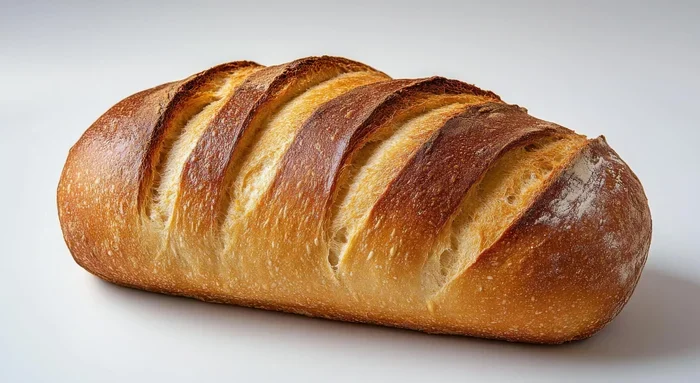
Crusty breads are the trickiest to reheat. The whole point of a baguette is that shattering, crispy crust. But after a day or two, that crust turns hard and nearly impossible to bite through. The good news is that the oven can bring back a lot of that crunch. Preheat to 350°F, wrap the bread loosely in aluminum foil, and warm for 5 to 8 minutes. Remove the foil for the last 1 to 2 minutes if you want extra crispness on the outside.
Soft Sandwich Breads
Soft breads like white sandwich loaf or wheat bread need gentler treatment. They dry out fast because they lack a thick crust to protect the inside. Keep the temperature at 300°F and warm for no more than 5 to 7 minutes. Wrapping in a slightly damp paper towel before placing it in the oven adds moisture back into the bread. This is one of the best bread reheating tips for soft loaves.
Rich Breads Like Brioche and Challah
Rich breads contain eggs and butter, which make them incredibly tender and flavorful. But they also make the bread more fragile when reheating. The fat can go rancid if exposed to too much heat for too long. Stick to 300°F and keep the time short, around 4 to 6 minutes. These breads taste best when served warm but not hot.
Sourdough and Artisan Loaves
Sourdough has a thick, flavorful crust and a chewy interior. To warm sourdough properly, preheat the oven to 325°F. Wrap it in foil and place it in for 6 to 10 minutes. Sourdough benefits from a slightly lower temperature because the crust is already quite robust. The extended time at lower heat allows the interior to warm evenly without burning the outside.
Frozen Bread
Frozen bread needs special care. If you pop a frozen loaf straight into a hot oven, the outside will burn before the inside thaws. The best approach is to set the oven to 325°F and warm the bread for 10 to 15 minutes. For individual slices, you can place them directly on the oven rack. For a whole frozen loaf, let it sit at room temperature for 10 minutes first, then warm in the oven. This prevents condensation from building up inside the bread.
Common Mistakes When Warming Bread
Even with the best intentions, people make mistakes when they reheat bread in oven. These errors can turn a perfectly good loaf into a dry, burnt, or soggy disappointment. Knowing what not to do is just as important as knowing the right temperature.
Using Too High a Temperature
The most common mistake is setting the oven too hot. People think that higher heat means faster warming. But bread is not a pizza. It does not need intense, direct heat. Too high a temperature dries out the interior, hardens the crust to an unpleasant degree, and can create a burnt exterior with a cold center. Always start low and slow.
Skipping the Wrap
Leaving bread uncovered in the oven lets moisture escape. The bread turns dry and stale even faster than it was before. A loose foil cover traps enough steam to keep the interior soft while still allowing the crust to refresh. For soft breads, a damp paper towel works even better. This small step makes a huge difference in the final texture.
Overheating for Too Long
Leaving bread in the oven too long is another frequent error. Set a timer. Five minutes can turn into ten, and ten into fifteen before you know it. Check the bread frequently. It is better to underwarm it slightly and give it another minute than to overdo it and end up with a dry, tough loaf.
Warming Bread Straight from the Fridge
Cold bread straight from the refrigerator needs extra care. The temperature shock from a cold center to a hot oven can create condensation inside the bread. This makes the inside soggy. Let refrigerated bread sit out for 5 to 10 minutes before warming, or wrap it tightly to prevent moisture buildup.
Using the Microwave Instead
We get it. The microwave is fast. But it is the worst option for warming bread. Microwaves heat water molecules unevenly, which turns bread rubbery and chewy. The crust becomes soft and limp. If you want soft warm bread with a pleasant texture, the oven is always the better choice. It takes a few extra minutes, but the results are worth it.
Tips for Keeping Bread Fresh After Warming
Warming bread is a great way to revive day-old loaves, but proper storage plays a big role in how well the bread responds to reheating. If you store bread correctly from the start, your bread freshness revival efforts will pay off much more.
Best Storage Practices
- Room temperature: Store bread in a bread box or a paper bag for 1 to 2 days. This keeps the crust intact and the crumb soft.
- Freezing: For longer storage, slice the bread and freeze it in a zip-lock bag. Frozen bread can last up to 3 months and warms up beautifully in the oven.
- Avoid the fridge: Refrigeration actually speeds up staling. The cold temperatures cause starch molecules to crystallize, making bread go stale faster.
- Slice before freezing: Pre-sliced frozen bread lets you warm only what you need, reducing waste and keeping the rest fresh.
Reviving Bread That Has Gone Stale
Even stale bread can often be saved. Sprinkle a few drops of water over the crust, wrap the loaf in foil, and warm it at 300°F for 8 to 10 minutes. The steam created by the water softens the crust and refreshes the crumb. This technique works wonders on breads that have been sitting out for a day or two. It is one of the simplest bread warming tips you will ever learn.
Expert Tips for Perfectly Warmed Bread Every Time
After years of baking and testing, here are some pro-level bread reheating tips that separate good results from great ones. These small details make a noticeable difference in flavor, texture, and overall quality.
Preheat the Oven Properly
Always preheat your oven before putting the bread in. A cold oven means uneven warming and longer cook times. Give the oven at least 10 to 15 minutes to reach the target temperature. Use an oven thermometer if you are unsure about accuracy. Many home ovens run hot or cold, and knowing the true temperature helps you get consistent results every time.
Use a Baking Stone or Sheet
Placing bread on a baking stone or a preheated baking sheet adds gentle bottom heat. This helps crisp up the bottom crust while the top warms evenly. It is a small trick that makes a big difference, especially for crusty artisan loaves like oven-warmed sourdough or ciabatta.
Let Bread Rest After Warming
Once the bread comes out of the oven, let it rest for 2 to 3 minutes before slicing. This allows the heat to distribute evenly throughout the loaf. Cutting into it immediately can release steam and make the interior slightly gummy. A brief rest gives you the perfect warm bread texture with a soft interior and a gently refreshed crust.
Brush with Butter or Olive Oil
For an extra touch of flavor and moisture, brush the crust with a thin layer of butter or olive oil right after warming. This adds richness to the flavor and helps keep the crust flexible. It works especially well with crusty breads like baguettes and rustic loaves. A little goes a long way.
Warm Only What You Need
Instead of warming an entire loaf, warm just the slices you plan to eat. This saves time, energy, and prevents the rest of the loaf from drying out further. Individual slices take only 3 to 5 minutes at 300°F to 325°F. It is the most efficient approach for daily bread enjoyment.
Pair with the Right Toppings
Warmed bread pairs beautifully with fresh toppings. A little olive oil and sea salt, some butter and jam, or even a light spread of ricotta cheese all taste better on warm bread. The warmth releases the aromas of the toppings and creates a more enjoyable eating experience. It is a simple way to elevate a humble slice of bread into something special.
Common Questions About Warming Bread in the Oven
Can you warm bread at 400°F?
You can, but we do not recommend it. 400°F is too hot for most breads and will dry them out quickly or burn the crust. Stick to 300°F to 350°F for the best results. If you must use a higher temperature, keep a very close eye on the bread and reduce the time significantly.
Is it better to warm bread in the oven or on the stove?
The oven is generally better for even warming. The stovetop can work for slices in a dry skillet, but it requires constant attention and does not warm thick loaves evenly. The oven provides consistent, gentle heat that works well for all bread types.
Can you warm bread more than once?
You can, but each reheating cycle further dries out the bread. The texture will not be as good the second or third time around. It is always best to warm only the amount you plan to eat immediately.
How do you keep warmed bread from getting soggy?
The key is to wrap the bread loosely in foil while warming. This traps just enough steam to keep the interior soft without making the crust soggy. After warming, remove the foil and let the bread rest on a wire rack for a few minutes to allow excess moisture to escape.
What is the best way to warm store-bought bread?
Store-bought bread often tastes best when warmed at 300°F for 5 to 7 minutes. Whether it is a packaged sandwich loaf or a bakery baguette, this gentle approach revives the flavor and texture. Adding a damp paper towel around the bread adds extra moisture for softer results.
Does wrapping bread in foil make a difference?
Yes, it makes a significant difference. Foil creates a mini oven environment around the bread. It traps heat and moisture, preventing the bread from drying out. For crusty breads, you can remove the foil during the last minute or two to re-crisp the exterior.
Conclusion
Getting the temp to warm bread in oven right is simpler than most people think. The general rule is straightforward. Stay between 300°F and 350°F, keep the time between 5 and 10 minutes, and always wrap the bread to retain moisture. Adjust the temperature and timing based on the type of bread you are working with, and you will get excellent results every time.
Remember that the oven is the best tool for reheating bread. It brings back the crust, softens the crumb, and restores much of the fresh-baked experience. Avoid common mistakes like using too high a temperature, skipping the wrap, or leaving the bread in too long. And store your bread properly from the start so it always has the best chance of revival.
Next time you find yourself with leftover bread, do not toss it. Warm it up in the oven and enjoy it as if it were fresh out of the bakery. With the tips and temperatures shared in this guide, you have everything you need to make that happen. Warm bread in the oven is easy, quick, and absolutely worth the few extra minutes it takes. Your taste buds will thank you.