How To Get Turkey Brown In A Roaster Oven Step By Step
Getting turkey brown in a roaster oven is easier than you think. With the right temperature, preparation, and a few simple tricks, you can achieve crispy golden skin and perfectly cooked meat. This guide walks you through every step to brown your turkey like a pro using a roaster oven.
There is nothing quite like pulling a beautiful golden brown turkey out of a roaster oven. The crispy skin, the juicy meat, and the incredible aroma make every bite worth the effort. Whether you are preparing a holiday feast or a simple weeknight dinner, knowing how to get turkey brown in roaster oven changes everything.
A roaster oven is one of the most versatile kitchen tools you can own. It heats evenly, retains moisture well, and gives you control over the cooking environment. But getting that perfect brown finish takes more than just setting a timer. You need the right technique, the right temperature, and a little patience.
In this guide, we walk you through every step of the process. From preparing the turkey to the final golden touch, you will learn exactly what works and what does not. By the end, you will feel confident enough to roast a stunning turkey in your roaster oven every single time.
Key Takeaways
- Dry the skin thoroughly: Patting the turkey dry is the single most important step for browning.
- Use the right temperature: Roasting at 350°F to 400°F helps achieve a golden brown finish.
- Baste regularly: Basting every 30 minutes keeps the meat moist and promotes even browning.
- Let the turkey rest: Resting after cooking locks in juices and improves skin texture.
- A roaster oven works differently than a regular oven: Understanding these differences helps you get better results.
- Avoid common mistakes: Skipping the drying step or opening the lid too often are the biggest browning killers.
📑 Table of Contents
- Why Brown Turkey In A Roaster Oven?
- Step By Step Guide To Getting Turkey Brown In A Roaster Oven
- Common Mistakes That Keep Turkey From Browning
- Roaster Oven vs Regular Oven For Browning Turkey
- Pro Tips For Perfectly Brown Turkey Every Time
- How Long To Cook Turkey In A Roaster Oven
- Safety Tips For Roaster Oven Turkey Cooking
- Conclusion
Why Brown Turkey In A Roaster Oven?
You might wonder why a roaster oven is a great choice for browning turkey. The answer lies in how these compact ovens work. A roaster oven surrounds the food with consistent heat from all sides. This even heat distribution helps the skin cook uniformly and turn golden brown.
Unlike a standard oven, a roaster oven traps heat efficiently. The lid seals in moisture while still allowing the skin to crisp up. This combination of moisture retention and dry heat is exactly what you need for a beautifully browned turkey.
Many people also find that roaster ovens use less energy than full-size ovens. They preheat faster and maintain temperature well. This makes them a practical choice for everyday cooking, not just special occasions.
The Science Behind Browning
Browning happens through a process called the Maillard reaction. This is a chemical reaction between amino acids and sugars in the food. When heat is applied, these compounds break down and create new flavors and golden-brown colors.
For this reaction to work effectively, the surface of the turkey needs to be dry. Moisture creates steam, which prevents browning. This is why drying the turkey skin before cooking is so important. The drier the surface, the better the browning.
Temperature also plays a key role. Too low, and the skin will not crisp. Too high, and the outside burns before the inside cooks through. Finding the right balance is the secret to perfect roaster oven turkey browning.
Step By Step Guide To Getting Turkey Brown In A Roaster Oven
Now let us get into the actual steps. Follow this process carefully and you will see a big difference in your results. Each step builds on the one before it.
Step 1: Choose the Right Turkey
Start with a fresh or properly thawed turkey. A bird that is 10 to 14 pounds works well for most roaster ovens. Make sure the turkey fits comfortably inside with some space for air to circulate.
Look for a turkey with smooth, unbroken skin. Damaged skin can lead to uneven cooking and poor browning. If you are buying frozen, make sure it is fully thawed before you start. Thawing in the refrigerator for a couple of days is the safest method.
Step 2: Dry the Skin Thoroughly
This is the most important step. Remove the turkey from its packaging and pat it completely dry with paper towels. Do this both inside and outside the cavity. The drier the skin, the better it will brown.
For even better results, place the turkey uncovered in the refrigerator overnight. This air-drying technique pulls extra moisture from the skin. When you are ready to cook, the skin will be much drier and primed for browning.
Think of it like preparing a how to cook hamburger steak in oven situation. Dry surfaces brown better because they can reach the Maillard reaction temperature faster. The same principle applies to turkey.
Step 3: Season Generously
Seasoning does more than add flavor. Salt draws out moisture from the skin surface, which then evaporates during cooking. This extra drying effect helps the skin brown faster and more evenly.
Use a mix of salt, pepper, garlic powder, and paprika for a classic flavor profile. Rub the seasoning under the skin of the breast as well. This adds flavor directly to the meat and helps the skin on top crisp up.
Some cooks like to add a thin layer of oil or melted butter on the skin. This helps conduct heat more evenly and promotes browning. Just use a light touch. Too much oil can cause splattering inside the roaster oven.
Step 4: Preheat and Set the Right Temperature
Preheat your roaster oven to 350°F. This is the sweet spot for roasting turkey. It cooks the meat evenly while giving the skin enough time to brown properly.
Some recipes call for starting at a higher temperature, like 400°F, for the first 20 minutes. This blast of heat kickstarts the browning process. Then you reduce the temperature to 350°F for the rest of the cooking time.
Avoid opening the lid too often. Every time you lift the lid, you lose heat and moisture. This slows down the browning process and extends cooking time. Trust the roaster oven to do its job.
Step 5: Cook and Baste Regularly
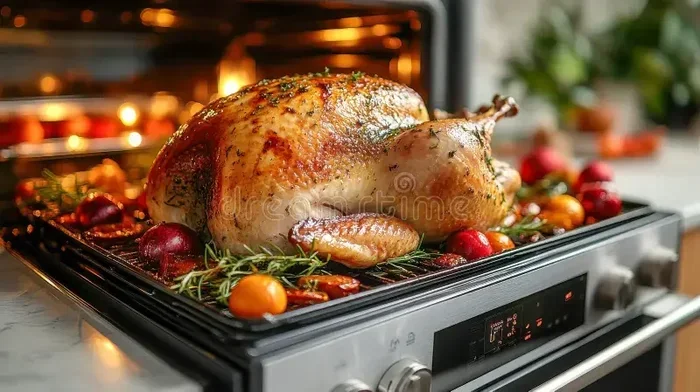
Place the turkey breast-side up in the roaster oven insert. Insert a meat thermometer into the thickest part of the thigh, making sure it does not touch the bone.
Cook for about 3 to 4 hours, depending on the size of the bird. Every 30 minutes, open the lid and baste the turkey with the juices from the bottom of the roaster. This keeps the meat moist and helps the skin develop an even brown color.
Basting also collects the rendered fat from the turkey and spreads it back over the skin. This natural fat acts as a browning agent. It is one of the simplest and most effective techniques for getting a golden finish.
If you enjoy crispy skin even more, you can remove the lid for the last 30 minutes of cooking. This exposes the skin to direct heat and accelerates browning. Just keep a close eye on it to prevent burning.
Step 6: Check Internal Temperature
The turkey is done when the internal temperature reaches 165°F in the thickest part of the thigh. The breast should also read at least 160°F. Remember that the temperature will continue to rise slightly after you remove the turkey from the oven.
Do not rely on the roasting time alone. Every roaster oven is slightly different, and the size and shape of the turkey can vary. A meat thermometer is your best friend for perfectly cooked turkey.
Once the turkey reaches the right temperature, remove it from the roaster oven and let it rest. This resting period allows the juices to redistribute throughout the meat, making every slice tender and flavorful.
Common Mistakes That Keep Turkey From Browning
Even experienced cooks can run into problems when trying to brown turkey in a roaster oven. Knowing what to avoid saves time and frustration. Here are the most common mistakes and how to fix them.
Not Drying the Skin Enough
This is the number one reason turkey skin stays pale and soft. If the surface is wet, it creates steam instead of allowing the Maillard reaction to happen. Always pat the turkey dry with paper towels before seasoning.
If you are short on time, you can use a clean kitchen towel to rub the skin dry. Some cooks even use a fan to blow air over the turkey for an hour before cooking. The more moisture you remove, the better the browning.
Opening the Lid Too Often
It is tempting to check on the turkey every few minutes. But every time you lift the lid, you release heat and steam. This slows the browning process and can make the skin soggy.
Stick to checking every 30 minutes during the basting phase. Use the oven light if your roaster has one to monitor the color without opening the lid. Patience pays off when it comes to browning.
Using the Wrong Rack Position
Placing the turkey too close to the top heating element can cause the skin to burn before the inside is cooked. Too low, and the bottom of the turkey stays pale and soft.
Use the middle rack position in your roaster oven. This gives the turkey even exposure to heat from all sides. It is a small adjustment that makes a big difference in the final result.
Skipping the Resting Period
Some people skip resting to save time. But resting is essential for juicy turkey. When you cut into a hot turkey immediately, the juices run out and the meat dries out.
Let the turkey rest for at least 20 minutes after cooking. Tent it loosely with aluminum foil to keep it warm. The skin will continue to crisp as it rests, and the meat will become more tender.
Roaster Oven vs Regular Oven For Browning Turkey
You might be wondering how a roaster oven compares to a regular oven for browning turkey. Both have their strengths, but they work differently. Understanding these differences helps you choose the right method.
| Feature | Roaster Oven | Regular Oven |
|---|---|---|
| Heat Distribution | Even from all sides | Can have hot spots |
| Moisture Retention | Excellent with lid on | Lower moisture retention |
| Preheating Time | Faster | Slower |
| Energy Use | Lower | Higher |
| Browning Capability | Good with lid removed at end | Excellent with dry heat |
| Capacity | Limited to smaller turkeys | Can handle larger birds |
| Ease of Use | Very simple | Standard oven controls |
A roaster oven is excellent for smaller turkeys and gives you great control over the cooking environment. The enclosed space helps brown the turkey evenly. For larger birds, a regular oven might be a better fit.
If you want to explore more oven cooking techniques, check out our guide on how to cook cauliflower steaks in the oven for tips on getting perfect browning in any oven type. The principles are similar.
Similarly, understanding how different meats brown in the oven can help you apply those same techniques to turkey. For more on oven browning, our article on what temp to cook hamburger steak in oven provides useful insights about heat levels and browning.
Pro Tips For Perfectly Brown Turkey Every Time
Here are some expert-level tips that take your roaster oven turkey to the next level. These are the small details that separate good results from great ones.
- Use a wire rack inside the roaster: Elevating the turkey allows hot air to circulate underneath. This promotes even browning on the bottom of the bird as well.
- Brush with broth in the last hour: A light brush of chicken broth adds flavor and helps the skin develop a beautiful golden color.
- Add aromatics to the cavity: Stuff the turkey with onion, garlic, and citrus. This infuses flavor from the inside out and adds moisture.
- Let the turkey come to room temperature first: Taking the turkey out 30 minutes before cooking helps it roast more evenly. Cold meat in a hot oven leads to uneven cooking.
- Use a roasting pan with a lid: If your roaster oven came with a lid, use it for most of the cooking. Remove it only for the final browning phase.
- Do not overcrowd the roaster: Give the turkey plenty of space. Overcrowding traps steam and prevents proper browning.
Quick Tips for Crispy Skin
Crispy skin is the hallmark of a perfectly roasted turkey. Here are a few quick tips to get it right every time:
- Air-dry the turkey uncovered in the fridge overnight.
- Rub the skin with a small amount of oil or melted butter.
- Cook at 350°F for most of the time.
- Remove the lid for the last 20 to 30 minutes.
- Do not skip the resting period after cooking.
These simple steps make a noticeable difference. The skin will be crispy and golden, and the meat will be juicy and tender.
Expert Insights on Roaster Oven Turkey
Professional chefs often recommend starting with a cold turkey and letting the roaster oven do the work. The gradual heat allows the fat to render slowly, which creates a natural basting effect. This method produces incredibly moist meat with deeply browned skin.
Another expert tip is to avoid washing the turkey before cooking. Washing spreads bacteria around your kitchen and adds moisture to the skin. Instead, simply pat the bird dry and season it. Your roaster oven will handle the rest.
Some cooks also swear by using a small amount of baking powder on the skin. Baking powder raises the pH level of the skin, which accelerates the Maillard reaction. This trick can help you get a deeper brown color in less time.
How Long To Cook Turkey In A Roaster Oven
Cooking time depends on the size of your turkey. Here is a general guide to help you plan:
- 8 to 10 pounds: About 2.5 to 3 hours at 350°F
- 10 to 12 pounds: About 3 to 3.5 hours at 350°F
- 12 to 14 pounds: About 3.5 to 4 hours at 350°F
- 14 to 18 pounds: About 4 to 4.5 hours at 350°F
Always use a meat thermometer to confirm doneness. The internal temperature should reach 165°F in the thickest part of the thigh. These times are approximate and can vary based on your specific roaster oven model.
Remember that browning happens in the final stages of cooking. If your turkey is reaching the right temperature but the skin is not brown enough, simply remove the lid and let it cook for an additional 20 to 30 minutes at 375°F. Watch it closely to prevent burning.
Safety Tips For Roaster Oven Turkey Cooking
Cooking turkey in a roaster oven is generally safe when you follow basic guidelines. Make sure your roaster oven is placed on a stable, heat-resistant surface. Keep it away from walls and other appliances that could be damaged by heat.
Always use oven mitts when handling the roaster oven. The exterior can get hot during cooking. Also, make sure the turkey reaches a safe internal temperature of 165°F before serving. Use a calibrated meat thermometer to check.
If you are concerned about food safety, you can find more information about safe cooking practices online. Proper handling and cooking temperatures are essential for a safe and enjoyable meal.
Conclusion
Getting turkey brown in a roaster oven is a skill anyone can master. With the right preparation, temperature, and technique, you can achieve crispy golden skin and juicy, flavorful meat every time. The key is to dry the skin, season generously, cook at the right temperature, and baste regularly.
Avoid the common mistakes that hold people back. Do not skip the drying step, and resist the urge to open the lid too often. Trust the process and let the roaster oven work its magic.
Now that you know how to get turkey brown in roaster oven, it is time to put these tips into practice. Try them at your next gathering or a simple family dinner. You will be amazed at the results. Happy roasting!
Frequently Asked Questions
Can I brown a turkey in a roaster oven without a lid?
Yes, you can brown turkey without the lid, but it works best to cook with the lid on for most of the time. The lid traps heat and moisture, which helps the turkey cook evenly. Remove the lid during the last 20 to 30 minutes to let the skin crisp up and turn golden brown.
What temperature should I set my roaster oven to for browning turkey?
Set your roaster oven to 350°F for most of the cooking time. Some cooks start at 400°F for the first 20 minutes to kickstart the browning process. Then reduce to 350°F for the remainder. For the final browning phase, you can increase to 375°F with the lid off.
How long does it take to brown a turkey in a roaster oven?
A 10 to 12 pound turkey typically takes 3 to 3.5 hours at 350°F. The browning happens mostly in the last 30 to 60 minutes of cooking. Larger turkeys take longer, and smaller ones cook faster. Always use a meat thermometer to check for doneness.
Why is my turkey skin not browning in the roaster oven?
The most common reason is moisture on the skin. If the turkey skin is wet, it creates steam instead of browning. Make sure to pat the turkey completely dry before cooking. Also, avoid opening the lid too often, as this releases heat and moisture that prevents browning.
Should I cover the turkey with foil while cooking in a roaster oven?
It is best not to cover the turkey with foil in a roaster oven. The lid of the roaster serves the same purpose and works better. Foil can trap too much steam and prevent the skin from crisping. Instead, cook with the roaster lid on and remove it for the final browning phase.
Can I use a roaster oven to cook a turkey the same way I would use a regular oven?
Yes, the basic process is the same. However, roaster ovens cook faster and more evenly due to their compact size and enclosed design. You may need to reduce cooking time slightly compared to a regular oven. Always rely on internal temperature rather than time alone to determine when the turkey is done.