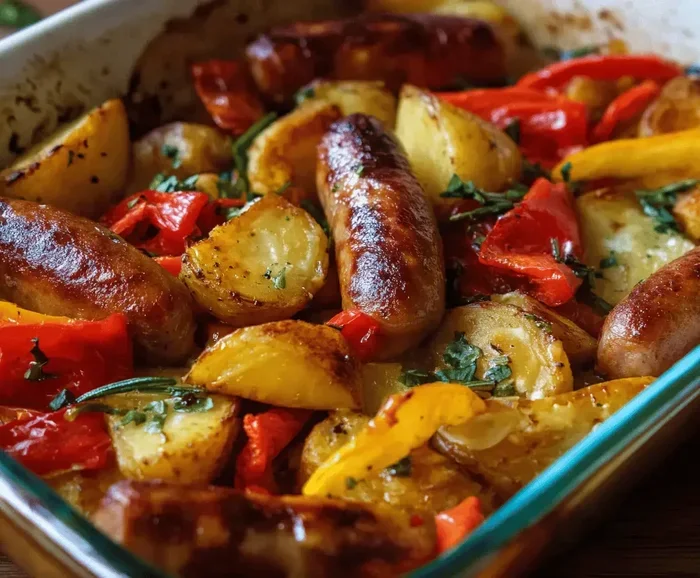
How To Make Sausages In The Oven The Ultimate Guide
Learning how to make sausages in the oven is easier than you think. This guide walks you through every step, from choosing the right meat to pulling perfectly baked links out of your oven. You will discover simple recipes, pro tips, and common mistakes to avoid. Whether you want breakfast links or savory Italian-style sausages, this guide covers it all. Start making delicious homemade sausages in your oven today!
There is something truly satisfying about making your own food from scratch. When it comes to how to make sausages in the oven, the process is simpler than most people imagine. You do not need a fancy sausage stuffer or years of experience. All you need is some ground meat, a few basic seasonings, and a reliable oven. In this guide, we will walk you through every single step to create delicious homemade sausages right in your kitchen.
Making sausages at home gives you complete control over what goes into them. You decide the fat ratio, the spice blend, and the quality of the meat. No more mystery ingredients or preservatives. Whether you are craving classic breakfast links, spicy Italian sausages, or something entirely unique, oven-baked sausages deliver consistent and mouthwatering results every time. Let us dive in and show you exactly how to do it.
Key Takeaways
- Oven-baked sausages are simple and hands-off: You do not need special equipment or skills to get great results.
- Quality meat makes all the difference: Choose fresh ground pork, chicken, or beef for the best flavor and texture.
- Temperature control is critical: Baking at 350°F to 400°F ensures sausages cook evenly without drying out.
- Homemade sausages taste far better than store-bought: You control the ingredients, seasoning, and fat content.
- Proper resting and storing keep sausages juicy: Let them rest after baking and store them correctly for up to a week.
- Experiment with flavors freely: Try different herbs, spices, and meat blends to create your signature sausage recipe.
📑 Table of Contents
- Understanding the Basics of Homemade Sausages
- Gathering Your Ingredients and Equipment
- Step-by-Step Guide to Making Sausages in the Oven
- Oven Temperature and Timing Guide
- Tips for Perfect Oven-Baked Sausages Every Time
- Storing and Serving Your Homemade Sausages
- Why Homemade Sausages Are Worth the Effort
- Final Thoughts on Making Sausages in the Oven
- FAQs
Understanding the Basics of Homemade Sausages
Before you start mixing meat and spices, it helps to understand what goes into a great sausage. Homemade sausages are essentially ground meat combined with fat, seasonings, and sometimes a casing. The oven method is one of the easiest and most popular ways to cook them because it requires very little hands-on effort. You place your sausage links or patties on a baking sheet and let the oven do the work.
The beauty of how to make sausages in the oven lies in the simplicity. You can make large batches and freeze them for later. You can also experiment with different meats and flavor profiles without any special tools. Once you master the basic technique, you will wonder why you ever bought sausages from the store.
Why Choose Oven-Baked Sausages Over Other Methods
There are several ways to cook sausages, including grilling, pan-frying, and boiling. Each method has its merits, but oven baking offers some clear advantages. First, it is hands-off. You do not need to stand over a hot pan flipping sausages every few minutes. Second, oven baking cooks sausages evenly on all sides. Third, it is much easier to scale up when you are cooking for a crowd.
Many people also prefer oven-baked sausages because they are healthier. Baking allows excess fat to drip away from the meat. This results in a lighter final product compared to pan-frying, where sausages sit in their own rendered fat. If you are looking for a cleaner, simpler cooking method, baking sausages in the oven is the way to go.
Gathering Your Ingredients and Equipment
Making great sausages starts with good ingredients. You do not need a long shopping list, but each component matters. Here is what you will need to get started with your homemade sausage recipe.
Choosing the Right Meat
The foundation of any great sausage is the meat. Pork is the most traditional choice because it has a perfect balance of fat and lean meat. The fat keeps sausages juicy and adds rich flavor. However, you can also use chicken, beef, turkey, or even lamb depending on your preference.
When selecting ground meat, look for a fat content of about 70 to 80 percent lean. Too lean and your sausages will dry out in the oven. Too much fat and they may fall apart. For pork sausages, a mix of pork shoulder and pork belly works beautifully. If you prefer chicken sausages, adding a small amount of olive oil can help maintain moisture.
Essential Seasonings and Spices
Seasonings are what turn plain ground meat into something truly delicious. The classic sausage seasoning blend includes salt, black pepper, garlic powder, and paprika. From there, you can get creative. Some popular additions include fennel seeds for an Italian twist, sage for breakfast-style links, or red pepper flakes for a spicy kick.
Here are some common seasonings used in homemade sausages:
- Salt: Enhances flavor and helps bind the meat mixture.
- Black pepper: Adds a warm, slightly spicy note.
- Garlic powder or fresh garlic: Provides a savory depth of flavor.
- Paprika: Adds color and a mild smoky sweetness.
- Fennel seeds: The classic Italian sausage flavor.
- Sage or thyme: Perfect for breakfast-style sausages.
- Red pepper flakes: For those who like a little heat.
- Sugar: A small amount helps with browning and balance.
Equipment You Will Need
You do not need much equipment to make sausages in the oven. A large mixing bowl, a baking sheet, parchment paper, and your oven are all you truly need. Some people like to use a sausage stuffer or casing to create traditional links, but you can also form the mixture into patties or free-form links. A kitchen scale is helpful for portioning the meat evenly, but it is not essential.
For those who want to try casing, natural hog casings are the most common choice for pork sausage links. They are inexpensive and easy to work with. If you skip the casing, simply shape the mixture into sausages or patties and place them directly on your baking sheet. Either method works wonderfully for oven baking.
Step-by-Step Guide to Making Sausages in the Oven
Now for the fun part. Here is a detailed walkthrough of how to make sausages in the oven from start to finish. Follow these steps and you will have restaurant-quality homemade sausages in no time.
Step One: Prepare the Sausage Mixture
Start by placing your ground meat in a large mixing bowl. Add your salt, pepper, and chosen seasonings. Mix everything together using your hands. This is the best way to ensure the seasonings are evenly distributed throughout the meat. Work the mixture gently but thoroughly for about two to three minutes.
It is important to keep the meat cold during this process. If the meat starts to warm up, pop the bowl in the refrigerator for a few minutes. Cold meat holds together better and results in a better texture. Some people like to let the mixture rest in the fridge for 30 minutes to an hour before shaping. This allows the flavors to meld together beautifully.
Step Two: Shape the Sausages
If you are using casing, soak it in warm water for about 30 minutes before use. Slide the casing onto your sausage stuffer or funnel and start filling it gently. Twist the casing into links about four to six inches long. If you are not using casing, simply roll the meat mixture between your palms to form links or flatten it into patties.
For sausage patties, aim for about half an inch to three-quarters of an inch thick. This thickness ensures they cook through without drying out on the outside. For links, try to keep them uniform in size so they bake evenly. Place all shaped sausages on a parchment-lined baking sheet, leaving a little space between each one.
Step Three: Bake to Perfection
Preheat your oven to 375°F for most sausage recipes. Place the baking sheet on the middle rack and bake for 20 to 30 minutes, depending on the size of your sausages. Flip the sausages halfway through cooking to ensure even browning on all sides.
The internal temperature of cooked sausages should reach 160°F for pork and beef, and 165°F for chicken and turkey. Use a meat thermometer to check. This is the most reliable way to know your sausages are done without cutting into them and losing juicy juices. Once they reach the right temperature, remove them from the oven and let them rest for five minutes before serving.
Oven Temperature and Timing Guide
Getting the oven temperature right is one of the most important parts of how to make sausages in the oven. Too high and the outside burns before the inside cooks through. Too low and the sausages dry out and lose their flavor. Here is a breakdown of recommended temperatures and times for different sausage types.
| Sausage Type | Oven Temperature | Cooking Time | Internal Temp |
|---|---|---|---|
| Pork Breakfast Links | 375°F | 25-30 minutes | 160°F |
| Italian Sausages | 400°F | 20-25 minutes | 160°F |
| Chicken Sausages | 375°F | 22-28 minutes | 165°F |
| Beef Sausages | 375°F | 25-30 minutes | 160°F |
| Bratwurst | 400°F | 20-25 minutes | 160°F |
| Sausage Patties | 375°F | 15-20 minutes | 160°F |
These times and temperatures are guidelines. Your oven may run slightly hot or cool, so always use a meat thermometer for the most accurate results. If your sausages are browning too quickly on the outside, lower the temperature by 25 degrees and extend the cooking time slightly.
Understanding the Role of Fat in Sausage Baking
Fat is your best friend when making sausages. It carries flavor, keeps the meat moist, and helps create that beautiful golden-brown crust in the oven. When sausages bake, the fat slowly renders out and bastes the meat from the inside. This is why sausages with too little fat can turn dry and crumbly.
For the best results, aim for a fat-to-lean ratio of about 30 to 70 or 25 to 75. If you are using very lean ground meat, consider adding a tablespoon of olive oil or a small amount of chilled butter to the mixture. This simple trick can transform dry, bland sausages into juicy, flavorful ones.
Tips for Perfect Oven-Baked Sausages Every Time
Even with a great recipe, small details can make or break your sausages. Here are some tried-and-true tips that will elevate your homemade sausage game.
Keep Everything Cold
This cannot be stressed enough. Cold meat mixes better, holds its shape better, and bakes more evenly. Chill your mixing bowl and even your hands if possible before you start. If the meat mixture starts feeling warm, take a break and refrigerate it for 15 to 20 minutes. This small habit makes a huge difference in the final texture of your sausages.
Do Not Skip the Resting Period
Once your sausages come out of the oven, resist the urge to cut into them right away. Let them rest on the baking sheet for at least five minutes. This allows the juices to redistribute throughout the meat. Cutting too early releases all those flavorful juices onto the cutting board instead of keeping them inside the sausage.
Use Parchment Paper or a Wire Rack
Lining your baking sheet with parchment paper prevents sticking and makes cleanup a breeze. For even better results, use a wire rack placed over a baking sheet. The rack allows hot air to circulate around the sausages, promoting even browning on all sides. It also lets excess fat drip away, giving you a lighter final product.
Experiment with Different Flavors
One of the best things about making your own sausages is the freedom to experiment. Try adding cheese inside a sausage link for a surprise melt-in-your-mouth center. Mix in chopped herbs like rosemary or basil. Add sun-dried tomatoes, caramelized onions, or even a splash of beer to the meat mixture. The possibilities are truly endless when you make sausages at home.
Common Mistakes to Avoid When Baking Sausages
Even experienced cooks make mistakes sometimes. Here are a few common pitfalls to watch out for:
- Overworking the meat mixture: This makes sausages dense and tough. Mix just until the seasonings are incorporated.
- Skipping the meat thermometer: Guessing leads to undercooked or overcooked sausages. A thermometer takes the guesswork out entirely.
- Cramming the baking sheet: Sausages need space to cook evenly. Give them room to breathe.
- Using low-quality meat: Fresh, good-quality meat makes a noticeable difference in flavor and texture.
- Not pricking the casing: If you use natural casings, prick them lightly with a fork before baking to prevent bursting.
Storing and Serving Your Homemade Sausages
Once you have made a batch of delicious homemade sausages, you will want to store them properly so you can enjoy them later. Cooked sausages can be stored in an airtight container in the refrigerator for up to four to five days. For longer storage, wrap them tightly in plastic wrap or aluminum foil and freeze them for up to three months.
To reheat frozen sausages, place them in a preheated oven at 350°F for about 10 to 15 minutes. You can also reheat them in a skillet over medium heat. Avoid microwaving if possible, as it tends to make the casing rubbery and the meat unevenly heated. For the best texture, always reheat in the oven or on the stovetop.
Homemade sausages are incredibly versatile. Serve them on a bun with mustard and onions for a classic breakfast sandwich. Slice them and toss them with pasta and marinara sauce. Add them to a hearty skillet with peppers and onions. Or simply serve them on a plate with roasted vegetables and crusty bread. The options are endless, and each meal will taste better knowing you made the sausages yourself.
Why Homemade Sausages Are Worth the Effort
Making sausages from scratch might seem intimidating at first, but it is truly one of the most rewarding kitchen skills you can develop. Once you learn how to make sausages in the oven, you will never go back to store-bought versions. The flavor is deeper, the texture is better, and you know exactly what is in every bite.
Beyond taste, homemade sausages are also more economical. A pound of quality ground meat costs about the same as a package of store-bought links, but the flavor difference is night and day. You also eliminate the additives, fillers, and preservatives found in many commercial sausages. For you and your family, this means a cleaner, healthier, and more delicious food choice.
Getting started is the hardest part. Once you make your first batch, you will see how straightforward the process really is. Gather your ingredients, follow the steps, and let your oven do the heavy lifting. Before long, you will be experimenting with your own signature recipes and impressing everyone at the table.
Final Thoughts on Making Sausages in the Oven
How to make sausages in the oven is a skill that anyone can learn and enjoy. It requires minimal equipment, simple ingredients, and a bit of patience. The result is homemade sausages that are bursting with flavor, perfectly cooked, and far superior to anything you can buy at the store. Whether you are a complete beginner or an experienced home cook, this method gives you incredible control over every aspect of the final product.
Start with a basic recipe, master the technique, and then let your creativity run wild. Try new seasonings, experiment with different meats, and find your perfect flavor combination. The more you practice, the more confident you will become. Soon, making homemade sausages will feel as natural as breathing, and your family and friends will wonder how you ever managed without them.
So preheat your oven, gather your ingredients, and give it a try. Your journey to making amazing homemade sausages starts right now. You will be glad you did.
FAQs
Can I use a meat grinder to make sausage at home?
Absolutely. A meat grinder gives you even more control over the texture and quality of your sausages. You can grind your own meat from fresh cuts, which ensures the highest quality and freshest flavor. However, using store-bought ground meat works perfectly fine for beginners and still produces excellent results when you learn how to make sausages in the oven.
How long do homemade sausages last in the freezer?
Cooked homemade sausages can be frozen for up to three months when stored properly. Wrap them tightly in plastic wrap or aluminum foil, then place them in a freezer-safe bag. Label the bag with the date so you can keep track. When you are ready to eat them, reheat in a 350°F oven for about 10 to 15 minutes until heated through.
Do I need to use sausage casings?
No, casings are completely optional. Many people make delicious sausages without any casing at all. You can simply shape the meat mixture into links by hand or form them into patties. Casings give sausages a more traditional look and snap when you bite into them, but the flavor and texture of your sausage will be just as good without them.
What is the best meat for oven-baked sausages?
Pork is the most popular choice because it has an ideal balance of fat and lean meat. Pork shoulder and pork belly are excellent cuts for sausage making. However, you can also use chicken, beef, turkey, or lamb. Chicken sausages are a lighter option and work especially well with herb-heavy seasonings. The best meat is the one you enjoy eating the most.
Can I make breakfast sausages in the oven?
Yes, breakfast sausages are one of the easiest types to make in the oven. Simply season ground pork with sage, thyme, salt, pepper, and a touch of sugar. Form the mixture into links or patties and bake at 375°F for 25 to 30 minutes. Oven-baked breakfast sausages are hands-off, cook evenly, and are much healthier than pan-fried versions since excess fat drips away during baking.
How do I know when sausages are done in the oven?
The most reliable way to check is by using a meat thermometer. Pork and beef sausages should reach an internal temperature of 160°F, while chicken and turkey sausages need to hit 165°F. The sausages should also appear golden brown on the outside and feel firm to the touch. If you are unsure, cut into one link to check that there is no pink meat remaining in the center.