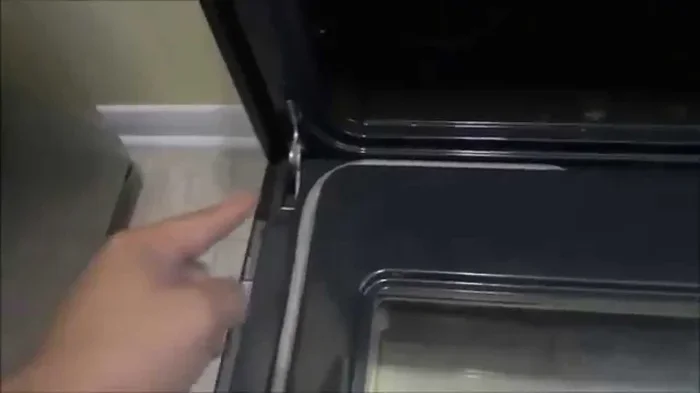
How To Remove Frigidaire Oven Door Without Any Damage
Knowing how to remove Frigidaire oven door properly saves you from costly repairs and frustrating damage. Whether you need deep cleaning, hinge replacement, or a full repair, this guide walks you through the oven door removal process safely. We cover every tool, every screw, and every hinge so you can do it like a pro.
Your Frigidaire oven door feels stuck, or maybe you just want a deep clean that you cannot do with the door in place. Whatever the reason, learning how to remove Frigidaire oven door safely is a skill every home cook should have. The good news? It is simpler than you think.
Removing an oven door might sound intimidating. You worry about breaking expensive hinges or cracking the glass. But with the right steps, you can pull it off without a scratch. This guide gives you a clear, step-by-step process. We cover safety, tools, hinge types, and reassembly too.
By the end, you will know exactly how to remove oven door components from your Frigidaire model. You will also learn how to put everything back in perfect oven door alignment. Let us get into it.
Key Takeaways
- Always disconnect power first: Safety is the number one priority before attempting any oven door removal on your Frigidaire appliance.
- Identify your hinge mechanism: Frigidaire ovens use different latch and hinge systems depending on the model, so knowing yours matters.
- Use the right tools: A basic set of screwdrivers and a Phillips head will handle most Frigidaire oven door removals without extra cost.
- Keep track of every screw: Organizing small parts prevents lost hardware and speeds up reassembly significantly.
- Realign carefully when reattaching: Proper oven door alignment ensures smooth closing and prevents heat leaks.
- Deep clean while the door is off: Removing the door opens up access for thorough oven maintenance and stubborn grease cleanup.
- Call a professional if unsure: Complex hinge or latch issues may need expert help to avoid permanent damage.
📑 Table of Contents
- Why You Might Need to Remove Your Frigidaire Oven Door
- Safety First: Preparing to Remove Your Oven Door
- Tools You Will Need for Frigidaire Oven Door Removal
- Step-by-Step Guide: How to Remove Frigidaire Oven Door
- Reattaching and Realigning Your Frigidaire Oven Door
- Comparison: Removing Frigidaire Oven Door Across Different Models
- Common Mistakes to Avoid During Oven Door Removal
- Quick Tips for Long-Term Oven Door Care
- Conclusion
Why You Might Need to Remove Your Frigidaire Oven Door
There are several real reasons homeowners need to take off their oven door. Understanding your reason helps you prepare properly.
Deep Cleaning and Grease Removal
Over time, grease and baked-on food build up around the door frame and hinges. A deep clean becomes nearly impossible with the door attached. Taking it off gives you full access to every corner. You can scrub the hinges, wipe the frame, and reach spots you normally miss.
Some people even clean their oven interior thoroughly this way. If you enjoy cooking heavy meals, you probably know the struggle. Think of all those roasted chicken drippings or the last time you baked a casserole that bubbled over. All that residue needs attention.
Hinge or Door Repair
Worn-out oven door hinges cause doors to sag, stick, or not close properly. A broken spring or a damaged latch means the door cannot function safely. Removing the door lets you inspect the hinge mechanism closely. You can replace parts without working around the oven body.
Sometimes the issue is a misaligned door latch. This small piece keeps the door locked during the self-clean cycle. If it breaks, your oven may not start cleaning. Removing the door helps you check and fix this quickly.
Replacing the Door Entirely
cracked glass, rusted frames, or outdated models sometimes call for a full replacement oven door. You need to remove the old door first. This is also common when upgrading your kitchen appliance setup. Having a new Frigidaire oven door ready means a smooth swap.
Safety First: Preparing to Remove Your Oven Door
Before touching a single screw, you need to set yourself up for success. Skipping safety steps leads to injuries or damage. Take this seriously.
Disconnect Power Completely
Unplug your oven from the wall outlet. Do not just turn it off. You want zero electrical current running through the appliance. If your oven is hardwired, flip the breaker and double-check it. This is the most important safety precaution.
Wait a minute or two after disconnecting. Some components hold residual charge. Let everything settle before you begin.
Let the Oven Cool Down
Never handle oven parts right after cooking. Residual heat causes burns. Give your oven at least an hour to cool completely. The door glass especially holds heat longer than the frame.
Gather Your Tools and Workspace
Clear a workspace nearby. Lay down a towel or cardboard to protect the floor and the door glass. Keep a small container ready for screws. Losing a tiny oven screw in the clutter is the last thing you want.
Quick Tips Before You Start
- Wear gloves to protect against sharp edges and residual grease.
- Use a flashlight to inspect dark hinge areas.
- Keep your phone camera handy to photograph each step.
- Have your model number ready in case you need to look up specifics.
- Work with a buddy if the door feels heavy and unwieldy.
Tools You Will Need for Frigidaire Oven Door Removal
You do not need a fancy toolbox. Most people already own these items. Here is what you need on hand.
- Phillips head screwdriver: For most oven door screws and hinge bolts.
- Flat head screwdriver: Useful for prying covers and latches gently.
- Adjustable wrench: Helps with larger bolts on some Frigidaire models.
- Flashlight: For inspecting hinges and hidden screws.
- Towels or a blanket: To wrap and support the door when lifting it off.
- Small container or magnetic tray: To hold screws and tiny hardware.
That is it. No specialty tools required. Frigidaire designs their ovens with home maintenance in mind. The oven door removal process is intentionally user-friendly.
Step-by-Step Guide: How to Remove Frigidaire Oven Door
This is the core section. Follow each step carefully. Do not rush. Different Frigidaire models share similar mechanics, but always check your owner manual first for model-specific details.
Step 1: Open the Door and Check the Latch
Start with your oven door fully open. Look for the door latch near the top of the door frame. Some models have a locking mechanism that keeps the door open at an angle. Release any locks before proceeding.
The door latch keeps the door secure during cooking and self-clean cycles. If yours is stuck, gently work it loose with a flat head screwdriver. Do not force anything. If the latch feels jammed, you may need to inspect it for debris or damage before going further.
Step 2: Locate the Hinge Screws
Look at the top corners of the oven door frame. You will find small screws holding each hinge mechanism in place. These are usually Phillips head screws. Some Frigidaire models hide these screws under small plastic caps. Pop the caps off gently with a flat head screwdriver.
There are typically two to four screws per hinge. That means four to eight screws total. Remove every one carefully. Place them in your container immediately.
Step 3: Remove the Hinge Pins (If Applicable)
Some Frigidaire models use removable hinge pins instead of screws. These pins slide out from the side of the hinge housing. Use your screwdriver or wrench to gently tap them free. Keep them safe. Losing a hinge pin makes reassembly very tricky.
Watch for springs near the hinge. Some models have small oven door springs that pull tension. Hold the door steady when you remove these. A spring snapping across the kitchen is no fun.
Step 4: Lift the Door Off the Hinges
With all screws and pins removed, it is time to lift the door. Grip the door firmly on both sides. Have your helper support the other side if the door feels heavy. Slowly lift the door upward and away from the hinge sockets.
Be careful. The door glass can be fragile even if it looks sturdy. Wrap it in a towel as you lift to prevent accidental contact with hard surfaces. Set it down gently on your protected workspace.
Step 5: Inspect and Clean
Now that the Frigidaire oven door is off, take a moment. Inspect the hinges for wear. Check the door frame for grease buildup. Look at the door latch for cracks. This is your chance to do a thorough oven maintenance check.
Wipe down everything. Clean the hinge housings. Remove any baked-on residue from the oven cavity top. You cannot reach these spots easily with the door attached. This deep access is one of the biggest benefits of removing the door.
Reattaching and Realigning Your Frigidaire Oven Door
Removal is only half the job. Reassembly requires just as much care. Getting the oven door alignment right ensures smooth operation and prevents heat leaks.
Step 1: Position the Door on the Hinges
Lift the door back onto the hinge sockets. Align the hinges with their corresponding holes. Make sure the door latch sits in its proper groove. This part needs to be precise. A slight misalignment causes the door to swing unevenly.
If your model uses hinge pins, slide them back in. If it uses screws, start threading them by hand first. This prevents cross-threading. Then tighten with your screwdriver.
Step 2: Reinstall All Screws and Hardware
Go through every screw and bolt you removed. Tighten them snugly but do not overtighten. Overtightening strips the threads and creates a wobbly door. Check each one. Make sure none are left loose.
Replace any plastic caps over the screw heads for a clean look. These small covers protect the screws from grease and moisture. They matter more than you think.
Step 3: Test the Door Operation
Before plugging your oven back in, test the door manually. Open and close it several times. It should move smoothly without sticking. Check that it closes flush with the oven frame. Look for any gaps that suggest misalignment.
Also test the latch. Does it lock securely? Does the door stay shut during a light shake? These checks catch problems early. Plug in the oven and run a short test cycle to confirm everything works.
Expert Insight: Common Reassembly Mistakes
Many people skip the manual and guess their way through reassembly. This often leads to a door that does not seal properly. Heat escapes from gaps, cooking results suffer, and energy bills rise. Always follow the manufacturer instructions. They exist for a reason.
Another common mistake is forgetting to reconnect the door spring. If your model uses one, the spring helps the door open smoothly and close gently. A missing spring means heavy, awkward door movement. It also puts stress on the hinges over time.
Comparison: Removing Frigidaire Oven Door Across Different Models
Frigidaire makes several oven lines, and the door removal process varies slightly. Here is a quick comparison of the most popular models.
- Frigidaire Gallery: Uses top-mounted hinge screws. Door lifts straight up after screws are removed. The door latch is a top-release type.
- Frigidaire F Series: Features side-mounted hinge pins. You pull pins out from the sides before lifting. Slightly more involved but very stable once done.
- Frigidaire Professional: Heavy-duty hinges with recessed screws. Requires an adjustable wrench for some bolts. Doors tend heavier, so always have a helper.
- Frigidaire Affinity: Similar to Gallery models. Simple screw-access hinges. Easy removal for beginners.
Regardless of your model, the core process stays the same. Disconnect power, remove fasteners, lift the door, clean or repair, and reattach. The differences lie in hinge placement and hardware type.
Once your oven door is back on and working perfectly, you can get back to what you enjoy most: cooking. Whether you are preparing something simple or going all out, your oven is ready. If you love experimenting with recipes that require a fully functional oven, you might enjoy learning how to cook stuffed rouladen in the oven for a delicious dinner. Or if you ever need to use your oven for other creative kitchen tasks, check out this guide on whether it is safe to put a pizza box in the oven. And for those who love high-heat cooking, you can even explore how to make a tandoori oven at home.
Common Mistakes to Avoid During Oven Door Removal
Even with a good guide, mistakes happen. Here are the ones people make most often. Avoid these and you stay on track.
- Forgetting to disconnect power: This is dangerous and should never be skipped. Electricity and wet hands do not mix, especially near grease.
- Using the wrong screwdriver: Stripped screws make removal much harder. Use the correct size and type every time.
- Pulling the door before removing all fasteners: Forcing a stuck door cracks hinges and glass. Always double-check every screw and pin.
- Lifting with one hand: Oven doors are heavy and awkward. Use both hands or get a helper. Protect the glass at all times.
- Not photographing steps: When reassembly time comes, you will thank yourself. Take photos as you go so you remember exactly how everything fits.
- Ignoring the owner manual: Every Frigidaire model has quirks. The manual addresses them. Spend ten minutes reading it before you start.
Quick Tips for Long-Term Oven Door Care
Once your door is back on and everything works beautifully, keep it that way. A little maintenance goes a long way.
- Wipe the door glass and frame after every use. Grease buildup weakens hinges over time.
- Lubricate hinge points every six months with a food-safe silicone spray. This keeps movement smooth.
- Check the door latch and seals regularly. Replace worn parts immediately to maintain efficiency.
- Never slam the oven door. Gentle closing protects the glass and hinge mechanism.
- Run a self-clean cycle periodically to reduce grease inside the cavity. Just make sure the door latch works before starting.
- Keep the area around the oven clear. Proper ventilation prevents heat damage to the door frame.
Conclusion
Learning how to remove Frigidaire oven door without damage is a practical, empowering skill. You save money on service calls. You gain deeper control over your kitchen appliance maintenance. And you get the satisfaction of doing it yourself.
Follow every step in this guide. Prioritize safety. Use the right tools. Take your time during both removal and reassembly. Your Frigidaire oven will function like new when you are done. Share this guide with a friend who might need it too. Now go clean that oven and cook something amazing.
Frequently Asked Questions
Can I remove a Frigidaire oven door by myself?
Yes, you absolutely can. Most Frigidaire ovens are designed for easy home maintenance. You just need basic tools and this guide. Always disconnect power first and work carefully to avoid any damage.
What should I do if the oven door latch is stuck?
Try gently working the latch with a flat head screwdriver. Do not force it. If it remains stuck, check for debris or grease buildup around the mechanism. Cleaning the latch area often resolves the issue. If damage is present, consider replacing the latch before attempting full door removal.
How do I know which hinge type my Frigidaire model uses?Check your owner manual or look at the hinge design yourself. Top-mounted screws indicate a screw-in hinge. Side pins mean a pin-release hinge. You can also search your model number online or contact Frigidaire support for confirmation.
Is it safe to use the oven with a slightly misaligned door?
No. A misaligned door allows heat to escape, which wastes energy and affects cooking results. It can also stress the hinges further and lead to bigger problems. Fix the alignment before using the oven regularly.
How often should I remove my oven door for cleaning?
Once or twice a year is usually sufficient for most households. If you cook frequently or heavy meals, consider doing it every six months. Regular wiping after use reduces the need for deep cleaning sessions.
What if I break a hinge during removal?
Stay calm. Stop immediately and assess the damage. If the hinge is cracked but not completely broken, you may still be able to reattach the door carefully. For broken hinges, order a replacement part from Frigidaire or a kitchen appliance supplier. Contact a professional technician if you are unsure about proceeding.