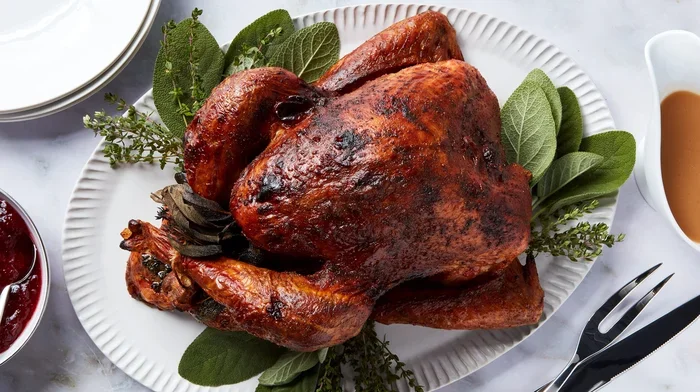
How To Roast A Turkey Overnight In The Oven Made Easy
Roasting a turkey overnight in the oven is an easy, hands-off method that produces juicy, flavorful results. By cooking the bird at a low temperature for 12 to 14 hours, you get perfectly cooked turkey meat with crispy skin and minimal effort. This guide covers everything from prep and seasoning to monitoring temperature and serving.
There is something magical about waking up on a holiday morning and walking into a kitchen that smells like roasted herbs, golden brown skin, and buttery goodness. That is exactly what happens when you roast a turkey overnight in the oven. Instead of spending your entire day hovering over a hot stove, you can set everything up the night before and let your oven do the heavy lifting while you sleep.
This overnight turkey roast method has been a favorite among home cooks for years, and for good reason. It works beautifully for Thanksgiving, Christmas, or any special gathering where a whole roasted bird is the star of the table. The low temperature slowly breaks down the proteins and fats, resulting in meat that is incredibly tender and juicy. The skin gets crispy without burning, and the flavors have time to develop deeply throughout the bird.
Whether you are a first-time turkey cook or a seasoned pro looking for a better method, this guide will walk you through every step. You will learn the best equipment to use, how to season your bird, what temperature to set your oven to, and how to tell when your turkey overnight in oven is perfectly done. By the end, you will feel confident and excited to try this approach yourself.
Key Takeaways
- Low and slow is the key: Cooking your turkey overnight at 200 to 250°F ensures juicy meat and crispy skin without drying it out.
- Prep the night before: Brining or dry-brining, seasoning, and bringing the turkey to room temperature before roasting all contribute to better flavor and texture.
- A meat thermometer is essential: You need to check the internal temperature in the thickest part of the thigh to ensure food safety and perfect doneness.
- Resting is non-negotiable: Letting the turkey rest for at least 30 to 45 minutes after roasting keeps the juices locked in and makes carving easier.
- Overnight roasting frees up your day: You can enjoy the holiday with your family instead of standing over a hot oven all day.
- Common mistakes are easy to avoid: Skipping the brine, cooking at too high a temperature, and forgetting to rest the bird are the top pitfalls to watch for.
📑 Table of Contents
- Why Roasting Turkey Overnight in the Oven Works So Well
- What You Will Need to Get Started
- Step-by-Step Overnight Turkey Roast
- Turkey Prep and Seasoning Tips
- Monitoring Temperature and Timing
- Resting and Serving Your Overnight Turkey
- Common Mistakes to Avoid When Roasting Turkey Overnight
- Expert Insights on Overnight Turkey Roasting
- Comparison: Overnight Roast vs. Traditional Roast
- Quick Tips for Perfect Overnight Turkey
Why Roasting Turkey Overnight in the Oven Works So Well
The Science Behind Low-and-Slow Cooking
When you roast turkey overnight, you are using a technique called low-and-slow cooking. This means keeping your oven at a low temperature, usually between 200 and 250 degrees Fahrenheit, for a long period of time. The heat gently penetrates the meat, cooking it evenly from edge to center.
At these lower temperatures, something special happens. The collagen in the turkey’s connective tissues breaks down slowly, turning into gelatin. This is what gives the meat that melt-in-your-mouth tenderness. The fat renders out gradually, basting the bird from the inside. And the skin dries out enough to become perfectly crispy without burning.
Compare this to a high-heat approach where you crank the oven to 425 or 450 degrees. At that temperature, the outside of the turkey can burn long before the inside reaches a safe eating temperature. The low-and-slow method eliminates this problem almost entirely. You get even cooking throughout, which is the dream for any oven-baked turkey lover.
Benefits of the Overnight Method
There are so many reasons why roasting a turkey overnight in the oven is a game-changer for home cooks. Here are the biggest benefits you will enjoy:
- Hands-off cooking: You set it up before bed and wake up to a nearly done turkey. No need to wake up early or rush around the kitchen.
- Even cooking: The low heat reaches the center of the bird gently, so there are no dry edges or raw spots.
- Deeper flavor: Long cooking times let seasonings penetrate deeply into the meat. Your herb butter turkey will taste amazing.
- Less stress: Holidays should be about enjoying time with family, not about panicking over a cooking bird.
- Juicy results: Because the turkey cooks slowly, it retains more moisture than faster cooking methods.
- Crispy skin: The extended cooking time dries out the skin just enough to make it beautifully golden and crunchy.
Who Should Try This Method
Honestly, just about anyone who cooks a whole turkey can benefit from the overnight method. It is perfect for beginners who want a foolproof approach. It is also great for experienced cooks who want to free up their time on the day of the meal. If you are hosting a big gathering and need to prepare side dishes, set the table, or spend time with guests, this method gives you that freedom.
It also works well for people who are cooking for a crowd. A large whole turkey can take a long time to roast, and the overnight method takes that pressure off. You can focus on other parts of the meal while the oven handles the main event.
What You Will Need to Get Started
Essential Equipment
Before you start your overnight turkey recipe, make sure you have the right tools on hand. You do not need anything fancy, but a few key items will make the process much smoother.
- A sturdy roasting pan: Choose a pan that is large enough to hold your turkey comfortably. A pan with a rack is ideal because it lifts the bird off the bottom and allows hot air to circulate evenly.
- A meat thermometer: This is the single most important tool for roasting turkey overnight. A digital probe thermometer lets you check the internal temperature without opening the oven door too often.
- Aluminum foil: You will use this to tent the turkey partway through cooking, which prevents the skin from burning while the inside finishes cooking.
- A basting brush or spoon: For brushing herb butter or pan juices over the turkey during the cook.
- A carving knife and cutting board: For serving your perfectly roasted bird.
Ingredients for a Flavorful Turkey
The beauty of roasting turkey overnight is that you can keep the seasoning simple or go all out. Here are the basics you will need:
- A fresh or thawed whole turkey: Make sure it is fully thawed before you start. A frozen turkey will not cook evenly.
- Butter or olive oil: For making herb butter or brushing over the skin.
- Fresh herbs: Rosemary, thyme, and sage are classic choices for turkey seasoning.
- Garlic and onion: Quartered garlic cloves and onion wedges placed inside the cavity add incredible flavor.
- Salt and pepper: The foundation of any great turkey seasoning.
- Chicken broth or water: Added to the bottom of the roasting pan to prevent drippings from burning.
Tools and Accessories
A few extra items can make your turkey prep even easier. Consider having a turkey injector if you want to add broth or marinade deep into the meat. A kitchen timer or phone alarm will remind you to check the temperature during the night. And having clean kitchen towels on hand makes cleanup much simpler.
Step-by-Step Overnight Turkey Roast
Step 1: Choose the Right Turkey
Start by selecting the right bird for your oven and your guest count. A general rule is about one pound of turkey per person. For most family gatherings, a 12 to 14 pound whole turkey works perfectly. Make sure your oven is large enough to accommodate the size of the bird with some room for air circulation.
If you are buying a frozen turkey, plan ahead to thaw it properly. The safest method is to place it in the refrigerator for several days before cooking. A general guideline is 24 hours of thawing for every 4 to 5 pounds of turkey. Never try to roast a frozen turkey overnight because it will not cook evenly and could become a food safety risk.
Step 2: Prep and Season the Bird
Once your turkey is thawed, it is time to prep and season it. This is the most important step for flavor, so do not rush through it.
- Remove the giblets and neck: Check the cavity and remove any packaging or parts inside the bird.
- Pat it dry: Use paper towels to thoroughly dry the outside and inside of the turkey. Dry skin crisps up much better than wet skin.
- Make herb butter: Mix softened butter with chopped fresh herbs, minced garlic, salt, and pepper. This herb butter turkey mixture will go a long way in adding flavor.
- Season the cavity: Stuff the inside of the turkey with herb butter, quartered onions, garlic cloves, and fresh herbs.
- Rub the outside: Spread the remaining herb butter all over the outside of the bird. Sprinkle with additional salt and pepper.
Step 3: Set Your Oven Temperature
Preheat your oven to 225 degrees Fahrenheit. This low temperature is the sweet spot for an overnight roast. It is hot enough to cook the turkey safely but low enough to keep it moist and tender.
Place the seasoned turkey breast-side up on a rack inside your roasting pan. Add about one cup of chicken broth or water to the bottom of the pan. This creates steam and prevents the drippings from burning during the long cook.
Set the turkey in the oven on the middle rack. Close the door and resist the urge to open it too often. Every time you open the oven door, you lose heat and can affect the cooking time.
Step 4: Monitor the Cook Overnight
Here is where the magic happens. Your turkey will cook for roughly 12 to 14 hours at 225 degrees Fahrenheit. The exact time depends on the size of your bird. A 12-pound turkey might take about 12 hours, while a 16-pound bird could take closer to 14 or 15 hours.
About halfway through the cook, usually around 6 to 7 hours in, you should check on the turkey. Use a digital meat thermometer to check the internal temperature in the thickest part of the thigh, being careful not to touch the bone. At this point, the temperature should be around 100 to 110 degrees Fahrenheit.
If the skin is browning too quickly, you can loosely tent the turkey with aluminum foil. This will slow down the browning without stopping the cooking process. You can also baste the turkey with pan juices at this point for extra moisture and flavor.
Step 5: Rest and Serve
When the internal temperature of the thickest part of the thigh reaches 165 degrees Fahrenheit, your turkey overnight in oven is done. Pull it out of the oven and transfer it to a cutting board. Cover it loosely with foil and let it rest for at least 30 to 45 minutes.
Resting is one of the most important steps that people skip. During rest, the juices inside the meat redistribute and settle. If you cut into the turkey right away, those juices will run out onto the cutting board instead of staying in the meat. The result is dry, less flavorful turkey. So be patient and let it rest.
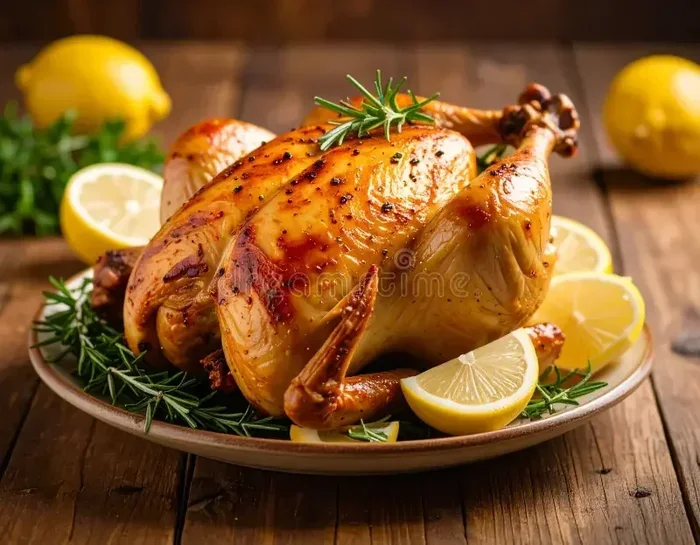
After resting, carve your turkey and serve it alongside your favorite side dishes. The skin should be beautifully golden and crispy, and the meat should be incredibly juicy and tender.
Turkey Prep and Seasoning Tips
Brining vs. Dry Brining
Brining is one of the best ways to ensure your oven-baked turkey comes out moist and flavorful. There are two main approaches: wet brining and dry brining.
Wet brining involves soaking the turkey in a saltwater solution for 12 to 24 hours before cooking. This infuses the meat with moisture and seasoning throughout. To make a wet brine, dissolve one cup of kosher salt and half a cup of brown sugar in a large pot of water. Add herbs, garlic, and peppercorns for extra flavor. Submerge the turkey in the brine and refrigerate overnight.
Dry brining is simpler and requires less space. Simply rub the turkey generously with kosher salt and place it uncovered in the refrigerator overnight. The salt draws moisture out of the meat, which then gets reabsorbed along with the seasoning. This method produces incredibly flavorful meat with crispy skin.
For an overnight turkey roast, dry brining is often the easier choice because it does not require a large container of brine. Plus, the uncovered refrigeration helps dry the skin, which leads to crispier results in the oven.
Herb Butter and Seasoning Combinations
The seasoning you use on your turkey overnight in oven makes a huge difference in the final flavor. Here are some tried-and-true combinations:
- Classic herb: Rosemary, thyme, sage, garlic, and butter. This is the timeless combination that never disappoints.
- Citrus herb: Add lemon zest, orange zest, and fresh thyme to your herb butter for a bright, refreshing flavor.
- Smoky and savory: Mix smoked paprika, garlic powder, onion powder, and brown sugar into your butter for a deeper, richer flavor profile.
- Asian-inspired: Use five-spice powder, soy sauce, ginger, and garlic for a unique twist on traditional turkey.
Stuffing Considerations
Some people like to stuff their turkey before roasting. If you choose to do this, make sure the stuffing reaches a safe internal temperature of 165 degrees Fahrenheit. Stuffing inside the cavity can also increase cooking time, so factor that into your overnight plan. An alternative is to cook the stuffing separately in a casserole dish, which is safer and often more evenly cooked.
Monitoring Temperature and Timing
Using a Meat Thermometer
A meat thermometer is absolutely essential when you roast a turkey overnight in the oven. Without one, you are guessing, and guessing with a large bird can lead to dry meat or undercooked sections.
Insert the thermometer probe into the thickest part of the thigh, making sure it does not touch the bone. The bone conducts heat differently than the meat and can give you a false reading. Check the temperature at least once during the overnight cook, ideally around the halfway mark.
If you are using a probe thermometer with a remote display, you can monitor the temperature from your bedroom without even going into the kitchen. This is a game-changer for peace of mind during an overnight roast.
Internal Temperature Targets
Here are the key temperature milestones to watch for when roasting turkey overnight:
- 165 degrees Fahrenheit: This is the safe internal temperature for turkey according to food safety guidelines. The thickest part of the thigh should read at least 165 degrees.
- 170 to 175 degrees Fahrenheit: Many cooks prefer to pull the turkey at this range because the carry-over cooking will bring it up to a perfect 175 to 180 degrees while it rests.
- 180 degrees Fahrenheit: This is the ideal final temperature for very tender, fall-off-the-bone turkey meat. The breast meat will be juicy and the thighs will be perfectly cooked.
Common Timing Mistakes
Even with the overnight method, there are a few timing mistakes to watch out for. One common error is starting too late. If your guests are arriving at 5 PM and you want the turkey to rest for 45 minutes before serving, you need to pull it out of the oven around 3:30 PM. That means putting it in the oven the night before, around 3 or 4 PM.
Another mistake is not accounting for the size of the turkey. A smaller bird will cook faster than a larger one. Adjust your timing accordingly, and always rely on the thermometer rather than the clock.
Resting and Serving Your Overnight Turkey
Why Resting Matters
Resting your turkey overnight in oven is not just a suggestion, it is a must. When the turkey comes out of the oven, the juices inside are under high pressure. Cutting into it immediately releases those juices onto the cutting board, leaving you with drier meat. By letting the turkey rest for 30 to 45 minutes, the juices relax and redistribute throughout the meat.
During resting, the internal temperature will continue to rise by about 5 to 10 degrees Fahrenheit. This carry-over cooking brings the turkey up to the perfect final temperature without any additional heat. So if you pull the turkey out at 165 degrees, it will reach around 175 degrees by the time you are ready to carve.
Carving Tips
Carving a rested turkey is much easier than carving a hot one. The meat has firmed up slightly, which means it holds together better when you slice it. Here are a few quick tips:
- Start by removing the legs and thighs by cutting through the joint connecting them to the body.
- Separate the drumstick from the thigh by cutting at the joint.
- Slice the breast meat against the grain for the most tender slices.
- Use a sharp carving knife and a sturdy cutting board with a groove to catch the juices.
Storing Leftovers
If you have leftovers, store them properly to enjoy them for days. Carve the turkey off the bone and store it in airtight containers in the refrigerator. Cooked turkey keeps well for up to 4 days. You can also freeze it for up to 3 months. Leftover turkey makes incredible sandwiches, soups, casseroles, and tacos the next day.
Common Mistakes to Avoid When Roasting Turkey Overnight
Even with the best recipe, mistakes can happen. Here are the most common errors people make when roasting a turkey overnight in the oven and how to avoid them:
- Not thawing the turkey properly: A frozen or partially frozen turkey will not cook evenly. Always make sure your bird is completely thawed before seasoning and roasting.
- Skipping the brine: While you can roast a turkey without brining, brining adds moisture and flavor that makes a noticeable difference. At minimum, do a dry brine.
- Setting the oven too hot: The whole point of the overnight method is low and slow. If you set the oven above 275 degrees, you risk drying out the meat and burning the skin.
- Opening the oven door too often: Every time you open the door, the temperature drops and the cooking time increases. Trust the process and check as few times as possible.
- Forgetting to rest the turkey: Cutting into the turkey immediately after pulling it from the oven is the fastest way to end up with dry meat. Be patient and let it rest.
- Not using a meat thermometer: Guessing doneness leads to either undercooked or overcooked turkey. A thermometer removes all the guesswork.
Expert Insights on Overnight Turkey Roasting
Professional chefs and experienced home cooks agree that the overnight turkey roast is one of the best methods for achieving consistently excellent results. Chef Michael Smith once said that low-and-slow roasting is the secret to restaurant-quality turkey at home. The long cook time allows the flavors to develop naturally and the proteins to relax, which is exactly what you want in a perfectly cooked bird.
Food safety experts also recommend this method when done correctly. The USDA confirms that cooking a turkey at 325 degrees or higher is safe, and cooking at 225 degrees for a longer time is perfectly fine as long as the internal temperature reaches 165 degrees in the thickest part of the meat.
Many professional cooks also recommend placing a layer of bacon or pancetta over the breast meat during the last few hours of cooking. This adds extra fat and flavor to the breast, which is the part of the turkey that is most likely to dry out during a long cook. It is a simple trick that makes a big difference.
Comparison: Overnight Roast vs. Traditional Roast
| Feature | Overnight Low-Temp Roast | Traditional High-Heat Roast |
|---|---|---|
| Oven Temperature | 200-250°F | 325-450°F |
| Cooking Time | 12-16 hours | 3-5 hours |
| Hands-On Time | Very low (prep only) | Moderate (basting, monitoring) |
| Moisture Retention | Excellent | Good, with risk of dryness |
| Skin Crispiness | Very crispy | Good, but can be uneven |
| Flavor Development | Deep, complex | Good, but less depth |
| Best For | Stress-free holidays, beginners | Quick weeknight meals |
Quick Tips for Perfect Overnight Turkey
- Dry the skin thoroughly before seasoning. This is the single biggest factor in getting crispy skin.
- Use a probe thermometer with a remote display so you can monitor the cook from bed.
- Place the turkey breast-side up on a rack for even air circulation.
- Add broth or water to the pan to keep drippings from burning and to create steam.
- Tent with foil if the skin is browning too fast, usually in the last 3 to 4 hours of cooking.
- Let the turkey rest for at least 30 minutes before carving.
- Save the pan drippings for making gravy. They are packed with flavor after a long overnight roast.
Frequently Asked Questions
Can I roast a turkey overnight at 250 degrees Fahrenheit?
Yes, 250 degrees Fahrenheit is a great temperature for an overnight turkey roast. It is low enough to keep the meat moist and tender while still cooking the bird safely. Just make sure the internal temperature of the thickest part of the thigh reaches at least 165 degrees Fahrenheit before serving.
How long does it take to roast a turkey overnight in the oven?
A general rule is about 30 minutes per pound at 225 to 250 degrees Fahrenheit. So a 12-pound turkey will take roughly 6 hours, while a 16-pound bird could take 8 or more hours. However, many cooks start the turkey in the late afternoon and let it roast overnight for 12 to 14 hours, which works well for larger birds.
Is it safe to leave the oven on overnight?
Yes, it is generally safe to leave your oven on overnight for cooking. Modern ovens are designed to run for extended periods. However, make sure your oven is in good working condition, keep flammable items away from the stove, and never leave the oven unattended if you have any concerns. Using a probe thermometer with a remote alert adds an extra layer of safety.
Should I cover my turkey with foil during the overnight roast?
You do not need to cover the turkey for the entire cook. Leave it uncovered for the first portion of the roasting time to allow the skin to dry out and become crispy. If you notice the skin is browning too quickly in the last few hours, you can loosely tent it with aluminum foil to prevent burning while the inside finishes cooking.
Can I use a frozen turkey for an overnight roast?
No, you should never roast a frozen turkey. It must be completely thawed first to ensure even cooking and food safety. Thaw your turkey in the refrigerator for 24 hours for every 4 to 5 pounds of weight, or use the cold water method if you are short on time.
What is the best way to reheat leftover overnight-roasted turkey?
The best way to reheat leftover turkey is to wrap slices in aluminum foil and warm them in the oven at 325 degrees Fahrenheit for about 20 to 30 minutes. This keeps the meat moist and prevents it from drying out. You can also reheat individual slices in the microwave, but the oven method produces better results in terms of texture and flavor.
=== CONCLUSION ===
Roasting a turkey overnight in the oven is one of the simplest and most rewarding cooking techniques you can master. It takes the stress out of holiday cooking, frees up your time, and delivers consistently juicy, flavorful results that will impress everyone at the table. With a little prep the night before, a low oven temperature, and a reliable meat thermometer, you can wake up to a perfectly roasted bird that is ready to rest, carve, and enjoy.
The key to success lies in the details: dry the skin well, season generously, keep the oven temperature low, and never skip the resting step. Follow these guidelines and your overnight turkey roast will be the highlight of your next gathering. So go ahead, give it a try, and discover just how easy and rewarding it can be to roast turkey overnight in your own kitchen.