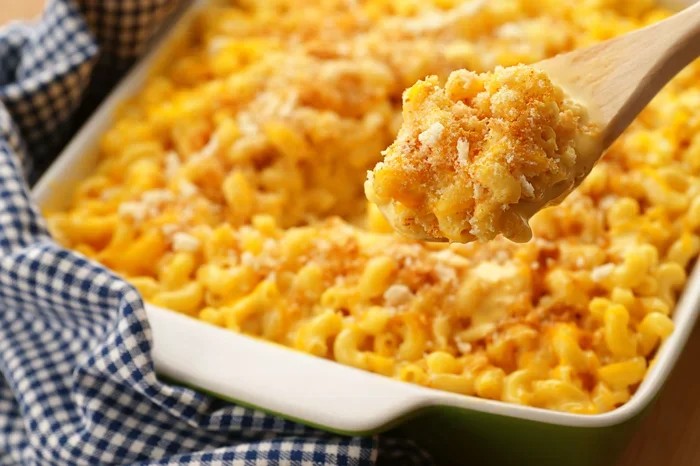
How To Warm Mac And Cheese In Oven The Perfect Way
How To Warm Mac And Cheese In Oven is an essential topic that provides valuable insights.
Key Takeaways
- Understanding How To Warm Mac And Cheese In Oven: Provides essential knowledge
📑 Table of Contents
- Why Oven Reheating Is The Best Method For Mac And Cheese
- Step-by-Step Guide To Warming Mac And Cheese In Oven
- Best Oven Temperature And Time Settings For Different Types Of Mac And Cheese
- How To Keep Your Mac And Cheese Creamy After Reheating
- Common Mistakes When Reheating Mac And Cheese In The Oven
- Quick Tips For The Best Oven-warmed Mac And Cheese
- Key Takeaways
- Conclusion
Why Oven Reheating Is The Best Method For Mac And Cheese
When it comes to reheating mac and cheese, the oven is hands down the best method. Here is why so many food experts and home cooks prefer it over other options.
The oven uses dry heat that surrounds your dish evenly. This means every part of your mac and cheese warms up at the same rate. There are no cold spots in the middle or overheated edges. The gentle heat also gives the top layer time to develop a beautiful golden-brown crust. That crispy texture is something you simply cannot get from a microwave.
Another big reason is moisture control. Microwaves tend to strip moisture away from cheese sauces, leaving them thick and rubbery. The oven, especially when covered with foil, traps steam and keeps your creamy mac and cheese moist throughout. The cheese sauce stays smooth, the pasta stays tender, and the butter in the dish melts evenly.
Let us compare the two most popular reheating methods side by side:
| Factor | Oven | Microwave |
|---|---|---|
| Heat Distribution | Even and gentle | Uneven, hot spots |
| Texture | Crispy top, creamy inside | Often dry or rubbery |
| Moisture Retention | Excellent with foil cover | Tends to dry out |
| Time | 15 to 25 minutes | 2 to 5 minutes |
| Crust Quality | Golden and crispy | No crust |
| Best For | Baked mac and cheese, casserole | Quick single servings |
As you can see, the oven wins in almost every category that matters for texture and flavor. Yes, it takes longer than a microwave. But the results are worth the extra time, especially when you are working with a rich baked mac and cheese or a mac and cheese casserole.
Quick Tip: Always Preheat Your Oven
Never place your mac and cheese in a cold oven. Preheating ensures the dish starts warming immediately. This prevents the cheese sauce from separating and keeps the pasta from drying out during the warming process.
Step-by-Step Guide To Warming Mac And Cheese In Oven
Now let us get into the nitty-gritty. Follow these simple steps to reheat your mac and cheese perfectly every time.
Step 1: Choose The Right Oven-Safe Dish
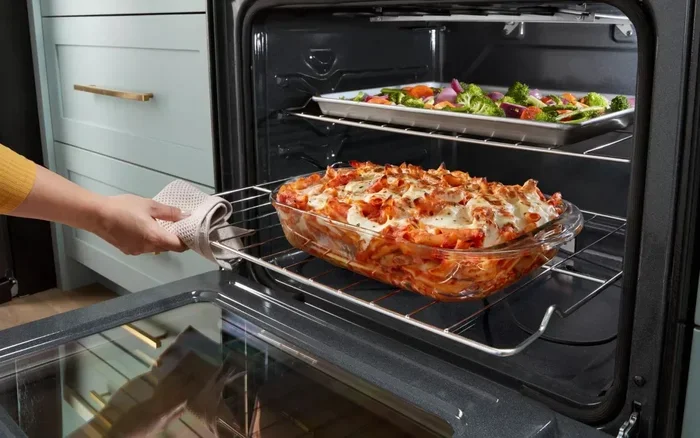
Start by picking an oven-safe dish that fits your portion size. Glass baking dishes, ceramic casseroles, and metal pans all work great. Avoid plastic containers, which can melt in the oven. If your leftover mac and cheese is in a disposable aluminum tray, you can reheat it right in that tray. Just make sure it is sturdy enough to hold up to the heat.
Choose a dish that is not too deep. A wide, shallow dish allows heat to reach the top layer more easily. This helps create that crispy golden crust we all love. If your mac and cheese is very deep in a tall dish, consider spreading it out a bit before reheating.
Step 2: Preheat The Oven To 350 Degrees Fahrenheit
Set your oven to 350 degrees Fahrenheit. This is the sweet spot for warming mac and cheese. It is hot enough to warm the dish through in a reasonable time, but not so hot that it burns the cheese topping or dries out the sauce. Let the oven reach the full temperature before you put the dish inside.
Some people ask if they can use a higher temperature to save time. You can, but 350 degrees is the safest and most reliable option. Higher temperatures increase the risk of a burnt top while the inside stays cold. Patience pays off here.
Step 3: Add A Little Moisture
Before placing the dish in the oven, add a small amount of moisture to protect the cheese sauce from drying out. You can drizzle a thin layer of milk or cream over the top. Another great option is to add a small pat of butter. This adds richness and helps keep the cheese sauce reheating smooth and creamy.
If your mac and cheese has a breadcrumb topping, you can skip this step. The breadcrumbs will crisp up nicely on their own. But for dishes with a smooth cheese top, a little moisture makes a big difference.
Step 4: Cover With Aluminum Foil
Tent a sheet of aluminum foil over the dish. Do not press the foil tightly against the surface. Create a little tent so air can still circulate. The foil traps steam inside, which keeps the mac and cheese moist. It also prevents the top from over-browning before the inside is fully warm.
If you want a crispy top, you can remove the foil for the last 5 to 7 minutes of baking. This lets the top brown and develop that beautiful crust. Just keep a close eye on it during this time so it does not burn.
Step 5: Heat For 15 To 20 Minutes
Place the covered dish on the center rack of your oven. Heat for about 15 to 20 minutes. The exact time depends on the size of your dish and how cold the mac and cheese was to start with. A single serving will warm up faster than a large family-sized casserole.
After 15 minutes, check the dish. The mac and cheese should be hot all the way through. You can test this by inserting a knife into the center. If it feels warm, you are good to go. If it still feels cool, add a few more minutes.
Step 6: Remove The Foil And Broil Briefly (Optional)
For an extra crispy top, remove the foil and switch your oven to broil. Place the dish back in the oven for 2 to 3 minutes. Watch it carefully. The broiler is very powerful and can burn the cheese quickly. You just want a light golden-brown color and some nice bubbling.
Once it looks perfect, take the dish out and let it rest for a couple of minutes. This allows the cheese sauce to settle and makes it easier to serve. The cheese pull will be even more satisfying after a proper oven warm-up.
Best Oven Temperature And Time Settings For Different Types Of Mac And Cheese
Not all mac and cheese is the same. The type of dish you are reheating affects the ideal temperature and time. Here is a breakdown of the best settings for different varieties.
Baked Mac And Cheese With A Crust
If your mac and cheese has a breadcrumb or cracker crust, set the oven to 350 degrees Fahrenheit and heat for 15 to 20 minutes covered with foil. Remove the foil for the last 5 minutes to crisp up the crust. The breadcrumb topping will turn golden and crunchy, adding a wonderful contrast to the creamy pasta underneath.
Creamy Stovetop-Style Mac And Cheese
This type has a softer, sauce-based top without breadcrumbs. Set the oven to 325 degrees Fahrenheit and warm for 12 to 15 minutes covered. The lower temperature prevents the delicate sauce from breaking or separating. Adding a splash of milk before reheating helps maintain the smooth texture.
Elbow Macaroni Casserole With Vegetables
If your mac and cheese includes vegetables like broccoli or peas, use 350 degrees Fahrenheit for 18 to 22 minutes covered. The extra moisture from the vegetables means you do not need to add any additional liquid. The vegetables will warm through without turning mushy.
Single-Serving Mac And Cheese
For a single portion, preheat to 350 degrees Fahrenheit and warm for 8 to 12 minutes. A smaller dish heats faster, so start checking at the 8-minute mark. You can also use a small oven-safe ramekin for individual servings. This is perfect for a quick weeknight dinner.
How To Keep Your Mac And Cheese Creamy After Reheating
The biggest challenge with reheating mac and cheese is keeping it creamy. Nobody wants a dry, clumpy cheese sauce. Here are some proven techniques to maintain that smooth, rich texture.
Add Milk Or Cream Before Heating
Before covering your dish with foil, drizzle about one to two tablespoons of whole milk or heavy cream over the top. This extra liquid steams under the foil and keeps the cheese sauce from drying out. It also replenishes some of the moisture lost during the first baking and storage.
Use Butter To Add Richness
A small pat of butter on top before reheating works wonders. The butter melts into the cheese sauce and adds a silky richness. It also helps the top layer stay soft instead of turning hard and crusty. This is especially helpful for leftover mac and cheese that has been in the refrigerator overnight.
Do Not Overheat
More time does not mean better results. Overheating your mac and cheese in the oven will dry it out and cause the cheese sauce to separate. Stick to the recommended times and check the dish early. It is always better to add a few extra minutes than to overcook it.
Store Mac And Cheese Properly Before Reheating
How you store the mac and cheese before reheating matters a lot. Place leftovers in an airtight container within two hours of cooking. Store in the refrigerator for up to 3 to 4 days. If you are storing for longer, wrap the dish tightly with plastic wrap and then aluminum foil. Proper storage preserves the moisture and flavor so your oven-warmed mac and cheese tastes fresh.
Stir The Middle Before Serving
After removing the dish from the oven, give the middle layer a gentle stir. The top may be hot while the center is slightly cooler. Stirring redistributes the heat and mixes the creamy sauce back together. This simple step makes a noticeable difference in every bite.
Expert Insight: According to culinary professionals, the key to creamy reheated mac and cheese is moisture control. The foil cover traps steam, while a small addition of liquid before heating replenishes what was lost during storage. The combination of these two techniques produces results that are nearly indistinguishable from freshly baked mac and cheese.
Common Mistakes When Reheating Mac And Cheese In The Oven
Even with the best intentions, it is easy to make mistakes when reheating mac and cheese. Here are the most common errors and how to avoid them.
Using Too High A Temperature
Some people crank the oven up to 400 or even 425 degrees, thinking it will warm the dish faster. The problem is that high heat dries out the cheese sauce before the inside has a chance to warm through. Always stick to 325 to 350 degrees Fahrenheit for the best results.
Skipping The Foil Cover
Reheating without foil lets all the steam escape. This leads to a dry, hardened top and uneven warming. Always cover your dish with aluminum foil for at least the first half of the heating time. You can always remove it at the end for a crispy finish.
Reheating From Frozen Without Adjusting Time
If your mac and cheese is frozen, do not use the same timing as refrigerated leftovers. Frozen dishes need more time to heat through. You can thaw the mac and cheese in the refrigerator overnight first, or add 5 to 10 minutes to your oven time if reheating directly from frozen.
Using The Wrong Dish Size
Piling too much mac and cheese into a small dish creates a deep center that stays cold while the edges overheat. Use a wide, shallow dish for even warming. If you only have a deep dish, spread the mac and cheese out more to reduce the depth.
Forgetting To Check The Temperature
Just setting a timer and walking away is a recipe for disappointment. Always check the dish before the timer goes off. Use a food thermometer if you want to be precise. The internal temperature should reach at least 165 degrees Fahrenheit for food safety.
Quick Tips For The Best Oven-warmed Mac And Cheese
Here are some quick, easy tips that will elevate your reheated mac and cheese from good to great:
- Add a sprinkle of fresh breadcrumbs before reheating for extra crunch.
- Place a small oven-safe dish of water on the rack below your mac and cheese to add humidity to the oven.
- Use a food thermometer to check that the center reaches 165 degrees Fahrenheit.
- Let the dish rest for 3 minutes after removing it from the oven. This allows the sauce to set slightly.
- Grate fresh cheese on top before reheating for an extra layer of creaminess and browning.
- Never reheat mac and cheese more than once. Repeated heating degrades the texture and increases food safety risks.
- Use a light hand with salt after reheating, as the cheese sauce may already be seasoned enough.
Key Takeaways
- Oven reheating is superior: The oven warms mac and cheese evenly, preserves the creamy sauce, and creates a crispy top that microwaves cannot match.
- 350 degrees Fahrenheit is the sweet spot: This temperature heats the dish thoroughly without drying it out or burning the cheese topping.
- Always cover with foil: Trapping steam keeps the mac and cheese moist and prevents the cheese sauce from separating.
- Add moisture before reheating: A drizzle of milk or a pat of butter replenishes lost moisture and keeps the dish creamy.
- Avoid common mistakes: Do not use too high a temperature, skip the foil, or overheat your dish.
- Store properly before reheating: Airtight containers and proper refrigeration preserve the texture and flavor of leftover mac and cheese.
- Check for doneness: Always verify the center is hot before serving, and let the dish rest briefly for the best results.
Conclusion
Warming mac and cheese in oven is simple once you know the right technique. By preheating to 350 degrees Fahrenheit, covering with foil, and adding a little moisture, you can transform cold leftover mac and cheese into a dish that tastes almost as good as the first time around. The oven gives you even heat, a creamy interior, and a beautiful crispy top. It is the best way to reheat any type of mac and cheese, whether it is a baked casserole, a creamy stovetop-style dish, or a single-serving portion.
Avoid the common mistakes we covered, follow the step-by-step guide, and use the quick tips to get the best results every time. With a little patience and the right approach, your reheated mac and cheese will be a hit with the whole family. So next time you have leftovers, skip the microwave and let the oven do the work. Your taste buds will thank you.
Now that you know how to warm mac and cheese in oven the perfect way, you can enjoy this beloved comfort food any time of day. Whether it is a cozy dinner, a lunch reheated at work, or a crowd-pleasing side dish for a gathering, perfectly warmed mac and cheese always delivers. Get in the kitchen, preheat that oven, and bring your leftover mac and cheese back to life.
Frequently Asked Questions
Can I warm mac and cheese in the oven without foil?
Yes, you can, but the results will not be as creamy. Without foil, the steam escapes and the top dries out faster. If you skip the foil, add a little extra milk or cream before heating and keep a close eye on the dish to prevent it from drying out. The foil method is strongly recommended for the best texture.
How long does it take to warm mac and cheese in the oven?
It typically takes 15 to 25 minutes at 350 degrees Fahrenheit. Single servings warm up in about 8 to 12 minutes, while larger casseroles may need the full 20 to 25 minutes. Always check the center of the dish to make sure it is hot all the way through before serving.
Can I reheat baked mac and cheese more than once?
It is not recommended to reheat mac and cheese more than once. Each reheating cycle breaks down the cheese sauce further and increases the risk of bacterial growth. Only reheat the portion you plan to eat immediately. Store the rest in the refrigerator and enjoy it fresh the next day.
What is the best oven-safe dish for reheating mac and cheese?
Glass baking dishes, ceramic casseroles, and metal pans all work well. Glass and ceramic are especially good because they heat evenly and retain warmth well. Avoid plastic containers, which can melt, and very thin disposable trays, which may warp in the oven.
Should I add extra cheese before reheating mac and cheese in the oven?
Yes, adding a little fresh cheese on top before reheating can improve the texture and flavor. Shredded cheddar or mozzarella melts beautifully and adds extra creaminess. This is a great trick if your leftover mac and cheese has lost some of its richness during storage.
Can I warm mac and cheese in the oven if it was frozen?
Yes, you can. If the mac and cheese is frozen, increase the reheating time by 5 to 10 minutes. It is best to thaw it in the refrigerator overnight first for more even heating. If reheating from frozen directly, cover tightly with foil and check the center with a thermometer to make sure it reaches 165 degrees Fahrenheit.