Is Snapware Oven Safe Here Is Everything You Need to Know
Is Snapware oven safe? The short answer is that it depends on the specific product and its materials. Snapware containers are designed primarily for food storage, and while some lines can handle moderate oven heat, others are not meant for oven use at all. This guide breaks down everything you need to know about Snapware oven safety, including temperature limits, which products are safe, and common mistakes to avoid.
Have you ever pulled out your favorite Snapware container, ready to reheat last night’s dinner, and wondered whether it can go in the oven? You are not alone. Many people use Snapware for food storage every single day, but the question of oven safety comes up more often than you might think.
The truth is that not all Snapware products are created equal. Some are built to handle the heat of a warm oven, while others are strictly for storing leftovers in the fridge or freezer. Understanding the difference matters for your safety and for getting the most out of your kitchen gear.
In this guide, we are going to cover everything you need to know about is Snapware oven safe. We will look at the different types of Snapware, how to read the labels, what temperature limits mean, and the mistakes that can ruin your containers or even cause harm in the kitchen. By the end, you will feel confident about what goes in your oven and what stays on the counter.
Snapware is a brand known for its kitchen storage solutions. The company makes a wide range of products, from plastic containers with snap-on lids to glass dishes with locking lids. These containers are popular for meal prep, storing leftovers, and organizing the fridge. They come in all shapes and sizes, making them a go-to choice for many households.
But here is the thing. The word “Snapware” refers to a whole line of products, not just one type of material. Some Snapware containers are made of plastic. Some are made of glass. And some have plastic lids while others have glass lids. This variety is great for storage, but it makes the oven safety question a bit more complicated.
When people ask, is Snapware oven safe, they are usually referring to the glass Snapware dishes or bowls. These are the ones that look like traditional casserole dishes but with the convenience of a snap-on lid. The glass versions are often what people want to use for baking or reheating in the oven.
Key Takeaways
- Not all Snapware is oven safe: Only specific Snapware lines made from tempered glass can handle oven heat. Plastic and snap-on lids are never oven safe.
- Check the bottom of the container: Look for oven-safe symbols and temperature ratings stamped on the base of every Snapware product.
- Remove plastic lids before baking: Snapware glass lids can sometimes be oven safe, but plastic lids will melt and release harmful chemicals.
- Avoid thermal shock: Never place cold Snapware directly into a hot oven or on a hot surface. Let it come to room temperature first.
- Snapware is great for meal prep: Many Snapware glass containers are perfect for storing baked meals and reheating leftovers in the oven.
- Know the temperature limit: Most oven-safe Snapware products can handle up to 350°F to 400°F, but always verify with the manufacturer guidelines.
- When in doubt, don’t risk it: If you cannot find clear oven-safe markings, treat the container as not oven safe and use a proper casserole dish instead.
📑 Table of Contents
- What Is Snapware Made Of?
- Is Snapware Oven Safe? The Short Answer
- How to Tell If Your Snapware Is Oven Safe
- Common Mistakes People Make with Snapware and Heat
- Snapware vs Other Oven-Safe Containers
- Best Practices for Using Snapware in the Oven
- Expert Insights on Snapware and Oven Safety
- Key Takeaways
- Conclusion
What Is Snapware Made Of?
To understand oven safety, you first need to know what your Snapware is made of. The material determines everything when it comes to heat resistance.
Glass Snapware
Glass Snapware containers are typically made from tempered glass. Tempered glass is stronger than regular glass and can handle higher temperatures. This is the type of Snapware that is most likely to be oven safe. Tempered glass is designed to distribute heat evenly, which makes it great for baking and reheating food.
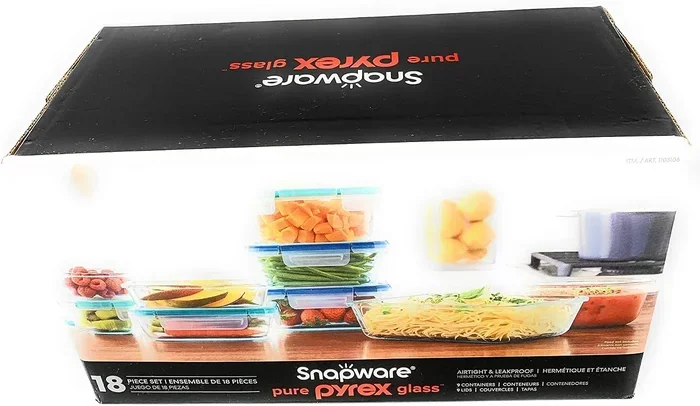
Some Snapware glass products are similar to Pyrex dishes in terms of material and function. They are sturdy, transparent, and built to last. But even among glass Snapware products, there are differences. Not every glass container from this brand is rated for oven use.
Plastic Snapware
Plastic Snapware containers are designed for cold storage. They are perfect for packing lunches, storing snacks, or keeping leftovers fresh in the refrigerator. These containers are not oven safe. Plastic will melt, warp, and potentially release harmful chemicals when exposed to high heat.
Even if the plastic looks thick or sturdy, it is not meant for oven use. Always keep plastic Snapware containers away from the stove, the oven, and the microwave unless the product is specifically labeled as microwave safe.
Snap-On Lids
The lids on Snapware containers are usually made of plastic or sometimes glass. Plastic lids should never go in the oven. Glass lids may be oven safe in some cases, but it depends on the specific product. Always check the manufacturer’s guidelines before putting any lid in the oven.
Is Snapware Oven Safe? The Short Answer
So, is Snapware oven safe? The answer is: it depends. Some Snapware products are oven safe, and some are not. The key is knowing which ones fall into which category.
Generally, the glass Snapware baking dishes and casserole-style containers are oven safe up to a certain temperature. Most oven-safe Snapware products can handle temperatures between 350°F and 400°F. However, this is not a blanket rule for every Snapware product ever made.
If you are using a Snapware container to reheat food in the oven, you want to make sure it is rated for that purpose. Using a container that is not oven safe can lead to cracking, shattering, or even a fire hazard in the kitchen. Nobody wants that.
The safest approach is to always look for the oven-safe symbol on the bottom of the container. If you do not see it, do not put it in the oven. There are plenty of other dishes and containers that are designed for oven use, so there is no reason to take a risk.
Temperature Limits for Snapware
Most oven-safe Snapware glass containers are rated for temperatures up to 350°F. Some can handle up to 400°F. But very few, if any, Snapware products are rated for temperatures above 400°F. If your recipe calls for a higher temperature, you should use a different dish.
Here is a quick breakdown of common temperature scenarios:
- Reheating at 350°F: Most oven-safe Snapware glass dishes handle this just fine.
- Baking at 375°F: This is within range for many Snapware oven-safe products.
- Broiling or temperatures above 400°F: Avoid putting Snapware in these conditions unless the product specifically states otherwise.
- Freezer to oven: This is a big no-no. Never go straight from the freezer to a hot oven. The sudden temperature change can cause thermal shock, which leads to cracking or shattering.
How to Tell If Your Snapware Is Oven Safe
Figuring out whether your specific Snapware container is oven safe is not hard. It just takes a quick check. Here are the steps you should follow every time.
Check the Bottom of the Container
Flip the container over and look at the bottom. Most Snapware products have markings stamped or printed on the base. These markings tell you exactly what the container can handle. Look for words like “oven safe,” “microwave safe,” or a temperature number.
If you see a symbol that looks like an oven with wavy lines inside, that is the universal symbol for oven safe. If you do not see this symbol, assume the container is not oven safe.
Read the Packaging or Manual
If you still have the box or instruction booklet that came with your Snapware, it will have all the details. Look for a section on oven use, temperature limits, and care instructions. Many people throw this stuff away, but it is actually really useful.
Visit the Manufacturer Website
If you cannot find the markings or the packaging, go online. The Snapware manufacturer website has product details for almost every container they make. You can look up the model number and find the specific oven-safe information you need.
When in Doubt, Do Not Use It in the Oven
This is the golden rule of kitchen safety. If you are unsure whether your Snapware can handle the heat, do not put it in the oven. Use a different dish that you know is oven safe, like a ceramic casserole dish or a metal baking pan. It is better to be safe than sorry.
Common Mistakes People Make with Snapware and Heat
There are a few mistakes that people make all the time when it comes to using Snapware with heat. Avoiding these errors will keep your containers in good shape and keep you safe in the kitchen.
Putting a Cold Container in a Hot Oven
This is probably the most common mistake. You take a Snapware container straight from the fridge or freezer and pop it into a hot oven. The sudden change in temperature can cause the glass to crack or shatter. This is called thermal shock, and it is very dangerous.
Always let your Snapware come to room temperature before placing it in the oven. Take it out of the fridge about 15 to 20 minutes before you need it. This small step can save you from a broken dish and a big mess.
Keeping the Plastic Lid On
Another mistake is baking with the plastic snap-on lid still attached. Plastic lids are not oven safe. They will melt, stick to the food, and release harmful chemicals into your meal. Always remove the plastic lid before putting any Snapware container in the oven.
If you need to cover the dish while baking, use a piece of aluminum foil or a glass lid that is rated for oven use.
Using Snapware on the Stovetop
Snapware containers are not designed for stovetop use. They are meant for ovens, microwaves (if labeled), and cold storage. Placing a Snapware dish directly on a burner can cause it to crack or even shatter. Never use Snapware on the stovetop.
Overfilling the Container
When reheating food in the oven, leave some space at the top. Food expands when it heats up, and overfilling can cause spills. Hot food spilling over the edges can make a mess and even damage the oven.
Snapware vs Other Oven-Safe Containers
How does Snapware stack up against other popular oven-safe options? Let us take a quick look.
| Feature | Snapware Glass | Pyrex Glass | Ceramic Casserole Dish | Metal Baking Pan |
|---|---|---|---|---|
| Oven Safe | Yes (most glass lines) | Yes | Yes | Yes |
| Microwave Safe | Yes (most glass lines) | Yes | Usually | No |
| Freezer Safe | Yes | Yes | Yes | No |
| Dishwasher Safe | Yes | Yes | Usually | Yes |
| Temperature Limit | Up to 400°F | Up to 425°F | Varies | Varies |
| Lid Included | Yes (glass or plastic) | Sometimes | No | No |
| Best For | Storage + reheating | Baking + reheating | Baking + serving | Baking + roasting |
As you can see, Snapware glass containers offer a great combination of storage and oven use. They are versatile and convenient. But they are not the only option. If you need something for high-heat baking, a metal pan or a dedicated ceramic dish might be a better choice.
Best Practices for Using Snapware in the Oven
If you have determined that your Snapware is oven safe, here are some tips to get the best results and keep your containers lasting for a long time.
- Preheat the oven first. Do not put cold food in a cold container and then turn the oven on. Let the oven reach the right temperature before your Snapware goes in.
- Use oven mitts. Snapware glass can get hot during baking. Always use oven mitts or pot holders when handling it.
- Place on a middle rack. This ensures even heat distribution and reduces the risk of the container touching the heating elements.
- Do not use the broiler. The intense direct heat from the broiler can damage even oven-safe glass containers.
- Let it cool before washing. Never run cold water over a hot Snapware dish. The temperature change can cause cracking. Let it cool to room temperature first, then wash it.
- Store with the lid off. When not in use, store Snapware containers with the lid off to prevent moisture buildup and keep the seals in good condition.
Quick Tips for Snapware Oven Use
- Always remove plastic lids before oven use.
- Let the container come to room temperature first.
- Do not exceed the recommended temperature limit.
- Use a baking sheet under the container for extra stability.
- Inspect the container for cracks or chips before each use.
- Hand washing is gentler and helps the container last longer.
Expert Insights on Snapware and Oven Safety
Kitchen experts and manufacturers agree on a few key points when it comes to Snapware oven safety. The most important thing is to always follow the manufacturer’s guidelines. Every product is different, and the company that made it knows best what that product can handle.
Meal prep enthusiasts love Snapware because the containers work well for storing food and reheating it later. The glass material does not absorb odors or stains, which makes it a healthy choice for food storage. And the snap-on lids create a tight seal that keeps food fresh in the fridge.
However, experts also warn that people should never assume a container is oven safe just because it looks like a baking dish. The design might look similar, but the materials and construction could be completely different. Always verify before using.
Another expert tip is to avoid using Snapware for long baking sessions. These containers are great for reheating and short baking tasks, but they are not designed to replace a proper casserole dish for hours of cooking in the oven. For long baking times, stick with a dedicated oven-safe dish.
Key Takeaways
- Not all Snapware is oven safe: Only specific glass Snapware products are rated for oven use. Always check the bottom of the container for oven-safe markings.
- Plastic lids must come off: Never bake with a plastic snap-on lid on. Remove it before placing the container in the oven.
- Temperature limits matter: Most oven-safe Snapware products handle up to 350°F or 400°F. Do not exceed these limits.
- Avoid thermal shock: Let the container reach room temperature before putting it in a hot oven. Going from freezer to oven can cause cracking.
- Check the symbols: Look for the oven-safe symbol on the bottom of the container. If it is not there, do not use it in the oven.
- Snapware is great for meal prep: The glass containers are excellent for storing, reheating, and even baking meals for the week ahead.
- When unsure, use something else: There is no reason to risk your Snapware or your safety. Use a known oven-safe dish if you are not sure.
Conclusion
So, is Snapware oven safe? The answer is yes, but only for specific products. Glass Snapware containers that are labeled as oven safe can handle moderate oven temperatures, typically up to 350°F or 400°F. They are great for reheating leftovers, baking side dishes, and meal prep. But not every Snapware product can go in the oven, and using the wrong one can be dangerous.
The most important step is to always check the bottom of your container for oven-safe markings. If you see the symbol, you are good to go. If you do not, keep it out of the oven and use it for what it was designed for: storing food in the fridge or freezer.
By following the tips in this guide, you can get the most out of your Snapware containers while keeping your kitchen safe. Remember to avoid thermal shock, remove plastic lids, and never exceed the temperature limit. With a little care and attention, your Snapware will serve you well for years to come.
Now that you know the answer to is Snapware oven safe, you can cook and reheat with confidence. Happy cooking!
Frequently Asked Questions
Can all Snapware containers go in the oven?
No, not all Snapware containers are oven safe. Only specific glass Snapware products are rated for oven use. Plastic Snapware containers should never go in the oven. Always check the bottom of the container for oven-safe markings before using it with heat.
What temperature is Snapware oven safe up to?
Most oven-safe Snapware glass containers can handle temperatures up to 350°F or 400°F. However, this varies by product. Always check the manufacturer’s guidelines for the specific temperature limit of your Snapware container. Do not exceed the recommended temperature.
Can I put a Snapware container from the freezer directly into the oven?
No, you should never go from the freezer to the oven. This sudden temperature change can cause thermal shock, which leads to cracking or shattering. Let the container come to room temperature first, then place it in the oven.
Are Snapware plastic lids oven safe?
No, Snapware plastic lids are not oven safe. They will melt and release harmful chemicals when exposed to high heat. Always remove the plastic lid before putting any Snapware container in the oven.
Is Snapware glass the same as Pyrex?
Snapware glass is similar to Pyrex in that both are made from tempered glass and can handle oven heat. However, they are different brands with different product lines. Not every Snapware glass product is oven safe, just like not every Pyrex product is oven safe. Always check the label.
Can I use Snapware for baking in the oven?
Yes, you can use oven-safe Snapware glass containers for baking. They work well for casseroles, baked dishes, and reheating food. Just make sure the container is labeled as oven safe, remove any plastic lids, and stay within the recommended temperature limit.