What Dishes Can Go In The Oven A Complete Cooking Guide
Not all dishes belong in the oven. Knowing which dishes can go in the oven saves you from costly mistakes and keeps your kitchen safe. This guide covers oven-safe materials, temperature limits, and practical tips for every home cook.
You have a dish in your hand. It looks sturdy. It feels like it could handle some heat. But can it actually go in the oven? This is a question many home cooks ask, especially when they are busy preparing a meal and want to use whatever is closest at hand.
The answer is not always obvious. Some dishes handle high heat like champions. Others crack, warp, or even release harmful chemicals when exposed to oven temperatures. Understanding what dishes can go in the oven is one of the most important skills in any kitchen. It keeps your food safe, your cookware intact, and your cooking experience stress-free.
This guide breaks down everything you need to know. We will cover oven-safe materials, temperature limits, common mistakes, and practical tips that work every time. Whether you are a beginner or a seasoned home cook, you will find useful information here.
Key Takeaways
- Glass, ceramic, metal, and silicone are the four main materials that are oven-safe.
- Always check the manufacturer’s label before placing any dish in the oven.
- Thermal shock is the biggest enemy of oven-safe dishes — avoid sudden temperature changes.
- Cast iron, stainless steel, and aluminum handle the highest oven temperatures with ease.
- Plastic handles, painted decorations, and non-oven-safe glass should never go in the oven.
- Disposable aluminum pans are a convenient and affordable option for everyday baking.
- Preheating matters — a properly preheated oven ensures even cooking and better results.
📑 Table of Contents
What Makes a Dish Safe for the Oven
Before you place anything inside your oven, you need to understand what makes a dish oven-safe. Not all cookware is created equal. Some materials handle heat beautifully, while others simply cannot cope with the high temperatures inside an oven.
The Role of Material Composition
The material a dish is made from determines everything. Oven-safe materials can withstand high heat without cracking, melting, or releasing harmful substances. Glass, ceramic, metal, and silicone all fall into this category when they are designed for oven use.
On the other hand, materials like plastic, wood, and certain types of painted ceramics are not oven-safe. They may melt, burn, or chip when exposed to heat. Always check the bottom of any dish for an oven-safe symbol or label before using it.
Understanding Temperature Limits
Every oven-safe dish has a temperature limit. This limit tells you the maximum heat the dish can handle. Going beyond this limit can cause the dish to break or warp.
Here is a simple breakdown of common temperature limits:
- Glass bakeware — typically safe up to 350°F to 450°F
- Ceramic dishes — usually safe up to 450°F to 500°F
- Stainless steel — handles up to 500°F and beyond
- Cast iron — can handle 500°F or more
- Aluminum — safe up to 400°F to 450°F
- Silicone — generally safe up to 428°F to 500°F
These numbers vary by brand and product. Always read the packaging or manufacturer instructions to be sure.
The Danger of Thermal Shock
Thermal shock is one of the biggest enemies of oven-safe dishes. It happens when a dish goes from a cold surface to a hot oven, or vice versa, too quickly. The sudden change in temperature causes the material to expand or contract unevenly, which leads to cracks or even shattering.
For example, taking a cold glass dish straight from the refrigerator and placing it in a hot oven is a recipe for disaster. Let the dish come to room temperature first. This small step makes a huge difference.
Best Materials for Oven-Safe Dishes
Not all materials are equal when it comes to oven performance. Some conduct heat better, while others distribute it more evenly. Let us look at the best materials you can use for oven cooking.
Glass Bakeware
Glass bakeware is one of the most popular choices for oven cooking. It heats up slowly but retains heat well, which makes it excellent for casseroles, lasagnas, and baked desserts. Pyrex and Anchor Hocking are two well-known brands that make reliable glass bakeware.
The benefits of glass are clear. You can see the bottom of your dish, which helps you monitor browning. Glass is also non-reactive, meaning it does not interact with acidic foods like tomatoes or citrus.
However, glass has limits. It cannot handle sudden temperature changes. And it is more fragile than metal. Always let hot glass cool on a dry, heat-resistant surface — never on a wet or cold countertop.
Ceramic and Stoneware
Ceramic dishes and stoneware are beautiful and functional. They distribute heat evenly and hold warmth long after you take them out of the oven. Many people love using ceramic baking dishes for cobblers, gratins, and roasted vegetables.
Not all ceramics are oven-safe, though. Some decorative ceramics are only meant for serving or display. Always look for an oven-safe label. Plain, unglazed stoneware tends to be the most durable option for oven use.
Metal Pans and Sheets
Metal bakeware is the workhorse of most kitchens. It heats up quickly and handles high temperatures with ease. The most common types include:
- Aluminum — lightweight, affordable, and heats up fast. Great for baking sheets, cake pans, and disposable roasting pans.
- Stainless steel — durable and long-lasting. It does not react with food, making it safe for almost any recipe.
- Carbon steel — similar to cast iron but lighter. Excellent for pizza, bread, and roasted meats.
- Cast iron — incredibly durable and holds heat like no other material. Perfect for deep-dish cobblers, skillet cookies, and roasted meats.
Dark-colored metal pans absorb more heat, which can cause foods to brown faster. If a recipe calls for a light-colored pan, consider adjusting your baking time or temperature slightly.
Silicone Bakeware
Silicone bakeware has gained popularity in recent years, and for good reason. It is flexible, lightweight, and easy to clean. Silicone muffin cups, baking mats, and cake pans are all great options for oven use.
Most silicone is safe up to 428°F to 500°F. It is also non-stick, which means you often do not need to grease your pan. Just make sure the silicone is food-grade and labeled as oven-safe.
Types of Dishes You Can Put in the Oven
Now that you know which materials are safe, let us talk about the types of dishes you can use. Different dishes serve different purposes in the oven.
Casserole Dishes
Casserole dishes are perhaps the most iconic ovenware. They come in glass, ceramic, and metal varieties. A good casserole dish holds a lot of food and cooks it evenly. They are perfect for lasagna, baked ziti, casseroles, and baked pasta dishes.
Most standard casserole dishes are oven-safe up to 350°F or 400°F. Check the bottom of yours to confirm the temperature limit.
Baking Sheets and Roasting Pans
Baking sheets are flat metal pans used for cookies, pastries, roasted vegetables, and more. They are thin, lightweight, and heat up quickly.
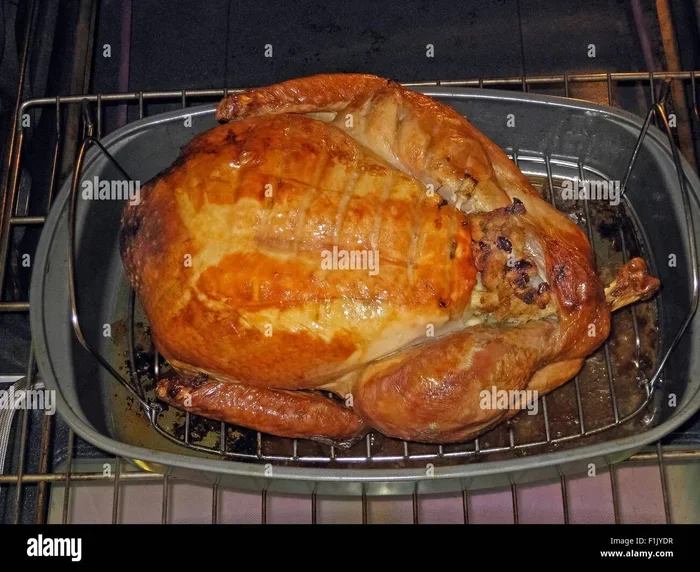
Roasting pans are deeper and sturdier. They are designed for meats, poultry, and large vegetables. Many roasting pans come with a rack, which lifts the food off the bottom for even browning.
Both baking sheets and roasting pans are typically made from aluminum or stainless steel. They handle high temperatures well and are among the most versatile pieces of ovenware.
Muffin Tins and Cake Pans
Muffin tins and cake pans are essential for baking. Standard muffin tins and round cake pans are made from aluminum or non-stick coated metal. Both are oven-safe at typical baking temperatures of 325°F to 375°F.
For a fun twist, try silicone muffin tins. They are flexible, easy to pop out muffins, and clean up in seconds.
Disposable Aluminum Pans
Disposable aluminum pans are a kitchen staple for many home cooks. They are affordable, lightweight, and perfect for casseroles, baked pasta, and roasted meats. You can use them for cooking and then throw them away — no washing required.
Most disposable aluminum pans are safe up to 400°F to 450°F. They work well for both baking and roasting. Just be careful not to let them touch the heating elements directly.
Temperature Guidelines by Dish Material
Temperature matters. Using a dish at the right temperature keeps it safe and extends its life. Here is a handy guide to help you match materials with their ideal oven temperatures.
| Material | Safe Temperature Range | Best For |
|---|---|---|
| Glass | 350°F – 450°F | Casseroles, baked desserts, lasagna |
| Ceramic | 450°F – 500°F | Baked dishes, gratins, cobblers |
| Stainless Steel | 500°F+ | Roasting, high-heat baking |
| Cast Iron | 500°F+ | Skillet meals, deep-dish baking |
| Aluminum | 400°F – 450°F | Baking sheets, roasting pans, disposable pans |
| Silicone | 428°F – 500°F | Muffins, cakes, non-stick baking |
These ranges are general guidelines. Always check the specific product label for exact temperature limits. Using a dish within its recommended range keeps it safe and performs better.
Quick Tips for Temperature Management
- Preheat your oven before placing any dish inside.
- Do not exceed the maximum temperature listed for your dish.
- Use oven mitts when handling hot dishes — always.
- Place dishes on center oven racks for the most even heat distribution.
Common Mistakes People Make with Oven Dishes
Even experienced cooks make mistakes with oven dishes. Knowing what to avoid saves time, money, and frustration.
Using Non-Oven-Safe Dishes
The most common mistake is putting a non-oven-safe dish in the oven. This includes dishes with plastic handles, wooden knobs, or decorative paint that is not heat-resistant. These can melt, release toxic fumes, or crack under heat.
Always flip the dish over and check the bottom before placing it in the oven. Look for an oven-safe symbol or text. When in doubt, do not risk it.
Ignoring Temperature Limits
Every oven-safe dish has a limit. Pushing beyond that limit can cause warping, cracking, or even breakage mid-cook. For example, putting a glass dish rated for 350°F into a 500°F oven is asking for trouble.
Know the limits of your dishes and stay within them. This simple habit keeps your cookware in great shape and your food safe.
Skipping the Preheating Step
Some dishes, especially glass and ceramic, need a gradual warm-up. Placing them in a cold oven and then cranking up the heat can cause thermal shock. Preheat your oven first, then place the dish inside once the target temperature is reached.
Overcrowding the Oven
Overcrowding blocks airflow and leads to uneven cooking. Leave space between dishes so hot air can circulate properly. If you need to cook multiple dishes at once, consider rotating them halfway through the cooking time.
Expert Tips for Better Oven Cooking
Want to get the most out of your oven-safe dishes? These expert tips will help you cook better and avoid common pitfalls.
Use Parchment Paper or Silicone Mats
Lining baking sheets with parchment paper or a silicone baking mat prevents sticking and makes cleanup a breeze. Both are oven-safe and work at temperatures up to 425°F to 450°F.
Let Dishes Cool Before Washing
Never plunge a hot dish into cold water. The sudden temperature change can cause glass and ceramic to crack. Let the dish cool to room temperature before washing it, even if it means waiting a few minutes.
Season Cast Iron Regularly
If you use cast iron dishes in the oven, keep them well seasoned. A good layer of seasoning makes the pan naturally non-stick and protects it from rust. After washing, dry it completely and rub a thin layer of oil before storing.
Invest in Quality Ovenware
Cheap pans may save money upfront, but they often warp, scratch, or degrade faster. Investing in quality oven-safe cookware pays off in the long run. Look for brands with good reputations and solid warranty policies.
Experiment with Different Dishes
One of the joys of cooking is experimenting. Try baking a cake in a cast iron skillet. Make roasted vegetables in a ceramic dish. Use a silicone pan for muffins. The more you experiment, the more confident you become with different types of ovenware.
Key Takeaways
- Know your materials: glass, ceramic, metal, and silicone are the main oven-safe options.
- Check temperature limits before every use to avoid damage.
- Avoid thermal shock by letting dishes adjust to temperature changes gradually.
- Preheat your oven for the best cooking results.
- Never use dishes with plastic, wood, or non-oven-safe decorations in the oven.
- Quality ovenware lasts longer and performs better than cheap alternatives.
- Experiment often to build your confidence with different oven-safe dishes.
Understanding what dishes can go in the oven is a simple but powerful skill. It keeps your kitchen safe, your food tasting great, and your cookware lasting for years. Glass, ceramic, metal, and silicone all have their strengths. Each one brings something unique to the table.
The key is to always check labels, respect temperature limits, and treat your dishes with care. When you know what works and what does not, cooking becomes easier and more enjoyable. So next time you reach for a dish, take a second to confirm it is oven-safe. Your food — and your wallet — will thank you.
Start using these tips today. Try a new oven-safe dish in your next recipe. Share what you learn with friends and family. The more people know about safe oven cooking, the better meals everyone enjoys.
Frequently Asked Questions
Can you put a glass dish in the oven?
Yes, most glass bakeware is oven-safe, but only up to a certain temperature. Pyrex and similar brands are typically safe up to 425°F to 450°F. Always check the label on your specific dish and avoid sudden temperature changes to prevent cracking.
What happens if you put a non-oven-safe dish in the oven?
Non-oven-safe dishes can crack, warp, melt, or release harmful chemicals when exposed to high heat. Plastic handles may melt onto your food, and certain paints or glazes can give off toxic fumes. Always verify that a dish is oven-safe before using it in the oven.
Is silicone safe to use in the oven?
Yes, food-grade silicone is generally safe for oven use up to 428°F to 500°F. It is flexible, non-stick, and easy to clean. Just make sure the silicone product is labeled as oven-safe and is made from high-quality, food-grade material.
Can you put a ceramic plate in the oven?
Some ceramic plates are oven-safe, but not all. Plain, unglazed stoneware is usually safe for oven use. However, decorative or hand-painted ceramics may not be heat-resistant. Check for an oven-safe label before placing any ceramic dish in the oven.
What is the best material for oven baking?
The best material depends on what you are cooking. Metal pans heat up quickly and are great for cookies and roasting. Glass retains heat well and is ideal for casseroles and lasagna. Ceramic distributes heat evenly and works well for baked desserts. Silicone is excellent for non-stick baking. Each material has its own strengths.
How can I tell if my dish is oven-safe?
Look for an oven-safe symbol or text on the bottom of the dish. Many manufacturers print the maximum temperature limit directly on the product. If there is no label, check the packaging or visit the manufacturer’s website for guidance. When in doubt, do not use the dish in the oven.