What Oven Temp For Chicken Thighs And How To Get It Right
The ideal oven temp for chicken thighs is 400°F to 425°F for crispy skin and juicy meat. Bone-in thighs need about 35 to 45 minutes, while boneless thighs cook faster at 25 to 35 minutes. Always use a meat thermometer to check that the internal temperature reaches 165°F for safe eating.
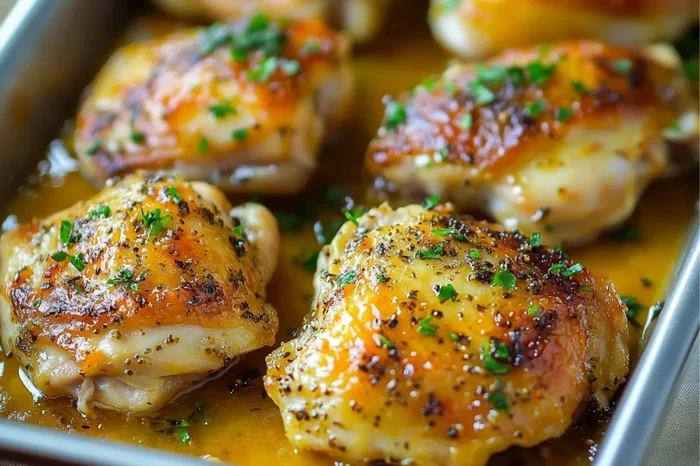
There is nothing quite like a tray of chicken thighs coming out of the oven. The skin is golden and crispy. The meat is juicy and tender. And the whole kitchen smells incredible. But getting that perfect result comes down to one thing: what oven temp for chicken thighs you use.
Many home cooks guess at the temperature. They set the oven too high and dry out the meat. Or they go too low and end up with pale, rubbery skin. The good news is that nailing the right temperature is easier than you think. Once you know the basics, you can bake perfect chicken thighs every single time.
In this guide, we will walk you through everything you need to know. We will cover the best temperatures for different types of chicken thighs. We will talk about cooking times and how to check for doneness. You will also learn pro tips that restaurant kitchens use to get consistent results. Whether you prefer bone-in or boneless, skin-on or skinless, this guide has you covered.
So let us get into it. Your next batch of baked chicken thighs is going to be the best one yet.
Key Takeaways
- Best Temperature: 400°F to 425°F is the sweet spot for juicy and crispy chicken thighs.
- Bone-In vs. Boneless: Bone-in thighs take longer to cook and retain more moisture.
- Use a Meat Thermometer: Always check that the internal temperature hits 165°F for food safety.
- Resting Matters: Let chicken thighs rest for 5 to 10 minutes after baking for juicier results.
- Skin-On Gives Crispiness: Skin-on thighs develop a beautiful golden crust at high heat.
- Timing Varies: Cooking time depends on thickness, bone presence, and your oven’s accuracy.
📑 Table of Contents
- Why Oven Temperature Matters for Chicken Thighs
- Best Oven Temp for Chicken Thighs: The Complete Guide
- Bone-In vs. Boneless: How It Changes Your Temperature and Time
- How to Get Perfectly Crispy Skin on Chicken Thighs
- Common Mistakes People Make When Baking Chicken Thighs
- Pro Tips for Next-Level Oven-Baked Chicken Thighs
- How to Tell When Chicken Thighs Are Done
- Quick Reference: Chicken Thighs Cooking Chart
- Pairing Chicken Thighs with Sides and Sauces
- Conclusion
Why Oven Temperature Matters for Chicken Thighs
Temperature is the single most important factor in baking chicken thighs. It affects everything from texture to flavor to food safety. Understanding why temperature matters will help you make better decisions every time you cook.
The Science of Cooking Chicken Thighs
Chicken thighs are darker meat than chicken breasts. They have more fat and more connective tissue. This makes them more forgiving when you cook them. But it also means they need the right heat to break down properly.
At the right temperature, the fat renders slowly. The collagen in the connective tissue melts into gelatin. This is what gives slow-cooked chicken its tender, fall-off-the-bone texture. If the heat is too high, the outside burns before the inside cooks. If the heat is too low, the chicken turns gray and mushy.
Chicken thighs internal temperature should reach 165°F at the thickest part. This is the safe minimum set by the USDA. But many chefs prefer to pull chicken thighs at 175°F to 180°F. At this range, the meat is even more tender and juicy. The fat has had time to fully render. The result is a much better eating experience.
How Your Oven Affects Cooking
Not all ovens heat the same way. Some have hot spots. Some run hotter or cooler than what the dial says. This is why knowing your oven matters just as much as knowing the temperature.
Here are a few things to keep in mind:
- Oven Thermometer: Use one to check the actual temperature inside your oven. Many ovens are off by 25°F or more.
- Convection vs. Conventional: Convection ovens circulate hot air. They cook food faster and more evenly. You may need to lower the temperature by 25°F.
- Rack Position: The middle rack gives the most even heat. Avoid the top rack for long cooks.
- Preheat Always: Give your oven at least 15 to 20 minutes to reach the target temperature before putting the chicken in.
Best Oven Temp for Chicken Thighs: The Complete Guide
Now let us get to the heart of the matter. What oven temp for chicken thighs should you use? The answer depends on a few factors. Let us break it down.
400°F: The Gold Standard for Chicken Thighs
Most chefs and cooking experts agree that 400°F is the best all-around temperature for chicken thighs. It is hot enough to crisp the skin. It is not so hot that the meat dries out before it cooks through.
At 400°F, bone-in skin-on thighs take about 35 to 45 minutes. Boneless thighs cook in about 25 to 30 minutes. This temperature gives you a great balance of crispy skin and juicy meat.
400°F is ideal for:
- Bone-in, skin-on chicken thighs
- Marinated or seasoned thighs
- Roasting with vegetables on the same pan
- Getting golden-brown skin without burning
425°F for Extra Crispy Skin
If you love crispy skin, 425°F is your go-to temperature. The higher heat renders the fat faster and creates a crunchier exterior. This is the temperature many people use when they want restaurant-style results at home.
At 425°F, bone-in thighs cook in about 30 to 40 minutes. Boneless thighs take roughly 22 to 28 minutes. Watch them closely toward the end. The higher heat can go from perfectly crispy to burnt quickly.
425°F is ideal for:
- Skin-on thighs where you want maximum crunch
- Quick weeknight dinners
- Chicken thighs with a glaze or sauce added in the last 10 minutes
375°F for Slow and Juicy Results
Not everyone wants crispy skin. Some people prefer tender, fall-apart chicken thighs. For this, 375°F works well. The lower heat cooks the chicken more gently. The fat renders slowly. The meat stays incredibly moist.
At 375°F, bone-in thighs need about 45 to 55 minutes. Boneless thighs take 30 to 40 minutes. This is a great temperature for oven-baked chicken thighs that you want to shred or use in sandwiches.
375°F is ideal for:
- Bone-in thighs with lots of seasoning or sauce
- Meal prep where you want tender, easy-to-shred meat
- Cooking chicken thighs alongside delicate vegetables
Bone-In vs. Boneless: How It Changes Your Temperature and Time
The type of chicken thigh you use affects both the temperature and the cooking time. Let us look at the differences.
Bone-In Chicken Thighs
Bone-in thighs are the most flavorful option. The bone adds richness to the meat as it cooks. They also take longer to bake because the bone slows down heat transfer.
Here is what you need to know about bone-in chicken thighs oven temp:
- Temperature: 400°F to 425°F
- Time: 35 to 50 minutes depending on size
- Internal Temp: 165°F to 180°F
- Skin: Skin-on gives the best results at these temperatures
Bone-in thighs are harder to overcook. The bone insulates the meat. This gives you a wider window of perfect doneness. If you are a beginner, bone-in thighs are the way to go.
Boneless Chicken Thighs
Boneless thighs cook faster because there is no bone to heat through. They are great for quick meals. But they can dry out more easily if you are not careful.
Here is what you need to know about boneless chicken thighs oven temp:
- Temperature: 400°F to 425°F
- Time: 22 to 35 minutes depending on thickness
- Internal Temp: 165°F
- Skin: Works well with or without skin
Boneless thighs benefit from brining or marinating. This adds moisture and flavor. They also need less time, so keep an eye on them. Use a meat thermometer to avoid overcooking.
How to Get Perfectly Crispy Skin on Chicken Thighs
Crispy skin is what separates good chicken thighs from great ones. Getting that perfect crunch is easier than you think. It all comes down to a few key steps.
Start with Dry Skin
Moisture is the enemy of crispy skin. Before you season your chicken, pat the skin completely dry with paper towels. The drier the skin, the crispier it will get.
For even better results, place the chicken on a wire rack in the refrigerator uncovered for a few hours or overnight. This dries the skin out even more. When it hits the hot oven, the moisture evaporates quickly. That is what creates the crunch.
Season Generously
Do not be shy with your seasoning. Salt is especially important. It draws out moisture from the skin. Then the skin dries out and crisps up beautifully.
Here are some seasoning ideas for crispy chicken thighs:
- Salt and black pepper with a touch of paprika
- Garlic powder, onion powder, and dried herbs
- Smoked paprika and cayenne for a little heat
- Lemon zest and thyme for a fresh flavor profile
Use a Wire Rack
Never place chicken thighs directly on a baking sheet. The skin will steam and get soggy. Instead, use a wire rack set over a baking sheet. This allows hot air to circulate around the chicken. The skin crisps up evenly on all sides.
This is the same technique used in professional kitchens. It makes a huge difference in the final result.
Baste for Extra Flavor
Basting means spooning the pan juices over the chicken while it cooks. This adds flavor and helps the skin brown evenly. Do this once or twice during cooking for the best results.
If you want to get fancy, mix melted butter with garlic and herbs. Brush this onto the chicken in the last 10 minutes of cooking. The butter promotes browning and adds richness.
Common Mistakes People Make When Baking Chicken Thighs
Even experienced cooks make mistakes with chicken thighs. Here are the most common ones and how to avoid them.
Skipping the Thermometer
This is the number one mistake. You cannot reliably tell if chicken is done by looking at it. The only way to know for sure is to use a meat thermometer. Insert it into the thickest part of the thigh, avoiding the bone.
If you do not have a thermometer, make a small cut into the thickest part. The juices should run clear, not pink. But a thermometer is far more accurate and takes all the guesswork out.
Cooking at Too Low a Temperature
Some people set the oven too low to try to keep the chicken moist. But cooking at 325°F or below does not crisp the skin. It just makes the chicken steamed and pale. Stick to at least 375°F for good results.
Not Letting the Chicken Rest
When chicken comes out of the oven, the juices are concentrated in the center. If you cut into it right away, all those juices run out. The meat dries out. Let the chicken rest for 5 to 10 minutes before serving.
This is the same principle as resting a steak or roast. It makes a noticeable difference in juiciness.
Overcrowding the Pan
If you place all the thighs touching each other, they steam instead of roast. Give each piece space. At least half an inch between thighs is ideal. If you need to cook more, use two pans or bake in batches.
Pro Tips for Next-Level Oven-Baked Chicken Thighs
Want to take your chicken thighs to the next level? These pro tips will help you get restaurant-quality results at home.
Brine Before Baking
Brining is the process of soaking chicken in a saltwater solution. It adds moisture and flavor deep into the meat. Even a 30-minute brine makes a difference. For best results, brine for 2 to 4 hours.
A simple brine is 1/4 cup salt per 4 cups of water. Add sugar, garlic, and herbs if you want extra flavor. Just make sure you pat the chicken dry before seasoning and baking.
Use a Cast Iron Skillet
A cast iron skillet retains heat incredibly well. It creates an even sear on the bottom of the chicken. Preheat the skillet in the oven, then add the chicken. The result is crispy skin on the bottom and juicy meat throughout.
Add Aromatics to the Pan
Toss some garlic cloves, lemon halves, and fresh herbs onto the baking sheet. As the chicken cooks, the juices drip onto these aromatics. The flavors infuse into the meat and the pan drippings. You get extra flavor in every bite.
Finish with a Glaze
In the last 10 minutes of cooking, brush the chicken with a glaze. Honey mustard, buffalo sauce, or a simple honey-balsamic reduction all work great. The sugar in the glaze caramelizes and creates a beautiful lacquered finish.
Just be careful with sugar-based glazes. They can burn quickly at high temperatures. Apply them late in the cook and watch closely.
How to Tell When Chicken Thighs Are Done
Knowing when your chicken is ready is crucial. Here is how to check for doneness using different methods.
The Meat Thermometer Method
This is the most reliable method. Insert an instant-read thermometer into the thickest part of the thigh. It should read 165°F for safe eating. For extra juiciness, pull at 175°F to 180°F.
The Juice Test
Poke the thickest part of the thigh with a knife or fork. If the juices run clear, the chicken is done. If they are pink or red, it needs more time.
The Shake Test
Pick up the thigh with tongs and gently shake it. If the meat moves freely from the bone, it is done. If it feels tight and stuck, give it a few more minutes.
Quick Reference: Chicken Thighs Cooking Chart
Here is a quick look at the different temperature and time combinations for chicken thighs. Use this as a handy reference when you are planning your next meal.
| Type of Thigh | Oven Temp | Approximate Time | Internal Temp |
|---|---|---|---|
| Bone-in, skin-on | 400°F | 35 to 45 minutes | 165°F to 180°F |
| Bone-in, skin-on | 425°F | 30 to 40 minutes | 165°F to 180°F |
| Bone-in, skin-on | 375°F | 45 to 55 minutes | 165°F to 180°F |
| Boneless, skin-on | 400°F | 25 to 35 minutes | 165°F |
| Boneless, skin-on | 425°F | 22 to 28 minutes | 165°F |
| Boneless, skinless | 400°F | 20 to 30 minutes | 165°F |
These times are estimates. Always use a meat thermometer for the most accurate results. Chicken size, oven accuracy, and starting temperature all play a role.
Pairing Chicken Thighs with Sides and Sauces
Once you have mastered the oven temperature, it is time to think about what to serve with your chicken thighs. The right sides and sauces can turn a simple meal into something memorable.
Great Side Dishes for Baked Chicken Thighs
- Roasted Vegetables: Carrots, potatoes, and Brussels sprouts all roast beautifully alongside chicken at 400°F.
- Rice Pilaf: Fluffy rice soaks up the pan juices perfectly.
- Fresh Salad: A light salad balances the richness of the chicken.
- Mashed Potatoes: Creamy potatoes pair wonderfully with juicy thighs.
- Cornbread: A classic pairing for a reason.
Sauces That Elevate Chicken Thighs
- Pan Gravy: Use the drippings from the baking sheet. Add chicken broth, a splash of cream, and season to taste.
- Tzatziki: Cool and creamy, it complements the rich flavor of chicken thighs beautifully.
- Chimichurri: A bright herb sauce adds freshness and zing.
- Honey Mustard: Sweet and tangy, it is a crowd-pleaser every time.
If you want to explore different cooking methods beyond the oven, you might enjoy learning about how to make a tandoori oven for a whole new flavor profile. And if you are curious about other oven safety topics, check out is it safe to put pizza box in oven for important guidelines. For more oven cooking inspiration, also see how to cook stuffed rouladen in the oven for a delicious recipe that uses similar techniques.
Conclusion
Getting the right oven temp for chicken thighs is the foundation of a great meal. Whether you choose 400°F for balanced results, 425°F for crispy skin, or 375°F for tender and juicy meat, the key is consistency and attention to detail. Use a meat thermometer. Let the chicken rest. And do not be afraid to experiment with seasonings and techniques.
Chicken thighs are one of the most versatile and affordable cuts of meat you can buy. They are forgiving, flavorful, and incredibly satisfying when cooked right. With the tips and guidelines in this article, you have everything you need to make perfect baked chicken thighs every time.
So preheat your oven. Grab some chicken thighs. And get cooking. Your taste buds will thank you.
Frequently Asked Questions
What is the best oven temperature for chicken thighs?
The best oven temp for chicken thighs is between 400°F and 425°F. This range gives you crispy skin and juicy meat. 400°F is the most versatile option for all types of chicken thighs.
How long do chicken thighs take to cook at 400°F?
Bone-in skin-on chicken thighs take about 35 to 45 minutes at 400°F. Boneless thighs cook faster, usually in 25 to 35 minutes. Always check the internal temperature to confirm doneness.
Can I cook chicken thighs at 350°F?
Yes, you can cook chicken thighs at 350°F, but it takes longer. Bone-in thighs may need 50 to 60 minutes. The skin will not be as crispy at this lower temperature. For best results, stick to 400°F or higher.
What internal temperature should chicken thighs reach?
The USDA recommends an internal temperature of 165°F for chicken thighs. For extra juiciness, many cooks pull the chicken at 175°F to 180°F. Always use a meat thermometer in the thickest part of the thigh.
Should I cover chicken thighs with foil while baking?
No, do not cover chicken thighs with foil if you want crispy skin. Foil traps moisture and steams the skin. Leave the chicken uncovered for the best texture. You can tent with foil if the skin is browning too fast.
How do I keep chicken thighs moist in the oven?
Brine the thighs before baking. Use bone-in thighs for more moisture. Do not overcook them. Let the chicken rest for 5 to 10 minutes after baking. And always use a meat thermometer to avoid cooking past 180°F.