What Temp Do U Cook Steak In Oven And Get Perfect Results
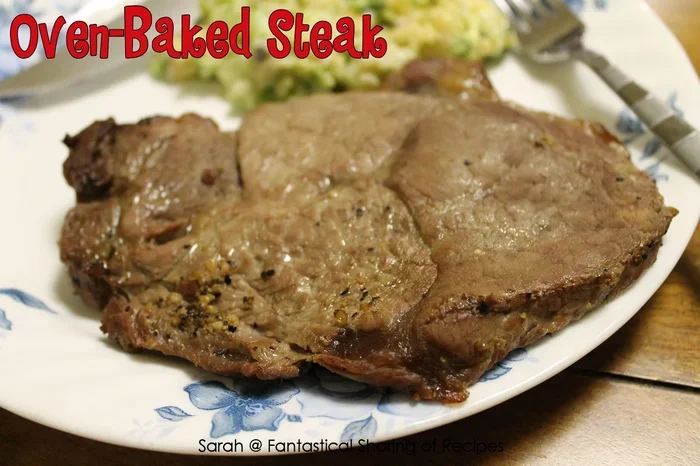
Cooking steak in the oven comes down to nailing the right temperature and timing. Whether you prefer medium-rare steak or a well-done finish, knowing your oven temperature for steak makes all the difference. This guide walks you through oven-baked steak temps, times, and pro tips for perfect results every single time.
There is something truly satisfying about pulling a perfectly cooked steak out of the oven. The aroma fills the kitchen. The outside is golden brown. And the inside? Juicy, tender, and cooked exactly how you like it. If you have ever wondered what temp do u cook steak in oven to get those restaurant-quality results at home, you are in the right place.
Cooking beef steak in oven is one of the easiest and most reliable methods out there. No grill needed. No guesswork. Just a hot oven, a good steak thermometer, and a little patience. This guide covers everything you need to know about oven temperature for steak, from choosing the right cut to pulling it off the heat at just the right moment.
Whether you are cooking a thin flank steak or a thick ribeye, the principles stay the same. Get the oven temperature for steak right, monitor the internal steak temperature, and let it rest properly. That is really all there is to it. Let us dive in and break it all down step by step.
Key Takeaways
- Best Oven Temp for Steak: 400°F to 450°F is the sweet spot for most steak cuts.
- Use a Meat Thermometer: Internal steak temperature is the only reliable way to judge doneness.
- Rest Your Steak: Letting steak rest for 5-10 minutes keeps the juices locked in.
- Thick Cuts Need Lower Temps: A reverse sear works wonders for thick cut steak.
- Preheat Your Oven: Always preheat for even cooking and a great sear.
- Season Simply: Salt, pepper, and garlic go a long way for great steak seasoning.
📑 Table of Contents
Why Cooking Steak in the Oven Works So Well
Many people think steak is only for the grill. But oven-baked steak has some serious advantages. The oven gives you consistent, even heat. There are no hot spots from charcoal or flare-ups from gas. You get full control over the temperature, which makes it easier to hit your target steak doneness every time.
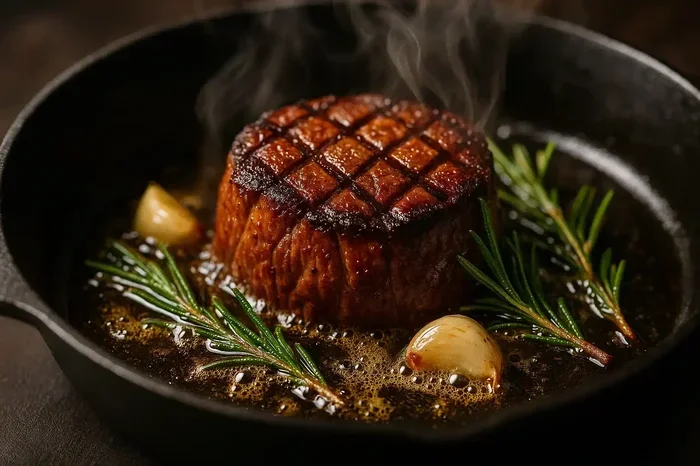
Another big plus? The oven frees up your stovetop. You can sear the steak first in a cast iron skillet on the burner, then transfer it straight into the hot oven. This two-step method is called the reverse sear, and it produces amazing results. The outside gets a beautiful crust, and the inside stays perfectly pink and juicy.
Using the oven also means less stress. You do not have to stand over a hot grill flipping steaks every two minutes. You set the timer, check the internal steak temperature, and let the oven do the work. It is a hands-off approach that beginners and pros both love.
The Science Behind Oven-Baked Steak
When you cook oven-baked beef, the heat slowly breaks down the proteins in the meat. This is called denaturation. At lower temperatures, the proteins tighten gently. At higher temperatures, they tighten fast. This is why oven temperature for steak matters so much.
A slow cook at a moderate temp keeps the meat tender. A blast of high heat creates that gorgeous brown crust. This is called the Maillard reaction, and it is what gives seared steak its deep, rich flavor. Understanding this science helps you choose the right oven-baked steak approach every time.
Best Oven Temperature for Steak
The oven temperature for steak depends on a few things. How thick is your cut? What level of steak doneness are you aiming for? Do you want to sear first or go straight in? Let us look at the most common setups.
400°F: The Gold Standard
For most steaks, 400°F is the go-to oven temperature for steak. It is hot enough to create a great sear if you started on the stovetop. It is also the perfect temp for finishing a steak that is already seared. At 400°F, a 1-inch thick steak takes about 8 to 10 minutes to reach medium-rare steak internal temp.
This temperature works beautifully for ribeye, sirloin, and filet mignon. It gives you a nice balance between a browned exterior and a juicy, pink center. If you like your steak more done, just add a couple of minutes.
450°F for Faster Cooking
If you are short on time, bump the oven up to 450°F. This higher oven temperature for steak cooks faster. A 1-inch steak can reach medium-rare in about 6 to 8 minutes. The key is to watch it closely. Higher heat means less room for error.
At 450°F, you also get a stronger Maillard reaction on the surface. This means more flavor and a better crust. Just be careful not to overcook. Check the internal steak temperature early and often.
Lower Temps for Thick Cuts
For thick cut steak that is 2 inches or more, a lower temperature works better. Try 275°F to 300°F for a slow, gentle cook. This is the reverse sear method. You cook the steak low and slow until it is almost at your target temp, then finish with a hard sear in a blazing hot cast iron skillet.
This approach gives you the most even doneness from edge to edge. No more gray bands on the outside and a cold center. Just perfectly oven-baked steak from crust to core. This method is especially popular for thick ribeyes and bone-in cuts.
How to Cook Steak in the Oven Step by Step
Now let us get into the actual process. Cooking oven-baked beef is simple once you know the steps. Follow this guide and you will nail it every time.
Step 1: Choose Your Steak
Start with a good cut of beef. Ribeye, sirloin, New York strip, and filet mignon all work great for oven-baked steak. Look for steaks that are at least 1 inch thick. Thinner cuts can dry out quickly in the oven. Thicker cuts give you more wiggle room and a better texture.
Take the steak out of the fridge about 30 minutes before cooking. Let it come to room temperature. This helps it cook more evenly. Cold steak going into a hot oven cooks unevenly, with the outside overcooking before the inside is done.
Step 2: Season Generously
Steak seasoning does not need to be complicated. Salt and black pepper are all you really need. But if you want to go a step further, add garlic powder, onion powder, or a pinch of smoked paprika. Keep it simple. The meat should be the star.
Pat the steak dry with a paper towel before seasoning. Dry meat sears better and gets a nicer crust. This is a small step that makes a huge difference in your oven-baked steak results.
Step 3: Preheat and Prep
Preheat your oven to the desired oven temperature for steak. Whether that is 400°F, 450°F, or 275°F for a reverse sear, make sure the oven is fully heated before the steak goes in. A cold oven leads to uneven cooking and longer cook times.
Place the steak on an oven-safe pan or a wire rack set over a baking sheet. A wire rack lets hot air circulate around the steak, which promotes even cooking. If you do not have a rack, a cast iron skillet works great too. Just make sure it is oven-safe.
Step 4: Cook and Monitor
This is the most important part. Put the steak in the oven and set a timer. But do not rely on the timer alone. Use a steak thermometer to check the internal steak temperature. This is the only way to know exactly how done your steak is.
Here is a quick reference for steak doneness based on internal temp:
- Rare: 120°F to 125°F
- Medium Rare: 130°F to 135°F
- Medium: 140°F to 145°F
- Medium Well: 150°F to 155°F
- Well Done: 160°F and above
Remember that the temperature will rise about 5 degrees after you pull the steak out. This is called carryover cooking. So if you want a medium-rare steak, pull it at 125°F to 130°F. It will reach 130°F to 135°F while resting.
Step 5: Rest the Steak
Once your steak hits the target internal steak temperature, take it out of the oven. Let it rest on a cutting board for at least 5 to 10 minutes. Do not skip this step. Resting allows the steak juice to redistribute throughout the meat. If you cut into it right away, all those juices run out onto the board instead of staying in the steak.
Tent the steak loosely with aluminum foil while it rests. This keeps it warm without trapping too much steam, which would make the crust soggy. After resting, slice against the grain and serve immediately.
Common Mistakes When Cooking Steak in the Oven
Even experienced cooks make mistakes with oven-baked steak. Here are the most common ones and how to avoid them.
Skipping the Thermometer
guessing the doneness of your steak is a recipe for disaster. The only reliable way to know your steak temperature is with a steak thermometer. Touch tests and time estimates are not accurate enough. Invest in a good instant-read thermometer. It takes seconds and takes your steak cooking time from guesswork to precision.
Not Letting the Steak Come to Room Temperature
Putting a cold steak straight into a hot oven creates uneven cooking. The outside overcooks while the inside stays cold. Taking the steak out 30 minutes before cooking lets it warm up slightly. This small step makes a big difference in the final result.
Overcooking the Steak
Ovens vary in temperature accuracy. Some run hot, some run cold. This means your oven-baked beef might cook faster or slower than expected. Stay nearby and check the internal steak temperature frequently. Pull the steak off early and let carryover cooking do the rest.
Cutting Into the Steak Too Soon
We get it. The smell is amazing and you want to dig in. But cutting into the steak right away releases all those precious steak juice juices. Let it rest for at least 5 minutes. Your patience will be rewarded with a juicier, more flavorful bite.
Using the Wrong Pan
Not all pans are safe for the oven. Check that your pan is oven-safe before using it. Cast iron skillet pans are excellent for both stovetop searing and oven finishing. Avoid pans with plastic handles or non-stick coatings that are not rated for high heat. If you are unsure about oven safety, think about how you would handle something like Is It Safe To Put Pizza Box In Oven — the same caution applies here. Always check manufacturer guidelines.
Oven Types and How They Affect Steak
Not all ovens are created equal. The type of oven you use can affect how your oven-baked steak turns out. Let us look at the most common types.
Convection Ovens
Convection ovens use a fan to circulate hot air around the food. This means more even cooking and faster results. If you have a convection oven, you can reduce the oven temperature for steak by about 25°F. A 400°F setting becomes effectively 425°F. This is great for oven-baked steak because the circulating air promotes a more even crust.
Conventional Ovens
Most home ovens are conventional. They heat from the bottom or top elements. These ovens can have hot spots, so it is a good idea to rotate your steak halfway through the steak cooking time. This ensures even browning and cooking on all sides.
Toaster Ovens
A toaster oven can work for smaller steaks or thin cuts. They heat up fast and use less energy. However, they have less space and can be less precise with temperature. For a thin sirloin or a smaller portion, a toaster oven is a solid option. If you are interested in modifying or building your own cooking setup, you might enjoy learning about How To Make A Tandoori Oven — it explores creative oven builds that could inspire your next cooking project.
Comparison Table: Oven Types for Steak
| Oven Type | Best For | Temperature Adjustment | Evenness of Cooking |
|---|---|---|---|
| Convection | Thick and thin cuts | Reduce by 25°F | Excellent |
| Conventional | Standard steaks | No adjustment needed | Good (rotate halfway) |
| Toaster Oven | Thin cuts and small portions | May need slight increase | Fair |
Tips for Perfect Oven-Baked Steak Every Time
Want to take your oven-baked steak from good to great? Here are some pro tips that make a real difference.
- Use a wire rack. It lets air flow around the steak for even cooking on all sides.
- Sear before oven-baking. A quick sear in a cast iron skillet adds flavor and texture that the oven alone cannot achieve.
- Do not crowd the pan. Give each steak space. Crowding traps steam and prevents a good crust.
- Let the steak rest. This cannot be stressed enough. Resting is what separates a good steak from a great one.
- Slice against the grain. This makes the steak more tender and easier to chew.
- Experiment with herbs. Fresh rosemary, thyme, or a garlic butter finish takes oven-baked beef to the next level.
Quick Tips Section
Here are some fast reminders to keep in mind every time you cook steak in oven:
- Always preheat the oven before putting the steak in.
- Always use a steak thermometer for accuracy.
- Always let the steak rest after cooking.
- Always slice against the grain for maximum tenderness.
- Always pat the steak dry before seasoning for a better sear.
Expert Insight: The Reverse Sear Method
Many professional chefs swear by the reverse sear method for oven-baked steak. This technique involves cooking the steak at a low temperature first, then finishing with a high-heat sear. The result is a steak that is evenly pink from edge to edge with a deeply caramelized crust.
To do a reverse sear, set your oven to 275°F. Place the steak on a wire rack and cook until the internal steak temperature is about 10 degrees below your target doneness. Then, remove it and sear in a smoking-hot cast iron skillet with a bit of oil for about 1 to 2 minutes per side. The steak juice stays locked in, and the crust is absolutely incredible.
This method works especially well for thick cut steak. It gives you total control over the doneness. And once you try it, you may never go back to the traditional method. For those who enjoy exploring different oven-based cooking techniques, you might also enjoy trying How To Cook Stuffed Rouladen In The Oven — it is another great oven recipe that showcases slow, even heat for tender, flavorful results.
Conclusion
Getting the temp to cook steak in oven right is easier than you think. The key is to choose the right oven temperature for steak, monitor the internal steak temperature, and let the steak rest properly. Whether you are going for a quick cook at 400°F or a slow reverse sear at 275°F, the principles are the same. Patience, precision, and a good steak thermometer are your best friends.
Oven-baked steak is a simple, reliable way to enjoy a perfect steak at home. No grill required. No stress required. Just follow the steps, trust the thermometer, and you will be eating restaurant-quality beef steak in oven in no time.
Now that you know what temp do u cook steak in oven for the best results, it is time to put it into practice. Grab your favorite cut, preheat the oven, and get cooking. Your perfect steak is just one oven cycle away.
Frequently Asked Questions
What is the best temp to cook steak in the oven?
The best oven temperature for steak is 400°F for most cuts. This temp works well for 1-inch steaks and gives you a great balance of crust and juiciness. For thicker cuts, try 275°F for a slow reverse sear, or bump up to 450°F for a faster cook.
How long should I cook steak in the oven at 400°F?
A 1-inch thick steak at 400°F takes about 8 to 10 minutes for medium-rare steak. Thicker cuts need more time, while thinner cuts cook faster. Always use a steak thermometer to check the internal steak temperature rather than relying on time alone.
Should I sear steak before putting it in the oven?
Searing first is highly recommended. A quick sear in a cast iron skillet for about 1 to 2 minutes per side creates a flavorful crust. Then transfer the steak to the preheated oven to finish cooking. This two-step method gives you the best of both worlds.
What internal temperature is medium-rare steak?
Medium-rare steak has an internal steak temperature of 130°F to 135°F. Remember that the temperature will rise about 5 degrees after you pull the steak out due to carryover cooking. So pull at 125°F to 130°F for a perfect medium-rare finish.
Can I use a toaster oven to cook steak?
Yes, a toaster oven can work for smaller or thinner steaks. They heat up quickly and are energy efficient. Just keep an eye on the steak cooking time since toaster ovens can be less precise with temperature. For best results, use a steak thermometer and check frequently.
How long should I let steak rest after cooking?
Let your oven-baked steak rest for at least 5 to 10 minutes. This allows the steak juice to redistribute throughout the meat. If you cut too soon, the juices run out and the steak dries out. Tent it loosely with foil and wait. Your patience pays off with a juicier steak.