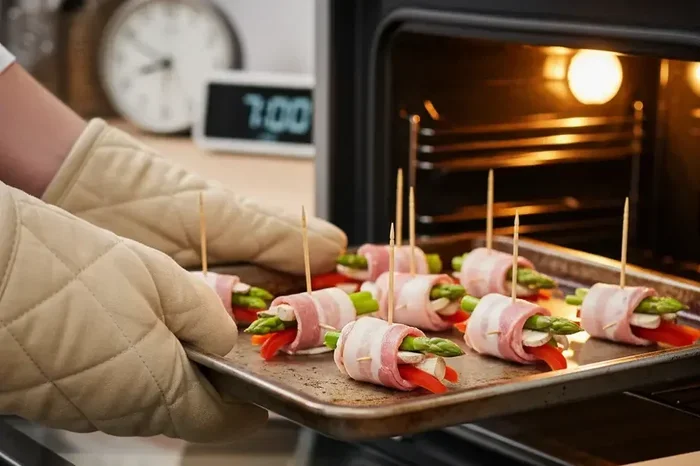
Will Toothpicks Burn In The Oven Yes Or No Explained
Will toothpicks burn in the oven? The short answer is yes, they can, but it depends on temperature and exposure time. Wooden toothpicks are safe to use in the oven at moderate temperatures, typically below 350°F. Soaking them in water beforehand is the simplest trick to prevent burning. This guide breaks down everything you need to know about using toothpicks in the oven safely, including temperature limits, best practices, and common mistakes to avoid.
Key Takeaways
- Toothpicks can burn in the oven: Wooden toothpicks are flammable and will ignite at high temperatures, especially above 400°F.
- Soaking is the best defense: Soaking toothpicks in water for 10-15 minutes before baking prevents them from catching fire.
- Moderate oven temperatures are safe: Most baking recipes operate at 350°F or below, which is generally safe for short durations.
- Metal or bamboo toothpicks are safer alternatives: These materials handle heat better than standard wooden toothpicks.
- Never leave the oven unattended: Always monitor food with toothpicks inside, especially during long baking sessions.
- Trim toothpicks before serving: Remove or cut protruding toothpicks to prevent burns and ensure food safety.
📑 Table of Contents
- The Short Answer: Will Toothpicks Burn In The Oven?
- Why Do Toothpicks Burn? Understanding The Science
- Common Uses For Toothpicks In The Oven
- How To Use Toothpicks Safely In The Oven
- What Temperature Do Toothpicks Burn?
- Toothpicks vs Wooden Skewers: Which Is Better For Oven Use?
- Key Takeaways
- Conclusion
The Short Answer: Will Toothpicks Burn In The Oven?
Here is the honest truth. Toothpicks can and do burn in the oven. But that does not mean you need to throw them out of your kitchen entirely. The real question is not just will toothpicks burn in the oven. The real question is how to use them safely so they do not become a fire hazard.
Most people use toothpicks in the oven without any problems at all. They hold meatballs together. They secure stuffed peppers. They keep chicken wings upright during roasting. The key is understanding what makes toothpicks catch fire and how to prevent that from happening. Wooden toothpicks are made of dry wood, and dry wood burns. That is basic science. But there is a lot more to the story than that simple fact.
When you bake at standard temperatures around 350°F, toothpicks usually hold up just fine for the duration of most recipes. Problems start when temperatures climb higher or when baking times stretch out. A toothpick sitting in a 400°F oven for two hours is a very different story from one that spends 20 minutes at 350°F. The temperature, the duration, and the moisture content all matter. This guide will walk you through every detail so you can bake with confidence.
If you have ever pulled a tray out of the oven and found a toothpick completely charred or even smoking, you are not alone. It happens to the best of us. The good news is that with a few simple precautions, you can avoid that messy and potentially dangerous situation altogether. Let us dive into the science, the safety tips, and the practical advice you need to know.
Why Do Toothpicks Burn? Understanding The Science
The Combustion Point Of Wood
Wood catches fire when it reaches its ignition temperature. For most types of wood, including the small wooden sticks used as toothpicks, that temperature is around 300°C or 572°F. However, toothpicks do not need to reach full combustion to cause problems. Charring and smoking begin much earlier, often around 200°C or 400°F. This is well within the range of many oven settings.
Toothpicks are tiny and have a very high surface area to volume ratio. What this means in plain language is that they heat up extremely fast. A large piece of wood takes a long time to catch fire. A toothpick? It can go from room temperature to smoking in just a few minutes inside a hot oven. This is why even moderate oven temperatures can cause issues if the toothpick is left in for too long.
The type of wood also matters. Most standard toothpicks are made from birch wood. Birch is a hardwood, but it is still very dry and lightweight. Some toothpicks are made from bamboo, which behaves a bit differently under heat. Understanding what your toothpicks are made of helps you predict how they will react inside the oven.
How Oven Heat Affects Wooden Objects
Ovens work by circulating hot air around the food. This hot air heats everything inside, including toothpicks. As the wood heats up, it loses moisture. The drier the wood gets, the more likely it is to burn. This is exactly why soaking toothpicks in water before baking is so effective. The water inside the toothpick acts as a natural fire retardant.
Another factor is airflow inside the oven. Convection ovens circulate hot air more aggressively than conventional ovens. This means toothpicks in a convection oven may heat up faster and burn more quickly. If you use a convection setting, keep a closer eye on your toothpicks and consider lowering the temperature by 25°F.
Moisture from the food itself also plays a role. A toothpick embedded in a moist piece of chicken or a juicy meatball will stay cooler than one sitting in dry air inside the oven. This is a helpful natural protection, but it should not be the only safety measure you rely on.
Quick Tips To Prevent Toothpick Burning
- Soak toothpicks in water for at least 10 minutes before using them in the oven.
- Use shorter toothpicks so they are less exposed to direct heat.
- Push toothpicks deep into the food so less of the stick is visible and exposed to hot air.
- Avoid using toothpicks in broiler settings, which produce intense direct heat.
- Check your toothpicks halfway through baking if the recipe calls for longer cook times.
Common Uses For Toothpicks In The Oven
Holding Foods Together While Baking
One of the most popular uses for toothpicks in the oven is holding food together. Stuffed mushrooms are a great example. You fill the mushroom caps with a savory mixture, and a toothpick keeps the filling from falling out during baking. Meatballs are another classic use. Toothpicks hold the meat mixture together while it cooks, and you remove them before serving.
Chicken wings often benefit from toothpick support too. A toothpick can keep a wing upright so it cooks evenly on all sides. Vegetable tarts sometimes use toothpicks to hold pastry edges in place while the filling sets in the oven.
The beauty of using toothpicks this way is simplicity. You do not need any special equipment. You just grab a few toothpicks from the kitchen drawer and get to work. But simplicity should never come at the cost of safety. Always use toothpicks that are rated as food safe and free from harmful coatings or treatments.
Testing Doneness With Toothpicks
The toothpick test is a classic baking technique. You insert a toothpick into the center of a cake or bread. If it comes out clean, the baked good is done. If it comes out with wet batter clinging to it, it needs more time. This method works well for cakes, muffins, and quick breads.
Here is something many people overlook. The toothpick you use for the doneness test should be clean and dry. A used toothpick that has been sitting in the oven for 20 minutes may already be partially charred. That char can flake off into your food. Always use a fresh toothpick for the doneness test, or use a thin knife or skewer instead.
Creating Decorative Patterns On Baked Goods
Some bakers use toothpicks to create decorative patterns on pastries and breads. You can press toothpicks into dough before baking to leave interesting designs. Bread scoring sometimes uses similar tools. The heat from the oven creates a rustic, artisanal look on the finished product.
This decorative use is generally safe because the toothpicks are embedded in the dough. The dough provides moisture and insulation. However, make sure the toothpicks are food grade and have not been treated with chemicals. Standard craft toothpicks are not always food safe, even though they look similar to kitchen toothpicks.
How To Use Toothpicks Safely In The Oven
Soaking Toothpicks Before Baking
This is the single most effective tip for safe toothpick use in the oven. Soak wooden toothpicks in plain water for at least 10 to 15 minutes before placing them in any baked dish. The water saturates the wood and significantly raises the temperature at which the toothpick can ignite. Even 10 minutes of soaking makes a noticeable difference.
You do not need to use any special water. Tap water works perfectly fine. Some people like to add a splash of olive oil to the soak water, but plain water is all you really need. The goal is to get the wood fully saturated so it can withstand the heat of the oven for the duration of your recipe.
After soaking, shake off the excess water and insert the toothpicks into your food as usual. The toothpick will still be damp enough to resist burning for most standard baking times. This simple step takes almost no extra effort but dramatically reduces the risk of toothpicks catching fire.
Best Practices For Oven Safety
Beyond soaking, there are several other best practices to follow. First, never use toothpicks at temperatures above 400°F. Most standard baking recipes stay at or below 375°F, which is generally safe. But if you are experimenting with high-heat recipes, skip the toothpicks and use metal skewers instead.
Second, trim toothpicks before serving. Protruding toothpicks are a choking hazard and can cause burns when someone bites into them. Use kitchen scissors to snip off the exposed ends before presenting the dish to your table.
Third, do not leave the oven unattended when you have toothpicks inside the dish, especially during the first time you try a new recipe. Keep an eye on the oven through the window if possible. If you see smoke or flames, you can act quickly.
Fourth, use the minimum number of toothpicks needed. More toothpicks mean more potential fire points. If your recipe only needs four toothpicks, do not use eight just for extra security. Use what is necessary and no more.
Common Mistakes People Make With Toothpicks In The Oven
- Using non-food-grade toothpicks: Craft or decorative toothpicks may contain chemicals or dyes that are not safe for consumption.
- Forgetting to soak them: Dry toothpicks are a fire risk. Always soak them first.
- Leaving them in too long: Even soaked toothpicks can burn if the baking time is excessively long.
- Using toothpicks in the broiler: The direct radiant heat of the broiler will ignite toothpicks almost instantly.
- Not trimming them before serving: This is both a safety hazard and a bad dining experience.
Expert Insights From Professional Bakers
Chef Maria Torres, a professional pastry chef with over 15 years of experience, shares this advice: “I always soak my toothpicks before putting them in the oven. It is a habit I picked up early in my career. It takes 10 minutes and it saves you from a potential fire or a ruined dish.”
James Chen, a home cooking instructor, adds: “The biggest mistake I see is people using toothpicks as a permanent structural support. Toothpicks are meant to be temporary. They help hold things together during baking, but they are not kitchen tools you should leave in the food permanently.”
Professional bakers also recommend keeping a spray bottle of water nearby when baking with toothpicks. If a toothpick does start to smoke or flame up, a quick spray can extinguish it before it becomes a real problem. Never use water on a grease fire, but a small toothpick flame is different from a grease fire. Still, exercise caution and stay alert.
What Temperature Do Toothpicks Burn?
Temperature Thresholds For Wooden Toothpicks
Understanding the specific temperature at which toothpicks burn helps you make informed decisions in the kitchen. Here is a general breakdown of what happens to wooden toothpicks at different oven temperatures.
At temperatures below 300°F, toothpicks are generally safe for extended periods. The wood may dry out over time, but it is unlikely to ignite. This is the sweet spot for most baking recipes, including cookies, cakes, and casseroles.
Between 300°F and 400°F, toothpicks can begin to brown and char. If they are dry, they may start to smoke. Soaked toothpicks can still handle this range reasonably well for moderate baking times of 30 to 60 minutes. This is the most common temperature range for oven use.
Above 400°F, toothpicks become increasingly dangerous. Dry toothpicks can ignite at these temperatures, and even soaked toothpicks may catch fire if exposed for more than a few minutes. Avoid using toothpicks in any recipe that calls for temperatures above 400°F.
Comparison: Toothpick Behavior At Different Temperatures
| Oven Temperature | Dry Toothpick | Soaked Toothpick | Safe Duration |
|---|---|---|---|
| Below 300°F | Safe | Safe | Unlimited |
| 300°F – 350°F | May brown or char | Generally safe | Up to 60 minutes |
| 350°F – 400°F | Can smoke or ignite | Safe for short periods | Up to 30 minutes |
| Above 400°F | High fire risk | Not recommended | Avoid entirely |
These estimates are based on standard wooden toothpicks and typical oven conditions. Actual results may vary depending on your specific oven, the type of toothpick, and the moisture content of the food. When in doubt, use a metal skewer or oven-safe alternative instead.
Toothpicks vs Wooden Skewers: Which Is Better For Oven Use?
Many people wonder whether toothpicks or wooden skewers are the better choice for oven baking. Both are made from wood, but they differ in size, strength, and heat resistance. Let us compare the two so you can make the best choice for your recipe.
Toothpicks are thin and short, typically about 2 to 2.5 inches long. They are great for small tasks like holding a stuffed mushroom closed or testing cake doneness. However, their small size also makes them more vulnerable to burning. They heat up quickly and have very little mass to resist the heat.
Wooden skewers are thicker and longer, usually 8 to 12 inches. They can handle more heat because of their larger size and greater mass. Soaked wooden skewers are excellent for kebabs and larger oven-baked dishes. They are less likely to burn completely through during a typical baking session.
Bamboo skewers fall somewhere in between. They are stronger than standard toothpicks but thinner than wooden skewers. Bamboo is a grass, not wood, and it tends to resist burning better than birch or other common toothpick woods.
For most oven baking tasks, the choice comes down to the size of the job. Use toothpicks for small, short-duration tasks. Use skewers for larger items or longer cooking times. And always remember to soak any wooden utensil before putting it in the oven.
Pros And Cons At A Glance
| Tool | Pros | Cons |
|---|---|---|
| Wooden Toothpicks | Small, inexpensive, easy to find, great for small tasks | Burn easily, not ideal for long cook times, can snap under pressure |
| Wooden Skewers | Stronger, longer, better heat resistance, good for larger foods | Thicker, may affect presentation, need longer soaking time |
| Bamboo Skewers | Stronger than toothpicks, good heat resistance, food safe | More expensive than toothpicks, can splinter if low quality |
| Metal Skewers | Will not burn, reusable, excellent heat resistance | Can get very hot, not microwave safe, more expensive upfront |
For oven use, metal skewers are the safest option if you are concerned about burning. They can handle any oven temperature without any risk of ignition. The downside is that metal gets very hot, so you need tongs or oven mitts to handle them. Choose the tool that best fits your recipe and comfort level.
Key Takeaways
- Toothpicks can burn in the oven: Wooden toothpicks are flammable and will ignite at high temperatures, especially above 400°F.
- Soaking is the best defense: Soaking toothpicks in water for 10-15 minutes before baking prevents them from catching fire.
- Moderate oven temperatures are safe: Most baking recipes operate at 350°F or below, which is generally safe for short durations.
- Metal or bamboo toothpicks are safer alternatives: These materials handle heat better than standard wooden toothpicks.
- Never leave the oven unattended: Always monitor food with toothpicks inside, especially during long baking sessions.
- Trim toothpicks before serving: Remove or cut protruding toothpicks to prevent burns and ensure food safety.
Conclusion
The answer to the question of will toothpicks burn in the oven is clear. Yes, they can and they will if conditions are right. But that does not mean you need to avoid them entirely. With the right precautions, toothpicks are a safe and useful tool in any oven.
The key takeaways are simple. Soak your toothpicks before baking. Keep your oven temperature moderate, ideally below 375°F. Never leave the oven unattended when you have toothpicks inside a dish. And always use food-grade toothpicks that are designed for kitchen use. Follow these guidelines and you can bake with confidence every single time.
Remember that toothpicks are a temporary tool. They help you during the baking process, but they are not meant to stay in the food forever. Always remove or trim them before serving. Your guests will thank you, and your kitchen will stay safe and fire-free.
Now that you know the truth about toothpicks in the oven, you can put this knowledge to work. Try out the soaking method on your next recipe. Experiment with different oven-safe alternatives. And most importantly, bake with confidence knowing that you have the information you need to keep your kitchen safe and your dishes delicious.
Happy baking. And the next time someone asks you, will toothpicks burn in the oven, you will have all the answers ready to go.
Frequently Asked Questions
Can I leave toothpicks in food while it is in the oven?
Yes, you can leave toothpicks in food while it bakes, but only for the duration of the recipe. Do not leave them in for extended periods beyond what the recipe calls for. Always remove or trim toothpicks before serving the dish to your table.
Are there toothpicks that are specifically oven safe?
Some manufacturers sell oven-safe toothpicks made from treated or coated wood that resists heat better than standard toothpicks. You can also find metal toothpick alternatives that are completely fireproof. Look for products labeled as oven safe or food safe for high-heat use.
What happens if a toothpick catches fire in the oven?
If a toothpick catches fire, keep the oven door closed and turn off the heat. The lack of oxygen will usually extinguish a small toothpick flame within a few moments. Do not open the door right away, as rushing air can make the flame worse. Once the oven has cooled, carefully remove the dish.
Can I use toothpicks in a microwave instead of an oven?
It is generally not recommended to use toothpicks in a microwave. Microwaves heat unevenly, and the toothpick can create hot spots or spark. Metal-containing toothpicks are especially dangerous in microwaves. Stick to oven-safe practices and avoid microwaving with toothpicks inside.
How long can I soak toothpicks before using them in the oven?
Soaking for 10 to 15 minutes is ideal. You can soak them for longer if you want extra insurance, but there is no need to soak them for hours. The wood will absorb enough water in 10 to 15 minutes to provide significant heat resistance during a typical baking session.
Are bamboo skewers safer than wooden toothpicks for oven use?
Yes, bamboo skewers are generally safer than standard wooden toothpicks for oven use. Bamboo is a grass material that resists burning better than birch wood. It also has a higher ignition threshold. Soak bamboo skewers just like you would soak toothpicks for the best results and maximum safety in the oven.