How To Grill Salmon In Oven For Juicy Flavorful Results
Grilling salmon in the oven is one of the easiest ways to get restaurant-quality fish at home. This guide covers everything from choosing the right salmon fillet to nailing the perfect internal temperature. You will learn simple seasoning tricks, timing secrets, and common mistakes to avoid so your oven-grilled salmon turns out juicy, flavorful, and absolutely delicious every single time.
There is something magical about how to grill salmon in oven and pulling a beautiful, glistening fillet out of your kitchen. The aroma alone can make everyone in the house wander toward the oven. And the best part? You do not need a fancy grill or years of cooking experience to pull this off.
Salmon is one of the most popular fish choices for home cooks. It is rich, flavorful, and packed with healthy omega-3 fatty acids. When cooked right, it has a tender, flaky texture that pairs with almost any side dish. Whether you are a weeknight dinner hero or a weekend cooking enthusiast, oven-baked salmon fits right into your routine.
In this guide, we will walk you through every step of grilling salmon in the oven for juicy, flavorful results. You will learn how to pick the right fillet, which tools you need, the best seasoning combos, and the exact temperatures and times that work every time. By the end, you will feel confident enough to make this dish your go-to favorite.
Key Takeaways
- High heat is key: Using 400-450°F creates beautiful grill marks and a crispy exterior while keeping the inside moist.
- Pat the salmon dry: Removing excess moisture before seasoning ensures crispy skin and better flavor absorption.
- Don’t overcook: Pulling the salmon at 125-130°F internal temp lets carryover cooking finish the job perfectly.
- Season simply but smart: A mix of olive oil, salt, pepper, and lemon brings out the natural flavor of the fish.
- Use foil or a sheet pan: Both methods work great, but each gives slightly different texture and results.
- Rest the fish: Letting salmon rest for 3-5 minutes after cooking keeps the juices locked in.
- Fresh or frozen works: Either type of salmon fillet can produce excellent results with the right approach.
📑 Table of Contents
- Why Oven-Grilled Salmon Is a Game-Changer
- What You Need: Ingredients and Equipment
- Step-by-Step Guide to Grilling Salmon in the Oven
- Best Seasoning and Marinade Ideas for Salmon
- Common Mistakes to Avoid When Grilling Salmon in the Oven
- Pro Tips for Perfectly Juicy Salmon Every Time
- Frequently Asked Questions
Why Oven-Grilled Salmon Is a Game-Changer
You might be wondering why anyone would choose to grill salmon in oven instead of using an outdoor grill. The truth is, oven grilling offers a lot of advantages that make it a smart choice for everyday cooking.
First, it is incredibly convenient. You do not have to wait for good weather or fire up a charcoal grill. Your oven works year-round, rain or shine. Second, oven grilling gives you more control over the heat. You can set the exact temperature and monitor the fish closely without worrying about flare-ups.
Another big win is consistency. When you use the broiler setting or a high-temperature bake, you get predictable, even results every time. Outdoor grills can be tricky with hot spots and wind. But your oven? It delivers steady, reliable heat that cooks your salmon fillet beautifully.
Plus, cleanup is a breeze. A quick sheet pan with foil means minimal scrubbing. You spend less time cleaning and more time enjoying your meal. That alone makes oven-grilled salmon a win in our book.
The Flavor Advantage
Oven grilling also locks in moisture better than some other methods. The enclosed space of the oven traps steam, which helps keep the fish tender. When you combine this with a good seasoning or marinade, the flavors penetrate deep into the flesh. You get a flavorful salmon dish that tastes like it came from a high-end restaurant.
Health Benefits of Salmon
Salmon is not just delicious. It is also one of the healthiest proteins you can eat. A single serving provides a strong dose of protein, vitamin D, and omega-3 fatty acids. These nutrients support heart health, brain function, and reduced inflammation. So when you make baked salmon for dinner, you are doing something good for your body too.
What You Need: Ingredients and Equipment
Before you start, let’s gather everything you need. Having the right tools and ingredients on hand makes the whole process smoother and more enjoyable.
Ingredients for Perfect Oven-Grilled Salmon
- Fresh salmon fillets: Skin-on fillets work best because the skin crisps up nicely and holds the fish together. You can also use skinless pieces if you prefer.
- Olive oil: A light coating keeps the salmon from sticking and helps the seasoning stick to the surface.
- Kosher salt and black pepper: These are the foundation of any great salmon seasoning. Do not skip them.
- Fresh lemon: A squeeze of lemon juice brightens the flavor and cuts through the richness of the fish.
- Garlic powder or fresh garlic: Adds a savory depth that pairs wonderfully with salmon.
- Fresh herbs: Dill, parsley, or thyme all work beautifully. They add a fresh, aromatic quality.
- Honey or maple syrup (optional): A small drizzle creates a subtle glaze that caramelizes in the heat.
- Soy sauce or tamari (optional): A splash adds umami and a savory kick to your salmon marinade.
Equipment You Will Need
- Sheet pan: A rimmed sheet pan is your best friend for oven-grilled salmon. It catches any drips and makes cleanup easy.
- Parchment paper or aluminum foil: Both prevent sticking and simplify cleanup. Foil also helps create a steamy environment that keeps the fish moist.
- Wire rack (optional): Placing a wire rack on the sheet pan elevates the salmon and promotes even air circulation.
- Instant-read thermometer: This is the single most important tool for checking the internal temperature of salmon. It takes the guesswork out of cooking.
- Sharp knife and cutting board: For patting the fish dry and any prep work.
- Mixing bowl: For whisking together your seasoning blend or marinade.
Step-by-Step Guide to Grilling Salmon in the Oven
Now let us get to the fun part. Follow these steps closely, and you will have juicy grilled salmon in oven that rivals any restaurant dish.
Step 1: Preheat Your Oven
Start by preheating your oven to 425°F to 450°F. This high heat is essential for creating those beautiful grill-like marks and a slightly crispy exterior. While the oven heats up, you can prepare your salmon fillets.
A hot oven is the secret to great oven-baked salmon. When the heat hits the fish immediately, it sears the surface quickly. This locks in moisture and prevents the salmon from drying out during cooking.
Step 2: Prep the Salmon Fillets
Take your salmon fillets out of the refrigerator about 15 minutes before cooking. Letting them come to room temperature helps them cook more evenly. Pat them thoroughly dry with paper towels. This step is crucial because moisture on the surface creates steam instead of a nice sear.
Place the fillets skin-side down on your prepared sheet pan. If you are using foil, lightly oil it first to prevent sticking. Arrange the pieces with enough space between them so hot air can circulate freely.
Step 3: Season Generously
Drizzle a thin layer of olive oil over each fillet. Then sprinkle your salmon seasoning evenly on both sides. A simple mix of salt, pepper, garlic powder, and dried dill works wonders. If you want something bolder, try adding smoked paprika, cumin, or a touch of cayenne pepper.
For a more marinated approach, whisk together olive oil, lemon juice, soy sauce, minced garlic, and a drizzle of honey. Pour this over the fillets and let them sit for 10 to 15 minutes while the oven finishes preheating.
Step 4: Cook at High Heat
Place the sheet pan on the middle rack of your oven. For a 1-inch thick fillet, bake for about 12 to 15 minutes. Thinner fillets need less time, around 8 to 10 minutes. Thicker pieces may need 15 to 18 minutes.
Here is a quick reference for salmon cooking time:
- Thin fillets (half inch): 8-10 minutes at 425°F
- Standard fillets (one inch): 12-15 minutes at 425°F
- Thick fillets (one and a half inches): 15-18 minutes at 425°F
The target internal temperature for salmon is 125°F to 130°F for medium doneness. This gives you a tender, slightly translucent center that is incredibly juicy. If you prefer well-done salmon, cook to 145°F, but be aware that it will be drier.
Step 5: Use the Broiler for Grill Marks
Want to mimic the look of outdoor grilling? Switch your oven to the broiler setting during the last 2 to 3 minutes of cooking. Move the sheet pan to the top rack, close the oven door, and watch carefully. The broiler creates those distinctive charred lines that scream “grilled.”
Keep a close eye on the salmon during broiling. It can go from perfectly charred to burnt in seconds. This quick blast of intense heat adds a smoky flavor and a beautiful presentation to your grilled salmon recipe.
Step 6: Rest and Serve
Once your salmon fillet reaches the right temperature, pull it out of the oven. Let it rest on the pan for 3 to 5 minutes. This resting period allows the juices to redistribute throughout the fish. When you cut into it, those juices stay inside instead of running all over the plate.
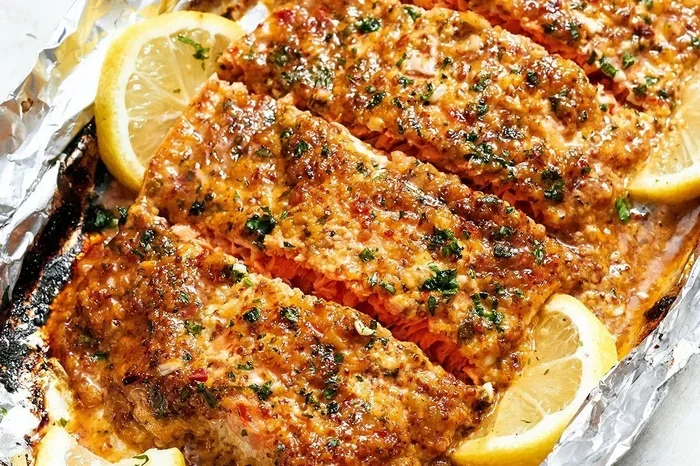
Serve your flavorful salmon with a squeeze of fresh lemon, a sprinkle of chopped dill, and your favorite sides. Roasted vegetables, rice, asparagus, or a simple salad all pair wonderfully with oven-grilled salmon.
Best Seasoning and Marinade Ideas for Salmon
The seasoning you choose can take your oven-grilled salmon from good to outstanding. Here are some tried-and-true flavor combinations that work beautifully.
The Classic Lemon Herb
This is the go-to combination for a reason. Mix olive oil, fresh lemon juice, minced garlic, chopped dill, salt, and pepper. Brush it over the fillets and bake as directed. The bright, fresh flavors complement the richness of the salmon perfectly.
The Smoky Southwest
For a bolder flavor, try smoked paprika, cumin, chili powder, garlic powder, and a touch of brown sugar. This salmon marinade creates a beautiful crust and a slightly sweet, smoky finish. It pairs great with black beans, corn salsa, or avocado crema.
The Asian-Inspired Glaze
Combine soy sauce, honey, sesame oil, rice vinegar, and fresh ginger. Brush this glaze on during the last few minutes of cooking. It caramelizes into a sticky, savory coating that is absolutely irresistible. Top with sesame seeds and sliced green onions for a restaurant-quality finish.
The Mediterranean Style
Use olive oil, oregano, thyme, capers, sliced olives, and a touch of red pepper flakes. This combination gives your baked salmon a bright, herby flavor that feels light and refreshing. Serve it with a side of roasted tomatoes and crusty bread for a complete meal.
Common Mistakes to Avoid When Grilling Salmon in the Oven
Even experienced cooks make mistakes when preparing oven-grilled salmon. Knowing what to avoid saves you from dry, overcooked, or bland fish.
Starting with Cold Salmon
One of the biggest mistakes is cooking straight from the refrigerator. Cold salmon cooks unevenly, with the outside overcooking before the center is done. Always let your fillets sit at room temperature for 15 minutes before they go into the oven.
Skipping the Dry Step
If you do not pat the salmon dry, the surface will steam instead of sear. You will miss out on that beautiful crispy skin and caramelized exterior. Take the extra 30 seconds to blot the fillets with paper towels. It makes a noticeable difference in texture and flavor.
Overcooking the Fish
Salmon dries out quickly once it passes the ideal temperature range. The difference between perfectly juicy and dry and chalky is just a few minutes. Use an instant-read thermometer and pull the salmon when it reaches 125°F to 130°F. Carryover cooking will bring it up another 5 degrees as it rests.
Overcrowding the Pan
Give each fillet enough space on the sheet pan. When pieces are crowded together, steam gets trapped and the fish steams instead of roasting. This prevents crispy skin and uneven cooking. If you are cooking a large batch, use two sheet pans or cook in two rounds.
Ignoring the Skin
If you are using skin-on fillets, place them skin-side down. The skin acts as a natural barrier that protects the delicate flesh from direct heat. It also crisps up beautifully and adds a satisfying texture. Flip the fish only if the recipe specifically calls for it.
Pro Tips for Perfectly Juicy Salmon Every Time
These expert tips will elevate your grilled salmon in oven game and help you achieve consistent, impressive results.
Invest in a Good Thermometer
This cannot be stressed enough. An instant-read thermometer takes all the guesswork out of cooking salmon. Insert it into the thickest part of the fillet at an angle. When it reads 125°F to 130°F, your salmon is done. This one tool alone will transform your cooking.
Experiment with Different Cuts
While fillets are the most popular choice, you can also try grilling salmon steaks or even a whole side of salmon. Steaks are thicker and more forgiving with cooking times. A whole side gives you more surface area for seasoning and a stunning presentation.
Try Different Oils
Instead of olive oil, try avocado oil for a higher smoke point and a neutral flavor. Coconut oil adds a subtle sweetness that pairs well with tropical seasonings. Each oil brings a slightly different character to your oven-baked salmon.
Add a Sauce After Cooking
While the salmon is in the oven, keep it simple with salt, pepper, and oil. Then add a finishing sauce after it comes out. A dill yogurt sauce, a mango salsa, or a creamy garlic aioli adds moisture and a burst of flavor that takes the dish to the next level.
Make It a Sheet Pan Meal
For easy cleanup and a complete dinner, roast vegetables on the same sheet pan. Asparagus, cherry tomatoes, zucchini, and bell peppers all cook at similar temperatures and absorb the salmon’s juices as they roast. You get a protein and vegetables in one simple cleanup.
Store and Reheat Properly
Leftover grilled salmon keeps well in the refrigerator for up to three days. Store it in an airtight container. To reheat, place it in a 275°F oven for about 10 minutes. This low-and-slow approach keeps the fish moist. Avoid microwaving, which tends to dry out salmon quickly.
Frequently Asked Questions
Can I use frozen salmon for oven grilling?
Yes, you can grill salmon in oven using frozen fillets. Just make sure to thaw them completely in the refrigerator overnight before cooking. Cooking from frozen leads to uneven results because the outside overcooks while the center is still frozen. Thawed salmon cooks more evenly and absorbs seasoning better.
What is the best internal temperature for grilled salmon?
The ideal internal temperature of salmon is 125°F to 130°F for medium doneness. At this temperature, the fish is tender, moist, and slightly translucent in the center. If you prefer fully cooked salmon, 145°F is the FDA-recommended safe temperature, but it will be drier.
How long should I marinate salmon before oven grilling?
For the best flavor, marinate your salmon fillet for 15 to 30 minutes. Longer marinating times can break down the delicate fish flesh, especially if your marinade contains acidic ingredients like lemon juice or vinegar. A short marinating time adds flavor without compromising the texture.
Should I use foil or parchment paper when grilling salmon in the oven?
Both options work well. Foil creates more steam and keeps the fish extra moist, which is great for thinner fillets. Parchment paper allows slightly more air circulation and promotes crispier skin. Either choice makes cleanup a breeze and prevents sticking.
Can I grill salmon with the skin on in the oven?
Absolutely. Skin-on salmon fillets are actually easier to handle in the oven. The skin protects the delicate flesh and crisps up beautifully when exposed to high heat. Always place the fillet skin-side down on the pan. You can remove the skin after cooking if you prefer, but many people love the added crunch.
What sides pair well with oven-grilled salmon?
Oven-grilled salmon pairs wonderfully with roasted vegetables like asparagus, Brussels sprouts, or sweet potatoes. Rice, quinoa, couscous, and a fresh green salad also make excellent sides. For a lighter meal, try it with a cucumber-dill yogurt sauce and some crusty bread to soak up the juices.