How Long For Rack Of Ribs In Oven To Turn Out Perfect
Learn exactly how long to cook a rack of ribs in the oven for tender, juicy results. This guide covers temperature, timing, and pro tips to make perfect ribs every time. Whether you prefer baby backs or spare ribs, you’ll master oven-baked ribs with ease.
There’s nothing quite like a perfectly cooked rack of ribs. The meat should be tender, juicy, and practically fall off the bone. If you’ve been wondering how long for rack of ribs in oven to get that ideal texture, you’re in the right place. This guide covers everything from choosing the right ribs to nailing the oven temperature and timing. Oven-baked ribs are a convenient alternative to grilling, and with a little know-how, you’ll achieve restaurant-quality results at home.
Many home cooks worry about drying out ribs in the oven. But with the right approach, you can create fall-off-the-bone ribs that are full of flavor. Whether you prefer baby backs or spare ribs, understanding the cooking time and temperature is the key to success. So let’s dive into the details and make your next rib night a hit.
The question how long for rack of ribs in oven doesn’t have a single answer. It depends on the cut, the thickness, and the oven temperature. But don’t worry—I’ll walk you through every step so you can plan your meal with confidence. By the end, you’ll know exactly when to pull those ribs out of the oven and how to make them unforgettable.
Key Takeaways
- Low and slow wins: Cook ribs at 275°F–300°F for 2.5 to 3.5 hours for fall-off-the-bone tenderness.
- Always remove the membrane: This thin back layer prevents seasoning from penetrating and stays chewy when cooked.
- Use a meat thermometer: Target an internal temperature of 195°F–205°F for perfectly cooked ribs.
- Foil speeds up cooking: Wrapping ribs in foil braises them in their own juices, while uncovered roasting creates a crispy bark.
- Rest before slicing: Let ribs rest 10–15 minutes under foil to retain juicy, flavorful meat.
- Apply sauce late: Brush BBQ sauce on only in the last 20–30 minutes to prevent burning.
- Baby backs cook faster than spare ribs: Adjust your time based on the cut you choose.
📑 Table of Contents
How Long For Rack Of Ribs In Oven: The Short Answer
The quick answer is how long for rack of ribs in oven depends on the temperature you use. At 300°F (150°C), a rack of ribs typically takes 2.5 to 3 hours. At 350°F (175°C), it’s closer to 1.5 to 2 hours. The secret is low and slow cooking. This method gently breaks down the collagen in the meat, making it incredibly tender. Oven-baked ribs at a lower temperature retain moisture better than high-heat roasting.
Always aim for an internal temperature of 195°F to 205°F (90°C to 96°C). That’s when the connective tissue melts, giving you that signature fall-off-the-bone texture. Use a meat thermometer to check. Don’t rely solely on time, because oven variations exist. A digital instant-read thermometer is the most reliable tool for perfectly cooked ribs.
Understanding Rib Cuts: Choosing the Right Rack for Your Oven
Not all ribs are the same. The type you choose affects cooking time, flavor, and texture. Here are the most common options for oven ribs.
Baby Back Ribs: The Lean and Tender Choice
Baby back ribs come from the top of the pig’s ribcage, near the spine. They’re leaner, more tender, and cook faster than other cuts. Baby back ribs in the oven usually take about 2.5 hours at 300°F. They have a mild pork flavor and a slightly curved shape. Because they’re smaller, they fit well in most ovens and are great for smaller gatherings. Their quick cook time makes them perfect for a weeknight dinner.
Spare Ribs: Rich, Meaty, and Full of Flavor
Spare ribs come from the belly side of the ribcage. They have more fat and connective tissue, which means they need a longer cook. Spare ribs in the oven typically take 3 to 3.5 hours at 300°F. They’re meatier and have a bolder flavor. Many people prefer spare ribs for their hearty texture. They’re also excellent for low and slow oven roasting because the extra fat keeps them moist. If you like a richer pork taste, spare ribs are your best bet.
St. Louis Style Ribs: The Uniform Cut
St. Louis style ribs are spare ribs that have been trimmed into a neat rectangle. This cut removes the skirt and flap, leaving a uniform rack that cooks evenly. They’re perfect for oven baking because they lay flat on the pan. St. Louis style ribs are a favorite among competition cooks for their consistent results. They’re easy to season and glaze evenly.
Bone-In vs. Boneless Ribs
Bone-in ribs are traditional and add flavor during cooking. The bone acts as a heat conductor, slowing down the cooking process slightly. Boneless rib racks cook faster and are easier to slice, but they can dry out more quickly. For oven cooking, bone-in is often preferred for juicier results. If you choose boneless, keep a close eye on the internal temperature to avoid overcooking.
How to Trim Ribs for Even Cooking
Before seasoning, flip the ribs bone-side up and trim any excess fat to about a quarter-inch thickness. This prevents flare-ups and allows the rub to penetrate evenly. Also, remove any loose flaps of meat that could burn. A clean, even rack ensures consistent oven-baked ribs from edge to edge.
The Perfect Oven Temperature and Time Guide
Temperature is the biggest factor in how long for rack of ribs in oven. I’ll break it down by common settings so you can plan your cook with confidence.
| Oven Temperature | Rib Type | Approximate Cook Time | Internal Temp Target |
|---|---|---|---|
| 275°F (135°C) | Baby Back | 3 to 3.5 hours | 195°F–205°F |
| 275°F (135°C) | Spare Ribs | 3.5 to 4 hours | 195°F–205°F |
| 300°F (150°C) | Baby Back | 2.5 to 3 hours | 195°F–205°F |
| 300°F (150°C) | Spare Ribs | 3 to 3.5 hours | 195°F–205°F |
| 350°F (175°C) | Baby Back | 1.5 to 2 hours | 195°F–205°F |
| 350°F (175°C) | Spare Ribs | 2 to 2.5 hours | 195°F–205°F |
Lower temperatures like 275°F are ideal for a hands-off approach. The ribs cook slowly and absorb more smoke flavor if you add a little liquid smoke. Low and slow is the golden rule for tender ribs. This method gives you the most control and the best texture.
Why 300°F Is the Sweet Spot for Most Home Cooks
Many pitmasters swear by 300°F for oven ribs. It’s hot enough to cook in a reasonable time but cool enough to prevent drying. At this temperature, the fat renders slowly, basting the meat from within. Oven-baked ribs at 300°F often turn out perfectly juicy. This temperature also allows you to use a simple foil wrap without overcooking the meat.
Convection Oven Adjustments
If you have a convection oven, reduce the temperature by 25°F. Convection fans circulate hot air more efficiently, which speeds up cooking. Check the ribs about 30 minutes earlier than the standard time. Convection ovens can produce excellent fall-off-the-bone ribs with a slightly shorter cook time.
Expert Insights: The Role of Collagen in Tender Ribs
Ribs are rich in collagen, a tough protein that turns into gelatin during cooking. This transformation happens between 160°F and 180°F, but it needs time. That’s why how long for rack of ribs in oven matters so much. Rushing the process leaves you with chewy, tough meat. Patience is your best tool. The collagen needs hours to break down into that silky, melt-in-your-mouth texture we all love.
Quick Tips for Monitoring Oven Ribs
- Always preheat your oven fully before placing the ribs inside.
- Place a pan of water on the bottom rack to add moisture to the oven environment.
- Rotate the baking sheet halfway through for even cooking.
- Use a meat thermometer in the thickest part of the meat, avoiding bone.
How to Tell When Ribs Are Done Without a Thermometer
While a thermometer is the most accurate tool, you can also test ribs by feel. Pick up the rack from one end with a fork or tongs. If it bends and cracks slightly on the surface, it’s done. The meat should pull back from the bone ends by about a quarter-inch. Another sign is the rack feeling light and flexible. These visual cues help you gauge how long to cook ribs in oven even if you don’t have a probe.
Step-by-Step: How to Cook Ribs in the Oven
Now that you know the times and temperatures, let’s walk through the process. Follow these steps for consistent, delicious results every time.
- Remove the Membrane: Flip the rib rack bone-side up. Use a butter knife to loosen the thin membrane on the back. Pull it off with a paper towel for grip. This step ensures tender meat and better seasoning absorption. Skipping this is one of the most common mistakes.
- Apply the Rub: Coat the ribs generously with your favorite rib rub. A mix of paprika, brown sugar, garlic powder, and black pepper works wonders. Massage it into the meat and let it rest for 30 minutes, or overnight in the fridge for deeper flavor. A good rub creates a beautiful crust and enhances the natural pork flavor.
- Preheat the Oven: Set your oven to 275°F or 300°F. Let it fully preheat before the ribs go in. A hot oven ensures even cooking from the start.
- Wrap in Foil (Optional): Place the ribs meat-side down on a large sheet of heavy-duty foil. Wrap tightly, leaving some space for steam to circulate. This creates a braising effect that keeps the ribs moist. If you prefer a crispy bark, skip this step or unwrap earlier.
- Bake: Place the foil-wrapped ribs on a baking sheet. Put them in the oven on the middle rack. Cook for the recommended time based on your temperature and rib type. Check the internal temperature after the minimum time.
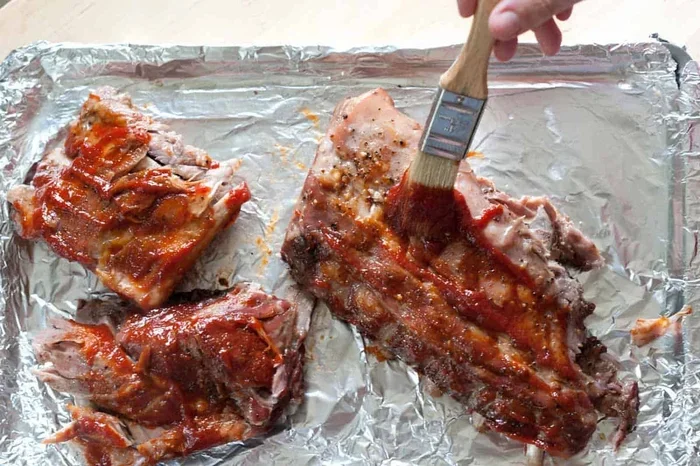
- Unwrap and Sauce: In the last 30 minutes, unwrap the ribs. Brush on a thin layer of BBQ sauce. Return them to the oven uncovered to let the sauce caramelize. Use a sauce with a balance of sweet, tangy, and smoky flavors.
- Rest and Serve: Remove the ribs from the oven. Let them rest for 10 to 15 minutes under a loose tent of foil. This allows the juices to redistribute. Then slice between the bones and serve.
Common Mistakes That Ruin Oven Ribs
- Cooking at Too High a Temperature: Cranking the oven to 400°F or higher will dry out the ribs before the collagen breaks down. Stick to 275°F–350°F for tender results.
- Skipping the Membrane: That tough membrane on the back of the ribs won’t soften enough to eat. Removing it is essential for a good texture.
- Not Using a Meat Thermometer: Time estimates are just guides. The only way to know ribs are done is by reaching an internal temperature of 195°F to 205°F.
- Adding BBQ Sauce Too Early: Sugar in sauce burns quickly. Apply it only in the last 20–30 minutes of cooking, and keep the heat moderate.
- Cutting Too Soon: Ribs need to rest after cooking. Cutting immediately releases all the juices, leaving the meat dry. Wait at least 10 minutes.
Avoiding these mistakes will elevate your oven-baked ribs from average to amazing.
How to Make a Simple Rib Rub at Home
A great rub is the foundation of flavorful ribs. Combine 2 tablespoons paprika, 2 tablespoons brown sugar, 1 tablespoon garlic powder, 1 tablespoon onion powder, 1 teaspoon black pepper, and 1 teaspoon salt. Mix well and apply generously. You can add a pinch of cayenne for heat or smoked paprika for extra depth. Homemade rib rub is easy to make and far superior to store-bought versions. Apply it at least 30 minutes before cooking to let the flavors meld.
Best BBQ Sauces for Oven Ribs
The right sauce can make or break your ribs. For oven cooking, choose a sauce that balances sweetness and tang. Kansas City-style sauces with tomato and molasses caramelize beautifully. If you prefer a vinegar-based sauce, it adds brightness without overpowering the pork. Apply a thin layer in the last 30 minutes. Too much sauce can burn and turn bitter. Sweet and smoky BBQ sauce is a classic choice that complements oven-baked ribs perfectly.
Foil vs. No Foil: The Great Rib Debate
The foil debate is common among rib lovers. Both methods have merits, and how long for rack of ribs in oven can vary slightly based on your choice.
The Foil Method (Braising): Wrapping ribs in foil traps moisture and speeds up cooking. It’s great for beginners because it reduces the risk of drying out. The ribs steam in their own juices, becoming incredibly tender. However, you won’t get a crispy bark unless you unwrap them at the end. This method is perfect for fall-off-the-bone ribs that are juicy and soft.
The No-Foil Method (Roasting): Leaving ribs uncovered allows the heat to circulate evenly. This promotes a deeper, more caramelized crust. The cook time is a bit longer, and you need to be careful with moisture levels. Spritzing the ribs with apple juice or apple cider vinegar every hour helps keep them hydrated. This method gives you a more traditional barbecue texture with a slightly chewier bite.
For the best of both worlds, try the hybrid approach. Wrap the ribs in foil for the first two-thirds of cooking, then uncover them for the last third. This gives you tender meat and a flavorful crust. Oven-baked ribs with this method often turn out perfectly balanced.
Quick Tips for Foil and No-Foil Cooking
- Use heavy-duty foil to prevent tears and leaks.
- If using no foil, spritz the ribs every 45 minutes with a spray bottle filled with apple juice.
- For a smoky flavor without a smoker, add a few drops of liquid smoke to your rub or spritz.
- Place a wire rack over the baking sheet to allow air circulation around the ribs.
Conclusion: Your Path to Perfect Oven Ribs
Cooking ribs in the oven is simpler than you think. With the right temperature, time, and a little patience, you can serve fall-off-the-bone ribs that rival any barbecue joint. Remember, how long for rack of ribs in oven varies with the cut and your oven’s quirks. Use a meat thermometer, don’t rush the process, and let the ribs rest properly.
Start with a reliable recipe, then experiment with rubs and sauces. Soon, you’ll be known as the go-to rib master in your family. Oven-baked ribs are a crowd-pleaser for holidays, game days, or any special dinner. So fire up that oven, grab a rack of ribs, and enjoy the process. Happy cooking!
Pro Tips for Fall-Off-the-Bone Ribs
- Always let your ribs come to room temperature for 30 minutes before cooking. This ensures even cooking throughout.
- Use a spray bottle to spritz ribs every hour if cooking without foil. Apple juice or cider vinegar works great.
- For extra tender ribs, add a splash of apple cider vinegar to the foil packet during the first half of cooking.
- Let the ribs rest for at least 15 minutes after cooking. This is crucial for juicy results.
- Leftover ribs reheat beautifully in the oven at 250°F for 15–20 minutes. Avoid microwaving, which can make them rubbery.
How to Store and Freeze Cooked Ribs
Cooked ribs keep well in the fridge for up to 4 days. Store them in an airtight container or wrap tightly in foil. To freeze, wrap the ribs tightly in plastic wrap and then in foil. They’ll keep for 3 months. Reheat in the oven at 250°F until warmed through. This preserves the texture far better than a microwave. Proper storage means you can enjoy your perfect oven ribs for days after the initial cook.
Now you have all the tools to make perfect oven ribs at home. The next time someone asks, “How long for rack of ribs in oven?” you’ll have the answer with confidence.
Frequently Asked Questions
How long does it take to cook ribs in the oven at 350°F?
At 350°F, baby back ribs typically take 1.5 to 2 hours, while spare ribs take 2 to 2.5 hours. Always use a meat thermometer to confirm the internal temperature reaches 195°F–205°F for tender, fall-off-the-bone results.
What is the best temperature for ribs in the oven?
The best temperature is 275°F to 300°F for low and slow cooking. This range breaks down collagen slowly, keeping the ribs juicy. If you’re short on time, 350°F works but requires closer monitoring to avoid drying.
Should I wrap ribs in foil when cooking them in the oven?
Wrapping in foil braises the ribs and keeps them moist, reducing cook time by about 30 minutes. Uncovering them in the last 30 minutes lets the sauce caramelize and the bark set. Try both methods to find your preferred texture.
How do you know when ribs are done in the oven?
The internal temperature should read 195°F to 205°F. You can also bend the rack with tongs—if it cracks on the surface and the meat pulls back from the bone ends, they’re ready. A toothpick should slide in easily.
Can I use frozen ribs in the oven?
It’s best to thaw ribs overnight in the fridge for even cooking. If you cook from frozen, add an extra hour to the time and ensure the internal temperature reaches the safe zone. Thawed ribs absorb rubs better and cook more uniformly.
How long should ribs rest after coming out of the oven?
Let ribs rest for 10 to 15 minutes under a loose foil tent. This allows the juices to redistribute throughout the meat, making every bite moist and flavorful. Skipping this step can lead to dry ribs when you cut into them.