How Long Does Chicken Thighs Take To Cook In The Oven
Cooking chicken thighs in the oven is simple, but nailing the perfect oven time makes all the difference. This guide reveals exactly how long chicken thighs take to cook at various temperatures, so you get juicy, golden results every time. You’ll learn the ideal internal temperature, whether to use bone-in or boneless thighs, and quick tips to avoid dry meat.
Key Takeaways
- Standard bake time: Chicken thighs typically take 35–45 minutes at 400°F, depending on thickness and bone-in status.
- Internal temperature is key: Always aim for 165°F (74°C) in the thickest part for safe, juicy meat.
- Bone-in takes longer: Expect an extra 5–10 minutes compared to boneless thighs.
- Resting matters: Let chicken rest for 5–10 minutes after baking to lock in juices.
- Use a meat thermometer: This is the single best tool to avoid overcooking.
- Convection ovens cook faster: Reduce time by about 5 minutes and lower temperature by 25°F.
- Marinating adds flavor: A simple 30-minute marinade can transform your chicken thighs.
📑 Table of Contents
How Long Does Chicken Thighs Take In The Oven?
Chicken thighs are one of the most forgiving and delicious cuts you can cook. They stay moist even if you slightly underestimate the time, which makes them perfect for busy weeknights. Yet many home cooks still ask, “How long does chicken thighs take to cook in the oven?” The answer depends on a few simple factors. Temperature, bone-in versus boneless, and the size of the thighs all play a role. This guide breaks down every variable so you can plan your meal with confidence.
Most recipes call for baking chicken thighs at 400°F for 35 to 45 minutes. That’s the sweet spot for crispy skin and tender, juicy meat. If you lower the heat to 350°F, expect the cooking time to stretch to 50–60 minutes. Higher temperatures like 425°F can reduce the time to just 25–30 minutes, but you’ll need to watch them closely to prevent burning. The goal is always an internal temperature of 165°F. Using a meat thermometer removes all the guesswork.
Let’s dive deeper into each temperature range and see how the baking time changes. We’ll also look at bone-in and boneless differences, step-by-step instructions, and the common mistakes that lead to dry chicken. By the end, you’ll know exactly how long to leave those thighs in the oven every single time.
Standard Baking Time at 400°F
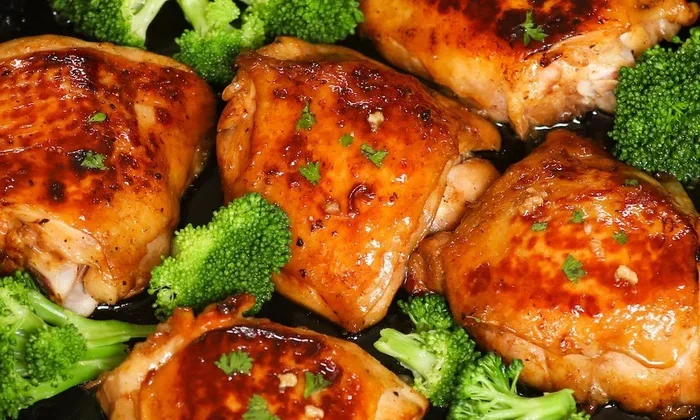
At 400°F, bone-in, skin-on chicken thighs need about 35 to 45 minutes. Boneless thighs cook a bit faster, usually in 25 to 35 minutes. The high heat helps render the fat under the skin, creating that irresistible crispy texture. It also cooks the meat quickly enough to retain moisture. If you’re using a convection oven, drop the time by 5 minutes and the temperature by 25°F.
Here’s a quick reference for oven-baked chicken thighs at 400°F:
- Bone-in, skin-on: 35–45 minutes
- Boneless, skinless: 25–35 minutes
- Internal temp: 165°F in the thickest part
Always let the chicken rest for 5–10 minutes after pulling it from the oven. This allows the juices to redistribute. Cutting too early releases that precious moisture onto the cutting board instead of keeping it in the meat.
Time for 350°F and 375°F
Lower temperatures are great for slower, more even cooking. At 350°F, bone-in thighs take 50–60 minutes. Boneless thighs need 35–45 minutes. The lower heat gives you a wider window, which is helpful if you’re roasting vegetables on the same pan. At 375°F, you’ll land somewhere in between—about 40–50 minutes for bone-in and 30–40 minutes for boneless.
The trade-off is less crispy skin. To get a crispier finish at lower temperatures, you can broil the thighs for the last 2–3 minutes. Just stay right by the oven to prevent burning. This method works beautifully when you want tender meat with a little extra crunch.
Factors That Affect Cooking Time
Several things can change how long your chicken thighs need in the oven. Understanding these helps you adjust on the fly.
- Thickness: Thick thighs take longer than thin ones. A large bone-in thigh might need the full 45 minutes, while a small one could be done in 30.
- Starting temperature: Chicken straight from the fridge takes longer than chicken brought to room temperature for 20–30 minutes.
- Oven accuracy: Many home ovens run hot or cold. An oven thermometer can reveal the true temperature inside.
- Pan type: Dark pans absorb more heat and can cook food faster than shiny aluminum. A wire rack also promotes air circulation and crispier skin.
- Crowding: Overcrowding the pan blocks hot air flow, leading to uneven cooking and longer bake times.
Quick Tip: If you’re cooking a large batch, use two pans instead of stacking chicken in one. This ensures even cooking time and better texture.
The Best Oven Temperature for Chicken Thighs
Temperature is the biggest lever you have for controlling both oven time and final texture. Most chefs agree that 400°F is the best all-around temperature for chicken thighs. It’s hot enough to crisp the skin quickly but not so hot that the outside burns before the inside cooks through.
Let’s compare the three most common temperature settings so you can choose the right one for your schedule and preferences.
| Oven Temp | Bone-In Time | Boneless Time | Best For |
|---|---|---|---|
| 350°F | 50–60 min | 35–45 min | Slow roasting with veggies |
| 375°F | 40–50 min | 30–40 min | Balanced flavor and texture |
| 400°F | 35–45 min | 25–35 min | Crispy skin, juicy meat |
| 425°F | 25–35 min | 18–25 min | Quick weeknight dinners |
As you can see, higher temperatures dramatically cut the baking time. But they also require closer attention. At 425°F, the skin can go from golden to burnt in just a few minutes. If you’re new to roasting chicken, stick with 400°F. It’s the safest choice for consistently delicious results.
Why 400°F Is the Sweet Spot
At 400°F, the Maillard reaction kicks in quickly. This is the chemical process that creates browning and complex flavors on the surface of the meat. The fat under the skin renders and bastes the chicken from within. You get a crisp, golden exterior and a juicy, tender interior. The interior reaches a safe 165°F without drying out the outer layers.
Also, 400°F is hot enough to cook the thighs through in under an hour, which means less time spent waiting. For a Tuesday family dinner, that speed is a real advantage.
Lower Temperatures for Slow Baking
Some cooks prefer 325°F or 350°F for a hands-off approach. The meat cooks gently and stays incredibly moist. The downside is that the skin won’t get as crispy. If you don’t mind soft skin, low and slow is a perfectly valid method. Just remember to increase the cooking time accordingly and use a meat thermometer to check doneness.
Bone-In vs. Boneless Chicken Thighs: Time Differences
The bone matters more than many people realize. Bone-in thighs have a layer of meat around the bone that heats up more slowly. This adds both flavor and cooking time. Boneless thighs, on the other hand, cook faster and are easier to slice for serving.
Bone-In Thighs: Longer but More Flavorful
Bone-in, skin-on thighs are the favorite for roasting. The bone imparts a richer, more succulent flavor. The skin crisps up beautifully when exposed to direct heat. Expect an extra 5–10 minutes of oven time compared to boneless cuts. At 400°F, plan for 35–45 minutes for bone-in thighs.
Here’s a quick comparison of the two styles:
- Bone-in thighs: More flavorful, juicier, crispier skin, longer cook time.
- Boneless thighs: Faster cooking, easier to eat, slightly less moisture retention.
If you’re short on time, boneless thighs are the way to go. But if you want the best flavor and texture, bone-in is worth the extra minutes.
Boneless Thighs: Faster Cooking
Boneless, skinless thighs can be done in as little as 18–25 minutes at 425°F. They’re ideal for quick salads, wraps, or meal prep. Because there’s no bone, the heat penetrates evenly, so you don’t have to worry about uneven cooking. Just be careful not to overcook them—boneless thighs dry out faster than bone-in ones.
Common Mistake: Many people overcook boneless thighs because they treat them the same as bone-in. Reduce the baking time by at least 5–10 minutes and check the temperature early.
Step-by-Step Guide to Perfect Oven Chicken Thighs
Follow these simple steps to get restaurant-quality chicken thighs every time. The process is straightforward, but the details make all the difference.
Prep and Seasoning
Start by preheating your oven to 400°F. While it warms up, pat the chicken thighs dry with paper towels. Dry skin crisps up much better than wet skin. Season generously with salt, pepper, garlic powder, and paprika. For extra flavor, drizzle a little olive oil and a squeeze of lemon over the top.
Let the seasoned thighs sit at room temperature for 20–30 minutes before baking. This small step ensures they cook evenly from edge to center. If you’re in a rush, you can skip this, but the results won’t be as uniform.
Expert Insight: A simple marinade of yogurt, lemon, and spices works wonders for tandoori-style chicken. If you want to try that flavor profile, you can make a tandoori oven at home for an even more authentic result. The smoky, charred flavor pairs beautifully with chicken thighs.
Baking Process and Resting
Place the thighs skin-side up on a wire rack set over a baking sheet. The rack allows hot air to circulate underneath, which crisps the skin evenly. Bake for 35–45 minutes, or until a meat thermometer reads 165°F in the thickest part of the thigh.
Once done, transfer the chicken to a clean cutting board and let it rest for 5–10 minutes. This resting period is non-negotiable. The juices settle back into the meat, making every bite succulent. If you skip this step, the chicken will dry out quickly when you cut into it.
Quick Tip: If you want to keep the chicken warm while resting, tent it loosely with aluminum foil. Never seal it tightly, or you’ll trap steam and soften the crispy skin.
Common Mistakes That Dry Out Your Chicken
Even experienced cooks sometimes make errors that lead to dry, tough chicken thighs. Knowing these pitfalls helps you avoid them.
Overcooking and Wrong Temperature
The number one cause of dry chicken is overcooking. Every minute beyond 165°F pulls moisture out of the meat. Relying on color or time alone is risky. Always use a meat thermometer. Insert it into the thickest part of the thigh, avoiding the bone. The reading should be 165°F for safe, juicy chicken.
Another mistake is opening the oven door too often. Each peek lets heat escape and can add 5–10 minutes to the total cooking time. Trust the process and check only once near the end.
Skipping the Resting Period
Cutting into chicken immediately after it comes out of the oven releases all the juices onto the board. The meat ends up dry and flavorless. Give it at least 5 minutes to rest. For larger bone-in thighs, 10 minutes is even better. This step is just as important as the baking itself.
Expert Insight: Some people wonder if they can rest chicken on a pizza box to keep it warm. Before doing that, make sure you know the answer. Check is it safe to put a pizza box in the oven first. Cardboard can ignite at high temperatures, so always use a proper cutting board or warm plate.
Expert Tips for Juicy, Flavorful Results
Take your oven chicken thighs to the next level with these professional tricks. They’re simple, but they make a huge difference in texture and taste.
Brining and Marinating
Brining is the process of soaking chicken in a saltwater solution for 30 minutes to 2 hours. The salt penetrates the muscle fibers and helps them retain moisture during cooking. Even a quick 30-minute brine in 4 cups of water with ¼ cup of salt makes a noticeable difference. For deeper flavor, add herbs, garlic, and citrus to the brine.
Marinating works similarly. A yogurt-based marinade tenderizes the meat and adds a tangy depth. For a Mediterranean twist, use olive oil, lemon, oregano, and a pinch of cumin. Let the thighs marinate for at least 30 minutes, or up to overnight in the fridge.
Using a Meat Thermometer
A meat thermometer is the most important tool in your kitchen. It removes all guesswork and takes the stress out of roasting chicken. Digital instant-read thermometers are affordable and give readings in seconds. Insert the probe into the center of the thickest part of the thigh, making sure it doesn’t touch the bone.
For extra-crispy skin, try this pro move: broil the thighs for the last 2 minutes. Watch them closely, because the broiler can burn the skin in under a minute. This trick gives you that deep golden color you see at restaurants.
Convection vs. Conventional Ovens
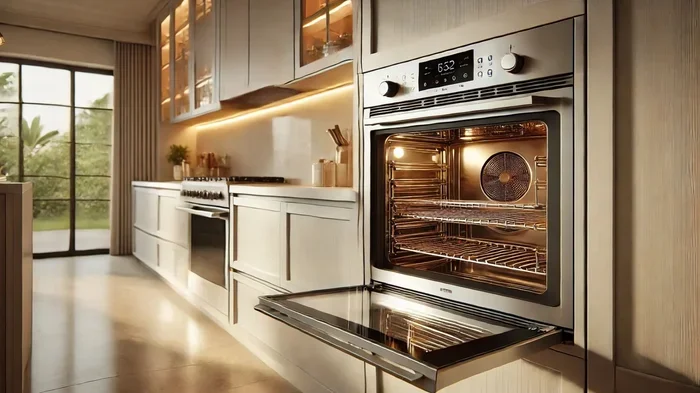
If your oven has a convection setting, use it for chicken thighs. The fan circulates hot air around the food, cooking it faster and more evenly. Reduce the temperature by 25°F and the time by about 5 minutes. Convection ovens also produce crispier skin because the circulating air pulls moisture away from the surface.
For those who love oven-baked meats beyond chicken, consider trying how to cook stuffed rouladen in the oven. The technique is similar—high heat, a wire rack, and a meat thermometer—and the results are equally impressive.
Conclusion
So, how long does chicken thighs take to cook in the oven? The short answer is 35–45 minutes at 400°F for bone-in thighs, and 25–35 minutes for boneless. But the real secret is knowing your oven, using a thermometer, and letting the chicken rest. Once you master these basics, you can confidently bake chicken thighs any night of the week.
Remember that oven time varies with temperature, thickness, and bone-in status. Use the table above as your starting point, then adjust based on your own oven’s performance. With a little practice, you’ll consistently produce crispy-skinned, juicy chicken thighs that everyone will love. Happy cooking!
Frequently Asked Questions
How long does it take to bake chicken thighs at 350°F?
At 350°F, bone-in chicken thighs need 50–60 minutes, while boneless thighs take 35–45 minutes. The lower temperature cooks the meat more slowly, so it stays very moist. Always check that the internal temperature reaches 165°F before serving.
Can you overcook chicken thighs in the oven?
Yes, overcooking is the most common mistake. Chicken thighs can become dry and tough if baked too long. Using a meat thermometer is the best way to prevent this. Pull them out as soon as the thickest part reaches 165°F.
Is it better to bake chicken thighs covered or uncovered?
Bake them uncovered for crispy skin. Covering traps steam and keeps the skin soft. If you prefer very tender meat with less focus on crispiness, you can cover with foil for the first 30 minutes, then uncover for the last 10–15 minutes to brown the skin.
How do you know when chicken thighs are done without a thermometer?
The juices should run clear when you pierce the thickest part. The meat should feel firm, not rubbery, when pressed. However, a thermometer is far more reliable and takes the guesswork out entirely. Aim for 165°F.
Can you cook frozen chicken thighs in the oven?
Yes, but you need to add about 50% more cooking time. Frozen thighs will take roughly 50–60 minutes at 400°F. Make sure the internal temperature reaches 165°F. For best results, thaw them first for more even cooking.
What is the best way to reheat leftover oven-baked chicken thighs?
Reheat in the oven at 350°F for 10–15 minutes. This keeps the skin crispy and the meat moist. Avoid microwaving, which can make the skin soggy and the meat rubbery. A quick splash of broth before reheating also helps retain moisture.