Can Emeril Pans Go In The Oven And What You Need To Know
Yes, most Emeril pans are oven-safe, but the temperature limit depends on the material and handle type. Understanding your pan’s oven capabilities helps you sear, bake, and finish dishes with confidence. This guide covers every Emeril line, safety tips, and practical oven uses so you can get the most from your cookware.
You love your Emeril pans. They work great on the stovetop, look beautiful on your cooktop, and make cooking a joy. But then you wonder: can you put them in the oven? Maybe you want to finish a steak in the oven, or bake a casserole right in the pan you cooked it in. The good news is that most Emeril pans can go in the oven, but there are some important details you need to know first.
This guide covers everything about Emeril pans and oven use. We will look at different pan types, temperature limits, safety tips, and practical ways to use your cookware in the oven. Whether you own an Emeril cast iron skillet, a non-stick frying pan, or a stainless steel sauté pan, you will find the answers you need right here.
Let us dive in and make sure you are using your Emeril pans safely and to their full potential.
Key Takeaways
- Most Emeril pans are oven-safe: Check the manufacturer’s guidelines for your specific line and model.
- Temperature limits vary: Stainless steel and cast iron can handle higher heat than non-stick coatings.
- Handle material matters: Silicone-wrapped or phenolic handles are oven-safe; plastic handles are not.
- Use Emeril pans for multiple cooking methods: From stovetop searing to oven finishing and baking.
- Always preheat gradually: Avoid thermal shock by letting your pan warm up slowly in the oven.
- Proper care extends pan life: Follow cleaning and storage tips to keep your cookware performing well.
📑 Table of Contents
- Can Emeril Pans Go In The Oven?
- Emeril Pan Materials and Their Oven Limits
- How to Safely Use Emeril Pans in the Oven
- Best Uses for Emeril Pans in the Oven
- Common Mistakes to Avoid When Using Emeril Pans in the Oven
- Expert Tips for Getting the Most from Your Emeril Pans
- Comparison: Emeril Pan Types and Oven Safety
- How to Know If Your Specific Emeril Pan Is Oven-Safe
- Final Thoughts on Using Emeril Pans in the Oven
- Conclusion
Can Emeril Pans Go In The Oven?
The short answer is yes. Most Emeril cookware is designed to handle oven heat. But the word “most” is key. Not every Emeril pan handles the same temperatures, and not every part of the pan is oven-safe. The handle, the lid, and any non-stick coating all play a role in determining whether your pan can go in the oven.
Emeril Lagasse, the famous chef behind the brand, has designed cookware lines for home cooks who want professional-quality tools. Many of these pieces are built for stovetop-to-oven cooking. This means you can start a dish on the burner and transfer it to the oven without missing a beat.
Before you put any pan in the oven, always check the manufacturer’s guidelines. Look for oven-safe symbols on the bottom of the pan or read the product manual. When in doubt, contact Emeril’s customer service. They can confirm the exact temperature limit for your specific model.
Why Oven-Safe Cookware Matters
Using the wrong pan in the oven can lead to serious problems. A pan with a plastic handle can melt. A non-stick pan with a low heat limit can release harmful fumes. A pan that is not oven-safe can warp or crack under high heat. These risks are not just about ruining your cookware. They can also be a safety hazard in your kitchen.
When you know your oven-safe cookware limits, you cook with confidence. You can try new recipes, experiment with different cooking methods, and get better results every time. Understanding your pans also helps you avoid costly mistakes and keeps your kitchen safe.
Emeril Pan Materials and Their Oven Limits
Different Emeril pans are made from different materials. Each material has its own oven-safe temperature range. Here is a breakdown of the most common Emeril pan materials and what you need to know about using them in the oven.
Cast Iron Emeril Pans
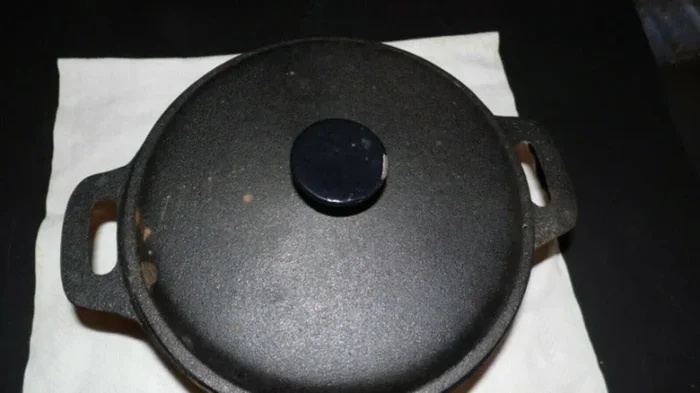
Cast iron is one of the most heat-resistant materials you can find in cookware. Emeril cast iron skillets and Dutch ovens can typically handle temperatures up to 500°F or higher. Cast iron heats slowly but holds heat incredibly well. This makes it perfect for oven use.
You can use Emeril cast iron pans for baking, broiling, and roasting. The even heat distribution ensures your food cooks consistently. Cast iron also works great for oven finishing. Sear your steak on the stovetop, then transfer it to the oven for a perfect medium-rare finish.
One thing to keep in mind: cast iron is heavy. When you take a hot cast iron pan out of the oven, use oven mitts and a firm grip. Also, never plunge a hot cast iron pan into cold water. This can cause the pan to crack or warp.
Stainless Steel Emeril Pans
Stainless steel Emeril pans are another excellent choice for oven use. Most stainless steel pans can handle temperatures between 400°F and 500°F. They are durable, non-reactive, and easy to clean. Stainless steel does not release harmful fumes, even at high temperatures.
These pans work well for baking, roasting, and making pan sauces that finish in the oven. The smooth surface allows for easy food release when properly preheated. Many home cooks love stainless steel for its versatility and long-lasting performance.
One tip: stainless steel can develop hot spots if not preheated correctly. Always preheat your pan on medium heat before adding oil or food. This helps create an even cooking surface and prevents sticking.
Non-Stick Emeril Pans
Non-stick Emeril pans have some limitations when it comes to oven use. Most non-stick coatings can handle temperatures up to about 350°F to 400°F. Going above this limit can damage the coating and release harmful fumes. Always check the specific temperature rating for your non-stick Emeril pan.
Non-stick pans are great for gentle oven tasks like baking eggs, making frittatas, or warming leftovers. They are not ideal for high-heat broiling or baking at very high temperatures. If you need high-heat performance, consider using a stainless steel or cast iron pan instead.
To keep your non-stick coating in good shape, avoid using metal utensils and abrasive cleaners. Hand wash your non-stick pans when possible, and store them carefully to prevent scratches.
Aluminum Emeril Pans
Aluminum pans heat up quickly and distribute heat evenly. Most aluminum Emeril pans can handle oven temperatures up to 400°F to 450°F. They are lightweight and affordable, making them a popular choice for everyday cooking.
Aluminum works well for baking sheet pan dinners, roasting vegetables, and making baked pasta dishes. Some aluminum pans come with a non-stick coating, which may lower the oven-safe temperature. Always check the product specifications before placing an aluminum pan in the oven.
How to Safely Use Emeril Pans in the Oven
Now that you know which Emeril pans can go in the oven, let us talk about how to use them safely. Following a few simple rules will keep you and your cookware safe while you cook.
Check the Handle Material
The handle is one of the most important parts to consider. If your Emeril pan has a silicone-wrapped or phenolic handle, it is likely oven-safe up to a certain temperature. These materials can withstand heat without melting or becoming too hot to touch.
However, if your pan has a plastic or wooden handle, it may not be oven-safe. Plastic handles can melt at high temperatures. Wooden handles can dry out, crack, or even scorch. Always check the manufacturer’s guidelines for handle-specific temperature limits.
Some Emeril pans come with removable handles. These are incredibly versatile because you can take the handle off before placing the pan in the oven. This gives you more flexibility and reduces the risk of handle damage.
Preheat Gradually
One of the most important tips for oven-safe cookware is to preheat gradually. Never place a cold pan directly into a hot oven. The sudden temperature change can cause thermal shock, which may warp or crack the pan.
Instead, place your pan in a cold oven and let it heat up along with the oven. This slow temperature increase protects the pan and ensures even cooking. It is a small habit that makes a big difference in the life of your cookware.
Use Oven Mitts
Always use oven mitts when removing your Emeril pan from the oven. Even if the handle is oven-safe, it may still get hot. A good pair of oven mitts protects your hands and gives you a secure grip. Keep your mitts near the oven so they are always within reach.
Avoid Abrasive Cleaning
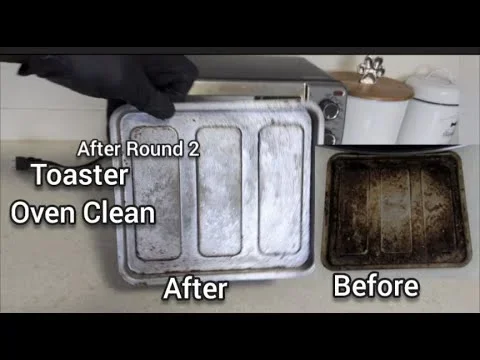
After using your Emeril pan in the oven, let it cool down before washing. Avoid using abrasive scrubbers or harsh chemicals, especially on non-stick surfaces. Warm soapy water and a soft sponge work best for most cookware. Proper cleaning keeps your pans performing well for years.
Best Uses for Emeril Pans in the Oven
Emeril pans are incredibly versatile. Once you know they are oven-safe, you can use them for so much more than stovetop cooking. Here are some of the best ways to use your Emeril pans in the oven.
Finishing Steaks and Proteins
One of the most popular ways to use an oven-safe pan is to sear on the stovetop and finish in the oven. This technique works beautifully for steaks, pork chops, chicken breasts, and fish fillets. You get a gorgeous crust from the stovetop sear and even cooking from the oven heat.
For example, preheat your oven to 400°F. Sear your steak in an oven-safe Emeril skillet on the stovetop for about two minutes per side. Then transfer the pan to the oven and cook for 5 to 8 minutes, depending on thickness and desired doneness. The result is a perfectly cooked steak with a flavorful crust.
This method is similar to techniques used for cooking hamburger steak in the oven, where you build flavor on the stovetop and finish with gentle oven heat.
Baking Casseroles and Bakes
Many Emeril pans are deep enough to serve as baking dishes. You can mix your casserole ingredients in the pan on the stovetop, then transfer it straight to the oven. This saves you from dirtying extra dishes and makes cleanup much easier.
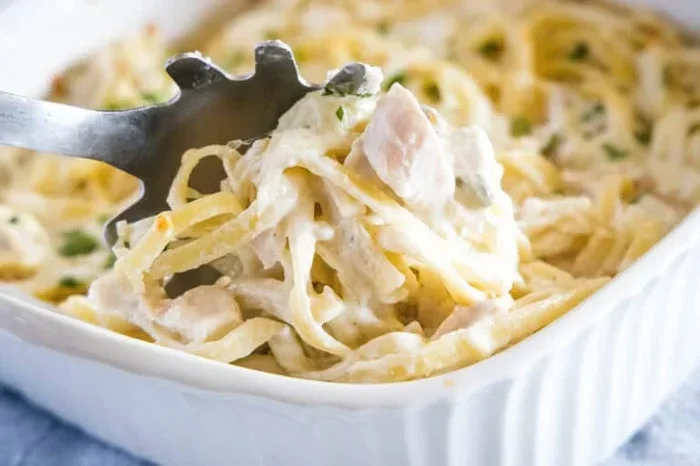
Try making a chicken and rice casserole, a baked pasta dish, or a vegetable gratin in your Emeril pan. The even heat distribution of stainless steel or cast iron ensures your bake comes out perfectly every time.
Roasting Vegetables and Proteins
Emeril pans work great for roasting. Toss vegetables with olive oil and seasonings, spread them in the pan, and roast in the oven at 425°F. The wide surface area of a skillet allows vegetables to cook evenly and develop a nice caramelization.
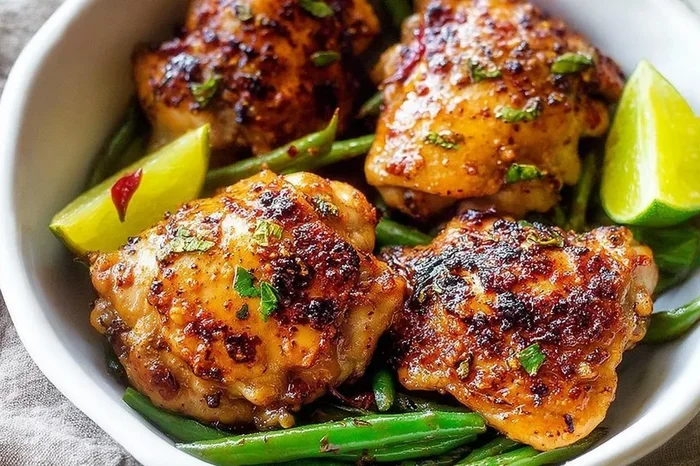
You can also roast chicken thighs, salmon fillets, or pork tenderloin in an Emeril pan. The oven-safe construction handles high roasting temperatures with ease.
Making One-Pan Meals
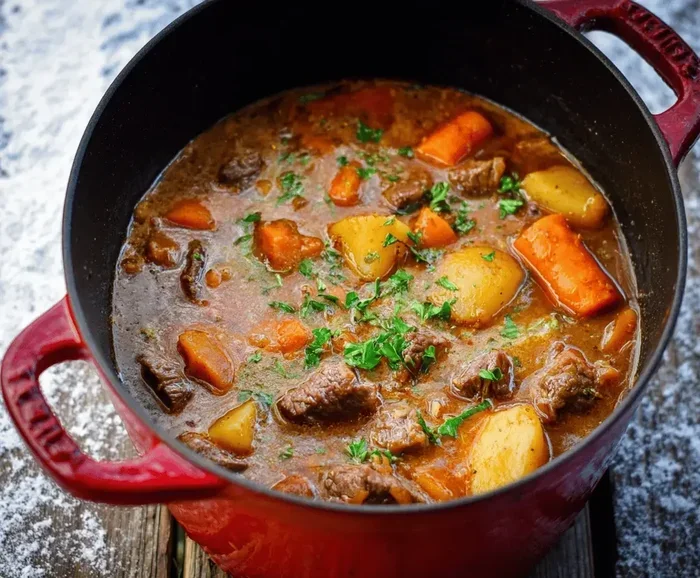
One-pan meals are a home cook’s best friend. You can brown meat on the stovetop, add vegetables and liquids, and then transfer the whole pan to the oven. This method works for dishes like oven cauliflower steaks and many other roasted vegetable dishes.
One-pan cooking saves time and reduces cleanup. It is also a great way to develop deep, layered flavors in your food. The combination of stovetop searing and oven roasting creates dishes that are rich and satisfying.
Common Mistakes to Avoid When Using Emeril Pans in the Oven
Even experienced cooks make mistakes when using cookware in the oven. Here are some common errors to avoid with your Emeril pans.
Ignoring the Temperature Limit
Every pan has a temperature limit. Exceeding it can damage the pan and release harmful fumes. Never assume your pan can handle any temperature just because it looks sturdy. Always check the manufacturer’s recommended maximum oven temperature before using your pan.
Using a Pan with a Damaged Handle
A cracked or loose handle is a safety hazard. Do not put a damaged pan in the oven. The handle could break while the pan is hot, causing burns or spills. Inspect your pan handles regularly and replace any damaged pieces before using the pan again.
Placing a Cold Pan on a Hot Surface
Never place a cold pan on a hot oven rack or a hot stovetop burner. This sudden temperature change can warp the pan or crack the surface. Always allow your pan to adjust to temperature changes gradually.
Using the Wrong Utensils
Metal utensils can scratch non-stick surfaces, especially when used at high temperatures. Use wooden, silicone, or nylon utensils with your non-stick Emeril pans. This protects the coating and extends the life of your cookware.
Expert Tips for Getting the Most from Your Emeril Pans
To help you get the best results from your Emeril cookware, here are some expert tips that experienced cooks swear by.
- Season your cast iron pans regularly. A well-seasoned cast iron pan performs better in the oven and releases food more easily.
- Preheat your pan before adding oil. This creates a better sear and prevents sticking, whether you are cooking on the stovetop or finishing in the oven.
- Let your pan cool before washing. Sudden temperature changes can damage the pan’s surface. Always allow it to cool to room temperature first.
- Store your pans carefully. Stack pans with a paper towel or cloth between them to prevent scratches.
- Use the right pan for the right task. Not every pan is suited for every job. Choose your pan based on the cooking method and temperature required.
These simple habits will keep your Emeril cookware in excellent condition and help you achieve better cooking results every time you use the oven.
Comparison: Emeril Pan Types and Oven Safety
Here is a quick comparison of the most common Emeril pan types and their oven safety features.
| Pan Type | Oven-Safe Temp | Handle Safe? | Best Oven Use |
|---|---|---|---|
| Cast Iron | Up to 500°F+ | Yes (bare iron) | Baking, broiling, searing and finishing |
| Stainless Steel | Up to 500°F | Yes (metal) | Roasting, baking, pan sauces |
| Non-Stick | Up to 400°F | Varies | Frittatas, gentle baking, warming |
| Aluminum | Up to 450°F | Varies | Sheet pan dinners, roasting |
Always double-check the specific temperature rating for your pan model. The table above provides general guidelines, and individual products may vary.
How to Know If Your Specific Emeril Pan Is Oven-Safe
If you are unsure about your specific Emeril pan, here are a few ways to find out if it is oven-safe.
- Check the bottom of the pan. Look for an oven-safe symbol or a maximum temperature rating stamped into the metal.
- Read the product manual. Every Emeril pan comes with a manual or instruction card that includes oven safety information.
- Visit the Emeril website. The official Emeril website has detailed product specifications for every cookware line.
- Contact customer service. If you cannot find the information, reach out to Emeril’s customer support team. They can confirm the oven-safe status of your specific pan.
Taking a few minutes to verify your pan’s oven safety can save you from costly mistakes and kitchen accidents. It is always better to check first than to find out the hard way.
Final Thoughts on Using Emeril Pans in the Oven
The answer to the question “can Emeril pans go in the oven” is a reassuring yes for most models. With the right knowledge and a few simple precautions, you can use your Emeril cookware for stovetop-to-oven cooking with confidence. Remember to check the temperature limit, inspect the handle material, and preheat gradually.
Your Emeril pans are built to last and designed for versatile cooking. From searing steaks to baking casseroles to roasting vegetables, these pans can handle it all. Treat them well, follow the manufacturer’s guidelines, and they will serve you beautifully for years to come.
So go ahead. Take that beautiful Emeril pan from the stovetop to the oven. Try a new recipe. Experiment with new techniques. The more you use your cookware, the more confident you will become in the kitchen.
Conclusion
Emeril pans are oven-safe for most cooking tasks, but knowing your specific pan’s limits is essential. Cast iron and stainless steel models handle the highest temperatures, while non-stick pans require more care. Always check the handle material, preheat gradually, and follow the manufacturer’s guidelines. With the right approach, your Emeril cookware becomes a versatile tool for both stovetop and oven cooking. Use these tips, enjoy your cooking, and make the most of every meal you prepare in your kitchen.
Frequently Asked Questions
Can all Emeril pans go in the oven?
Most Emeril pans are oven-safe, but not all of them. The oven-safe temperature depends on the pan material and handle type. Always check the manufacturer’s guidelines for your specific model before placing it in the oven.
What is the maximum oven temperature for Emeril non-stick pans?
Most Emeril non-stick pans can handle temperatures up to 350°F to 400°F. Exceeding this limit can damage the non-stick coating and release harmful fumes. Always check the product specifications for the exact temperature rating.
Can Emeril cast iron pans go under the broiler?
Yes, most Emeril cast iron pans are broiler-safe. Cast iron handles very high heat and distributes it evenly. However, always remove any plastic or silicone components before placing the pan under the broiler, and use oven mitts when handling the hot pan.
How do I know if my Emeril pan handle is oven-safe?
Check the product manual or look for an oven-safe symbol on the pan. Silicone-wrapped and phenolic handles are typically oven-safe up to a certain temperature. Plastic handles are generally not oven-safe and should be kept away from direct heat.
Can I put an Emeril pan with a glass lid in the oven?
Some Emeril pans come with glass lids that are oven-safe, but others are not. Glass lids can crack under high heat if they are not tempered. Always check the lid specifications separately from the pan and verify the maximum temperature rating.
What is the best way to clean an Emeril pan after oven use?
Let the pan cool down to room temperature before washing. Use warm soapy water and a soft sponge for most Emeril pans. For cast iron, avoid using soap and instead scrub with a brush and hot water. Dry the pan thoroughly after washing to prevent rust and maintain its performance.