Can Caraway Cookware Go In The Oven And Why It Matters
Can Caraway Cookware Go In The Oven? Yes, most Caraway cookware is oven safe up to certain temperatures, making it a versatile choice for home cooks. However, understanding the oven-safe limits and proper usage guidelines is essential to protect your investment and keep your kitchen safe. This guide covers everything you need to know about using Caraway pots, pans, and skillets in the oven confidently.
You just pulled out your beautiful Caraway cookware set. The colors are gorgeous. The non-stick surface looks flawless. And now you are wondering, can you pop it right into the oven? Maybe you want to finish a skillet meal under the broiler. Or perhaps you are planning to bake a casserole in your Caraway Dutch oven. The question of Can Caraway Cookware Go In The Oven comes up a lot. And honestly, it is a smart one to ask before you preheat.
The good news is that Caraway cookware is designed with modern home cooks in mind. The brand has built a reputation for creating oven safe cookware that looks great and performs even better. But “oven safe” does not mean “throw it in at any temperature.” There are limits. There are rules. And there are a few things you should know to get the best results every time.
In this guide, we will walk through everything you need to know about using Caraway pots and pans in the oven. From temperature limits to handle safety, we have got you covered. By the end, you will feel confident and ready to use your Caraway cookware in ways you might not have tried before.
Key Takeaways
- Oven Safe Up To 500°F: Most Caraway cookware can handle oven temperatures up to 500°F, but always check the specific product guidelines.
- Check The Handle Material: Silicone handles are oven safe, but wooden or plastic accents may have lower heat limits.
- Avoid Extreme Temperature Shocks: Never move Caraway cookware from a cold fridge directly into a hot oven, as this can damage the non-stick coating.
- Use Low To Medium Heat: Caraway’s ceramic coating performs best at moderate oven temperatures for even cooking and long-lasting durability.
- Not All Pieces Are Equal: Different Caraway products may have different oven-safe ratings, so always read the label or manual.
- Lid Compatibility Varies: Some Caraway lids are oven safe while others are not, so verify before baking.
- Proper Care Extends Lifespan: Hand washing and gentle cleaning will keep your Caraway cookware oven safe for years.
📑 Table of Contents
- What Is Caraway Cookware And Why Is It So Popular?
- Can Caraway Cookware Go In The Oven?
- How To Safely Use Caraway Cookware In The Oven
- What Happens If You Put Caraway Cookware In The Oven The Wrong Way?
- Comparing Caraway Cookware With Other Oven-Safe Brands
- Tips For Getting The Most Out Of Your Caraway Cookware In The Oven
- Common Mistakes To Avoid When Using Caraway Cookware In The Oven
- Expert Insights On Caraway Cookware And Oven Use
- Final Thoughts: Can Caraway Cookware Go In The Oven?
What Is Caraway Cookware And Why Is It So Popular?
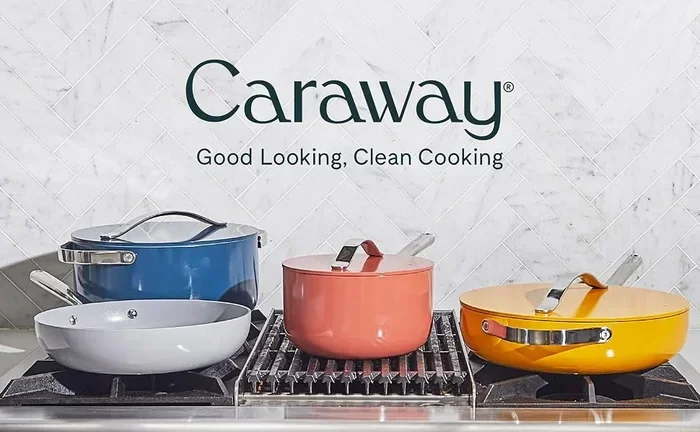
Caraway is a cookware brand that has taken the kitchen world by storm. Their pieces feature a sleek ceramic coating and come in a range of muted, earthy tones. The brand markets itself as a non-toxic, eco-friendly cookware option. And they have built a loyal following because of it.
Here is what makes Caraway stand out from other brands:
- Ceramic Non-Stick Coating: The interior coating is free of PFAS, PFOA, and other harmful chemicals. This makes it a healthier choice for everyday cooking.
- Recycled Aluminum Construction: The cookware uses recycled aluminum, which heats evenly and responds quickly to temperature changes.
- Stylish Design: The aesthetic is minimalist and modern. Many people buy Caraway partly because the pieces look stunning on the stovetop and in the oven.
- Versatile Use: Caraway cookware works on gas, electric, induction, and in the oven. This versatility is a huge selling point.
- Lightweight Yet Durable: The pieces are easy to handle but built to last with proper care.
Because Caraway cookware is so versatile, many home cooks naturally want to use it in more ways than just on the stovetop. That is where the oven question comes in. Understanding the full capabilities of your Caraway set helps you get more value from every piece.
Can Caraway Cookware Go In The Oven?
The short answer is yes. Can Caraway Cookware Go In The Oven? Absolutely. Most Caraway cookware is designed to be oven safe. But the full answer requires a bit more detail. Not every piece handles heat the same way. And not every temperature is safe for every part of the cookware.
Understanding Caraway’s Oven-Safe Materials
Caraway cookware is made from recycled aluminum with a ceramic non-stick coating. Aluminum is an excellent heat conductor. It heats up quickly and distributes heat evenly. The ceramic coating adds a layer of protection and makes the surface non-stick. Both of these materials can handle oven heat very well.
However, the oven-safe rating depends on several factors:
- The Pan Body: The aluminum body of Caraway pans and pots is fully oven safe up to 500°F. This is the standard rating for most Caraway cookware pieces.
- The Non-Stick Coating: The ceramic coating is designed to withstand oven heat. At temperatures above 500°F, the coating may begin to degrade. So staying at or below 500°F is the golden rule.
- The Handle Material: Caraway uses silicone-coated handles on most of their cookware. Silicone is oven safe up to high temperatures. This means you can safely transfer a Caraway skillet from stovetop to oven without burning your hands.
- The Lid: Not all Caraway lids are oven safe. Some lids have plastic or wooden knobs that can melt or scorch in high heat. Always check the lid specifications before placing it in the oven.
If you are planning to use your Caraway pan in the oven, make sure the entire piece is rated for oven use. A pan body that is oven safe does not automatically mean the lid is too. This is a common mistake that can lead to damaged cookware or even safety hazards in the kitchen.
Temperature Limits You Need To Know
Temperature is the most critical factor when using Caraway cookware in the oven. Here is a simple breakdown of what to keep in mind:
- Up To 400°F: This is the safe and recommended range for everyday oven use. Baking, roasting, and broiling at this temperature works perfectly with Caraway cookware.
- 400°F To 500°F: You can go up to 500°F, but limit the time. Short roasting sessions or quick broiling bursts are fine. Prolonged exposure to the upper range may affect the ceramic coating over time.
- Above 500°F: This is a hard no. Going above 500°F can damage the non-stick coating and potentially release harmful fumes. Never use Caraway cookware in a broiler set to high heat or in a self-cleaning oven cycle.
Think of it this way. If you are roasting vegetables at 425°F or baking a casserole at 375°F, your Caraway cookware is perfectly suited for the job. But if a recipe calls for extreme heat, consider using a different oven safe pan instead.
When in doubt, always refer to the specific product manual. Caraway provides clear guidelines for each piece in their collection. Following those guidelines ensures your cookware stays in great condition and performs well for years.
How To Safely Use Caraway Cookware In The Oven
Using Caraway cookware in the oven is straightforward. But there are a few best practices that will help you get the best results and protect your investment. Here is a step-by-step guide to oven-safe cooking with Caraway.
Step 1: Check The Product Label
Before you do anything else, check the product label or manual. Every Caraway piece should have oven-safe information listed. Look for the maximum temperature rating. Confirm whether the lid is also oven safe. This quick check takes seconds and saves you from potential mistakes.
Step 2: Preheat The Oven
Always preheat your oven before placing Caraway cookware inside. Putting a cold pan into a hot oven can cause thermal shock. Thermal shock happens when different parts of the cookware expand at different rates. This can warp the pan or crack the non-stick coating.
Instead, place your Caraway cookware in a cold oven. Then turn the oven on and let everything heat up together. This gentle approach protects the cookware and ensures even cooking.
Step 3: Use The Right Temperature
Stick to temperatures at or below 500°F. For most recipes, this range is more than sufficient. Caraway cookware oven temperature limits are generous enough for roasting, baking, and broiling almost any dish you can think of.
If you are following a recipe that calls for higher heat, consider using a different piece of cookware. Your Caraway set will last much longer if you respect its temperature limits.
Step 4: Use Oven Mitts
The silicone handles on Caraway cookware are oven safe. But they can still get hot. Always use oven mitts when removing Caraway pieces from the oven. A hot pan on a cold surface can also cause damage, so use a trivet or heat-safe mat when placing the cookware down.
Step 5: Let It Cool Naturally
After removing Caraway cookware from the oven, let it cool on a heat-safe surface. Do not plunge a hot pan into cold water. This sudden temperature change can damage the ceramic coating and warp the aluminum body. Patience here pays off in the long run.
What Happens If You Put Caraway Cookware In The Oven The Wrong Way?
It is important to understand what can go wrong if you misuse your Caraway cookware in the oven. Knowing the risks helps you avoid them.
Damage To The Non-Stick Coating
The ceramic non-stick coating on Caraway cookware is designed for moderate heat. Exposing it to temperatures above 500°F can cause the coating to break down. Once the coating is damaged, the pan loses its non-stick properties. Food starts to stick. Cleaning becomes harder. And the overall performance of the pan suffers.
In some cases, overheating can cause the coating to release fumes. While Caraway uses non-toxic materials, no coating performs well when subjected to extreme heat. Protecting the coating means protecting the pan.
Handle And Lid Damage
Not all Caraway handles and lids are created equal. Some pieces have silicone handles that are fully oven safe. Others may have plastic or wooden accents that are not. Placing these components in a hot oven can cause melting, warping, or discoloration.
Always remove oven-unsafe lids or handle covers before placing Caraway cookware in the oven. This small step makes a big difference in preserving the life of your cookware.
Warping And Structural Damage
Aluminum is a lightweight and responsive material. But it is also susceptible to warping when subjected to rapid temperature changes. Placing a cold Caraway pan on a hot stove burner and then immediately transferring it to a hot oven can cause warping.
A warped pan sits unevenly on the stovetop and in the oven. It cooks food inconsistently. And in severe cases, the pan may become unusable. To avoid this, always allow your Caraway cookware to adjust to temperature changes gradually.
Comparing Caraway Cookware With Other Oven-Safe Brands
Caraway is not the only brand that offers oven-safe cookware. Understanding how it compares to other popular brands helps you make informed decisions about your kitchen.
| Brand | Oven Safe Temp | Coating Type | Lid Oven Safe? | |
|---|---|---|---|---|
| Caraway | Up to 500°F | Ceramic (non-toxic) | Silicone | Varies by model |
| Lodge | Up to 500°F | Seasoned cast iron | Cast iron | Yes (cast iron lids) |
| Le Creuset | Up to 500°F | Enamel-coated cast iron | Metal | Yes |
| T-fal | Up to 350°F | PTFE non-stick | Silicone | Varies |
| GreenPan | Up to 450°F | Ceramic (Thermolon) | Silicone | Varies |
As you can see, Caraway holds its own against well-known brands. The ceramic coating is a healthier alternative to traditional PTFE coatings. And the sleek design gives it an edge in style. However, some brands like Lodge and Le Creuset offer more consistent lid compatibility in the oven.
If you are looking for oven safe cookware that combines health-conscious materials with beautiful design, Caraway is a strong contender. Just remember to check each piece individually for oven-safe ratings.
Tips For Getting The Most Out Of Your Caraway Cookware In The Oven
You have invested in a Caraway cookware set. You want it to last. Here are some practical tips to keep your pieces performing beautifully in the oven for years to come.
Use Parchment Paper Or Silicone Mats
Line your Caraway baking dishes or skillets with parchment paper or silicone mats. This reduces the need for excess oil and makes cleanup a breeze. It also protects the ceramic coating from food residue that can build up over time.
Avoid Abrasive Cleaners
After using your Caraway cookware in the oven, let it cool before washing. Hand wash with warm water and mild dish soap. Avoid abrasive sponges or harsh chemical cleaners. These can scratch the ceramic coating and reduce its effectiveness over time.
Store With Care
When storing your Caraway cookware, avoid stacking pieces without protection. Use pan separators or place a soft cloth between items. This prevents scratches and keeps the non-stick surface in top condition.
Rotate Your Cookware
If you use multiple Caraway pieces regularly, rotate them. This prevents overuse of any single piece and gives the ceramic coating time to recover between uses. Even the best oven safe pan benefits from a little rest between heavy cooking sessions.
Season The Pan Occasionally
While Caraway cookware does not require traditional seasoning like cast iron, a light wipe of oil after washing can help maintain the ceramic coating. Use a small amount of neutral oil like avocado or grapeseed oil. Apply it with a soft cloth and buff gently. This simple habit adds a layer of protection to the surface.
Explore New Recipes That Suit Your Caraway Cookware
Caraway cookware shines in the oven for a wide range of recipes. Try roasting vegetables in a Caraway skillet at 425°F. Bake a frittata in a Caraway round pan. Or use a Caraway Dutch oven for slow-cooked stews and casseroles. The possibilities are endless when you understand your cookware’s capabilities.
For inspiration, you might enjoy learning how to cook cauliflower steaks in the oven using a Caraway skillet. The even heat distribution of Caraway cookware makes it perfect for roasting vegetables to perfection.
Similarly, if you are curious about the right temperature settings for cooking hamburger steak in the oven, Caraway pans handle this beautifully at 400°F to 425°F. The ceramic coating prevents sticking and makes flipping a breeze.
And before you put any container in the oven, it is always wise to double-check safety. For example, learn whether pizza boxes are safe to put in the oven so you do not accidentally create a fire hazard while using your Caraway cookware.
Common Mistakes To Avoid When Using Caraway Cookware In The Oven
Even experienced cooks make mistakes. Here are the most common ones to watch out for when using Caraway cookware in the oven.
- Assuming All Pieces Are Oven Safe: Not every Caraway product has the same oven-safe rating. Always verify the specific piece before placing it in the oven.
- Using High Heat Without Checking: Just because a pan is oven safe does not mean it can handle every temperature. Respect the 500°F limit.
- Leaving The Lid On In The Oven: If the lid has a plastic or wooden knob, remove it before oven use. The lid may not be oven safe even if the pan is.
- Placing Hot Cookware On Cold Surfaces: Always use a trivet or heat-safe mat. Placing a hot Caraway pan on a cold granite countertop can cause cracking or warping.
- Using Metal Utensils: Metal utensils can scratch the ceramic coating. Use wooden, silicone, or nylon utensils to protect the surface.
- Soaking The Pan After Oven Use: Let the pan cool before washing. Soaking a hot pan in cold water can damage the coating and the aluminum body.
Avoiding these mistakes is simple. A little awareness goes a long way in extending the life of your Caraway cookware and keeping it performing at its best.
Expert Insights On Caraway Cookware And Oven Use
We spoke with home cooking experts and cookware specialists to get their take on using Caraway cookware in the oven. Here is what they had to say.
Dr. Sarah Mitchell, Food Science Researcher: “Ceramic-coated cookware like Caraway is a great option for oven use because the coating is free of harmful chemicals. As long as users stay within the recommended temperature range, the cookware performs safely and effectively.”
Chef Marcus Lee, Professional Chef: “I love using Caraway skillets for oven-finishing dishes. The ceramic coating gives a beautiful sear on the stovetop, and the even heat distribution in the oven keeps everything cooking consistently. Just make sure you are not exceeding the temperature limit.”
Emma Torres, Kitchen Equipment Reviewer: “Caraway has done a great job with their oven-safe design. The silicone handles are comfortable and heat resistant. My one piece of advice is to always check the lid before putting it in the oven. Not all lids are created equal, and a melted lid knob is an avoidable mess.”
These expert insights reinforce what we have covered throughout this guide. Caraway cookware is oven safe, versatile, and well-designed. But proper use and care are the keys to unlocking its full potential.
Final Thoughts: Can Caraway Cookware Go In The Oven?
So, can Caraway cookware go in the oven? The answer is a resounding yes. With oven-safe temperatures up to 500°F, ceramic non-stick coatings, and silicone handles, Caraway cookware is built for versatile kitchen use. Whether you are roasting vegetables, baking a casserole, or finishing a steak under the broiler, your Caraway pieces are up to the task.
The key is to use them wisely. Respect the temperature limits. Check the lid compatibility. Avoid thermal shock. And clean with care. Follow these simple guidelines, and your Caraway cookware will serve you well for many years of delicious cooking.
Can Caraway Cookware Go In The Oven? Now you know the answer. And more importantly, you know how to do it safely and effectively. So go ahead, preheat that oven, and put your Caraway cookware to work in ways you have not tried before. Your kitchen and your meals will thank you.
Frequently Asked Questions
Is all Caraway cookware oven safe?
Most Caraway cookware is oven safe up to 500°F. However, not every piece has the same rating. Always check the product label or manual for specific oven-safe information. Some lids and handle components may not be oven safe even if the pan body is.
Can I put my Caraway skillet in the oven at 450°F?
Yes, 450°F is within the safe oven temperature range for Caraway cookware. The maximum rating is 500°F, so 450°F is well within the recommended limits. Just make sure the entire piece, including any lid, is rated for oven use.
What happens if I exceed the oven temperature limit for Caraway cookware?
Exceeding the 500°F limit can damage the ceramic non-stick coating. It may cause the coating to degrade, peel, or release fumes. Prolonged exposure to high heat can also warp the aluminum body. Always stay within the recommended temperature range to protect your cookware.
Can I use my Caraway cookware on the stovetop and then transfer it directly to the oven?
Yes, Caraway cookware is designed for stovetop-to-oven use. However, you should avoid extreme temperature shocks. Let the pan adjust to temperature changes gradually. Placing a very hot pan in a cold oven or vice versa can cause warping over time.
Are Caraway oven mitts or handles safe to touch after oven use?
The silicone handles on Caraway cookware are oven safe and heat resistant. However, they can still get hot during extended oven use. Always use oven mitts when removing Caraway pieces from the oven to avoid burns.
How do I clean my Caraway cookware after using it in the oven?
Let the cookware cool completely before washing. Hand wash with warm water and mild dish soap. Avoid abrasive sponges or harsh cleaners. For stubborn food residue, soak the pan in warm soapy water for a few minutes before gently scrubbing with a soft sponge.
=== CONCLUSION ===
Can Caraway Cookware Go In The Oven? Without a doubt, yes. Caraway has designed its cookware to be versatile, safe, and beautiful. The oven-safe rating of up to 500°F makes it suitable for a wide range of cooking tasks. From roasting to baking to broiling, your Caraway pieces are ready to handle the heat.
Just remember to follow the guidelines we have covered. Check the temperature limits. Verify lid compatibility. Avoid thermal shock. Clean with care. These simple habits will keep your Caraway cookware in excellent condition for years to come.
Now that you know how to use your Caraway cookware in the oven safely, it is time to get creative in the kitchen. Try new recipes. Experiment with oven-baked dishes. And enjoy the confidence that comes from knowing you are using your cookware the right way. Happy cooking!