Surprising Uses For Dutch Oven Every Home Cook Needs
A Dutch oven is one of the most versatile cookware pieces you can own. It handles everything from slow-cooked stews to perfect homemade bread right in your kitchen. Cast iron Dutch oven cooking saves time, money, and energy with its amazing heat retention. Whether you are braising, baking, frying, or camping, this one pot does it all. Keep reading to uncover the surprising uses for Dutch oven that will change how you cook forever.
A Dutch oven sits heavy and sturdy on your stove or inside your oven, ready to transform ordinary ingredients into extraordinary meals. This thick-walled pot with a tight-fitting lid has been a kitchen staple for centuries, and for good reason. It distributes heat evenly, locks in moisture, and handles cooking methods that other pots simply cannot.
Many home cooks think of a Dutch oven as just a pot for making soup. But that is only the beginning. The truth is, your cast iron pot can do so much more. From baking crusty bread to cooking a steak indoors, the uses are genuinely surprising. Once you learn what this tool can really do, you will wonder how you ever cooked without it.
This article covers dutch oven uses that go far beyond basic recipes. You will find practical tips, real examples, and ideas you can try tonight. Whether you own an enameled Dutch oven or a bare cast iron version, there is something here for you. Let us dive into the many ways this kitchen hero can make your cooking life easier and more fun.
Key Takeaways
- Dutch oven baking works wonders: You can bake artisan bread, pizza, cakes, and even cookies using just your Dutch oven.
- One-pot meal magic: Dutch oven slow cooking creates tender, flavorful stews and soups with minimal effort.
- Campfire and outdoor cooking made easy: A Dutch oven is perfect for outdoor meals over open flames or coals.
- It replaces multiple pots and pans: Braising, frying, boiling, and roasting all happen in a single Dutch oven.
- Heat retention saves energy: Cast iron holds heat evenly, so you use less gas or electricity while cooking.
- Easy to care for: With proper seasoning and cleaning, a Dutch oven lasts for generations.
📑 Table of Contents
- Why the Dutch Oven Deserves a Spot in Every Kitchen
- Baking Bread and Pastries in a Dutch Oven
- Slow Cooking and Braising for Tender, Flavorful Meals
- One-Pot Meals That Make Weeknight Cooking a Breeze
- Campfire and Outdoor Cooking with a Dutch Oven
- Frying, Searing, and Sauteing in a Dutch Oven
- Other Surprising Uses You Might Not Expect
- Caring for Your Dutch Oven the Right Way
- Choosing the Right Dutch Oven for Your Needs
- Conclusion
Why the Dutch Oven Deserves a Spot in Every Kitchen
The History Behind This Timeless Cookware
The Dutch oven has roots that go back hundreds of years. It was originally designed in the Netherlands as a way to cook slowly over open fires. Early versions were made of cast iron, and they worked incredibly well. The thick walls held heat, and the heavy lid trapped moisture inside. This made it perfect for long, slow cooking.
Over time, the design spread across Europe and eventually to America. Families relied on Dutch ovens for everyday meals. They could cook a full dinner with very little attention. Today, the basic design has not changed much, but the popularity has grown even more. People are rediscovering the benefits of cast iron cooking and why this pot belongs in every home.
What Makes a Dutch Oven So Special
The secret to a Dutch oven is its construction. The walls are thick, which means they hold heat for a long time. The lid fits snugly, which keeps steam and flavor trapped inside. Together, these features create the perfect environment for many types of cooking.
Here is what makes this cookware stand out:
- Heat retention: Cast iron stays hot long after the heat source is removed.
- Even heat distribution: Hot spots are rare, so food cooks consistently.
- Moisture locking: The lid recirculates steam, keeping dishes tender.
- Versatility: You can use it on the stovetop, in the oven, or over a fire.
- Durability: A good Dutch oven lasts for decades, sometimes generations.
Because of these qualities, Dutch oven cooking produces results that are hard to replicate with thinner pans. Your food tastes better, looks better, and requires less hands-on time.
Baking Bread and Pastries in a Dutch Oven
One of the most popular Dutch oven uses is baking bread. If you love fresh, crusty loaves but do not own a bread baker, this is your answer. A Dutch oven creates the perfect steamy environment for bread to rise and develop a crispy, golden crust.
How Dutch Oven Bread Works
When you place dough inside a hot, covered Dutch oven, something magical happens. The trapped steam from the dough keeps the outside soft while the inside cooks through. Then, once the lid comes off, the dry heat crisps up the crust beautifully. The result is a loaf that looks and tastes like it came from a professional bakery.
You do not need a fancy recipe either. A simple mixture of flour, water, salt, and yeast is all you need. The Dutch oven does the heavy lifting. Many home bakers say their first attempt turned out better than anything they made in a regular baking pan.
Beyond Bread: Other Baking Uses
Bread is just the start. You can also use your Dutch oven to bake:
- Pizza: Preheat the pot, slide in your pizza, and get a crispy crust in minutes.
- Cakes: Layer cake pans fit inside most Dutch ovens for even baking.
- Cobbler and fruit desserts: The even heat makes bubbly, golden toppings every time.
- Cookies: Bake a small batch using a baking insert or parchment paper.
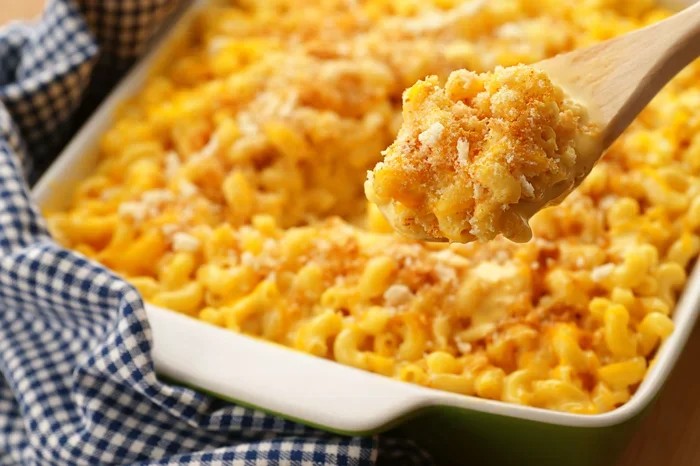
- Casseroles: One-dish baked pasta or lasagna comes together beautifully.
Dutch oven baking saves you from heating up your big oven during summer. It also uses less energy since the pot is smaller and heats up faster. For anyone who loves baked goods, this is a game-changing tip.
Slow Cooking and Braising for Tender, Flavorful Meals
The Dutch oven is a natural slow cooker. Its heavy walls and tight lid create the ideal conditions for low-and-slow cooking. Tough cuts of meat become fall-apart tender, and flavors have time to develop deeply.
Braising Meat Like a Pro
Braising means searing meat first, then cooking it slowly in liquid. A Dutch oven handles both steps perfectly. You sear a chuck roast on the stovetop, add your liquid and vegetables, and then let the oven do the rest. In a few hours, you have a rich, savory dish with minimal effort.
This method works for:
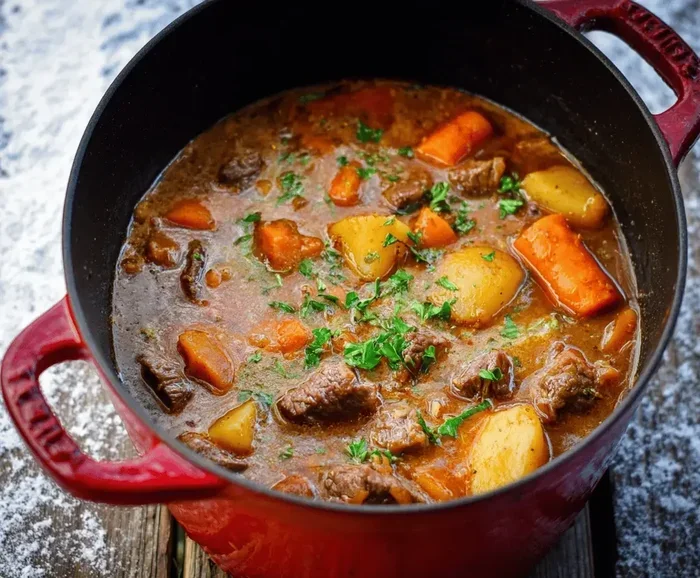
- Beef stew: Hearty, warming, and perfect for cold nights.
- Pork shoulder: Pulled pork that tastes like it cooked all day.
- Short ribs: Rich and gelatinous with a deeply savory sauce.
- Chicken thighs: Crispy skin on the outside, juicy meat inside.
Soups and Stews Made Easy
If you love soup, a Dutch oven is your best friend. The heavy pot keeps a gentle, steady simmer without scorching the bottom. You can make large batches and store leftovers easily. The lid keeps everything hot, so your soup stays warm longer on the table.
Some favorite Dutch oven recipes for soups include minestrone, chicken noodle, and loaded potato soup. For stews, think beef bourguignon, chili, or a simple vegetable stew. The pot does the work, and you simply enjoy the results.
Slow cooking in a Dutch oven also means fewer dishes to wash. You can go from raw ingredients to a finished meal using just one pot. That alone makes it worth having in your kitchen.
One-Pot Meals That Make Weeknight Cooking a Breeze
Busy weeknights call for simple, stress-free cooking. A Dutch oven is perfect for one-pot meals that feed the whole family. You chop, toss, and let the pot do the work while you relax.
Why One-Pot Meals Work So Well
The secret is the even heat and moisture retention. Ingredients cook at the same rate, so nothing burns while waiting for other pieces to finish. Flavors meld together naturally because the lid keeps everything sealed in. You end up with a complete, balanced meal from start to finish.
Here are some easy weeknight ideas:
- Chicken and rice: Brown the chicken, add rice and broth, and let it simmer until fluffy.
- Pasta with sausage and tomatoes: Everything cooks together in one pot.
- Bean chili: Combine beans, tomatoes, and spices for a hearty dinner.
- Vegetable curry: A simple curry with coconut milk and whatever vegetables you have.
- Breakfast hash: Dice potatoes, add eggs and cheese for a morning feast.
Meal prep is also easier with a Dutch oven. You can cook a large batch on Sunday and eat well all week. The pot stores food safely in the refrigerator, and leftovers often taste even better the next day.
Campfire and Outdoor Cooking with a Dutch Oven
Taking your Dutch oven outside opens up a whole new world of cooking. Whether you are camping, tailgating, or having a backyard fire, this pot works beautifully over open flames and hot coals.
Getting Started with Camp Dutch Oven Cooking
You do not need fancy equipment to cook outdoors with a Dutch oven. A bed of hot coals from your campfire is all you need. Place the pot right on the coals or set it on a grate above the fire. Use charcoal briquettes on the lid for top-down heat, and you have an oven in the great outdoors.
Here are some ideas for outdoor meals:
- Campfire chili: Brown ground meat, add beans and spices, and simmer for an hour.
- Foil packet dinners: Place seasoned veggies and protein in foil, then set inside the pot.
- Baked potatoes: Wrap potatoes in foil and nestle them in coals inside the pot.
- Outdoor pizza: Preheat the pot over the fire and bake your pizza right on the base.
- Dutch oven cobbler: A sweet dessert that is perfect after a day outside.
Campfire cooking with a Dutch oven is surprisingly simple once you get the hang of it. The pot retains heat so well that even after the fire dies down, your food keeps cooking. Just remember to use heavy gloves and a sturdy surface. Safety always comes first.
Frying, Searing, and Sauteing in a Dutch Oven
Do not let anyone tell you that a Dutch oven is only for slow cooking. This pot excels at high-heat cooking too. Its thick base can handle direct flame or high oven temperatures without warping.
Searing Steaks and Chops
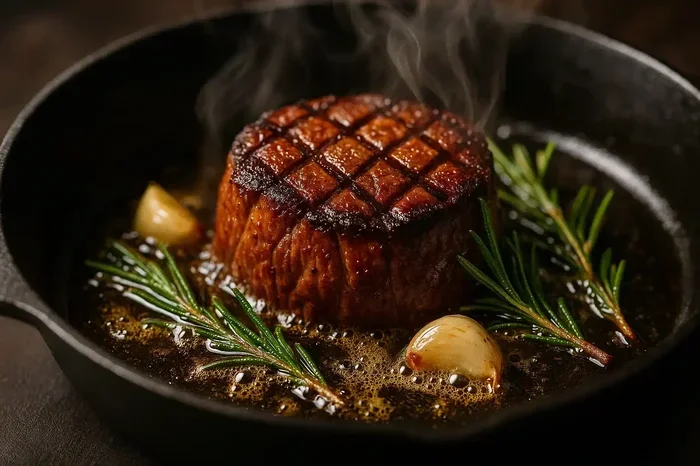
A hot Dutch oven creates a beautiful sear on steaks and chops. Preheat the pot on the stovetop with a little oil, then add your meat. The heavy cast iron holds a steady, intense heat that gives you a perfect brown crust. The result is a restaurant-quality steak cooked right on your stovetop.
Deep Frying at Home
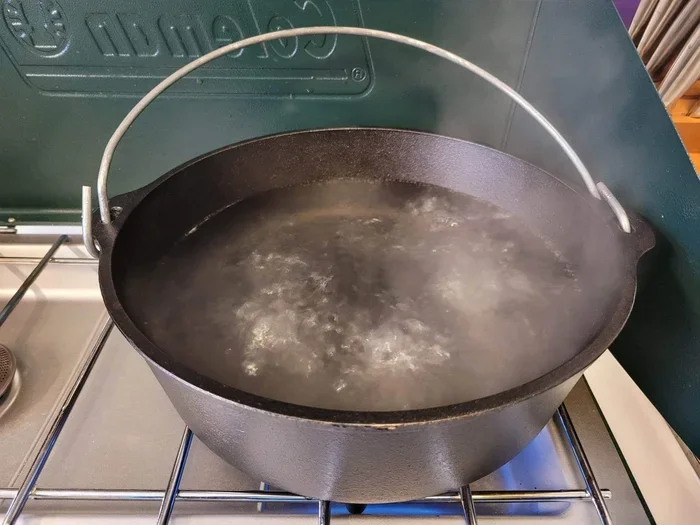
Many people do not realize that a Dutch oven works great for deep frying. The tall walls keep oil from splashing, and the thick base maintains a stable temperature. You can fry chicken, doughnuts, or even homemade french fries with excellent results.
Just be careful with oil temperature. Use a thermometer and never fill the pot more than halfway with oil. Safety is important, but once you try it, you will love the crispy, golden results.
Sauteing and Stir-Frying
The flat bottom of a Dutch oven makes it a great saute pan too. You can cook vegetables, brown onions, or stir-fry a quick weeknight meal. The even heat prevents burning, and the large surface area gives you plenty of room to work.
For best results, preheat the pot before adding oil. This helps food release easily and prevents sticking. A well-seasoned cast iron Dutch oven is naturally nonstick when used correctly.
Other Surprising Uses You Might Not Expect
Beyond the main cooking methods, there are several creative Dutch oven uses that even experienced cooks might not know about.
Serving Dishes
Bring your Dutch oven straight to the table. The rustic look of cast iron adds charm to any meal. Soups, casseroles, and bread all look beautiful served right from the pot. It also keeps food warm longer, which is perfect for family-style dinners.
Making Jam and Preserves
The wide, heavy base of a Dutch oven is ideal for cooking fruit into jam. The even heat prevents scorching, and the large surface area helps the liquid reduce faster. You can make small batches of strawberry or peach preserves with ease.
Roasting Vegetables
Toss vegetables with oil and seasoning, then roast them in a Dutch oven in the oven. The tight lid helps steam the veggies just enough before the dry heat crisps them up. You get tender interiors and caramelized edges every time.
Making Stock and Bone Broth
A Dutch oven is perfect for simmering bones into rich, nutritious stock. The heavy walls maintain a gentle simmer for hours without any attention. Strain the liquid, and you have a flavorful base for soups, sauces, and gravies.
Cold Weather Cooking
In the winter, a Dutch oven is your best kitchen companion. It heats up your kitchen slowly and evenly, making the space feel warm and cozy. Think of it as a space heater that also cooks dinner. On cold days, there is nothing better than a long-simmered stew from a hot cast iron pot.
Caring for Your Dutch Oven the Right Way
To get the most out of your Dutch oven, proper care is essential. A well-maintained pot can last a lifetime and even be passed down to the next generation.
Seasoning Your Cast Iron Dutch Oven
If you have a bare cast iron Dutch oven, seasoning is key. Rub a thin layer of oil on the inside after each wash. Heat it gently on the stovetop or in the oven to create a natural nonstick surface. Over time, this layer builds up and improves with every use.
Avoid using soap on bare cast iron if possible. Hot water and a stiff brush work well for everyday cleaning. For stuck-on food, simmer water in the pot for a few minutes to loosen it up.
Cleaning Enameled Dutch Ovens
Enameled Dutch ovens are easier to clean. You can use mild soap without worry. Avoid sudden temperature changes, which can cause the enamel to crack. If food sticks, soak the pot in warm water before scrubbing gently.
Storage Tips
Store your Dutch oven in a dry place. If stacking it with other pots, place a cloth or paper towel between them to prevent scratching. A well-stored Dutch oven will serve you reliably for years to come.
Dutch oven care does not take much time, but it makes a huge difference. A little attention goes a long way toward keeping your pot in top shape.
Choosing the Right Dutch Oven for Your Needs
Not all Dutch ovens are the same, and picking the right one makes a difference in your cooking experience. Consider these factors before buying.
- Material: Choose between bare cast iron and enameled cast iron based on your cooking style.
- Size: A 5-quart Dutch oven works for most households. Larger families may want 7 or 8 quarts.
- Lid type: Some lids have small knobs for hanging. Others have flat tops that work well as a small cooking surface.
- Weight: Cast iron is heavy. If you have wrist issues, consider how often you will need to move the pot.
- Price: Good Dutch ovens are an investment. They cost more upfront but save money over time through durability.
Take your time choosing. A good Dutch oven is a kitchen tool you will use for decades. Pick one that fits your cooking habits and your kitchen space.
Conclusion
The Dutch oven is truly one of the most versatile cookware pieces you will ever own. From baking artisan bread to simmering hearty stews, from campfire cooking to searing a perfect steak, this pot does it all. Its heat retention and even cooking make every dish better with less effort.
Dutch oven cooking is simple, rewarding, and endlessly creative. Whether you are a beginner or a seasoned cook, there is always something new to try. The surprising uses for Dutch oven we covered in this article should inspire you to experiment more in your kitchen. Start with one recipe, and let the pot work its magic.
Your Dutch oven is waiting. Turn on the heat, gather your ingredients, and enjoy the process. Great cooking does not require fancy equipment, just the right tools and a willingness to try. A Dutch oven gives you both.
Frequently Asked Questions
Can I use a Dutch oven on an electric stovetop?
Yes, absolutely. Dutch ovens work on all stovetop types including electric, gas, and induction. The heavy cast iron base distributes heat evenly, which is especially helpful on electric coils that can create hot spots. Just avoid sliding the pot, as this can scratch the surface.
Is a Dutch oven the same as a slow cooker?
They share some similarities, but they are not the same. A Dutch oven uses direct heat from a stove or oven, while a slow cooker uses electric heating elements. A Dutch oven offers more control over temperature and can sear food before slow cooking, which adds deeper flavor to your dishes.
What size Dutch oven should I buy for a family of four?
A 5-quart Dutch oven is the sweet spot for most families of four. It handles soups, stews, roasts, and baked bread with ease. If you often cook for guests or make large batches, consider stepping up to a 7-quart size.
Can I bake bread in an enameled Dutch oven?
Yes, enameled Dutch ovens work great for baking bread. The enamel coating prevents the iron from reacting with acidic dough, and it is easier to clean than bare cast iron. Just make sure the lid is oven-safe and can handle temperatures above 450 degrees Fahrenheit.
How do I prevent food from sticking to my Dutch oven?
Proper seasoning is the key to preventing sticking on bare cast iron. Always preheat the pot before adding oil, and let the oil get hot before adding food. For enameled Dutch ovens, use a little more oil or butter, and avoid cooking on the highest heat setting.
Can I use my Dutch oven for desserts?
Absolutely. Dutch ovens are excellent for desserts like cobblers, cakes, and even chocolate lava cakes. The even heat distribution ensures your desserts cook through without burning. Just reduce the oven temperature slightly compared to what a regular baking recipe calls for, since cast iron holds heat so well.