How To Clean Grease From The Bottom Of Oven Easily
Cleaning grease from the bottom of your oven is easier than most people think. You can use simple household items like baking soda, vinegar, and dish soap to dissolve tough grease buildup. This guide covers multiple proven methods that work for every type of oven. You will learn step-by-step instructions to make your oven look and smell brand new. Regular oven maintenance keeps your kitchen clean and your appliance running efficiently.
Nobody loves opening their oven and seeing a thick layer of baked-on grease staring back at them. Grease buildup at the bottom of the oven is one of the most common kitchen problems homeowners face. It happens every time you cook something fatty or oily. Over weeks and months, that grease hardens into a stubborn mess that seems impossible to remove. But here is the good news. Cleaning grease from the bottom of your oven does not require expensive products or hours of scrubbing. With the right approach and a few simple ingredients, you can restore your oven to a like-new condition. In this guide, we will walk you through every method you need. You will learn natural DIY solutions, commercial product options, and prevention tips that keep grease away for good. Let us get started.
Before we dive into the cleaning methods, it helps to understand what you are dealing with. Oven grease is not just a cosmetic problem. It can affect how your oven performs. Built-up grease can create smoke and unpleasant odors when you cook. It can even become a fire hazard in extreme cases. Regular oven cleaning is essential for safety, hygiene, and appliance longevity. The methods we share below work for gas ovens, electric ovens, and convection models. Whether you have a self-cleaning oven or a traditional model, you will find a solution that fits your needs. So roll up your sleeves and let us make that oven sparkle again.
Key Takeaways
- Baking soda and vinegar are the most effective and affordable way to dissolve oven grease naturally.
- Steam cleaning loosens stubborn burnt-on grease without harsh chemicals.
- Regular cleaning after every use prevents heavy grease buildup over time.
- Avoid using metal scrubbers on oven surfaces to prevent permanent damage.
- Oven liners are a great investment to catch drips and make cleanup easier.
- Commercial oven cleaners work well for tough jobs but require proper ventilation and safety precautions.
- A clean oven heats more evenly and uses less energy, saving you money on electricity bills.
📑 Table of Contents
Why Grease Builds Up At The Bottom Of Your Oven
How Grease Gets Into Your Oven
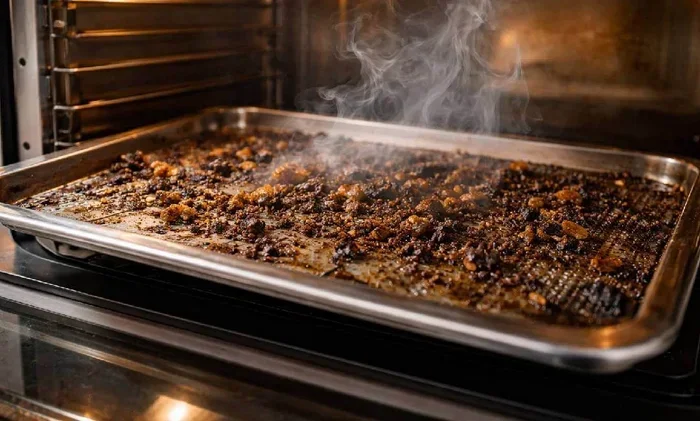
Every time you cook, tiny droplets of fat and oil splash to the bottom of the oven. When you roast meat, bake greasy foods, or cook at high temperatures, those droplets splatter and drip. Over time, they accumulate on the oven floor and the back wall. The heat dries them out, turning liquid grease into a hard, crusty residue. This process repeats with every cooking session. The result is a thick layer of burnt-on grease that bonds to the oven surface. Foods high in fat, like bacon, sausages, and roasted chicken, are the biggest culprits. Even baking items like pastries and pies can contribute to grease buildup over time.
Why Grease Buildup Matters
Some people think a little grease in the oven is harmless. But that is not true. Heavy grease buildup causes several problems. First, it creates smoke every time you cook at high temperatures. That smoke can leave a greasy film on your kitchen surfaces and cabinets. Second, burnt grease produces unpleasant odors that linger in your food. Third, it can affect the efficiency of your oven. A thick layer of grease acts as insulation, making your oven work harder to maintain the right temperature. This means higher energy bills. Finally, in worst-case scenarios, accumulated grease can pose a fire risk. Regular oven interior cleaning prevents all of these problems.
Best Methods To Clean Grease From The Bottom Of Oven
Method 1: Baking Soda And Vinegar
This is the most popular DIY oven cleaning method, and for good reason. It works incredibly well, costs almost nothing, and uses safe, non-toxic ingredients. Here is how to do it.
Start by removing the oven racks. Mix about half a cup of baking soda with a few tablespoons of warm water to form a thick paste. Spread the paste generously over the greasy bottom of the oven. Avoid the heating elements. Let the paste sit for at least twelve hours or overnight. The baking soda will break down the grease while you sleep. The next day, fill a spray bottle with white vinegar. Spritz the vinegar over the baking soda paste. You will see it fizz and bubble. That reaction helps lift the loosened grease. Use a damp cloth or sponge to wipe everything away. Rinse the cloth frequently and repeat until the oven is clean. For tough spots, use a soft scrub brush. Finally, wipe the oven interior with a clean damp cloth to remove any residue. Your oven will smell fresh and look amazing.
Quick Tip: Add a few drops of lemon essential oil to the baking soda paste for a pleasant scent. This makes the whole cleaning process more enjoyable.
Method 2: Commercial Oven Cleaner
When the grease is really stubborn, a commercial oven degreaser can be the best solution. These products are specifically designed to dissolve tough baked-on grease quickly. Look for a cleaner that is safe for your type of oven. Always read the label carefully before use.
To use a commercial oven cleaner, remove the oven racks and any other removable parts. Shake the can well and spray the cleaner evenly over the greasy surfaces. Make sure to cover all the stained areas. Most cleaners need to sit for fifteen to thirty minutes. The grease will start to loosen and dissolve during this time. After the waiting period, use a damp cloth to wipe away the melted grease. You may need to repeat the process for heavily coated areas. Always work in a well-ventilated area when using chemical cleaners. Wear gloves to protect your hands. Never use commercial cleaners on a hot oven or on heating elements.
Quick Tip: If you prefer a less harsh option, look for plant-based oven cleaners. These products are effective and much safer for your home environment.
Method 3: Steam Cleaning Your Oven
Steam cleaning is a gentle but effective way to remove grease from oven surfaces. This method works by using heat and moisture to soften hardened grease. It is especially good for light to moderate grease buildup.
To steam clean your oven, fill a small oven-safe bowl with water and add a few tablespoons of white vinegar. Place the bowl on the bottom rack of the oven. Set the oven to 200 degrees Celsius or 400 degrees Fahrenheit. Let it run for about ten to fifteen minutes. The steam will circulate inside the oven and loosen the grease. After the cycle ends, carefully remove the bowl. The oven interior will be warm and damp, making it easy to wipe away the softened grease. Use a microfiber cloth for the best results. You may need to repeat the process for heavier grease deposits. Steam cleaning is one of the gentlest oven cleaning hacks you can use. It does not produce fumes or require harsh scrubbing.
DIY Natural Oven Cleaning Solutions
Lemon And Water Method
If you love natural cleaning, the lemon and water method is a fantastic option. Lemons contain citric acid, which is a natural degreaser. This method also leaves your oven smelling wonderful.
Cut two lemons in half and squeeze the juice into a bowl of water. Place the lemon halves in the bowl as well. Put the bowl on the bottom rack of the oven. Set the temperature to about 150 degrees Celsius or 300 degrees Fahrenheit. Let the oven run for thirty minutes. The steam from the lemon water will work its magic on the grease. After the cycle, turn off the oven and let it cool slightly. Use a damp cloth to wipe the interior. The grease should come off easily. This method is perfect for regular oven maintenance and works great as a quick clean between deep cleans.
Dish Soap And Warm Water Paste
A simple dish soap paste can handle moderate grease buildup effectively. Mix a few drops of liquid dish soap with warm water until you create a thick, spreadable consistency. Apply the paste directly to the greasy areas of the oven bottom. Let it sit for at least thirty minutes. The dish soap will break down the grease on a molecular level. After the waiting period, use a sponge or soft cloth to wipe the paste away. Rinse with clean water and dry with a towel. This method is ideal for light grease removal and works well as part of a weekly cleaning routine. It is also completely safe for all oven surfaces.
How To Tackle Stubborn Burnt-On Grease
The Overnight Soak Method
Sometimes grease becomes so baked on that nothing seems to work. In these cases, the overnight soak method is your best friend. This technique requires patience, but it delivers excellent results.
Start by removing the oven racks. Mix a generous amount of baking soda with warm water to create a very thick paste. Spread the paste over the burnt-on grease spots. Make sure the paste is at least a quarter inch thick. Cover the paste with a damp cloth or paper towel. This keeps it from drying out too quickly. Leave the paste on overnight or for at least eight hours. The next morning, remove the cloth and use a damp sponge to wipe away the paste and loosened grease. For any remaining residue, apply a second round of paste and let it sit for another hour. The overnight soak softens even the most stubborn grease deposits, making them easy to remove without harsh scrubbing.
Using A Scrub Brush Effectively
When grease refuses to come off with cloths and sponges, a scrub brush can help. But you must choose the right brush. Use a soft-bristled brush or a non-abrasive scrub pad. Avoid steel wool or metal brushes. These can scratch and damage the oven interior, creating grooves where future grease can accumulate even more easily.
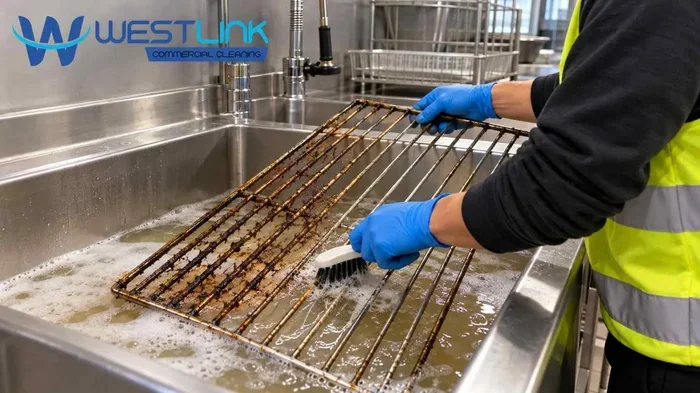
Apply your cleaning solution first. Let it sit for at least twenty minutes. Then use the scrub brush in gentle circular motions. Do not press too hard. Let the cleaning solution do the work. Reapply the solution as needed and continue scrubbing lightly. For the oven racks, you can soak them in a bathtub or large sink filled with hot water and dish soap. Let them soak for a few hours, then scrub them with a brush. Clean racks make a huge difference in the overall appearance of your oven.
Tips To Keep Your Oven Grease-Free Longer
Clean Spills Right Away
The single best way to prevent heavy grease buildup is to clean spills immediately. When food or grease drips onto the oven floor, wipe it up as soon as the oven has cooled down. Do not let it sit and bake onto the surface. Keeping a damp cloth near your oven while cooking makes this habit easy to maintain. A quick wipe after every cooking session takes only seconds and saves you hours of deep cleaning later.
Use Oven Liners
Oven liners are thin, heat-resistant mats that sit on the bottom of the oven. They catch drips and spills before they reach the oven floor. When a liner gets dirty, you simply remove it and replace it with a clean one. Oven liners are inexpensive and reusable. They are one of the best investments you can make for oven maintenance. Look for liners made from fiberglass or silicone that can withstand high temperatures. Place the liner on the bottom rack or on the oven floor, leaving space around the heating elements for proper airflow.
Schedule Regular Deep Cleans
Even with daily wiping and oven liners, you should deep clean your oven every one to three months. A regular deep clean prevents grease from building up to problematic levels. Set a reminder on your phone or calendar. Treat it as part of your kitchen maintenance routine. Consistent cleaning is far easier and faster than tackling months of accumulated grease in one session. Your oven will perform better, last longer, and keep your kitchen smelling fresh.
Common Mistakes To Avoid When Cleaning Oven Grease
Using Harsh Chemicals Without Ventilation
Many people make the mistake of using strong chemical cleaners in a closed kitchen. This is dangerous. Oven cleaners release fumes that can irritate your lungs, eyes, and skin. Always open windows and turn on the exhaust fan before using any chemical product. Wear gloves and avoid breathing in the spray directly. If you have children or pets, keep them out of the kitchen while cleaning. Natural cleaning methods like baking soda and vinegar are much safer and work just as well for most situations.
Skipping Regular Cleaning Sessions
It is easy to put off oven cleaning until the grease becomes unbearable. But this only makes the job harder. When grease sits for weeks or months, it hardens and bonds tightly to the oven surface. What might have taken ten minutes to clean now takes hours. Set a regular cleaning schedule and stick to it. A little effort on a regular basis saves you a lot of pain later. Consistent oven cleaning is the secret to a grease-free kitchen.
Ignoring The Oven Racks
People often focus only on the oven interior and forget about the racks. But racks collect just as much grease and food residue. Dirty racks can drip grease back onto the oven floor, undoing your hard work. Always clean your oven racks as part of every deep cleaning session. Soak them in hot soapy water, scrub off the grease, and dry them thoroughly before putting them back in the oven.
Conclusion
Cleaning grease from the bottom of your oven is a task anyone can handle with the right knowledge and tools. Whether you choose the natural baking soda and vinegar method, a commercial oven cleaner, or a gentle steam cleaning approach, the key is to act consistently and not let grease build up over time. We have covered every method in detail, from quick daily wipes to deep overnight soaks for the toughest stains. The DIY natural solutions we shared are affordable, safe, and highly effective for most households. If you prefer stronger products, commercial degreasers offer powerful results when used with proper safety precautions. Remember to clean spills right away, use oven liners, and schedule regular deep cleans. These simple habits make a world of difference. A clean oven heats better, smells better, and lasts longer. Start today, and your future self will thank you every time you open that oven door.
Frequently Asked Questions
Can I use baking soda and vinegar together to clean oven grease?
Yes, absolutely. Baking soda and vinegar are one of the most effective natural combinations for cleaning oven grease. The baking soda paste breaks down the grease, and the vinegar reaction helps lift it away. Simply apply the paste, spray vinegar over it, let it sit, and wipe clean. This method works well for regular maintenance and moderate grease buildup.
How often should I clean the bottom of my oven?
You should do a quick wipe-down after every few cooking sessions. A full deep clean every one to three months is ideal. The frequency depends on how often you cook greasy foods. If you roast meat or bake oily dishes regularly, aim for a deep clean every month. Consistent oven cleaning prevents heavy buildup and makes each session much easier.
Is it safe to use commercial oven cleaner in a self-cleaning oven?
No, you should not use commercial oven cleaners in a self-cleaning oven. Self-cleaning ovens use extremely high heat to burn off grease and food residue. Commercial chemicals can damage the interior coating and produce harmful fumes during the self-cleaning cycle. Stick to the self-cleaning function or use natural methods like steam cleaning for these models.
What is the best way to clean oven racks?
The best way is to soak them in a bathtub or sink filled with hot water and dish soap. Add two tablespoons of baking soda for extra cleaning power. Let them soak for two to four hours. Then use a soft scrub brush to remove the loosened grease. Rinse thoroughly and dry completely before placing them back in the oven. Regular rack cleaning prevents grease from dripping back onto the oven floor.
Can steam cleaning remove heavy grease buildup?
Steam cleaning works best for light to moderate grease. For heavy buildup, you may need to combine it with a baking soda paste or a commercial cleaner. Steam loosens the grease and makes it easier to wipe away. However, extremely hardened grease may require the overnight soak method or a commercial degreaser for complete removal.
Are oven liners worth using?
Yes, oven liners are one of the best investments for keeping your oven clean. They catch drips and spills before they reach the oven floor, which means less grease buildup over time. They are inexpensive, reusable, and easy to replace. Just make sure to leave space around the heating elements for safety. Using a liner alongside regular cleaning is the best strategy for a grease-free oven.