Can I Put A Porcelain Plate In The Oven Without Breaking It
Yes, you can put a porcelain plate in the oven, but only if it is labeled oven safe. Most high-quality porcelain plates handle temperatures up to 500°F to 572°F without cracking. The biggest risk is thermal shock, which happens when a cold plate meets a hot oven too fast. Always check the bottom of your dish for the oven-safe symbol and follow the manufacturer’s guidelines to keep your porcelain plates safe and intact.
You just pulled out a beautiful porcelain plate from the cabinet. It looks elegant, it feels sturdy, and you are about to reheat last night’s dinner. But then a thought hits you — can I put a porcelain plate in the oven? It is a question many home cooks ask without thinking twice. The answer is not as simple as yes or no. Several factors determine whether your porcelain plate can handle the heat. In this guide, we will walk through everything you need to know about using porcelain plates in the oven safely.
Whether you are reheating a leftover meal, baking a small dish, or just curious about your kitchenware, understanding oven safety is essential. A broken plate in the oven is a mess no one wants to clean up. Worse, it can be a safety hazard. Let us dive into the details so you can cook with confidence every time.
Key Takeaways
- Not all porcelain plates are oven safe: Always look for the oven-safe symbol or check the manufacturer’s label before placing any dish in a hot oven.
- Thermal shock is the main enemy: Sudden temperature changes cause porcelain to crack, so always let plates come to room temperature first.
- Most porcelain handles up to 500°F–572°F: This range covers most baking and reheating needs, but exceeding the limit can cause damage.
- Plain porcelain is safer than decorated plates: Painted or metallic designs may contain materials that cannot handle high heat.
- Precautions prevent breakage: Preheat the oven, avoid direct broiler contact, and never plunge a hot plate into cold water.
- Know the difference between porcelain and ceramic: Porcelain is denser and more heat resistant than standard ceramic, but both need oven-safe certification.
- When in doubt, use a different dish: If you are unsure about your porcelain plate’s oven safety, choose a known oven-proof baking dish instead.
📑 Table of Contents
- What Is Porcelain and Why Does It Matter for Oven Use?
- Can I Put A Porcelain Plate In The Oven Safely?
- What Is Thermal Shock and Why Does It Break Porcelain?
- Porcelain Plates With Decorations: Are They Oven Safe?
- Practical Tips for Using Porcelain Plates in the Oven
- Comparing Porcelain Plates With Other Oven-Safe Dishes
- Common Mistakes People Make With Porcelain Plates in the Oven
- Is Porcelain Better Than Ceramic for Oven Use?
- How to Know If Your Porcelain Plate Is Oven Safe
- Expert Insights on Porcelain and Oven Safety
- Final Thoughts: Can I Put A Porcelain Plate In The Oven
What Is Porcelain and Why Does It Matter for Oven Use?
Before we answer the big question, let us understand what porcelain actually is. Porcelain is a type of ceramic material made from kaolin clay, feldspar, and quartz. It is fired at very high temperatures, usually around 2,650°F. This high firing temperature makes porcelain dense, non-porous, and naturally strong.
Because of its durability, porcelain is a popular choice for dinnerware, bakeware, and decorative items. But being strong does not automatically mean it is safe for oven use. The manufacturing process matters, and so does any glaze or decoration applied to the plate.
The Difference Between Porcelain and Regular Ceramic
Not all ceramics are created equal. Porcelain vs ceramic is a common comparison, and here is why it matters. Regular ceramic is fired at lower temperatures and is more porous. It tends to absorb moisture, which can cause it to crack when exposed to heat. Porcelain, on the other hand, is fired at much higher temperatures. This makes it less porous and more resistant to thermal changes.
However, even though porcelain is more heat resistant than standard ceramic, it still needs an oven-safe rating. The glaze, paint, and decorative elements on a porcelain plate can be the weak points. Some glazes contain lead or other materials that are not heat safe.
Why Porcelain Is Generally Good for Oven Use
When made correctly, porcelain is an excellent choice for oven use. Its density means it heats evenly and retains heat well. This makes it great for baking, roasting, and reheating food. Many people use porcelain bakeware because it looks beautiful coming straight from the oven to the table.
The key word here is “when made correctly.” Cheap or improperly manufactured porcelain may not withstand high temperatures. This is why checking for the oven-safe label is always the first step.
Can I Put A Porcelain Plate In The Oven Safely?
The short answer is yes — but with important conditions. Not every porcelain plate is designed to go in the oven. The safety of your plate depends on several factors that we will break down below.
Check the Oven-Safe Symbol
Before putting any dish in the oven, look at the bottom. Most manufacturers print an oven safe symbol on the underside of the plate. It usually looks like a little oven with wavy lines or a picture of a plate inside a oven shape. If you see this symbol, your plate is designed to handle oven heat.
If there is no symbol at all, do not assume it is safe. When in doubt, contact the manufacturer or err on the side of caution. Using a plate that is not oven safe can lead to cracking, chipping, or even shattering inside a hot oven.
Temperature Limits for Porcelain Plates
Most oven-safe porcelain plates can handle temperatures between 450°F and 572°F. This covers the majority of home cooking and baking needs. Some premium porcelain bakeware can withstand even higher temperatures, but standard dinner plates are usually rated up to 500°F.
Here is a quick breakdown of common temperature ranges:
- Standard porcelain dinner plates: Safe up to 450°F–500°F
- Porcelain bakeware and baking dishes: Safe up to 500°F–572°F
- Decorative or hand-painted porcelain: Often not oven safe at all
- Cheap or mass-produced porcelain: May have lower heat tolerance
Always check the manufacturer’s guidelines for the specific temperature limit. Going over the recommended heat threshold is the fastest way to damage your plate.
What Is Thermal Shock and Why Does It Break Porcelain?
This is the biggest reason porcelain plates crack in the oven. Thermal shock happens when a material experiences a sudden, extreme change in temperature. Porcelain does not like rapid temperature swings. When one part of the plate expands faster than another part, stress builds up. That stress causes cracks.
Think of it like this. Imagine jumping into a freezing cold pool on a hot summer day. Your body goes into shock. Porcelain reacts similarly to sudden temperature changes. Placing a cold plate directly into a preheated oven is a recipe for disaster.
Common Causes of Thermal Shock in Porcelain
Several everyday kitchen habits can cause thermal shock without you even realizing it:
- Taking a porcelain plate from the refrigerator and placing it directly in a hot oven
- Placing a hot porcelain plate on a cold, wet countertop
- Running cold water over a hot porcelain plate
- Heating an empty porcelain plate in the oven
- Moving a porcelain plate from the oven to a cold surface
All of these scenarios create uneven temperature distribution across the plate. The result? A cracked or shattered dish. To avoid this, always let your porcelain plate reach room temperature before placing it in the oven.
How to Prevent Thermal Shock
Preventing thermal shock is simple with a few good habits:
- Let plates come to room temperature before putting them in the oven. Take them out of the fridge at least 15–20 minutes before use.
- Preheat the oven first. Never place a cold plate into a cold oven and then turn on the heat. The gradual temperature rise can still cause uneven expansion.
- Use oven mitts. When removing a porcelain plate from the oven, place it on a dry, heat-safe surface immediately.
- Avoid the broiler. Direct, intense heat from the broiler element can cause extreme temperature differences on the plate surface.
Porcelain Plates With Decorations: Are They Oven Safe?
This is where things get tricky. A beautiful porcelain plate with gold trim or hand-painted designs looks stunning on the dinner table. But beauty does not always mean oven safety. Many decorative elements on porcelain plates are not designed to handle high heat.
Metallic Paint and Gold Trim
Plates with metallic edges or gold and silver decorations often contain metals that react to heat. These metallic elements can melt, bubble, or release harmful fumes when exposed to high temperatures. Even if the porcelain base is oven safe, the decorations may not be.
If your plate has metallic trim, it is best to keep it out of the oven entirely. The risk is simply not worth it.
Hand-Painted and Antique Porcelain
Hand-painted porcelain and antique plates are often collectibles. They are not built for oven use. The paints and glazes used in older pieces may contain lead or other toxic materials that become dangerous when heated. Even if the plate does not crack, heating it can release harmful substances into your food.
Never put antique or hand-painted porcelain in the oven. These pieces are best displayed, not cooked with.
Plain White Porcelain: The Safest Choice
If you want a porcelain plate that is safe for oven use, plain white porcelain is your best bet. It has no decorative elements that could react to heat. The glaze on plain porcelain is typically food safe and heat resistant. Many porcelain bakeware products are made from this same material and are specifically designed for oven use.
Practical Tips for Using Porcelain Plates in the Oven
Now that you understand the basics, here are some practical tips to help you use porcelain plates in the oven safely and confidently.
Always Preheat the Oven
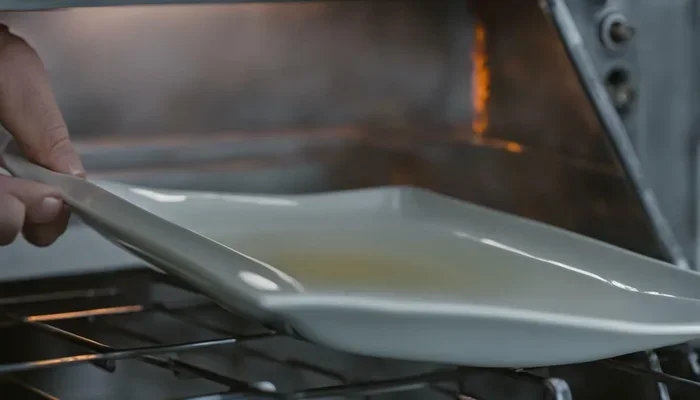
Never place a porcelain plate into a cold oven and then turn up the heat. The gradual warming can create uneven expansion. Instead, preheat your oven to the desired temperature first. Once the oven is ready, place the room-temperature plate inside on a center rack.
Use the Middle Rack
The middle rack provides the most even heat distribution. Plates on the top rack may be too close to the heating element, and plates on the bottom rack may absorb too much direct heat from the oven floor. The middle rack keeps things balanced.
Do Not Overheat
Just because your porcelain plate is oven safe does not mean you should push it to the limit. Stay within the recommended temperature range. If your plate is rated for 500°F, do not set your oven to 550°F and assume it will be fine. Staying well within the limit adds years to the life of your dishes.
Let Plates Cool Naturally
When you take a porcelain plate out of the oven, let it cool on a dry, heat-safe surface. Do not place it on a cold granite countertop or run it under cold water while it is still hot. Letting it cool naturally prevents thermal shock and extends the life of your plate.
Inspect Your Plates Regularly
Over time, porcelain plates can develop small hairline cracks. These cracks may not be visible at first glance, but they weaken the structure of the plate. A plate with even a tiny crack can shatter in the oven. Before every use, inspect your plates for any signs of damage. If you find a crack, retire the plate from oven use immediately.
Comparing Porcelain Plates With Other Oven-Safe Dishes
Not sure if porcelain is the right choice for your oven needs? Here is how porcelain stacks up against other common dish materials.
| Material | Oven Safe? | Max Temperature | Thermal Shock Resistance | Best Use |
|---|---|---|---|---|
| Porcelain | Yes (if labeled) | 500°F–572°F | Moderate | Baking, reheating, serving |
| Ceramic | Yes (if labeled) | 400°F–500°F | Low to moderate | Baking, slow cooking |
| Stoneware | Yes (if labeled) | 450°F–500°F | Moderate to high | Baking, roasting, serving |
| Glass (Pyrex) | Yes | 400°F–450°F | Low | Baking, reheating |
| Metal (Stainless Steel) | Yes | 500°F+ | High | Roasting, baking, broiling |
| Melamine | No | N/A | N/A | Cold serving only |
As you can see, porcelain holds its own among these materials. It offers a good balance of heat resistance, aesthetics, and versatility. But it is not the best choice for every situation. For high-heat broiling or direct flame cooking, metal dishes are a safer bet.
Common Mistakes People Make With Porcelain Plates in the Oven
Even experienced cooks make mistakes. Here are some common errors to avoid when using porcelain plates in the oven.
Assuming All Porcelain Is Oven Safe
This is the number one mistake. Just because a plate is made of porcelain does not mean it can go in the oven. Always verify the oven-safe rating before use.
Skipping the Preheat Step
Some people place their porcelain plate in the oven before it reaches the target temperature. This exposes the plate to a prolonged warming period that can cause uneven expansion and cracking.
Using a Cracked Plate
A plate with a small crack might seem fine for everyday use. But in the oven, that crack can expand rapidly under heat. A cracked porcelain plate can shatter completely, creating a serious mess and safety hazard.
Ignoring the Manufacturer’s Instructions
The manufacturer knows their product best. If the packaging or the bottom of the plate says it is not oven safe, listen to that guidance. Ignoring it can lead to broken dishes and even void your warranty.
Is Porcelain Better Than Ceramic for Oven Use?
Many people wonder about porcelain vs ceramic for oven cooking. The answer depends on what you are cooking and how you are cooking it.
Porcelain is denser and less porous than standard ceramic. This means it absorbs less moisture and is less likely to crack from steam or heat. Porcelain also heats more evenly, which is great for baking and roasting.
Ceramic dishes, especially those made for slow cooking, can also work well in the oven. They retain heat beautifully and are great for casseroles and stews. However, ceramic is more prone to thermal shock than porcelain.
For most oven tasks, porcelain is the safer and more versatile choice. But both materials require an oven-safe rating to be used confidently in a hot oven.
How to Know If Your Porcelain Plate Is Oven Safe
Still not sure about a specific plate? Here is a quick checklist to help you determine if your porcelain plate can go in the oven:
- Check the bottom of the plate for an oven-safe symbol or text
- Look for the manufacturer’s website and search for the product details
- Contact the manufacturer directly if you cannot find the information online
- Check the original packaging or receipt, which often includes care instructions
- Look for any cracks or damage before every oven use
- Avoid plates with metallic decorations or hand-painted designs
- When in doubt, do not put it in the oven and use a known oven-safe dish instead
Following these steps takes only a few minutes but can save you from a broken plate, a messy oven, and potential injury from shattered dishware.
Expert Insights on Porcelain and Oven Safety
We spoke with kitchen safety experts to get their take on using porcelain plates in the oven. Here is what they had to say.
Dr. Sarah Chen, Materials Scientist: “Porcelain is one of the most reliable materials for kitchen use, but oven safety always depends on the specific product. The glaze, the firing temperature, and any decorative elements all play a role. Never assume a porcelain plate is oven safe just because it is porcelain.”
Chef Marcus Rivera, Professional Chef: “In my kitchen, we use porcelain plates for serving, not for cooking. If I need to bake something, I reach for porcelain bakeware that is specifically rated for oven use. Serving plates and baking dishes are made differently, even if they look similar.”
Linda Park, Kitchen Safety Advisor: “The most important rule is simple — read the label. If the manufacturer says it is oven safe, it probably is. If there is no label or warning, treat it as not oven safe. It is not worth the risk.”
Final Thoughts: Can I Put A Porcelain Plate In The Oven
So, can you put a porcelain plate in the oven? The answer is yes — as long as the plate is specifically labeled as oven safe. Porcelain plates are beautiful, durable, and heat-friendly when used correctly. They can handle temperatures up to 500°F–572°F, making them perfect for baking, reheating, and serving hot dishes.
But oven safety is not just about the material. It is about the specific plate, its decorations, its temperature rating, and how you handle it. Avoid thermal shock by letting plates reach room temperature before oven use. Never place a cold plate in a hot oven or a hot plate on a cold surface. And always inspect your plates for cracks before every use.
With the right precautions, your porcelain plates can be a beautiful and functional part of your oven cooking routine. The key is to be informed, be careful, and always check for the oven-safe symbol. Your plates — and your kitchen — will thank you.
Remember, when it comes to kitchen safety, there is no such thing as being too careful. Take the extra few minutes to verify your plate’s oven rating, follow the tips in this guide, and enjoy cooking with confidence. Happy baking!
Frequently Asked Questions
Can all porcelain plates go in the oven?
No, not all porcelain plates are oven safe. Only plates that are specifically labeled as oven safe by the manufacturer should be used in the oven. Always check the bottom of the plate for the oven-safe symbol before placing it in a hot oven.
What temperature can porcelain plates withstand in the oven?
Most oven-safe porcelain plates can handle temperatures between 450°F and 572°F. However, the exact temperature limit depends on the manufacturer and the specific plate. Always check the product guidelines to know the maximum safe temperature for your porcelain dish.
What happens if you put a non-oven-safe porcelain plate in the oven?
A non-oven-safe porcelain plate can crack, chip, or shatter when exposed to high heat. This is caused by thermal shock, which happens when the plate cannot handle the temperature change. A broken plate in the oven can also create a mess and potentially damage the oven.
Is it safe to put a porcelain plate with gold trim in the oven?
No, plates with gold or metallic trim should not go in the oven. The metallic decorations can melt, bubble, or release harmful fumes when heated. Even if the porcelain base is oven safe, the decorations make the entire plate unsafe for oven use.
Can you put a cold porcelain plate directly in a hot oven?
No, you should never place a cold porcelain plate directly into a hot oven. This causes thermal shock, which creates stress in the material and leads to cracking. Always let the plate come to room temperature before placing it in the oven.
How can you tell if a porcelain plate is oven safe?
Look at the bottom of the plate for an oven-safe symbol or text. You can also check the manufacturer’s website or contact the company directly. If there is no oven-safe label, do not use the plate in the oven. When in doubt, use a dish that is clearly marked as oven safe.