How To Cook Pork Ribs In Oven And Get Amazing Results
Learning how to cook pork ribs in oven is easier than you think, and the results are incredible. This guide walks you through every step, from choosing the right rack of ribs to pulling them out perfectly smoked and glazed. You will discover simple seasoning tricks, the best oven temperatures, and how to get fall-off-the-bone tender pork ribs without a smoker.
There is something magical about pork ribs in the oven. The kitchen fills with a smoky, sweet aroma. The meat slowly becomes tender and juicy. And when you bite into that first perfectly cooked rack, you know you have nailed it.
Many people think you need a fancy smoker or a backyard grill to get restaurant-quality ribs. But that is simply not true. Your oven can produce amazing oven baked ribs that are every bit as good as anything cooked outdoors. You just need the right technique, a little patience, and this guide.
Whether you are a beginner in the kitchen or a seasoned home cook looking to refine your method, this article covers everything you need. We will walk you through selecting ribs, preparing your rib rub recipe, setting the right oven temperature, timing your cook, and finishing with a delicious glaze. By the end, you will feel confident enough to make fall off the bone ribs whenever you want.
Key Takeaways
- Low and slow cooking at 275°F to 300°F is the secret to juicy, tender oven baked ribs.
- Wrap ribs in foil during the middle of cooking to lock in moisture and speed up the process.
- A homemade rib rub with brown sugar, paprika, and garlic creates a flavorful bark that rivals any BBQ joint.
- Use a meat thermometer to check that your pork ribs reach an internal temperature of 195°F to 203°F.
- Apply a glaze in the last 15 minutes of cooking for a sticky, caramelized finish.
- Rest your ribs for 10 to 15 minutes before slicing to keep the juices locked in.
- Baby back ribs and spare ribs each cook differently, so adjust your timing accordingly.
📑 Table of Contents
- Choosing the Right Pork Ribs for Oven Cooking
- Preparing Your Pork Ribs for the Oven
- The Perfect Oven Temperature and Cook Time
- The Foil Wrap Method for Juicy Ribs
- Adding the Glaze and Finishing Strong
- Common Mistakes to Avoid When Cooking Pork Ribs in the Oven
- Storing and Reheating Leftover Ribs
- Conclusion
Choosing the Right Pork Ribs for Oven Cooking
Not all ribs are created equal. The type of rib you choose affects cooking time, texture, and flavor. Understanding your options makes a big difference in the final result.
Baby Back Ribs vs Spare Ribs
Baby back ribs come from the top of the rib cage, near the spine. They are smaller, leaner, and cook faster. Most people prefer them because they are tender and have a mild pork flavor. Baby back ribs oven recipes are very popular for a reason, they are forgiving and hard to mess up.
Pork spare ribs come from the lower belly area. They are larger, fattier, and have more connective tissue. This extra fat means more flavor, but they also take longer to cook. If you want rich, smoky, deeply flavored ribs, spare ribs are a fantastic choice.
St. Louis Style Ribs
St. Louis style ribs are really just spare ribs that have been trimmed. The spare rib tip and the membrane are removed, leaving a neat, uniform rack. They cook evenly and look beautiful when served. Many pitmasters consider St. Louis style ribs the best option for oven roasted ribs.
What to Look for When Buying
When you are at the store, look for ribs with a good layer of fat but not too much. The meat should be pink and firm, not gray or slimy. Check the bone spacing, ribs with bones that are evenly spaced tend to cook more evenly. And always check the sell-by date.
- Baby back ribs: Best for beginners, cook in about 2.5 to 3 hours
- Spare ribs: Richer flavor, cook in about 3.5 to 4 hours
- St. Louis style: Trimmed spare ribs, great for even cooking
- Look for: Pink meat, good fat distribution, even bone spacing
Preparing Your Pork Ribs for the Oven
Preparation is where the magic begins. Taking the time to properly prep your ribs before they hit the oven makes a huge difference. Skipping this step is the number one mistake home cooks make.
Removing the Membrane
Every rack of ribs has a thin membrane on the bone side. It is also called the silverskin. This membrane does two bad things, it blocks seasoning from reaching the meat, and it turns into a rubbery texture when cooked. You need to remove it.
To remove the membrane, flip the ribs bone side up. Use a butter knife to loosen a corner of the membrane. Then grab it with a paper towel for grip and peel it off. It might take a little effort, but it is worth it.
Applying the Rib Rub
A great rib rub recipe is the backbone of oven baked ribs. You can buy pre-made rubs, but making your own is simple and much more rewarding.
Here is a basic rub recipe that works beautifully:
- 2 tablespoons brown sugar
- 1 tablespoon smoked paprika
- 1 teaspoon garlic powder
- 1 teaspoon onion powder
- 1 teaspoon chili powder
- 1 teaspoon black pepper
- 1 teaspoon salt
- Half a teaspoon cumin
Mix all the ingredients together. Pat your ribs dry with paper towels. Then apply a thin layer of mustard or olive oil to help the rub stick. Sprinkle the rub generously over all sides of the ribs. Press it in gently with your hands.
For the best results, let the rubbed ribs sit in the refrigerator for at least one hour or overnight. This gives the flavors time to penetrate the meat deeply.
Quick Tips for Prep
- Always pat ribs dry before applying rub
- Use more rub than you think you need
- Let ribs rest in the fridge uncovered for a crispier result
- Bring ribs to room temperature for 30 minutes before cooking
The Perfect Oven Temperature and Cook Time
This is the most important part of learning how to cook pork ribs in oven. The temperature determines everything, from tenderness to bark formation. Get this right, and everything else falls into place.
Why Low and Slow Works Best
Low and slow is the golden rule of slow cook ribs in oven. Cooking at a low temperature, around 275°F to 300°F, allows the collagen in the meat to break down slowly. This turns tough connective tissue into gelatin, which makes the ribs incredibly tender and juicy.
If you crank the oven up too high, the fat renders too fast and the meat dries out. You end up with tough, chewy ribs instead of the fall off the bone ribs you are aiming for. Patience is your best friend here.
Recommended Temperatures and Times
Here is a general guide for pork rib cooking time based on oven temperature and rib type:
| Rib Type | Oven Temp | Cook Time | Internal Temp Target |
|---|---|---|---|
| Baby Back Ribs | 275°F | 2.5 to 3 hours | 195°F to 203°F |
| Spare Ribs | 275°F | 3.5 to 4 hours | 195°F to 203°F |
| Baby Back Ribs | 300°F | 2 to 2.5 hours | 195°F to 203°F |
| Spare Ribs | 300°F | 3 to 3.5 hours | 195°F to 203°F |
These times are guidelines. Every oven runs slightly different. The real indicator of doneness is the internal temperature and the bend test.
The Bend Test
The bend test is a classic pitmaster trick. When your ribs are done, pick them up from one end with tongs or oven mitts. They should bend slightly and cracks should form on the surface. If they bend without cracking, they need more time. If they do not bend at all, they are undercooked.
This test works because the collagen has fully broken down, making the meat flexible and tender. Combined with a meat thermometer reading of 195°F to 203°F, you can be confident your ribs are perfect.
The Foil Wrap Method for Juicy Ribs
One technique that takes oven pork ribs from good to great is the foil wrap method. Also called the Texas crutch, this method speeds up cooking and keeps moisture locked in.
How to Use the Foil Wrap
After your ribs have cooked for about 2 to 2.5 hours, they should have developed a nice bark. Now it is time to wrap them.
- Remove the ribs from the oven
- Lay out a large sheet of heavy duty foil
- Place the ribs meat side down on the foil
- Add a small splash of apple juice, broth, or beer
- Wrap the ribs tightly, sealing the edges
- Return them to the oven for another 1 to 1.5 hours
The foil creates a steamy environment that braises the meat. This makes the ribs even more tender and juicy. Some people skip this step for a drier, chewier bark, but for most home cooks, the foil wrap is a game changer.
When to Skip the Foil
If you prefer a very crispy, thick bark, you can skip the foil wrap entirely. This is called cooking low and slow without any interruption. The ribs will take a bit longer, but the texture on the outside is incredible. It comes down to personal preference.
Adding the Glaze and Finishing Strong
The last step is where your pork ribs go from great to absolutely amazing. A good glaze adds sweetness, shine, and flavor that complements the smoky bark underneath.
Simple Pork Rib Glaze
You do not need a complicated recipe for a great glaze. Here is one that works every time:
- Half cup BBQ sauce
- Two tablespoons honey
- One tablespoon apple cider vinegar
- One teaspoon mustard
- Half teaspoon smoked paprika
Mix these together in a small saucepan and warm gently. Do not boil it, just heat it until it is smooth and pourable.
When to Apply the Glaze
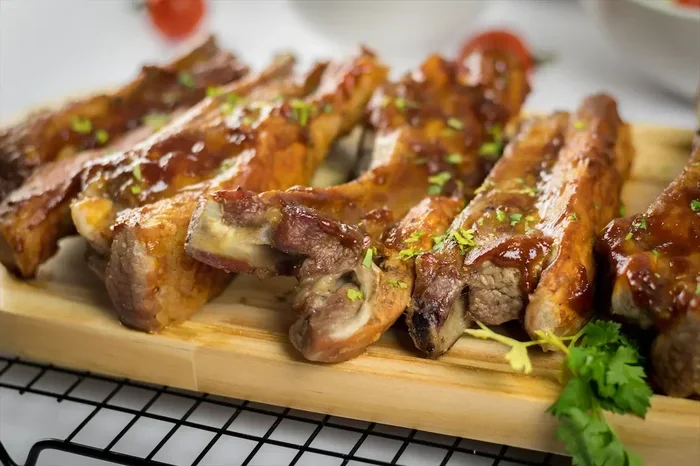
Apply the glaze during the last 15 to 20 minutes of cooking. Unwrap the ribs, brush the glaze generously on all sides, and return them to the oven uncovered. The heat will caramelize the sugars in the glaze, creating a beautiful sticky finish.
Do not apply the glaze too early. The sugars will burn and turn bitter if they cook for too long. The last 15 minutes is the sweet spot for a perfect glaze.
Serving Your Oven Baked Ribs
Once the ribs are done, pull them out and let them rest for 10 to 15 minutes. This resting period is crucial. It allows the juices to redistribute throughout the meat, making every bite moist and flavorful.
Use a sharp knife or a cleaver to cut between the bones. Serve on a platter with extra glaze on the side. Pair with coleslaw, cornbread, baked beans, or your favorite side dishes.
Expert Insight
Professional pitmasters always rest their ribs before cutting. This step is easy to skip but it makes a noticeable difference in juiciness. The meat continues to cook slightly as it rests, and the fibers relax, making the ribs even more tender.
Common Mistakes to Avoid When Cooking Pork Ribs in the Oven
Even experienced cooks make mistakes. Knowing what to avoid saves time, money, and a lot of disappointment.
Cooking at Too High a Temperature
This is the most common mistake. Some people set the oven to 350°F or higher because they want the ribs done faster. But high heat dries out the meat before the collagen has time to break down. Stick with 275°F to 300°F for the best results.
Skipping the Membrane Removal
We mentioned this earlier because it matters so much. Leaving the membrane on creates a rubbery layer between the bones and the meat. It blocks flavor and ruins the texture. Take the extra five minutes to remove it.
Not Using a Meat Thermometer
Guessing when ribs are done is a risky game. A pork ribs internal temperature of 195°F to 203°F is the target. Without a thermometer, you might pull them too early or too late. A good instant-read thermometer is one of the best investments you can make.
Over-Saucing Too Early
Sauces with sugar content will burn if applied too early in the cook. Always apply any glaze or sauce in the final 15 to 20 minutes. This ensures a perfect caramelized coating without any bitter burnt spots.
Rushing the Resting Period
Cutting into ribs immediately after they come out of the oven releases all the juices onto the cutting board. Let them rest, and you will be rewarded with moist, flavorful meat in every bite.
Storing and Reheating Leftover Ribs
Good news, oven baked ribs taste almost as good the next day. The flavors meld together overnight, making leftovers a treat.
Store cooked ribs in an airtight container in the refrigerator for up to 4 days. To reheat, wrap them in foil with a splash of broth or apple juice and warm in the oven at 250°F for about 20 minutes. This keeps them moist and prevents the meat from drying out.
You can also freeze ribs for up to 3 months. Wrap them tightly in plastic wrap and foil before freezing. Thaw overnight in the refrigerator before reheating.
Conclusion
Learning how to cook pork ribs in oven is one of the most rewarding skills you can add to your kitchen repertoire. It is simple, forgiving, and produces consistently delicious results. With the right cut of ribs, a flavorful rub, the proper oven temperature, and a little patience, you can make fall off the bone ribs that will impress everyone at your table.
Remember the key steps. Choose the right ribs, remove the membrane, apply a great rub, cook low and slow at 275°F to 300°F, use the foil wrap for extra juiciness, finish with a glaze, and always let them rest before serving. Follow these steps and you will never have to rely on takeout for great ribs again.
Now it is your turn. Grab a rack of ribs, fire up your oven, and put these tips into action. The aroma alone will make your whole house feel like a barbecue restaurant. Enjoy the process, share the food, and most importantly, have fun with it.
Pork ribs in the oven are waiting for you. Get cooking and enjoy every bite.
Frequently Asked Questions
Can I cook pork ribs in oven at 350°F?
You can, but it is not recommended. Higher temperatures dry out the meat before the collagen has time to break down. For the best results, stick with 275°F to 300°F. If you must cook at 350°F, reduce the cook time and check the internal temperature frequently to avoid overcooking.
How do I know when pork ribs are done in the oven?
The best way is to use a meat thermometer. Pork ribs are done when they reach an internal temperature of 195°F to 203°F. You can also do the bend test, where the rack should crack slightly on the surface when you pick it up from one end. The meat should pull back from the bones about a quarter inch.
Should I wrap ribs in foil when cooking in the oven?
Wrapping ribs in foil, also called the Texas crutch, helps lock in moisture and speeds up cooking. It is especially helpful for spare ribs, which are thicker and take longer. Baby back ribs can be cooked without foil if you prefer a crispier bark. Both methods produce excellent results.
How long do I cook pork ribs in the oven at 275°F?
Baby back ribs typically take 2.5 to 3 hours at 275°F. Spare ribs take 3.5 to 4 hours at the same temperature. These are guidelines, and actual times vary based on oven accuracy, rib thickness, and whether you use the foil wrap method.
Can I use frozen pork ribs in the oven?
It is best to thaw ribs before cooking. Frozen ribs will cook unevenly and may not develop a good bark. Thaw them in the refrigerator overnight for the safest and most even results. If you must cook from frozen, add at least an extra hour to the cook time and use a thermometer to check doneness.
What is the best rib rub recipe for oven baked ribs?
A simple rub with brown sugar, smoked paprika, garlic powder, onion powder, chili powder, black pepper, salt, and cumin works wonderfully for oven baked ribs. The brown sugar helps create a sweet, caramelized bark. You can customize the heat level by adjusting the chili powder or adding cayenne pepper to taste.