How to Cook Basmati Rice in the Oven Perfectly Every Time
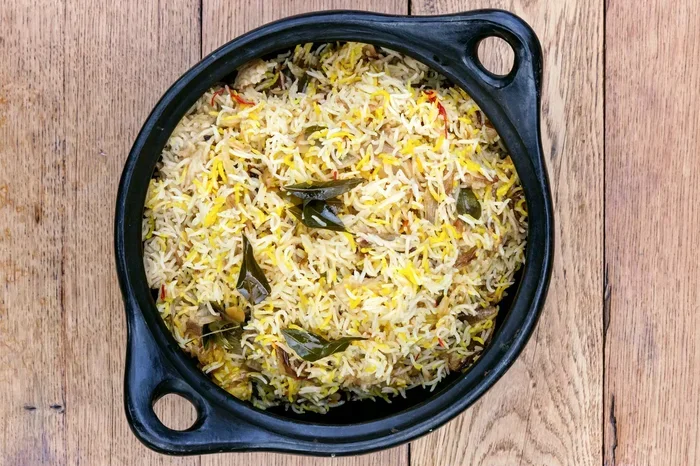
Learn how to cook basmati rice in the oven for perfectly fluffy, aromatic grains every single time. This simple method uses your oven’s even heat to eliminate guesswork and deliver restaurant-quality results. You’ll discover the exact water ratio, temperature, and timing that make oven-baked basmati rice a foolproof side dish.
If you’ve ever wondered how to cook basmati rice in the oven, you’re in the right place. This method is a total game-changer. It frees up your stovetop and delivers consistent, fluffy grains every time. Basmati rice is a staple in many kitchens. It’s fragrant, light, and pairs with almost any dish. But cooking it on the stove can be tricky. You risk mushy or sticky grains. The oven method solves this completely. It surrounds the pot with gentle, even heat. You just set a timer and walk away.
In this guide, I’ll walk you through every step. You’ll learn the perfect water ratio, the ideal temperature, and the secret to separate grains. By the end, you’ll never go back to the stovetop. Whether you’re a beginner or a seasoned cook, this approach works. It’s simple, reliable, and almost impossible to mess up. Let’s get started.
Key Takeaways
- Perfect Fluffiness: Oven baking gives consistent, separate grains without any stirring.
- Set-and-Forget Convenience: Pop the pot in the oven and focus on other dishes.
- Ideal Water Ratio: The 1:1.5 ratio for white basmati ensures neither mushy nor dry rice.
- Even Cooking: Oven heat surrounds the pot evenly, preventing hot spots.
- Versatile Method: Works for any amount, from a single serving to a family feast.
- Minimal Cleanup: Just one baking dish or oven-safe pot to wash.
- Flavor Boost: Add broth, butter, or spices directly to the pot for extra aroma.
📑 Table of Contents
Why Cook Basmati Rice in the Oven?
The Science Behind Even Cooking
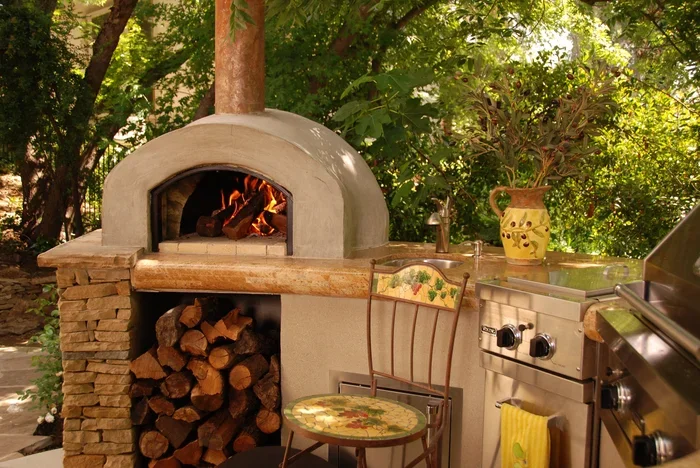
Ovens distribute heat evenly around the pot. This is the key advantage. On a stovetop, the bottom of the pot gets the hottest. That can scorch the rice at the bottom while the top stays undercooked. The oven surrounds the pot with consistent warmth. The steam circulates inside the lid. This creates a perfect steaming environment. The result is fluffy, separated grains from top to bottom. Oven-baked basmati rice also frees up your burner for other dishes. You can simmer a sauce or sauté vegetables while the rice bakes.
When This Method Shines
Use the oven method when you’re cooking multiple dishes at once. It’s perfect for holiday meals or meal prep. You can bake a casserole and a big pot of rice at the same time. It’s also ideal when you want to be hands-off. Set the timer, relax, and let the oven do the work. This method is great for large batches too. You can cook several cups of rice without worrying about stirring or monitoring the heat.
The Essential Ingredients and Tools
What You Need to Get Started
You don’t need much. Here’s your checklist:
- Basmati rice: Look for aged white basmati for the best results. It has lower moisture content and cooks more predictably.
- Water or broth: Use low-sodium chicken or vegetable broth for extra flavor.
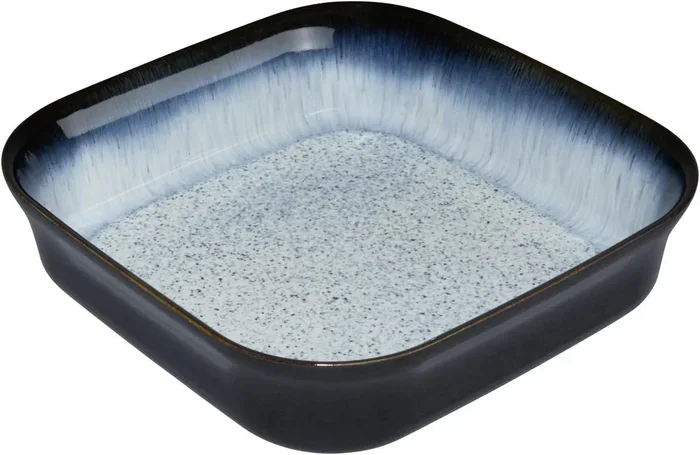
- Baking dish or oven-safe pot: A deep glass or ceramic dish works well. A Dutch oven is also perfect.
- Tight-fitting lid: If your lid isn’t tight, use a sheet of foil over the pot first.
- Measuring cups: A dry measuring cup for rice and a liquid measuring cup for water.
- A fork: For fluffing the rice at the end.
Choosing the Right Basmati
For oven-baked rice, white basmati is the easiest choice. It cooks faster and has a predictable texture. Brown basmati needs more water and longer baking time, but it works too. I’ll share the brown rice adjustment in the variations section. Always look for long-grain basmati. The grains stay separate and elongate when cooked properly. Avoid broken rice pieces, as they release more starch and can make the dish sticky. Aged basmati (stored for at least a year) dries out slightly, which helps it absorb water evenly.
Step-by-Step Guide to Oven-Baked Basmati Rice
Step 1: Rinse and Soak the Rice
Measure your rice and place it in a fine-mesh strainer. Rinse it under cold running water for 30 seconds. Rub the grains gently with your fingers. The water will turn cloudy from excess starch. Keep rinsing until the water runs mostly clear. This step prevents clumping and gives you fluffy grains. Then transfer the rice to a bowl and cover it with cold water. Let it soak for 30 minutes. Soaking helps the grains cook evenly and reduces baking time. Drain the rice well before moving to the next step.
Step 2: The Perfect Water Ratio
The water ratio is the secret to perfect rice. For white basmati, use 1.5 cups of water for every 1 cup of rice. This is the 1:1.5 method. If you prefer slightly drier rice, use 1.25 cups of water. For brown basmati, increase the water to 2 cups per 1 cup of rice. Always add a pinch of salt to the water. You can also add a small knob of butter or a drizzle of olive oil. This adds flavor and helps keep the grains separate. Pour the drained rice into your baking dish or pot, then add the water.
Step 3: Baking Time and Temperature
Preheat your oven to 375°F (190°C). Cover the pot tightly with its lid or a sheet of foil. Place it in the center of the oven. Bake for 20 minutes at 375°F. After 20 minutes, reduce the oven temperature to 325°F (160°C). Continue baking for another 15 minutes. The total baking time is about 35 minutes. The rice is done when the water is fully absorbed and the grains are tender. Avoid lifting the lid during baking. Every time you open the lid, steam escapes and the cooking time increases.
Oven-Baked vs. Stovetop: Which Is Better?
Here’s a quick comparison to help you decide:
| Method | Time | Effort | Result | Best For |
|---|---|---|---|---|
| Oven-Baked | 35 minutes | Hands-off | Fluffy, even grains | Multi-dish cooking, meal prep |
| Stovetop | 15-20 minutes | Active monitoring | Can be sticky or uneven | Quick single batches |
| Rice Cooker | 20-30 minutes | Set and forget | Consistent but less flavor | Everyday convenience |
The oven method wins for hands-off cooking and even results. It’s especially great when you’re already using the oven for other dishes. The stovetop method is faster for a single serving, but it requires more attention.
Troubleshooting Common Issues
If your rice comes out slightly undercooked, add a few tablespoons of water and bake for 5 more minutes. If it’s too wet, leave the lid off and bake for an extra 5 minutes at 325°F. If the bottom is crunchy, that means the water ratio was too low next time. Don’t scrape the crunchy layer if you want perfectly tender rice. Just enjoy the crispy bits as a treat.
Common Mistakes to Avoid
Overcooking and Mushy Rice
The most common mistake is overcooking. Basmati rice is delicate. Once it’s tender, it continues to soften as it rests. Set a timer and check the rice at the 35-minute mark. If you leave it baking too long, the grains turn mushy. They lose their signature fluffy texture. To avoid this, follow the baking times exactly. If your oven runs hot, reduce the temperature by 10°F and add a few extra minutes.
Skipping the Resting Period
After the rice comes out of the oven, let it rest for 10 minutes with the lid on. This is a crucial step. The steam trapped inside finishes cooking the grains gently. It also allows the moisture to redistribute. If you fluff the rice immediately, you’ll release steam and the grains may be slightly wet. Resting gives you perfectly separated, fluffy rice every time.
Using the Wrong Pot
Don’t use a pot with a loose-fitting lid. Steam will escape and the rice won’t cook evenly. A Dutch oven with a tight lid is ideal. If you only have a baking dish, cover it tightly with aluminum foil. The foil creates a seal that traps steam. Avoid using a thin metal pan without a lid. The rice will dry out on the edges and stay soggy in the center.
Flavor Variations and Serving Ideas
Broth and Spice Infusions
Swap plain water for low-sodium chicken broth or vegetable broth. This adds a rich, savory depth to the rice. You can also infuse the cooking liquid with aromatics. Add a bay leaf, a cinnamon stick, or a few whole cloves before baking. Remove the spices before serving. For a nutty flavor, toast the rice in a dry pan for 2 minutes before rinsing. Then add the broth and bake as usual. This creates a fragrant pilaf that pairs beautifully with curries and grilled meats.
Pairing with Main Dishes
Oven-baked basmati rice is a versatile side dish. Serve it alongside a rich chicken curry or a slow-cooked stew. It works perfectly with roasted vegetables and grilled fish. The light, fluffy texture soaks up sauces without becoming soggy. For a complete meal, top the rice with a dollop of yogurt and a sprinkle of fresh cilantro. You can also mix in toasted almonds or dried cranberries for a festive touch. This rice makes an excellent base for meal prep lunches during the week.
Expert Tips for Fluffy, Separated Grains
The Resting Method
Professional chefs always let rice rest after cooking. Here’s why. When the rice finishes baking, the moisture is still moving through the grains. By letting it sit covered for 10 minutes, the steam gently finishes the cooking process. The grains become uniform in texture. After resting, remove the lid and gently fluff the rice with a fork. Use a light touch. Don’t press down or stir vigorously. You want to separate the grains, not mash them. This final step makes a huge difference in the presentation and mouthfeel.
Scaling the Recipe for Any Size
This method scales easily. For 2 cups of rice, use 3 cups of water. For 4 cups of rice, use 6 cups of water. Keep the same 1:1.5 ratio. Use a larger baking dish for bigger batches, but keep the depth of the rice layer to about 2 inches. A shallow layer ensures even cooking. If you’re cooking for a crowd, you can bake two smaller dishes at the same time rather than one large one. This promotes better heat circulation.
Quick Tips for Perfect Oven Rice
- Always preheat the oven: A consistent temperature from the start ensures even cooking.
- Don’t skip the soak: Soaking reduces baking time and improves texture.
- Use a timer: Set both a baking timer and a resting timer.
- Fluff, don’t stir: Gently separate grains with a fork after resting.
- Store properly: Leftover rice keeps in the fridge for 3 days. Reheat with a sprinkle of water to restore moisture.
Pro Chef Insight
Chef Amira recommends adding a teaspoon of lemon juice or a few drops of apple cider vinegar to the cooking water. This helps keep the grains firm and separate. It’s a trick used in professional kitchens to prevent clumping. The acid doesn’t change the flavor, but it does improve the texture. Try it in your next batch and see the difference.
Conclusion
Now you know exactly how to cook basmati rice in the oven perfectly every time. This method is simple, hands-off, and delivers fluffy, aromatic grains that rival any restaurant. You’ve learned the right water ratio, the ideal baking temperature, and the importance of resting. You’ve also discovered how to avoid common mistakes and add delicious flavor variations. Give this oven method a try on your next cooking night. You’ll love how easy it is. Once you see the results, you’ll use this technique every time you make basmati rice. Happy cooking!
Frequently Asked Questions
Can I use brown basmati rice in the oven?
Yes, brown basmati rice works well in the oven. Use a 1:2 water-to-rice ratio and increase the baking time to about 50 minutes. Brown rice has more fiber and takes longer to absorb water. Soak it for 30 minutes before baking to help it cook evenly.
How long does it take to cook basmati rice in the oven?
The total time is about 35 minutes. You bake at 375°F for 20 minutes, then reduce to 325°F for another 15 minutes. Add a 10-minute resting period after the rice comes out, so plan for roughly 55 minutes total from start to finish.
Do I need to soak basmati rice before baking?
Soaking is recommended but not mandatory. It helps the rice cook more evenly and reduces baking time by about 5 minutes. If you’re short on time, you can skip the soak and just rinse the rice thoroughly. You may need to add a tablespoon or two of extra water to compensate.
What temperature should I bake basmati rice at?
Start at 375°F (190°C) for the first 20 minutes to bring the water to a boil and create steam. Then reduce the temperature to 325°F (160°C) for the remaining 15 minutes. This two-stage baking method ensures the rice cooks gently and evenly without drying out.
Can I add butter or oil to oven-baked rice?
Absolutely. Adding a tablespoon of butter or olive oil to the cooking water helps keep the grains separate and adds richness. You can also stir in a pinch of turmeric or saffron for color and flavor. Just add the fat to the water before pouring it over the rice.
How do I keep basmati rice from sticking?
Rinsing the rice until the water runs clear removes excess starch, which is the main cause of stickiness. Using the correct water ratio and avoiding lifting the lid during baking also helps. After baking, let the rice rest for 10 minutes, then fluff gently with a fork rather than stirring with a spoon.