How To Roast Peanuts In Oven Easy And Perfectly Crunchy
Roasting peanuts in oven is one of the simplest and most rewarding kitchen skills you can learn. Whether you want salted peanuts, spiced peanuts, or plain crunchy peanuts, the oven method gives you full control over flavor and texture. This guide walks you through every step, from choosing raw peanuts to pulling them out perfectly golden. You will also learn roasting time tips, seasoning ideas, and storage tricks to keep your homemade roasted peanuts fresh for weeks. Get ready to make the best peanut snack right in your own kitchen.
There is something deeply satisfying about making your own roasted peanuts at home. The smell that fills your kitchen, the sound of peanuts crackling in the oven, and the crunch you get with every bite — it is a simple joy that store-bought bags just cannot match. If you have been wondering how to roast peanuts in oven easily, you are in the right place.
This guide covers everything from selecting the right peanuts to pulling them out of the oven perfectly done. We will walk through each step with clear instructions and practical tips. Whether you are a complete beginner or just looking to refine your technique, you will find useful peanut cooking tips here. Let us get started.
Key Takeaways
- Easy Process: Roasting peanuts in oven requires minimal ingredients and simple steps anyone can follow.
- Perfect Temperature: Baking at 350°F ensures even cooking and a crispy texture every time.
- Customizable Flavors: You can season your peanuts with salt, spices, or sweet coatings to match any preference.
- Cost Effective: Making roasted peanuts at home saves money compared to store-bought options.
- Long Shelf Life: Properly stored homemade roasted peanuts stay fresh for up to four weeks.
- Healthy Snack Option: Oven-roasted peanuts are a nutritious and protein-rich alternative to processed snacks.
📑 Table of Contents
- Why Roast Peanuts In Oven At Home
- How To Roast Peanuts In Oven Step By Step
- Different Ways To Season Your Roasted Peanuts
- Common Mistakes To Avoid When Roasting Peanuts
- How To Store Your Homemade Roasted Peanuts
- Expert Tips For Perfectly Crunchy Peanuts Every Time
- Frequently Asked Questions
- Conclusion
Why Roast Peanuts In Oven At Home
Making oven roasted peanuts at home might seem like a small thing, but the benefits are surprisingly big. Once you try it, you will never go back to buying bags from the store.
Freshness You Can Taste
Store-bought roasted peanuts often sit on shelves for weeks. When you make them at home, you control the freshness from start to finish. Every batch comes out warm, fragrant, and full of flavor. The difference in taste is immediately noticeable.
Complete Control Over Ingredients
When you bake peanuts at home, you decide what goes into them. No hidden oils, no excess sodium, and no preservatives. If you prefer unsalted peanuts, you can keep them plain. If you love bold flavors, you can add exactly what you want. This makes homemade roasted peanuts a great option for people with dietary needs.
Cost Savings
A bag of raw peanuts costs very little, and one batch yields a large quantity. Over time, roasting your own peanuts saves a significant amount of money. You also reduce packaging waste, which is a nice bonus for the environment.
Fun and Simple
Roasting peanuts in oven is one of the easiest cooking projects you can do. It requires almost no prep work, minimal equipment, and about 15 to 20 minutes of active time. Kids can help with seasoning, and the whole process is hard to mess up.
How To Roast Peanuts In Oven Step By Step
The process of how to roast peanuts in oven is straightforward, but small details make a big difference in the final result. Follow these steps carefully for the best batch every time.
Step 1: Choose Your Peanuts
Start with raw peanuts that are fresh and free from damage. You can use shelled peanuts or peanuts in shell depending on your preference. Shelled peanuts roast faster and are easier to eat, while peanuts in shell take a bit longer but keep the flavor locked in. Look for peanuts that are uniform in size, as this helps them cook evenly.
If you buy peanuts in bulk, check for any signs of moisture or mold. Dry, firm peanuts are what you want. Store them in a cool, dry place before roasting. Good quality peanuts make a noticeable difference in the final crunch and taste.
Step 2: Prepare the Peanuts
For shelled peanuts, spread them out on a clean surface and pick out any small pieces or debris. Rinse them briefly if needed, then pat them completely dry with a towel. Moisture is the enemy of crispiness, so make sure they are as dry as possible before they go on the baking sheet.
For peanuts in shell, give them a quick rinse and dry them thoroughly. Some people like to soak them in salted water for 30 minutes before roasting. This adds flavor directly into the shell and makes the peanuts inside more savory. Just remember to dry them well after soaking.
Step 3: Set Up Your Baking Sheet
Line a baking sheet with parchment paper or a silicone baking mat. This prevents sticking and makes cleanup a breeze. You want a single layer of peanuts with space between each one. Overcrowding the pan leads to uneven roasting, so use two sheets if you have a large batch.
Do not use oil unless you are making oil roasted peanuts. For dry roasting, the peanuts have enough natural oil to crisp up on their own. A light spray of oil is fine if you want extra richness, but it is not necessary.
Step 4: Set the Oven Temperature
Preheat your oven to 350°F (175°C). This is the sweet spot for peanut roasting temperature. It is hot enough to cook the peanuts through but not so hot that they burn on the outside while staying raw inside.
Make sure your oven is fully preheated before the peanuts go in. Placing them in a cold or lukewarm oven throws off the timing and can result in uneven texture. A properly heated oven ensures consistent roasting time and a reliable outcome.
Step 5: Roast the Peanuts
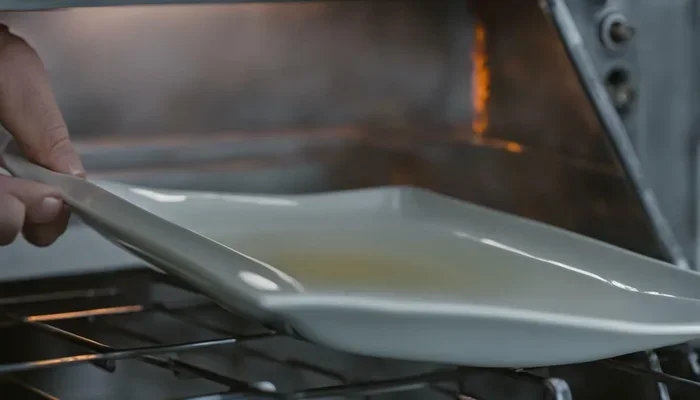
Place the baking sheet on the middle rack of the oven. Set a timer for 15 minutes. After 15 minutes, pull the tray out and give the peanuts a gentle shake or stir with a spatula. This redistributes them so all sides get equal heat exposure.
Return the tray to the oven and roast for another 5 to 10 minutes. Total roasting time typically ranges from 20 to 25 minutes. Keep a close eye on them during the last few minutes. Peanuts go from perfectly done to overcooked very quickly.
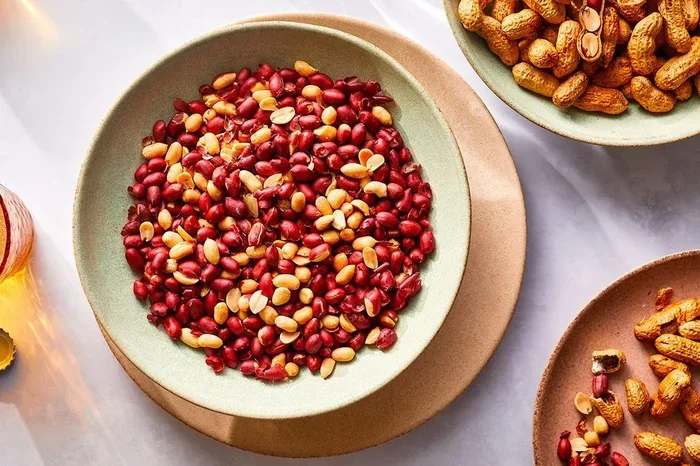
You will know they are ready when they turn a light golden brown and the skin begins to loosen (for shelled peanuts). The kitchen will smell absolutely incredible. Trust your nose — if it smells like roasted peanuts, they are probably done.
Step 6: Cool Completely
This step is crucial and often overlooked. Remove the peanuts from the oven and let them cool on the baking sheet for at least 15 to 20 minutes. They will continue to crisp up as they cool. If you eat them while still hot, they will feel soft and chewy instead of crunchy.
Transfer the cooled peanuts to a bowl or container once they reach room temperature. Resist the urge to skip this cooling step. Patience here pays off with that satisfying crunchy peanuts texture you are aiming for.
Different Ways To Season Your Roasted Peanuts
One of the best things about making homemade roasted peanuts is the freedom to experiment with flavors. Plain roasted peanuts are delicious on their own, but seasoning takes them to a whole new level. Here are some of the most popular options.
Classic Salted Peanuts
The simplest and most timeless choice. Right after pulling the peanuts from the oven, toss them with a light sprinkle of fine sea salt while they are still warm. The warmth helps the salt stick to the surface evenly. Start with a small amount and add more to taste. Fine salt dissolves better than coarse salt on warm peanuts, giving you a more consistent flavor.
Spiced Peanuts
For something more exciting, try mixing spices before or after roasting. A blend of cayenne pepper, smoked paprika, and garlic powder creates a savory kick. Cinnamon and a touch of sugar make a sweet-spicy option that works well for dessert-style snacks. You can also try cumin, chili powder, or everything bagel seasoning for unique flavor profiles.
Honey Roasted Peanuts
For a sweeter treat, toss warm peanuts with a mixture of honey and a small amount of butter. Spread them back on the baking sheet and return them to the oven for an additional 5 minutes at 300°F. The honey caramelizes and creates a sticky, sweet coating. Let them cool completely before breaking apart any clusters that form.
Savory Herb Peanuts
Mix dried rosemary, thyme, and a pinch of onion powder with your peanuts before roasting. This gives a subtle, aromatic flavor that pairs wonderfully with beer or wine. Herb-seasoned peanuts also make an excellent addition to cheese boards and party platters.
Common Mistakes To Avoid When Roasting Peanuts
Even though roasting peanuts is simple, a few common errors can ruin an otherwise perfect batch. Knowing what to avoid will save you time and disappointment.
Skipping the Preheat
Putting peanuts into a cold oven leads to inconsistent cooking. Some peanuts may be underdone while others are overdone. Always preheat the oven fully before the peanuts go in. This is one of the most important peanut roasting temperature tips to remember.
Overcrowding the Pan
Too many peanuts on one baking sheet traps steam and prevents proper air circulation. The result is soft, unevenly roasted peanuts. Give each peanut enough space. If you need to roast a large quantity, use multiple trays or roast in batches.
Not Drying the Peanuts
Moisture is the biggest enemy of crispiness. If your peanuts are wet when they go into the oven, they will steam instead of roast. Always make sure shelled peanuts are thoroughly dry before roasting. This is especially important if you have rinsed them or soaked them in salted water.
Walking Away from the Oven
Peanuts can go from perfectly roasted to burnt in just a couple of minutes. Do not leave the oven unattended during the last few minutes of roasting. Stay near the oven, check them frequently, and trust your senses — the smell and color will tell you when they are done.
Skipping the Cooling Step
Hot peanuts off the oven will continue to crisp as they cool, but if you skip this step entirely or eat them too soon, they will not have the full crunch. Give them at least 15 minutes on the tray before transferring or eating.
How To Store Your Homemade Roasted Peanuts
Proper storage keeps your roasted peanuts fresh and crunchy for an extended period. Nobody wants soggy peanuts a week after making them.
The best storage method is an airtight container at room temperature. A glass jar with a tight-fitting lid works perfectly. You can also use a resealable plastic bag, pressing out as much air as possible before sealing. Store the container in a cool, dark place like a pantry or cupboard.
Avoid storing roasted peanuts in the refrigerator. The moisture in the fridge can make them soft and lose their crunch. If you live in a very humid climate and need to extend shelf life, the freezer is a better option. Place the peanuts in an airtight freezer bag and they will stay fresh for up to three months.
Properly stored homemade roasted peanuts typically last about three to four weeks at room temperature. If you notice any loss of crunch, try spreading them on a baking sheet and warming them in the oven at 300°F for 3 to 5 minutes. This can bring back some of that fresh-roasted texture.
Expert Tips For Perfectly Crunchy Peanuts Every Time
Getting the perfect crunch every time comes down to a few pro-level details. These peanut cooking tips will elevate your results from good to outstanding.
Use room temperature peanuts. Cold peanuts from the fridge take longer to roast and may cook unevenly. Let them sit at room temperature for about 20 minutes before placing them in the oven. This small change makes a noticeable difference in the final texture.
Shake the tray halfway through. This simple habit ensures even browning on all sides. It also prevents peanuts from sticking to the parchment paper and burning in one spot.
Listen for the crackling sound. When you hear the peanuts start to crackle and pop in the oven, that is a great sign. It means the moisture is escaping and the roasting process is working. When the crackling slows down, check them closely — they are likely close to done.
Experiment with soak times. If you are roasting peanuts in shell, soaking them in salted water for 1 to 2 hours before roasting adds flavor deep inside the shell. For shelled peanuts, a quick 10-minute soak in seasoned water can add a subtle layer of taste without making them soggy.
Try a two-stage roast. Roast at 350°F for 15 minutes, then reduce the temperature to 300°F for an additional 5 to 10 minutes. This method gives you a golden exterior while ensuring the inside is fully cooked. It is a technique that many experienced home cooks swear by for the best dry roasted peanuts.
Add salt after roasting for maximum crunch. Salting before roasting can draw out moisture and soften the peanuts. Adding salt after roasting keeps them crispy and gives you better control over the saltiness.
Frequently Asked Questions
Can I roast peanuts in oven with the shell on?
Yes, you absolutely can roast peanuts in shell in the oven. The roasting time is longer, typically around 30 to 35 minutes at 350°F, because the shell acts as insulation. The shell will become easier to crack after roasting, and the peanuts inside will have a slightly more intense, smoky flavor compared to shelled versions.
What is the best temperature to roast peanuts in oven?
The ideal peanut roasting temperature is 350°F (175°C). This temperature cooks the peanuts evenly without burning the outside. If you prefer a slower, more gentle roast, you can lower the temperature to 325°F and extend the roasting time slightly. Avoid going above 375°F as it increases the risk of burning.
How do I know when roasted peanuts are done?
Done peanuts turn a light golden brown color and the skin begins to loosen and slide off easily. You will also notice a strong, nutty aroma filling your kitchen. Another test is to bite into one — it should be crisp and crunchy throughout with no soft or raw center. If it feels chewy inside, give them a few more minutes.
Can I use raw peanuts that have been boiled?
Yes, boiled peanuts can be roasted in the oven for a different texture and flavor. Pat them very dry before roasting since they contain more moisture than raw peanuts. Reduce the roasting time slightly and keep a close eye on them, as the extra moisture can affect how quickly they crisp up.
How long do homemade roasted peanuts last?
When stored in an airtight container at room temperature, homemade roasted peanuts stay fresh for about three to four weeks. In the freezer, they can last up to three months. The key to longevity is keeping moisture out and storing them in a cool, dark place away from direct sunlight.
Are oven-roasted peanuts healthier than store-bought?
Generally yes. When you roast peanuts in oven at home, you control the ingredients completely. You can avoid added oils, excess salt, and artificial preservatives commonly found in commercial roasted peanuts. Homemade versions are also less likely to contain trans fats or excessive sodium, making them a healthier peanut snack option.
Conclusion
Roasting peanuts in oven is one of the easiest and most rewarding things you can do in the kitchen. From choosing the right raw peanuts to pulling them out perfectly golden and crunchy, the entire process is simple and forgiving. Whether you prefer salted peanuts, spicy flavors, or classic plain roasted peanuts, the oven method delivers consistent, delicious results every single time.
The beauty of making your own homemade roasted peanuts is that you get full control over flavor, salt content, and texture. No more settling for store-bought bags that may be stale or loaded with additives. A single batch fills your home with an irresistible aroma and gives you a healthy, satisfying peanut snack to enjoy for weeks.
Now that you know exactly how to roast peanuts in oven, it is time to put this knowledge into action. Grab a bag of raw peanuts, preheat your oven to 350°F, and give it a try. Once you taste the difference between homemade and store-bought, you will never go back. Happy roasting.